
Fichas
PDD + PPD
Fichas del conjunto (33)
- 1True or False: Type III cement (high early strength) is often used for precast concrete members.TRUE
Type III cement and steam curing allows prestress plants to get finished beams and tees out of the beds and into the yard more quickly so that production can continue. They are then warehoused in the yard until they have passed 28-day cylinder testing. - 2True or False: Precast concrete members can be a maximum of 14ft wideTRUE
Precast concrete members are generally transported over the highway, so their width is limited to the width of the travel lane - 3True or False: Concrete used in precast members is typically 3000 psiFALSE
concrete used in precast members is generally a higher-strength mix than the 3000 psi concrete typically used for site cast applications - 4True or False: Conditions are more controlled during the production of precast concrete than they would be for site castTRUE
Conditions can be better controlled during the production of precast concrete than they can in the field. Forms can be used repeatedly, and curing can take place under shelter, making precast concrete more economical and consistent. - 5True or False: Precast concrete can only be made with white aggregate and can be formed into wall panels, flooring planks, and door modules.FALSE
Precast concrete can have many different appearances by using color or gray aggregate, formed surfaces or patterns. Shapes include floor planks, beams, columns, wall panels, and domes - 6A slip joint is used in the head of an aluminum storefront system to...Accommodate the deflection of the structure -- to avoid possibly breaking the glass or bending mullions. The slip joint is used to prevent the weight of the structure above from bearing on the framing or glazing
- 7Name three things that will effectively reduce the possibility of termite infestation!1 | place all wood members above the ground (because insects usually enter at the ground level)
2| keep the foundation as dry as possible; design the grade to slow away from the bldg to keep the area well drained
3| soil poison - no shrubbery - around bldg perimeter - 8What does pressure-treating lumber do?Pressure treatment is a process that forces chemical preservatives into the wood. Wood is placed inside a closed cylinder, then vacuum and pressure are applied to force the preservatives into the wood. The preservatives make the wood more resistant to damage from water and attack by termites, other insects, and fungal decay.
- 9The energy required to turn a raw material into a finished building product is known asEMBODIED ENERGY
- 10Materials or assemblies with a high noise reduction coefficient (NRC) generally have a...LOW STC (sound trans. coeff)
The NRC is a measure of how absorptive a material is to sound (generally very porous materials such as ACT, fabrics, carpet, etc)
The STC measures how well a material blocks sound transmission from one space to the next. They are directly proportional - 11True or False: American and metric sizes for rebar are now based on a unitless numberFALSE
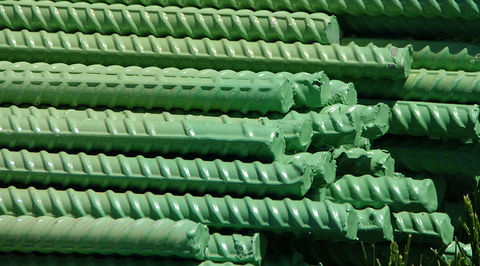
The designation for American standard sizes of rebar is based on the number of eighths of an inch in the nominal diameter of a bar, up to 1inch - 12True or False: American bar numbers equal the number of eighths of an inch across the diameterTRUE
- 13True or False: Rebars are only available in Grade 40FALSE
Steel reinforcing bars are usually manufactured in grade 40, 60, and 75. Designation is equal to the minimum yield strength of the bar in ksi (1000 psi) for example grade 60 rebar has a minimum yield strength of 60 ksi. - 14True or False: Epoxy- coated reinforcing steel bars are used only int he interior concrete floor slabs.FALSE
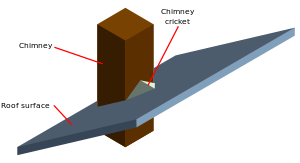
Epoxy-coated rebar is typically used in exterior concrete construction to slow down or prevent the steel from rusting!!! - 15In roof construction, what is a cricket?A cricket is a small gable placed directly behind a chimney to direct water away from the masonry
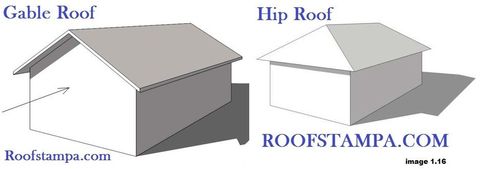
- 16In roof construction, what's a gable roof?Gable roofs are easier
and less expensive to build, but prone to collapse in a hurricane force wind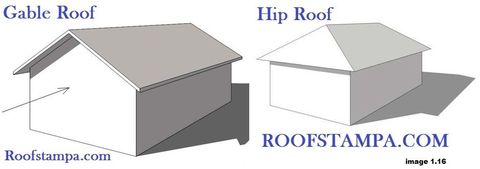
- 17In roof construction, what's a hip roof?Hip roofs are more complicated and labor-intensive to build, but are also more wind-resistant in a storm.
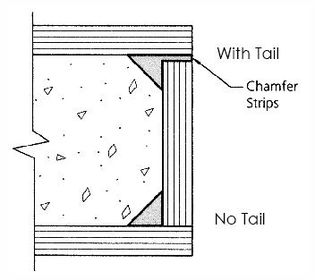
- 18What is used to minimize corner chipping of concrete ?Chamfer strips -small, triangular piece of material placed in the corners for forms to prevent sharp 90 degree angle corners
- 19In masonry wall, water is prevented from seeping back into the wall through capillary action by usingDRIPS
extensions of flashing that force water away from the wall rather than toward the wall and possibly flowing back through capillary action or cracks below flashing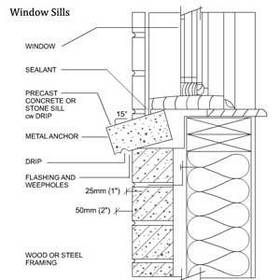
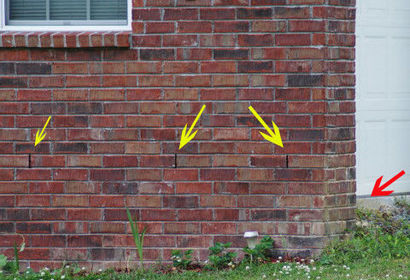
- 20what's with weep holes ?A weep hole is a small opening that allows water to drain from within an wall. Weeps are at the bottom of the object to allow for drainage.
- 21Asphalt-impregnated building paper is used under siding primarily toIncrease the water resistance of the wall, but can also act as a vapor barrier, but would need to be placed on the inside of the sheathing.
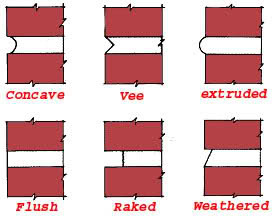
- 22Name some types of masonry joints
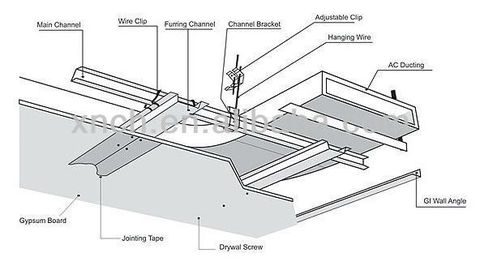
- 23furring channel
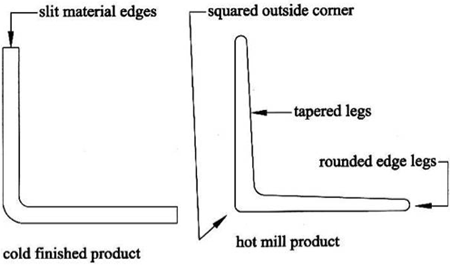
- 24hot-rolled vs. cold-rolled steel channelsCold rolled steel channels are used where tolerances and straightness are the major factors. Hot rolled is used for less precise situations, like railroads and I beams
- 25A joint that is typically used where an addition meets an existing building to allow the two sections to move independently of one another is calledAn isolation joint -
can also be used when two different materials meet. Also called an abutment joint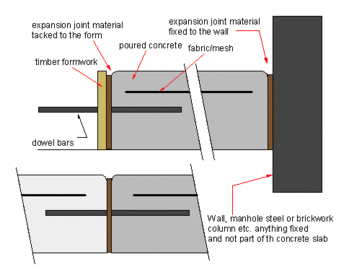
- 26Describe a control jointContraction/control joints are placed in concrete slabs to control random cracking. A fresh concrete mixture is a fluid, plastic mass that can be molded into virtually any shape, but as the material hardens there is a reduction in volume or shrinkage.
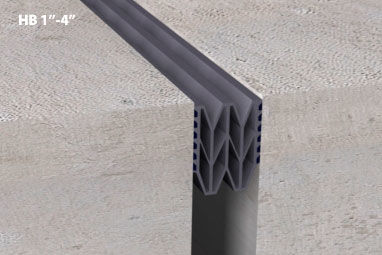
- 27Expansion joint
- 28—double-fillet weld (uneven)
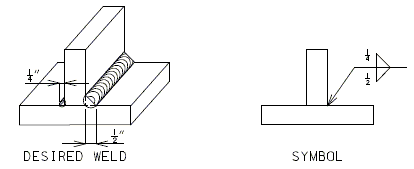
- 29name four different types of weld symbols!
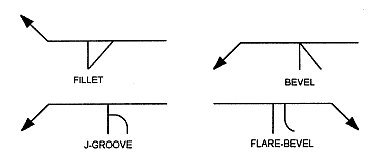
- 30explain + name door handsthis is a way of explaining where the hinge should be and which way the door swings
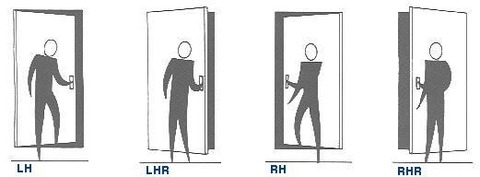
- 31What type of cement is used in slip form construction?Type III, seems most common and good for quick, cold weather conditions
- 32What are types II + V cement good for?Low heat and sulfate resistant - good for structures exposed to soil or water
- 33What is Type IV
Información
- Descripción
- Diploma/Certificado de qualificação profissional de nivel 3 Architecture Registration Exams Fichas sobre PDD + PPD, creado por Imani Day el 20/02/2017.
- Creado por
- Imani Day · feb 2017
- Actualizado
- 22 feb 2017
- Visitas
- 4
- Valoración