
Fichas
Medchem 1 Final
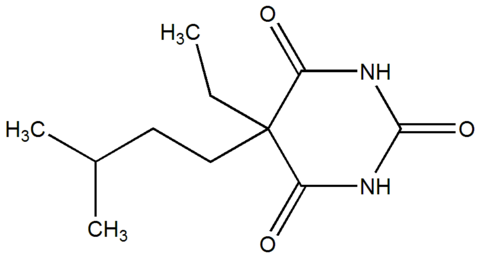
Fichas del conjunto (167)
- 1—amobarbital
(barbituric acid derivatives) - 2—barbituric acid
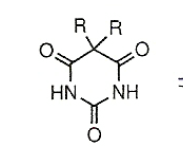
- 3—butabarbital
(barbituric acid derivatives)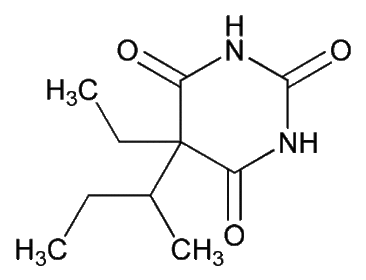
- 4—butalital
(barbituric acid derivatives)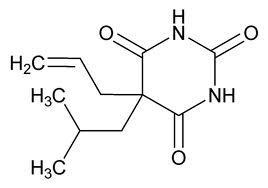
- 5—dilactim
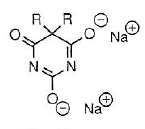
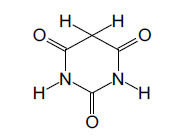
- 6—hexahydropyrimidine 2,4,6-trione
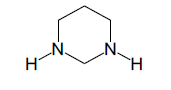
- 7—hexahydropyrimidine
- 8—mephobarbital
(barbituric acid derivatives)
SHORT doa RAPID ONSET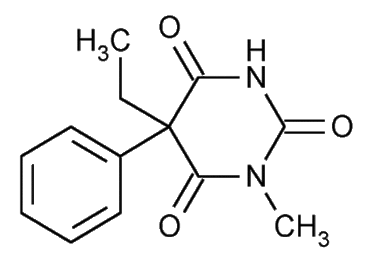
- 9—methohexital
(barbituric acid derivatives)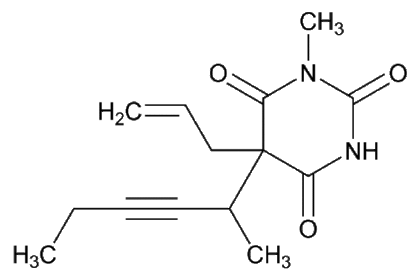
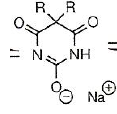
- 10—monolactim
- 11—pentobarbital
(barbituric acid derivatives)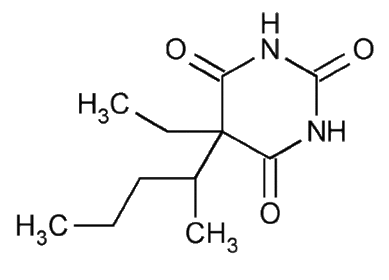
- 12—phenobarbital
(barbituric acid derivatives)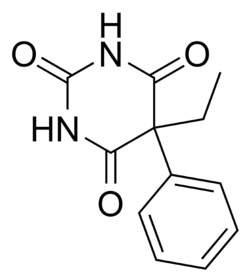
- 13—pyrimidine

- 14—secobarbital
(barbituric acid derivatives)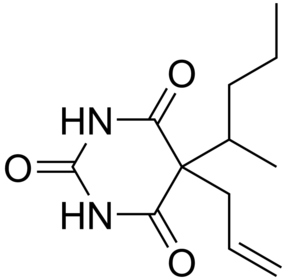
- 15—thiopental
(barbituric acid derivatives)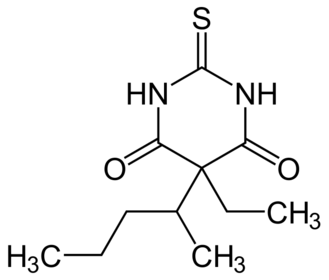
- 16—butabarbital
(barbituric acid derivatives)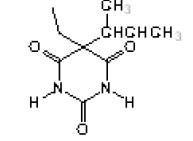
- 17—butathal
(barbituric acid derivatives)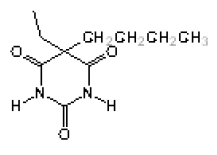
- 18—chloral hydrate
(non barbiturates)
aldehydes useful for insomnia
not analgesic
initial acitivity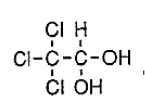
- 19—chloral
(non barbiturates)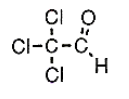
- 20—cyclobarbital
(barbituric acid derivatives)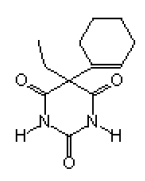
- 21—diphenhydramine
(antihistamine)
cross BBB
cause CNS effects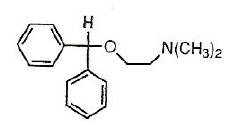
- 22—doxylamine
(antihistamines)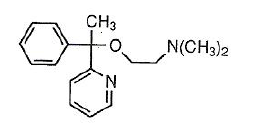
- 23—hexethal
(barbituric acid derivatives)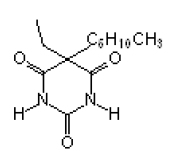
- 24—indeno (5,6b) furan
(modified melatonin receptor agonist)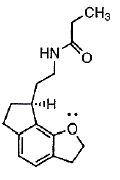
- 25—mephobarbital
(barbituric acid derivatives)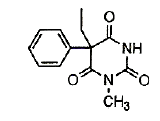
- 26—phenobarbital
(barbituric acid derivatives)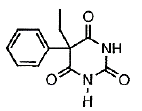
- 27—phenobarbital
(barbituric acid derivatives)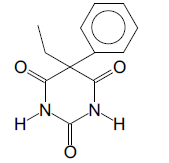
- 28—ramelteon
indeno (5,4b) furan
(modified melatonin receptor agonist)
higher affinity to MT1 receptor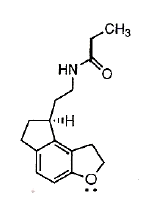
- 29—ramelteon
(modified melatonin receptor agonist)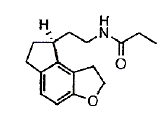
- 30—trichloroethanol
(non barbiturate)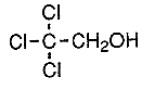
- 31—tricholoroacetic acid
(non barbiturate)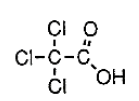
- 32—alprazolam (xanax)
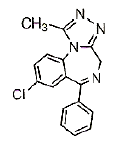
- 33—clorazepate (tranxene)
only BZD prodrug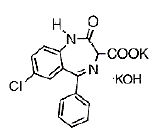
- 34—diazepam (valium)
long DOA
Diazepam is metabolized to: Nordiazepam Temazepam oxazepam
All metabolites are active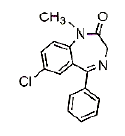
- 35—estazolam
sleep inducer in elderly
onset of activity: 30min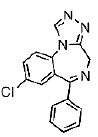
- 36—eszopiclone
cyclopyrrolone
orally active
well absorbed
t 1/2: 6h
•“S” isomer of zopiclone
•Longer t ½ around 6hrs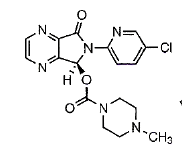
- 37—flurazepam (dalmane)
sleep inducer
short half life: 2.4h
very long DOA
onset of activity: 30min
The t ½ of flurazepam is 2.4hrs, metabolized into hydroxyethylflurazepam
and N-desalkylflurazepam, both are active with t ½ of 3-4hrs and 47-100hrs, respectively.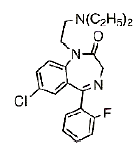
- 38—halazepam (paxipam)
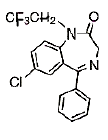
- 39—hydroxyethylflurazepam
active
long DOA
half life: 3-4h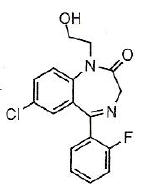
- 40—metabolite of estazolam
active
short acting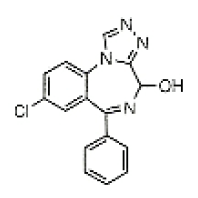
- 41—metabolite of triazolam
active
short acting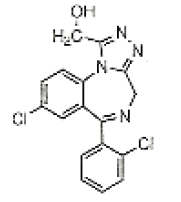
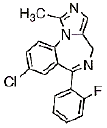
- 42—midazolam (versed)
- 43—n-desalkylflurazepam
active
long DOA
half life: 47-100h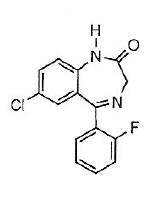
- 44—oxazepam (serax)
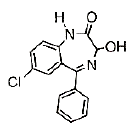
- 45—temazepam (restoril)
sleep inducer
onset of activity:1-2h
Temazepam is rapidly metabolized via direct conjugation with glucuronic acid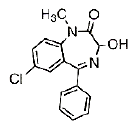
- 46—triazolam (halcion)
sleep inducer in elderly
onset of activity:1-2h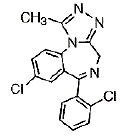
- 47—zaleplon
pyrazolopyrimidine
orally active
rapidly absorbed
low bioavailabity: 30%
t 1/2: 1hImidazopyridine
food delays its effect
all metabolites are inactive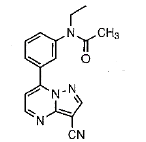
- 48—zopidem
imidazopyridine
orally active
rapid onset: 1.4 h
short acting
t 1/2: 2h
Food delays its effects
•Short acting due to rapid oxidative metabolism into inactive metabolites
highly bound to plasma proteins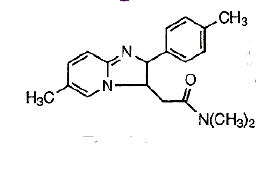
- 49—(+-) - nisoxetine
non TCA secondary amines
SNRI (NE)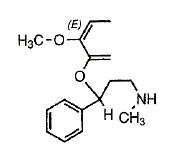
- 50—amoxapine
non typical TCA secondary amine
SNRI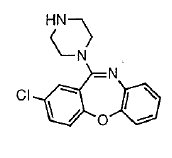
- 51—clorgyline
MAOI (selective A)
hypertensive crisis with tyramine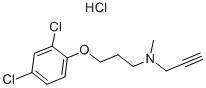
- 52—desipramine
10,11-dihydrodibenzazepine ring
secondary amine orally active TCA
SNRI
block muscarinic, alpha 1, H1 , Na channel
CI with MAOI and TCA and SNRI => HYPERTENSION
metabolized by CYP ( n desmethyl or hydroxylation
Aadditive anticholinergic and sympathomimetic
Na channel inhibitors : slow ventricular conduction at therapeutic dose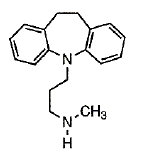
- 53—iproniazid
MAOI (non selective)
hydrazine
hypertensive crisis with tyramine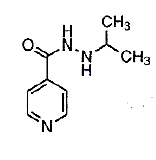
- 54—isoniazid
antituberculosis
MAOI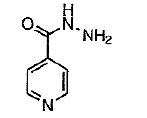
- 55—maprotiline
TCA tetracyclic (bicyclic ring)
SNRI
block muscarinic, alpha 1, H1 , Na channel
CI with MAOI and TCA and SNRI => HYPERTENSION
metabolized by CYP ( n desmethyl or hydroxylation
Aadditive anticholinergic and sympathomimetic
Na channel inhibitors : slow ventricular conduction at therapeutic dose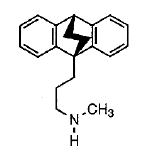
- 56—moclobemide
MAOI (selective A)
hypertensive crisis with tyramine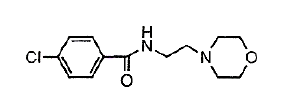
- 57—nortriptyline
10,11-Dibenzocyclohepten-5-
orally active TCA
SNRIblock muscarinic, alpha 1, H1 , Na channel
CI with MAOI and TCA and SNRI => HYPERTENSION
metabolized by CYP ( n desmethyl or hydroxylation
Aadditive anticholinergic and sympathomimetic
Na channel inhibitors : slow ventricular conduction at therapeutic dose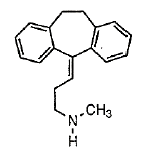
- 58—phenelzine
MAOI (non selective)
hydrazine
hypertensive crisis with tyramine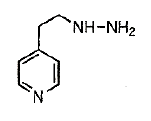
- 59—protriptyline
dibenzocycloheptene ring
orally active TCA
SNRI
block muscarinic, alpha 1, H1 , Na channel
CI with MAOI and TCA and SNRI => HYPERTENSION
metabolized by CYP ( n desmethyl or hydroxylation
Aadditive anticholinergic and sympathomimetic
Na channel inhibitors : slow ventricular conduction at therapeutic dose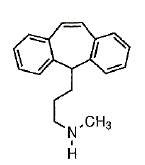
- 60—R(-) - atomoxetine
non TCA
SNRI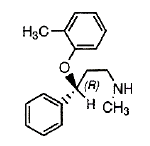
- 61—S,S- reboxetine
non TCA
SNRI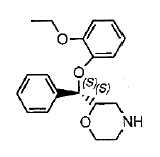
- 62—selegiline
MAOI (selective B)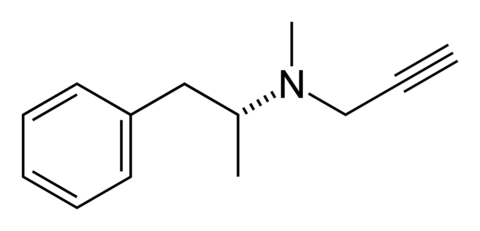
- 63—tranylcypromine
MAOI (non selective)
non hydrazine
hypertensive crisis with tyramine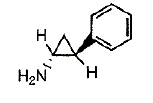
- 64—(-) 3S,4R- paroxetine
2 chiral center with 4 possible stereoisomer
3S,4R (-) PAROXETINE
Phenoxyphenylalkylamines
piperidine ring
SSRI
non TCA
potent and selective SERT little affinity for NET
orally active
metabolized by CYP2d6 into inactive catechol than methyl or glucuronide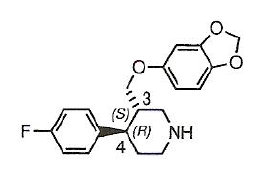
- 65—(+-)- talopram
Phenoxyphenylalkylamines
SSRI
non TCA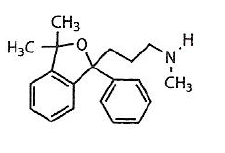
- 66—(+-)- venlafaxine
NSRI
non TCA
methoxyphenylethylamine
metabolized into equipotent O-desmethyl venlafaxine
30x more potent for SERT than NET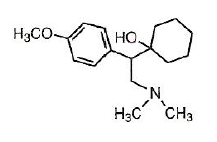
- 67—(+-)-cis-milnacipran
NSRI
non TCA
Phenylcyclopropanecarboxamide
antidepressant similar to TCA and SSRI
safe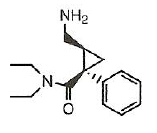
- 68—1S,4S-N-desmethylsertraline
Phenylalkylamine derivatives
SSRI
active
t 1/2=60-104h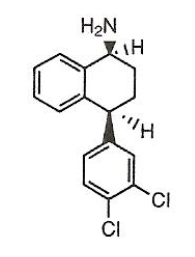
- 69—1S,4S-sertraline (zoloft)
Phenylalkylamine derivatives
SSRI
potent
2 chiral centers
t 1/2=26h
active metabolite n desmethyl
weak inhibitor of CYP3A4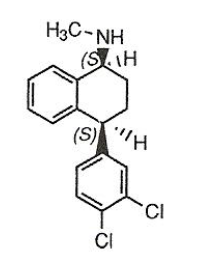
- 70—amitriptyline
NSRI
TCA tertiary amine selective to serotonin as compared to 2ary
greater anticholinergic, antihistaminic, antiadrenergic
potent inhibitors of sodium channels increased cardiotoxicity and higher frequency of seizures
SEROTONIN syndrome in DDI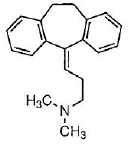
- 71—clomipramine
NSRI
Dihydrodibenzazepine
TCA
most powerful antidepressant
desmethyl active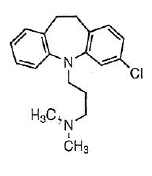
- 72—doxepin (E-isomer)
NSRI
dibenzoxepine derivative
less active
Z ISOMER > E
n desmethyl active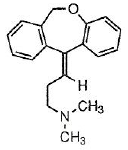
- 73—doxepin (Z-isomer)
NSRI
dibenzoxepine derivative
more active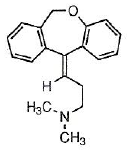
- 74—imipramine
NSRI
TCA tertiary amine selective to serotonin as compared to 2ary
greater anticholinergic, antihistaminic, antiadrenergic
potent inhibitors of sodium channels increased cardiotoxicity and higher frequency of seizures
SEROTONIN syndrome in DDI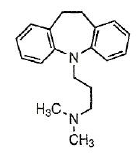
- 75—S (+)- duloxetine
NSRI
non TCA
fluoxetine analogue
SERT > NET
CYP2D6 Ndesmethyl active
CYP3A4 4 hydroxyl active with sert>net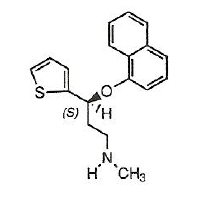
- 76—S- talsupram
Phenoxyphenylalkylamines
isobenzothiophene
potent
NET INHIBITOR
active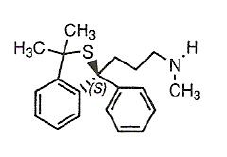
- 77—S-citalopram
Phenoxyphenylalkylamines
isobenzofuran
SSRI
orally active
N DESMETHYL ACTIVE
S enantiomer 27 X more potent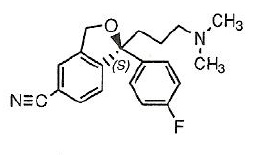
- 78—S-fluoxetine (prozac)
Phenoxyphenylalkylamines
3-phenoxy-3phenylpropylamine
SSRI
S isomer more potent (2x) than R
orally active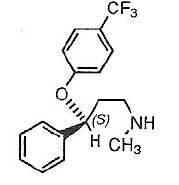
- 79—S-norfluoxetine
Phenoxyphenylalkylamines
SSRI
S isomer more potent (7x) than R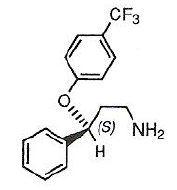
- 80—tametraline
Phenylalkylamine derivatives
SSRI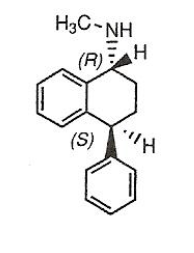
- 81—trimipramine
NSRI
dihydrodibenzazepine TCA
low affinity by 100 to both transporters
desmethyl is active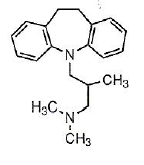
- 82—articaine
local anesthetic
amino amides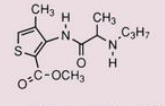
- 83—atropine
local anesthetic
low activity
toxic/eye irritation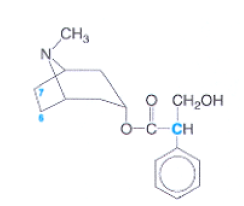
- 84—batracotoxin
local anesthetic
alkaloid
from skin of poison arrow frog
extremely toxic/not used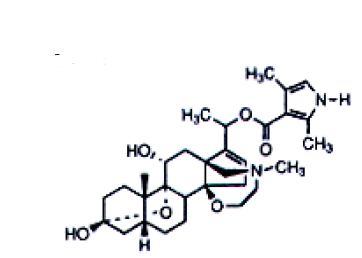
- 85—benoxinate
local anesthetic
amino ester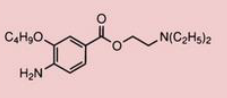
- 86—benzocaine
local anesthetic
amino ester
tongue numbness
poor water solubility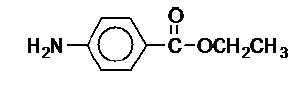
- 87—benzoyltropine
local anesthetic
decarbomethoxy derivative
potent
no addiction
tissue irritation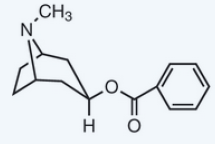
- 88—benzyl alcohol
local anesthetic
alcohol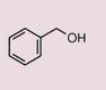
- 89—Bupivacaine
local anesthetic
amino amides
long acting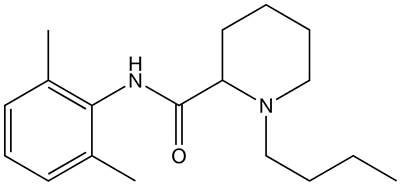
- 90—Butamben
local anesthetic
amino ester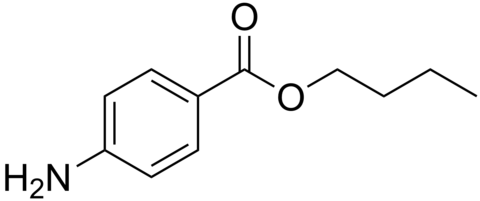
- 91—chloroprocaine
local anesthetic
amino ester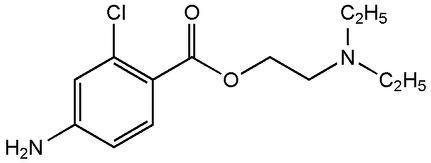
- 92—cocaine
local anesthetic
addictive
toxic
unstable
allergic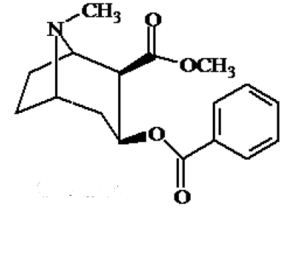
- 93—dibucaine
local anesthetic
amino amides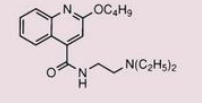
- 94—dyclonine
local anesthetic
amino ketone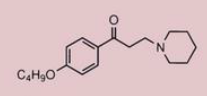
- 95—etidocaine
local anesthetic
amino amides
long acting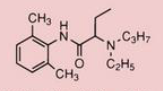
- 96—eugenol
local anesthetic
phenol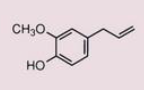
- 97—glycinexylidide
metabolite of lidocaine
active
toxic (CNS side effect)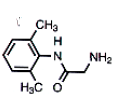
- 98—homatropine
weak local anesthetic
more active
less irritating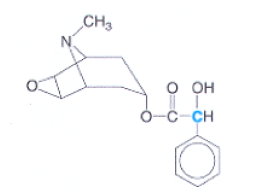
- 99—isogramine
local anesthetic
amide type
indole
tongue numbness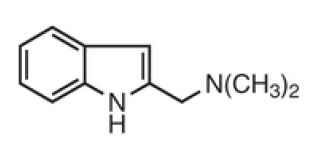
- 100—Levobupivacaine
local anesthetic
amino amides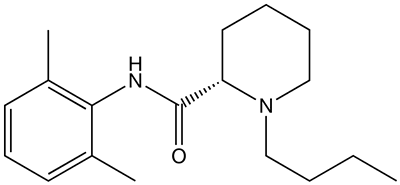
- 101—lidocaine
local anesthetic
amide type
non irritating
stable
less allergic
potent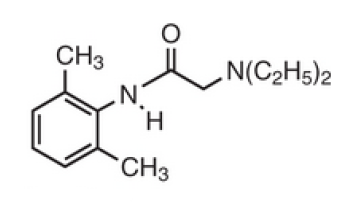
- 102—menthol
local anesthetic
alcohol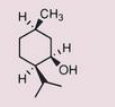
- 103—mepivacaine
local anesthetic
amino amides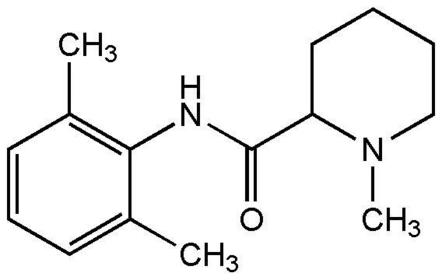
- 104—monoethylglycinexylidide
metabolite of lidocaine
active
toxic (CNS side effect)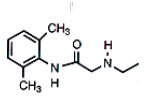
- 105—phenol
local anesthetic
- 106—pramoxine
local anesthetic
amino ether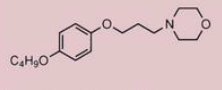
- 107—prilocaine
local anesthetic
amino amides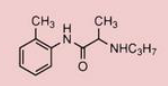
- 108—procaine
local anesthetic
N,N-diethyaminoethyl ester
water soluble
less potent
safe
short acting
stable at low pH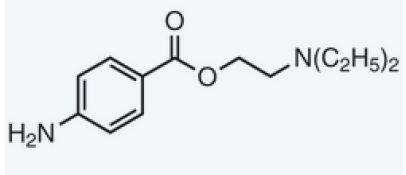
- 109—proparacaine
local anesthetic
amino ester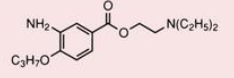
- 110—Propoxycaine
local anesthetic
amino ester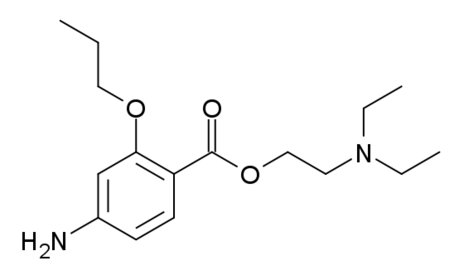
- 111—Ropivacaine
local anesthetic
amino amides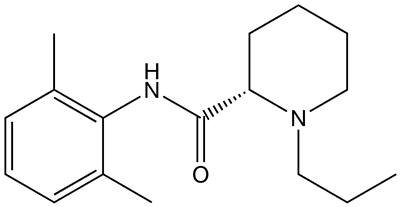
- 112—saxitoxin STX
local anesthetic
alkaloid
marine neurotoxin from ovaries of puffer fish
clam poison
extremely toxic/not used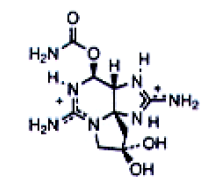
- 113—tetracaine
local anesthetic
n-butylamino derivative
high lipophilicity
most potent (50x)
long acting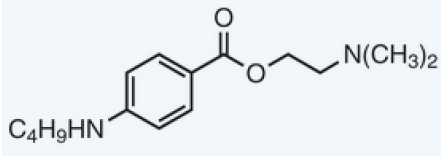
- 114—tetrodotoxin TTX (hemiacetal form)
local anesthetic
alkaloid
marine neurotoxin from ovaries of puffer fish
extremely toxic/not used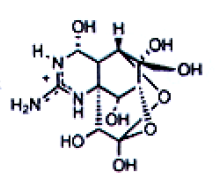
- 115—tetrodotoxin TTX (lactone form)
local anesthetic
alkaloid
marine neurotoxin from ovaries of puffer fish
extremely toxic/not used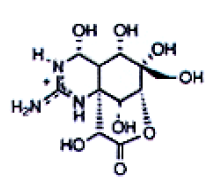
- 116—tocainide
lidocaine analogue
no CNS side effect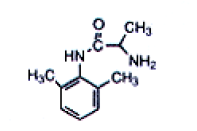
- 117—tolycaine
lidocaine analogue
no CNS side effect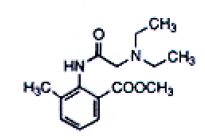
- 118—cyclopropane
volatile general anesthetic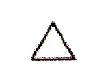
- 119—desflurane
volatile general anesthetic
potent
rapid induction/ recovery (outpatient)
no hepatotoxicity/ nephrotoxicity
non corrosive to metals( stable)
PUNGENT volatile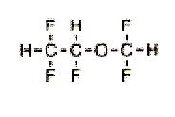
- 120—diethyl ehter
volatile general anesthetic
high potency
analgesic
Neuromuscular relaxing effects
flammable
slow induction/recovery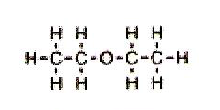
- 121—enflurane
volatile general anesthetic
high potency
high dose: convulsion and circulatory depression
give F- and fluoromethoxy difluro acetic acid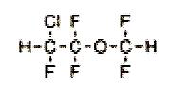
- 122—halothane
volatile general anesthetic
potent
sweet odor agent of choice in children
rapid onset/recovery
give HCL HBr
HEPATOTOXICITY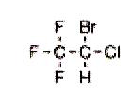
- 123—isoflurane
volatile general anesthetic
pungent odor given IV fewer cardiovascular effects
give F- and CF3COOH
potent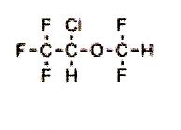
- 124—ketamine hydrochloride
IV general anesthetic
very potent
slow onset
short DOA
no muscle relaxation
produce hallucination dissociative anesthesia
norketamine in liver
blocks NMDA receptor
increase BP AND HR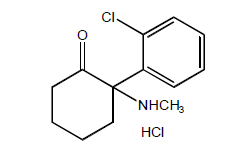
- 125—methoxyflurane
volatile general anesthetic
most potent
highest solubility in blood slow inducto and recovery
chemically unstable
NEPHROTOXICITY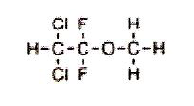
- 126—nitrous oxide
volatile general anesthetic
least potent
adjunct therapy
colorless tasteless odorless
irreversible oxidation of Co atom in VitB12
inactivation of enzymes
methionine synthetase (myeline)
thymidilate synthetase ( thymidine)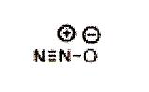
- 127—propofol
IV general anesthetic
rapid induction and recovery
increase GABA ergic neurotransmission within the CNS
poor water soluble (soybean)
glucuronude abd sulfate conjugayte
outpatient (rapid induction/recovery
vomiting )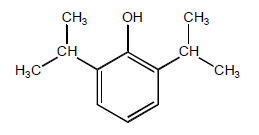
- 128—R-etomidate
IV general anesthetic
Ester of carboxylated imidazole
potent
solubilized in 35% Propylene Glycol
rapid/short acting
lacks analgesia
hydrolyzed by esterase
SEIZURES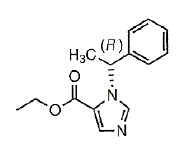
- 129—sevoflurane
volatile general anesthetic
higher potency than desflurane
low blood solubility rapid induction and recovery
low pungency
metabolized to hexafluoro isopropanol
low hepato and nephrotoxicity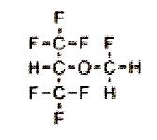
- 130—thiopental
IV general anesthetic
rapid and pleasant induction
short DOA
enhance GABA ergic effect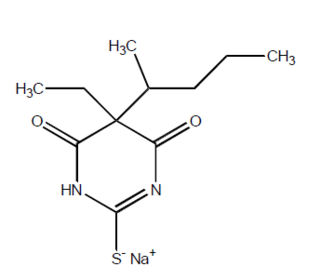
- 131—phenothiazine
typical neuroleptic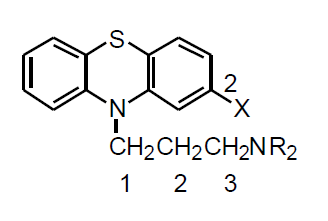
- 132—phenothiazine
typical neuroleptic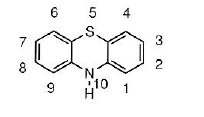
- 133—piperazine moiety
highest potency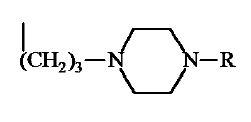
- 134—piperidine moiety
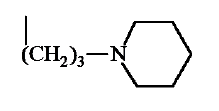
- 135—pyrolidine moiety
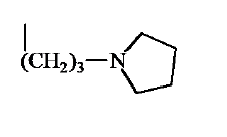
- 136—thiothixene
thioxanthene typical antipsychotic
synthetic
cis > trans
double bond reduction reduce activity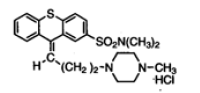
- 137—fluphenazine decanoate
phenothiazine typical neuroleptic
prodrug
long acting
IM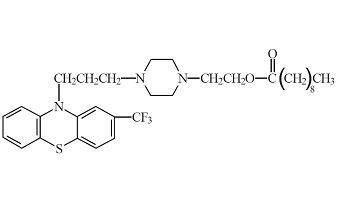
- 138—fluphenazine enanthate
phenothiazine typical neuroleptic
prodrug
long acting
IM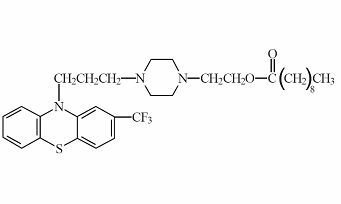
- 139—fluphenazine
phenothiazine typical neuroleptic
most potent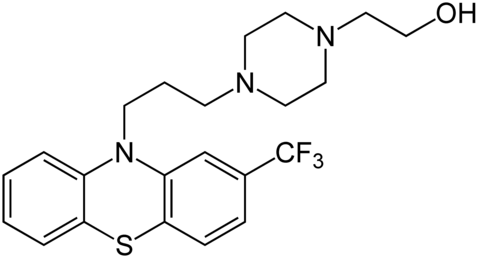
- 140—perphenazine enanthate
phenothiazine typical neuroleptic
pro drug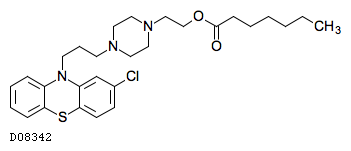
- 141—flupenthixol decanoate
thioxanthene typical neuroleptic
pro drug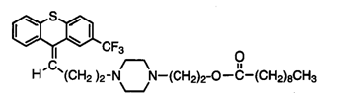
- 142—meperidine
metabolite of butyrophenone
typical neuroleptic
analgesic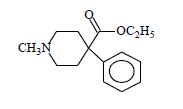
- 143—propophenone
metabolite of butyrophenone
typical neuroleptic
(200x) more potent than meperidine as analgesic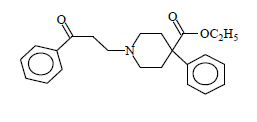
- 144—butyrophenone
typical neuroleptic
analgesic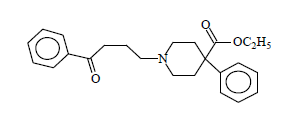
- 145—haloperidol (haldol)
prototype butyrophenone
typical neuroleptic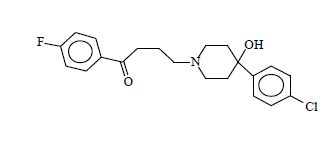
- 146—droperidol
analogous of haloperidol
typical neuroleptic
short acting
antiemetic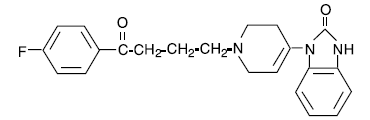
- 147—haloperidol decanoate
analogues of haloperidol
typical neuroleptic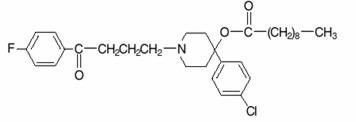
- 148—Spiperone
analogues of haloperidol
typical neuroleptic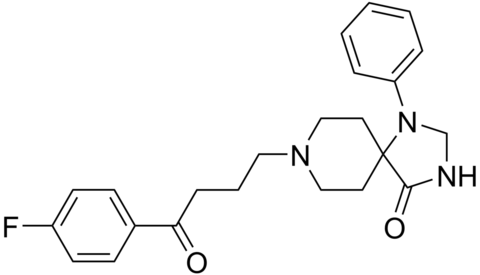
- 149—trifluperidol
analogues of haloperidol
typical neuroleptic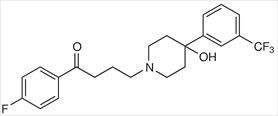
- 150—primozide
diphenylbutylpiperidine
long DOA
against schizophrenia
against tourette's syndrome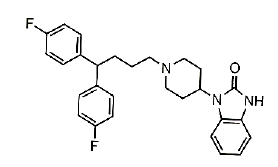
- 151—penfluridol
diphenylbutylpiperidine
long DOA
typical neuroleptic
against schizophrenia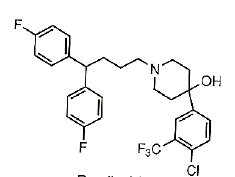
- 152—fluspirilene
diphenylbutylpiperidine
long DOA
typical neuroleptic
against schizophrenia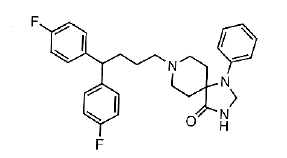
- 153—metoclopramide
benzamide derivative
atypical neuroleptic
antiemetic
local anesthetic activity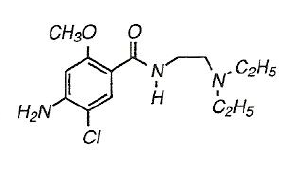
- 154—S(-)-Sulpiride
benzamide derivative
atypical neuroleptic
metoclopramide pyrrolidine ring derivative
low EPS
hydrophilic (poor oral absorption,low CNS--> low potency)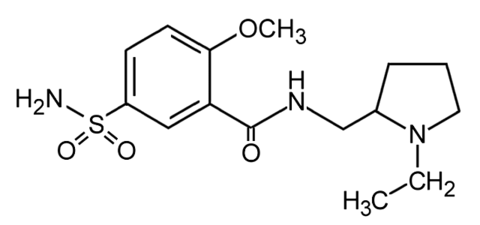
- 155—S(-)-remoxipride
benzamide derivative
atypical neuroleptic
metoclopramide pyrrolidine ring derivative
potent
low EPS/autonomic side effect
APLASTIC ANEMIA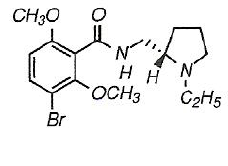
- 156—Amisulpride
benzamide
atypical neuroleptic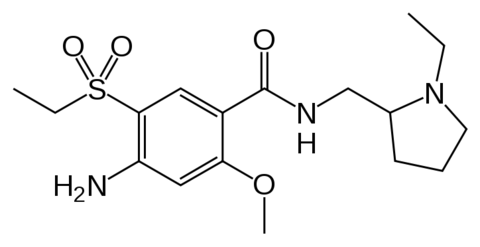
- 157—clozapine (clozaril)
benzazepine
dibenzodiazepine derivative
atypical neuroleptic
low EPS
orally active orally active and metabolized mainly by CYP3A4 to inactive desmethyl, hydroxyl, and N-oxide derivatives, with a half-life of approximately 12 hours.
t1/2= 12h
fatal agranulocytosis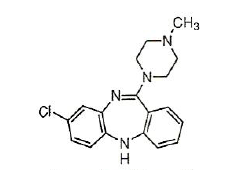
- 158—olanzapine (zyprexa)
benzazepine
thienobenzodiazepine derivative
atypical neuroleptic
potent
high EPS
orally absorbed
Olanzepine is well absorbed after oral administration and is metabolized mainly by CYPIA2 to inactive metabolites, with a variable half-life of approximately 20 to 50 hours.
t1/2= 20-50h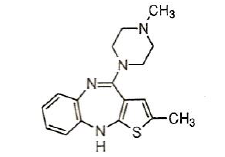
- 159—quetiapine (seroquel)
benzazepine
dibenzothiazepine derivative
atypical neuroleptic
100% bioavailable (orally active)
first pass metabolism
t1/2= 6hQuetiapine is 100% bioavailability
first-pass metabolism yields at least 20 metabolites via CYP3A4
7-hydroxyl and N-desalkylquetapine are active metabolites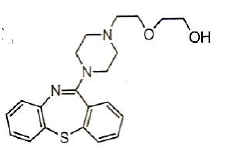
- 160—loxapine
benzazepine
dibenzo-oxazepine derivative
atypical neuroleptic
more typical profile
undergoes aromatic hydroxylation to yield several phenolic metabolites that have higher affinity for D2 receptors than the parent.
undergoes N-demethylation to form amoxapine, which is used clinically as an antidepressant.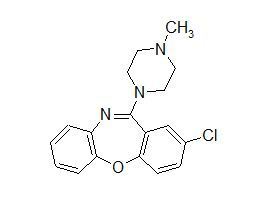
- 161—amoxapine
benzazepine
dibenzo-oxazepine derivative
n-demethylation of loxapine
antidepressant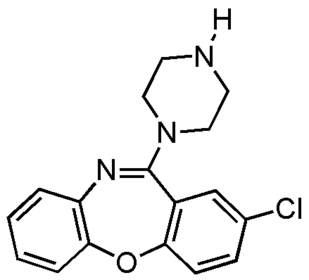
- 162—risperidone
benzizoxazole derivative
atypical neuroleptic
potent
some EPS
decrease schizophrenia
orally absorbed
give active metabolites
undergoes hepatic CYP2D6 catalyzed 9-hydroxylation (active metabolite) and N-dealkylation.
The half-life of risperidone and hydroxyrisperidone is about 22 hours
t1/2= 22h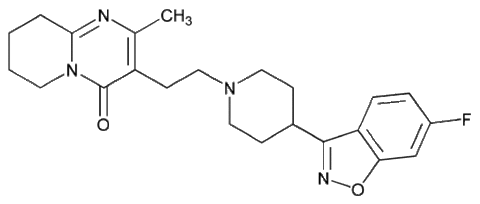
- 163—Ziprasidone
benzisothiazole derivative
atypical neuroleptic
potent
orally active (60% bioavailable)
t1/2= 6h
extremely metabolizedorally active with 60% bioavailability
t ½ is about 6 hours (increased by food)
metabolized by aldehyde oxidase, which results in reductive cleavage of the S-N bond, and then by S-methylation.
•Ziprasidone also can undergo N-dealkylation and S-oxidation by CYP3A4catalyzed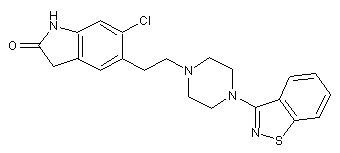
- 164—Tiospirone
benzisothiazole derivative
atypical neuroleptic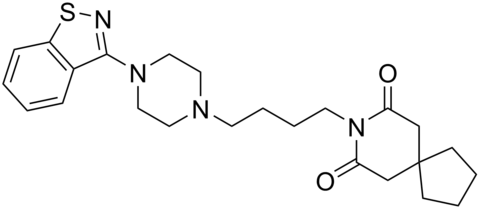
- 165—aripiprazole
arylpiperazine quinolinone derivative
atypical neuroleptic
low EPS/low hyperprolactinemia
partial agonist activity at some D2 receptors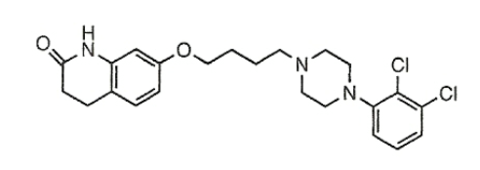
- 166—molindone
tetrahydroindolone derivative
atypical neuroleptic
less potent
high EPS
orally active/ rapidly absorbed
some metabolites are active
t1/2>24 h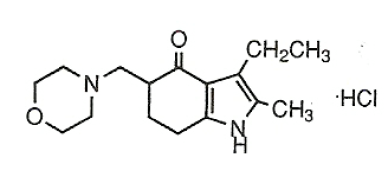
- 167—sertindole
indole derivative
atypical neuroleptic
low EPS
against schizophrenia
long acting
non sedating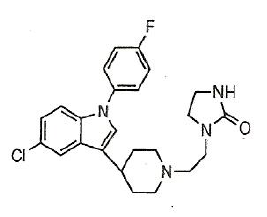
Información
- Descripción
- Pharmacy Fichas sobre Medchem 1 Final, creado por Camille Bassil el 08/12/2017.
- Creado por
- Camille Bassil · dic 2017
- Actualizado
- 16 dic 2018
- Visitas
- 212
- Historial
-
- Creado por lola_smily · 28 dic 2014
- Copiado por Camille Bassil · 8 dic 2017
- Valoración