
Fichas
Food year 11 mock revision
Fichas del conjunto (127)
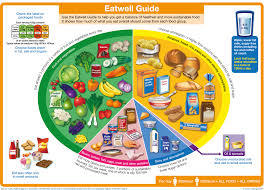
- 1What is the eat well guide?A healthy eating model, to encourage people to eat the correct proportions of fruit and vegetables.
- 2Name the five sections of the eat well guide?Fruits and vegetables (not potatoes).
Potatoes, bread, rice , pasta, or other starchy carbohydrates.
Dairy and dairy alternatives (not butter and creams).
Beans, pulses, fish, eggs, meat and other proteins.
Oils and spreads. - 3What two things can reducing the amount of saturated fat we eat do?1. reduce the risk of heart disease.
2. lower blood cholesterol. - 4How much saturated fat should men/women/children have each day?Men should have no more than 30g per day. Women should have no more than 20g per day. Children need less than this but under five they should not have a low fat diet.
- 5What two things can reducing sugar intake do?1. reduce the risk of obesity.
2. reduce the risk of tooth decay. - 6How much sugar should we eat depending on our age?4-6 = no more than 19g/day.
7-10 = no more than 24g/day.
11+ = no more than 30g/day.
No more than 5% of the sugar we eat should come from free sugars. - 7What are free/not free sugars?Free sugars - added to foods and drinks by manufacturers, cooks or consumers.
Not free sugars - found naturally in products, e.g. milk. - 8What three things does reducing the amount of salt in a diet do?1. reduce blood pressure.
2. reduce risk of heart disease.
3. reduce risk of a stroke. - 9How much salt should an adult/child have per day?An adult should have no more than 6g of salt per day and children should have less.
- 10How much percent of the energy we get should be from fat, saturates, carbohydrates and free sugars?no more than 35% from fat.
no more than 11% from saturates.
50% from carbohydrates.
no more than 5% from free sugars. - 11What is the government's five-a-day campaign?To encourage the UK to eat more fruit and veg. To also ensure we have a variety of vitamins, minerals and fibre in our diet. One adult portion is 80g of fruit or veg.
- 12What is obesity?Excessive fatness, measured as a ratio of weight to height.
- 13What problems can being overweight cause?Heart disease, high blood pressure, diabetes, osteoarthritis, varicose veins, breathlessness, chest infections and depression.
- 14What are the four main ways of loosing weight?1. exercise.
2. clubs, magazines etc.
3. reduced fat meals.
4. low fat methods of cooking; grilling, steaming, boiling and stir frying. - 15What is coronary heart disease (CHD)?A diet high in saturated fats is also likely to be high in cholesterol. Cholesterol is a substance made in the liver and carried in the bloodstream. The cholesterol can build up and be deposited on the walls of arteries, narrowing them. If the arteries become blocked, the person has a heart attack that can cause death. Saturated fatty acids can be replaced by polyunsaturated fats as alternative to animal based products. Also dietary fibre is thought to remove cholesterol from arteries.
- 16What are the five causes of CHD?low levels of exercise, smoking, family history of heart disease, high blood pressure, raised levels of cholesterol, obesity.
- 17How do you reduce high blood pressure (and heart disease)?Eat more fruit and veg.
Eat a varied diet.
Cut back on the fat in your diet and cooking.
Eat more starchy carbohydrate.
Use monounsaturated and polyunsaturated fats.
Have fish instead of meat.
Have less salt. - 18What is diabetes?Diabetes is a medical condition were the glucose in the bloodstream is not balanced correctly. Type 1 - not enough insulin, have from birth. Type 2 - not born with it but develop it due to a poor diet (too much sugar).
- 19What is osteoporosis?The bones in your body start to lose minerals and their strength and break easily.
- 20What things affect osteoporosis?genes, age, race, gender, smoking, low body weight, previous fractures, some medicines, high alcohol consumption.
- 21What is anaemia?Caused by a lack of iron in the diet, which forms haemoglobin and carries oxygen around the body. Women are more likely to get it than men due to loss of blood during menstruation. Best sources of iron are; liver, kidney, red meat, oily fish, leafy green vegetables.
- 22What are the nutritional needs of toddlers/pre-school children?High in complex carbohydrates (whole grains, peas etc).
- 23What are the nutritional needs of school children?Healthy but filling and balanced.
- 24What are the nutritional needs of adolescents?High in energy due to rapid growth. Girls need more iron to replace blood lost during menstruation.
- 25What are the nutritional needs of adults?Similar to teenagers. Depends on lifestyle and occupation. But should base of the eat well guide.
- 26What are the nutritional needs of older people?Smaller more appetising meals.
- 27What are the nutritional needs of pregnant women?High in energy and nutrients, maintain levels of calcium and iron.
- 28What is an anaphylactic reaction?An extreme reaction to a substance, needing immediate medical attention.
- 29What is a food intolerance?Sensitivity to certain foods.
- 30What is a food allergy?When you have a severe reaction to food.
- 31What is coeliac disease?A medical condition caused by an allergy to the protein gluten found in wheat, barley and rye.
- 32What does coeliac disease cause?Anaemia,weight loss, abdominal pain, bloating, diarrhoea.
- 33What are the symptoms of a food intolerance?Diarrhoea, nausea, tiredness, weakness, stomach pains.
- 34What is lactose intolerance?Not able to digest milk sugar lactose.
- 35What are dietary reference values (DVR)?Estimates of the amounts nutrients needed for good health.
- 36What are macro/micronutrients?Macronutrients (fats, proteins, carbohydrates) - nutrients needed by the body in large amounts.
Micronutrients (vitamins, minerals) - these are found in food and are vital to health, but are required in very small quanities. - 37What is classed as low fat?3g or less fat per 100g.
- 38What is classed as low salt?0.3g or less salt per 100g.
- 39What is classed as low sugar?5g of sugar or less per 100g.
- 40Name three ways to lower the fat in a diet?1. change to lower-fat or reduced-fat dairy products such as skimmed milk.
2. choose lean cuts of meat.
3. use smaller amounts of a stronger cheese. - 41Name three ways to lower the sugar in a diet?1. use a smaller amount of sugar for the same effect e.g. whisked sponge.
2. replace sugar with dried fruits.
3. use sweeteners instead of sugar. - 42Name three ways to lower the salt in a diet?1. use herbs instead of salt.
2. read label and only buy foods with lower salt contents.
3. reduce the amount of processed foods we eat e.g. ready meals. - 43Name three ways to increase fibre in a diet?1. use wholemeal cereal products e.g. wholemeal pasta.
2. use extra vegetables in things like casseroles.
3. have dried fruit or seeds as snacks. - 44Name three ways to lower fat when cooking food?1. steam fish instead of fry.
2. use less fats and oils.
3. grill or oven bake instead of fry. - 45What are essential amino acids?amino acids that cannot be made by the body and have to be supplied by the diet (8 for children, 10 for adults).
- 46What are complimentary proteins?Mixing different low biological value proteins to supply all the essential amino acids.
- 47What are high biological value (HBV) proteins?Proteins that contain all the essential amino acids.
- 48What are low biological value (LBV) proteins?Proteins that do contain all the essential amino acids.
- 49Name three functions of protein?1. used for growth.
2. used to repair body tissue.
3. makes enzymes. - 50What three things can a protein deficiency cause?1. in children, growth slows down or stops.
2. digestive upsets (lack of enzymes).
3. liver fails to function normally. - 51Name two animal and plant sources of protein?all meats, cheese
pulses, quorn - 52What are the two key facts about milk?Its a good source of protein, calcium, vitamin B12 and riboflavin(B2).
Vitamin A and D content are reduced in skimmed and semi-skimmed milk. - 53What is connective tissue?surrounds the muscle fibres.
- 54What is elastin and collagen?proteins found in meat
- 55What is myoglobin?the colour pigment that gives red meats its red colour.
- 56What are the three key facts about meat?Its good source of protein, red meat is a good source of iron, poultry is a good source of protein and contains less fat than meat.
- 57What are the three key facts about fish?The government recommends that we should eat at least two portions of fish a week, fish is a good source of protein and iodine, white fish and shellfish are low in fat.
- 58What is lecithin?Found in egg yolk, it is an emulsifier.
- 59What are eggs a good source of?Protein and fat-soluble vitamins.
- 60What are the two key facts about alternative sources of protein?Soya and mycoprotein (Quorn) foods provide protein and are low in fat.
They are a valuable source of protein for vegetarians. - 61What are fat soluble vitamins?dissolve in fat. A D E K
- 62What are water soluble vitamins?dissolve water. B1 B2 B3 B9 B12 C
- 63What is vitamin A?For growth and development and healthy eyes. Lack of it can cause stunted growth and night blindness. Found in; oily fish, liver, vegetables and carrots.
- 64What is vitamin D?For strong bones and teeth. Lack of it can cause softening of bones (rickets), osteoporosis. Found in dairy products, oily fish, liver and exposure to sunlight.
- 65What is vitamin E?For healthy cell walls and blood. Rare to have a deficiency. Found in vegetables, oils, lettuce, wheat.
- 66What is vitamin K?Helps blood to clot. Rare to have a deficiency. found in cheese, liver, leafy vegetables and coffee.
- 67What is vitamin B1?Helps the release of energy from carbohydrates. Lack of it slows growth and development. Found in fortified breakfast cereals, whole grains, meat, eggs.
- 68What is vitamin B2?Helps release energy from carbohydrates, fats and proteins. Lack of can cause poor growth and skin/eye problems. Found in liver, kidneys, meat, milk.
- 69What is vitamin B3?For metabolism growth and energy release. Rare deficiency. Found in meat, eggs, wheat, wheat and maize flour.
- 70What is vitamin B9 (folate/folic acid)?Essential for foetal development. Lack of causes tiredness and anaemia. Found in liver, wholegrain cereals, pulses, dark green vegetables.
- 71What is vitamin B12?For the normal functioning of the nervous system. Lack of can cause nerves not working leading to paralysis. Found in animal products only.
- 72What is vitamin C?For the formation of connective tissue. Lack of it causes spotty skin. Found in citrus and soft fruits, oranges, blackcurrents, strawberries.
- 73What is fortification?Adding nutrients to a food to improve its nutritional content.
- 74What cooking methods should be used to retain vitamin C in a dish?Destroyed by moist and dry heat, dissolves in water so methods of cooking with least water should be chosen.
- 75What is iron?Produces haemoglobin in red blood cells to carry oxygen. Lack of it causes anaemia. Found in red meat, kidneys, liver, eggs.
- 76What is calcium?Hardens bones and teeth. Lack of it causes stunted growth and rickets. Found in dairy products, fortified white bread, green veg, seeds.
- 77What is phosphorous?For muscle function. Rare to have a deficiency. Found in dairy products, nuts, meat, fish.
- 78What is sodium?Maintains balance of water in body. Rare to have deficiency. Found in cheese, bacon, smoked meats, fish.
- 79What is fluoride?Strengthens teeth against decay. Lack of can cause tooth decay. Found in fish, tea, drinking water, toothpaste.
- 80What is iodine?Needed to make hormones. Lack of leads to weight gain and tiredness. Found in fish, milk and dairy foods.
- 81What is primary processing?Changing a basic for to preserve it or prepare it for sale or cooking. Milling wheat into flour, heat-treating milk, extracting oil from crops, peeling, stoning or canning fruit.
- 82What is secondary processing?Using a primary processed food to make it into another product. Making flour into pasta, making milk into cheese, butter and yoghurt.
- 83What are the four types of flour?Strong flour - has a higher gluten content needed in bread making. Gluten is able to stretch after it is mixed with water and developed.
Soft flour - this is used for cake and pastry making and has a lower gluten content.
Self-raisng flour - has a chemical raising agent added to it.
Gluten-free flour - contains no gluten, made for people with coeliac disease. - 84What is homogenisation?Involves forcing the milk at high pressure through small holes. This breaks up the fat globules in order to spread them evenly throughout the milk and prevent separation of a cream layer.
- 85What is pasteurisation?A method of heat-treating milk to kill harmful bacteria.
- 86What is the sterilisation of milk?A method of heat-treatment that kills all microorganisms.
- 87Explain the pasteurisation of milk?Heated to 72oC for a minimum of 15 seconds and a maximum of 25 seconds. Its then cooled quickly to below 6oC.
- 88Explain the sterilisation of milk?Heated to 113-130oC for 10-30 mins. Then cooled quickly.
- 89Explain the ultra-heat-treatment of milk?Heated to 135oC for 1 second. Then put in to sterile, sealed containers.
- 90What are the five types of butter?unsalted
salted
clarified (fat separated)
ghee (clarified)
spreadable (vegetable oil) - 91What are seven types of cream?half
single
double
whipping
whipped
clotted
sterilised - 92What are the six types of cheese?hard
semi-hard
soft ripened or bloomy rind
blue
washed rind
fresh - 93Give two advantages and disadvantages of preserving food?Lasts longer, increases range of food.
often contains a lot of fat, sugar,salt also can be more expensive than fresh food. - 94What does carbon footprint mean?A measure of the impact human activities have on the environment in terms of greenhouse gases produced through the outlet of carbon dioxide.
- 95What is intensive farming?Large amount of produce is generated from a relatively small area of land.
- 96What is organic?Grown or reared without the use of artificial aids, fertilisers, pesticides and antibiotics.
- 97What does sustainable mean?The resource will not run out.
- 98What are the four types of egg proaction?laying cage systems
barn eggs
free range
organic - 99Give two advantages/disadvantages of fish farming?Fish produced in higher quantities, wild fish stocks aren't reduced.
Expensive, more disease due to selective breeding. - 100What does traceability mean?You can track the product back through all stages of production.
- 101What is food security?Considers availability, accesses and utilisation of food.
- 102What is fair-trade?Guarantees that the produces get a fair deal.
- 103What does genetically modified mean?Describes crops where the genetic structure of the crops has been changed.
- 104Give two advantages/disadvantages of GM foods?Improved quantity and quality of food. It can grow in adverse conditions. Long-term safety is unknown.Environmental concerns as pollen can spread.
- 105What is carbon offsetting?Planting trees to absorb carbon dioxide.
- 106What are food miles?Distance food travels from farm to plate.
- 107What is gelatinisation?When a flour is mixed with liquid and heated, the starch grains swell (at 60oC) and as more heat is applied the starch grains burst (at 80oC), thickening the mixture.
- 108What is dextrinisation?When a dry heat is applied to products they turn brown as the starch in the flour is turned into a sugar.
- 109What is a caramelisation?Colour of sugar changes from white to brown when heated. Sugar melts into syrup and at 154oC it changes colour.
- 110What is shortening?When fat is rubbed into flour to create a crumbly, short texture. The fat coats the grains of flour giving the flour a waterproof coating that prevents gluten from developing.
- 111What is aeration?Trapping air in a mixture. When fat and sugar are creamed together air is trapped causing the mixture to rise when heated.
- 112What is plasticity?The ability for a solid fat to soften over a range of temperatures.
- 113What is emulsification?The process of using an emulsifier such as egg yolk (lecithin) to prevent a mixture of oil and liquid from separating. Emulsifiers attract oil and liquid and hold them together.
- 114What is coagulation?When the protein in foods sets due to heat being applied.
- 115What is foaming?A foam is produced when egg whites are whisked. When whisked they produce a mixture of gas and liquid, a foam.
- 116What is gluten formation?Gluten is used to provide structure in bread. Developed during kneading.
- 117What is acid denature?When acids are used change the shape of a protein e.g. to tenderise meat.
- 118What is enzymic browning?When fruit and veg go brown due to the products reacting with oxygen.
- 119What is oxidisation?When fruit or veg cells are exposed to air can cause browning.
- 120What is yeast?A raising agent used in bread making to give lightness and cause it to rise. Needs food, warmth, moisture and time.
- 121What are chemical raising agents?Make bread rise. They are bicarbonate of soda, being powder and self-rasing flour.
- 122How is air a raising agent?Used in whisked sponges to give lightness to mixture. It expands when in mixture.
- 123How does steam affect baking?Causes products with a lot of water in to rise. Eclairs, batters, chop pastry.
- 124What are high-risk foods?Foods which are the ideal medium for the growth of microorganisms. e.g. chicken and shellfish.
- 125What is the danger zone?5-63oC where bacteria grow rapidly.
- 126What are low-risk foods?Foods which have a long shelf life, such as dried fruits.
- 127What temperature should a fridge or freezer be at?Fridge - 0-5oC
freezer - -18
Información
- Descripción
- GCSE Food preparation and nutrition Fichas sobre Food year 11 mock revision, creado por finn squires el 17/12/2017.
- Creado por
- finn squires
- Visitas
- 40
- Valoración