
Fichas
UNIT 3.1 - ELECTRIC CIRCUITS
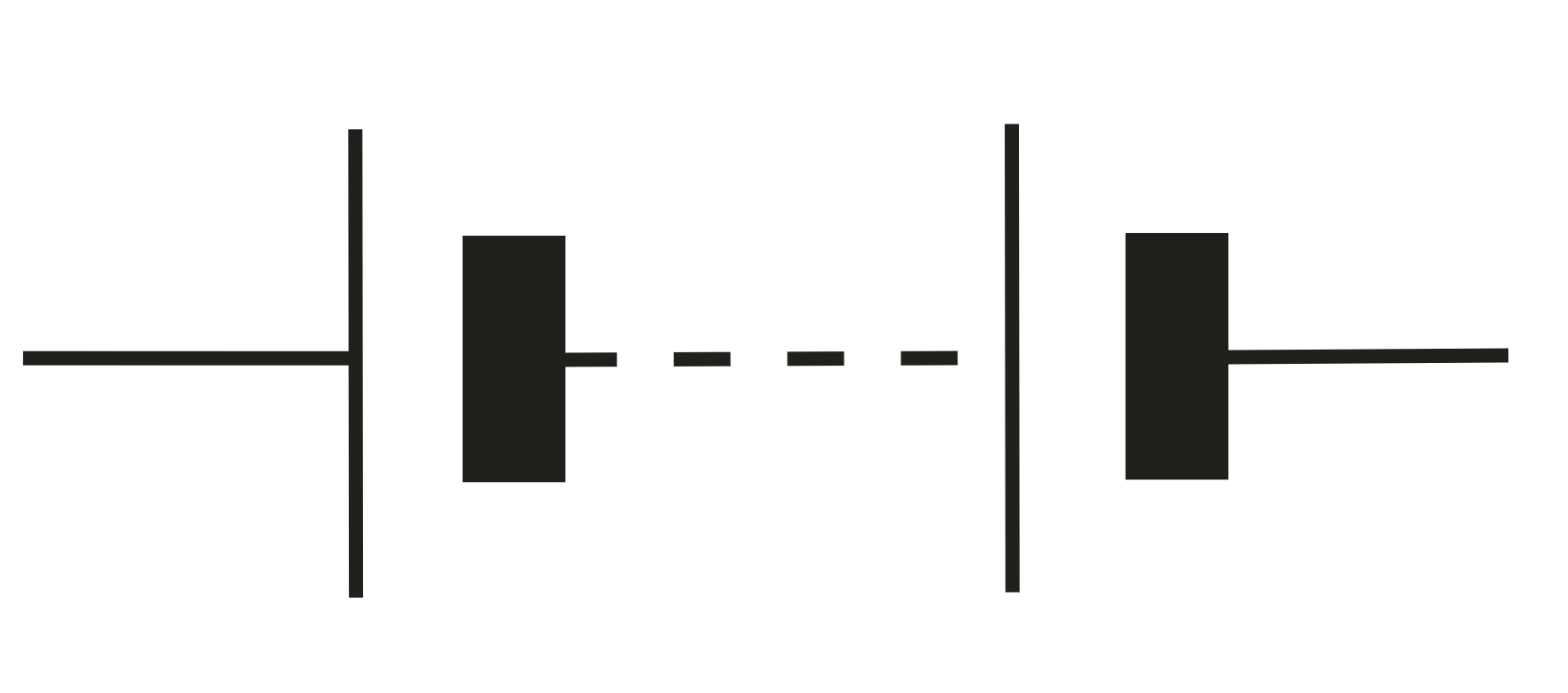
Fichas del conjunto (33)
- 1What does this circuit symbol represent?A cell
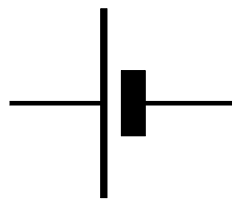
- 2What does this circuit symbol represent?A battery
- 3What does this circuit symbol represent?A lamp
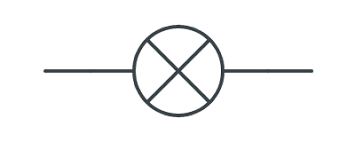
- 4What does this circuit symbol represent?A voltmeter
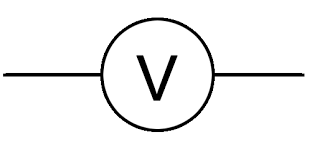
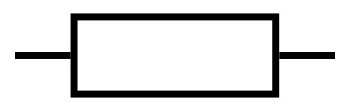
- 5What does this circuit symbol represent?A resistor
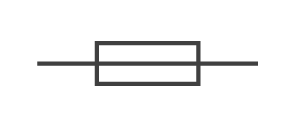
- 6What does this circuit symbol represent?A fuse
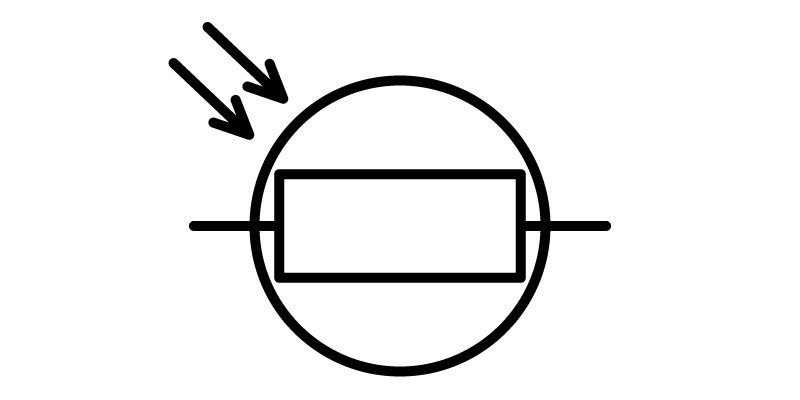
- 7What does this circuit symbol represent?A light dependent resistor ( LDR )
- 8What is electric current ( I )?Current ( I ) is the flow of negatively charged electrons.
Current is described as a measure of the charge that flows past a point every second.
( As a comparison, think of
measuring the amount of water flowing through a pipe. )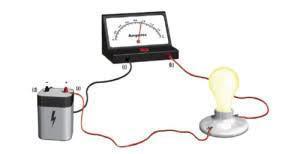
- 9How do we measure current ( I )?Current ( I ) is measured in Amperes ( A ).
It is measured using an Ammeter connected in SERIES.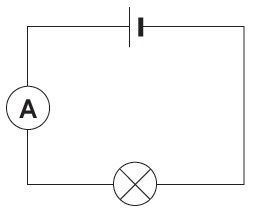
- 10What is voltage ( V )?Voltage ( V ) is a measure of the force, or electrical energy, pushing electrons around a circuit.
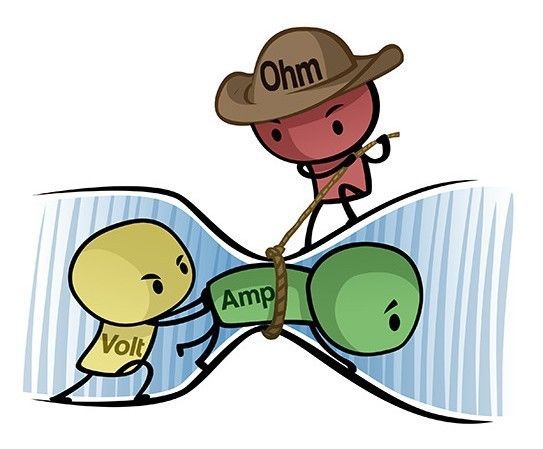
- 11How do we measure voltage ( V )?Voltage ( V ) is measured in Volts ( V ).
It is measured using a Voltmeter connected in PARALLEL.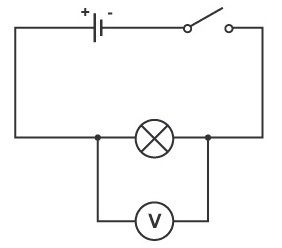
- 12What is resistance ( R )?Resistance ( R ) is a measure of how difficult it is for current to flow through a wire or device.
More resistance means less current because it is more difficult for it to flow. - 13How do we measure resistance ( R )?Resistance ( R ) is measured
in Ohms ( Ω ). - 14What will happen if Lamp 1 breaks?In a SERIES CIRCUIT there is only path for the current to follow.
Therefore, if L:amp 1 breaks then Lamp 2 will not work / go off.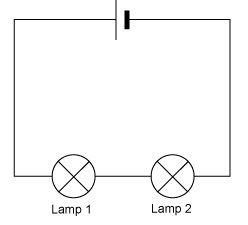
- 15What will happen if Lamp 1 breaks?In a PARALLEL CIRCUIT there
is more than one path for the current to follow.
Therefore, if Lamp1 breaks then Lamp 2 will continue to work.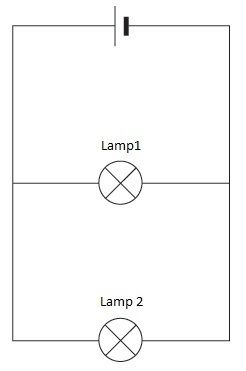
- 16The current leaving the cell is 4A. What would the current be at: - A1 - A2 - A3In a SERIES CIRCUIT the value of the current is the same at all points as there is only one path for the current to follow.
( A1 = A2 = A3)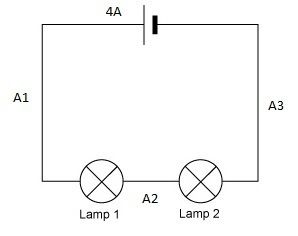
- 17What would the voltmeter readings be at: - V2 - V3V2 = 6V and V3 = 6V
In a SERIES CIRCUIT the voltage across each component will add up to the total voltage across the supply / battery.
(12V = V2 + V3) or (12 = 6 + 6).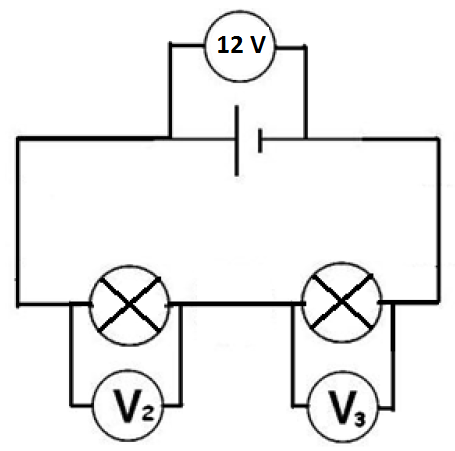
- 18What would the current be at: - A1 - A2 - A3In a PARALLEL CIRCUIT the value of the current in the branches adds up to the total current flowing.
However, more current will 'choose' to follow the easiest route around the circuit ie: the branch with a single lamp.
Therefore: A1 = 6A, A2 = 4A and A3 = 2A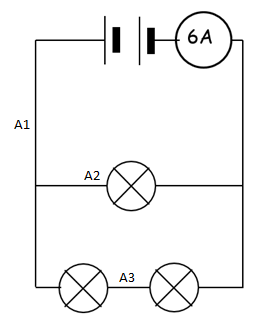
- 19What would the voltmeter readings be at: - V1 - V2 - V3In a PARALLEL CIRCUIT the voltage is the same across each 'branch' or 'strand.'
Therefore:
V1 = 10V
V2 = 5V
V3 = 5V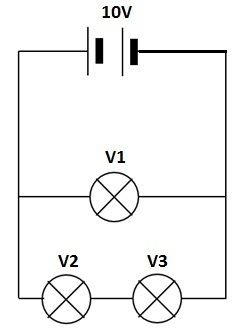
- 20—a = 3.6 A therefore g = 3.6A
b = 2.0 A = therefore c = 1.6 A & f = 1.6 A
d = 1.2 A therefore e = 0.4 A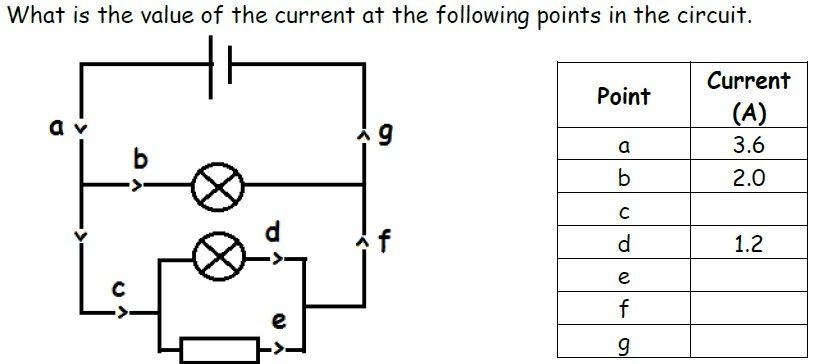
- 21What does this circuit symbol represent?A variable resistor.
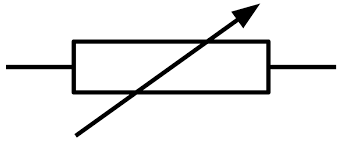
- 22A variable resistor is a resistor for which it is possible to alter the resistance. Variable resistors can be put into a circuit to control the current and the voltage. Suggest 2 household uses for variable resistors?Variable resistors can be used in:
- Dimmer switches
- Volume control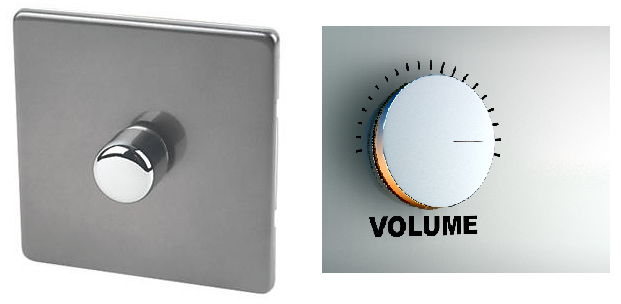
- 23Calculate the voltage across a 15 Ω fixed resistor, carrying a current of 1.8 A.V = I x R
V = 1.8 x 15
V = 27 V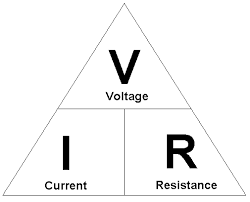
- 24Calculate the current through a 2 kΩ resistor when there is a voltage of 230 V across it.2 kΩ = 2,000 Ω
I = V ÷ R
I = 230 ÷ 2,000
I = 0.115 A - 25An electric fire with a current of 4 A flowing through it has a voltage of 230 V across it. Calculate the resistance of the wire in the electric fire.R = V ÷ I
R - 230 ÷ 4
R = 57.5 Ω - 26Describe and explain the voltage-current graph for a fixed resistor.The graph shows that:
- If voltage is doubled then
the current also doubles.
- The relationship between the
current and voltage is
directly proportional.
- The constant gradient of the graph means that the resistance remains constant and that the resistor obeys Ohm’s law.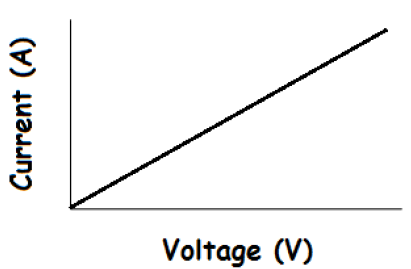
- 27Describe and explain the voltage-current graph for a filament lamp.Up to 2V current and voltage increase
at the same rate because the
resistance is constant (constant
gradient).
From 2V to 12V the current increases at
a slower rate than the voltage. The gradient is not constant so the resistance is no longer constant, therefore the filament lamp does NOT obey Ohm’s law.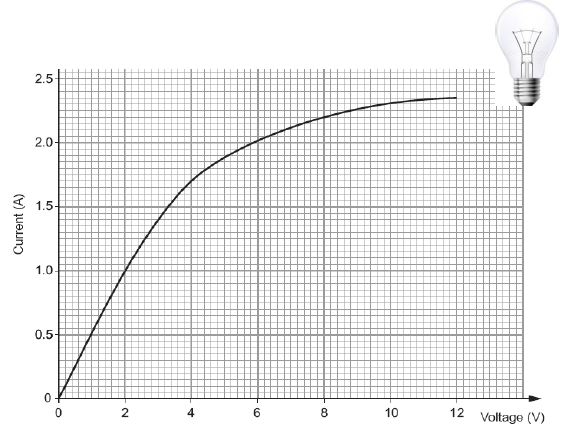
- 28This is a voltage-current graph for what type of component?A fixed resistor.
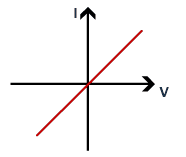
- 29This is a voltage-current graph for what type of component?A filament lamp.
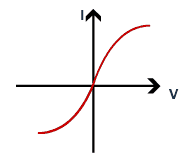
- 30This is a voltage-current graph for what type of component?A diode.
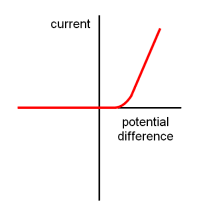
- 31If the total resistance of the circuit below is 12 Ω , calculate the resistance of R2.RT = R1 + R2 + R3
So: 12 = 2 + R2 + 4
So: R2 = 12 - 4 - 2
R2 = 6 Ω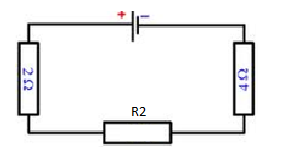
- 32—
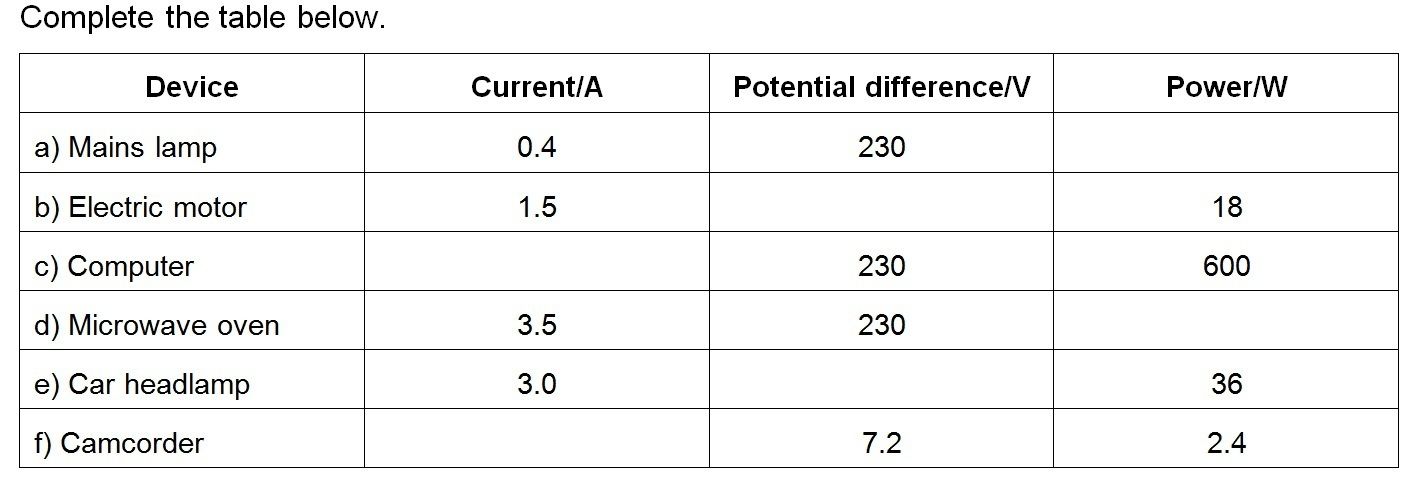
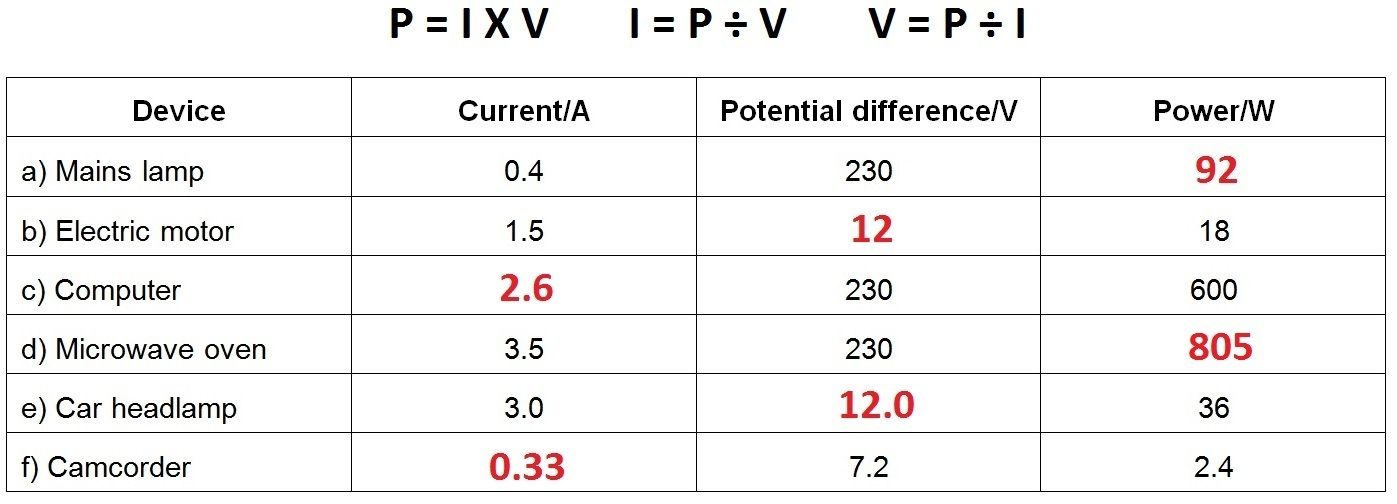
- 33What does electrical power mean?Power is the rate (per second) of energy transfer ie: the amount of energy a device can transfer from one form to another per second.
Power ( W) = Energy ( J ) + time ( s )
P = E + t
Power is measured in WATTs ( W ) where 1 Watt is 1 Joule of energy transferred in 1 second.
Información
- Descripción
- This topic explores the relationship between current and potential difference and develops the idea of resistance. It investigates how potential differences and currents are related in series and parallel circuits and how the total resistance in series and parallel circuits can be calculated. It introduces the concept of power in an electricalcircuit as the energy transferred per unit time and introduces the equations which enable the power transferred by an appliance to be calculated.
- Creado por
- Mr S Lee
- Visitas
- 945
- Etiquetas
- Valoración