
Fichas
Roman Sculpture Midterm 1
Fichas del conjunto (25)
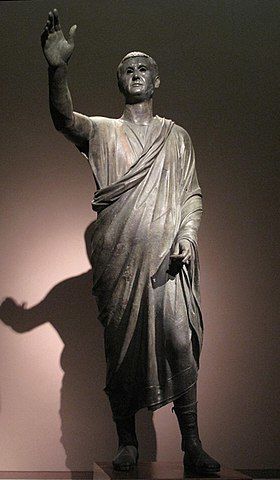
- 1—Aulus Metelus/"The Orator" Made from Bronze. Depicts senator in toga with one hand in adlocutio. 100-90BCE Style:Realism.
Importance:indicates the gradual Romanization of Etruscan art. A blend between Roman and Etruscan.
Wearing an official toga that indicates government business.
Culture:Etruscan. Location: Lake Tresimene - 2—Location:Florence. Dates: Late 4th c BCE.
Name:Head of a Boy
Could mean specialization between roman sculptures. Body Vs Head
Body and eyes made from different material than the head. First attempt at idealized expression.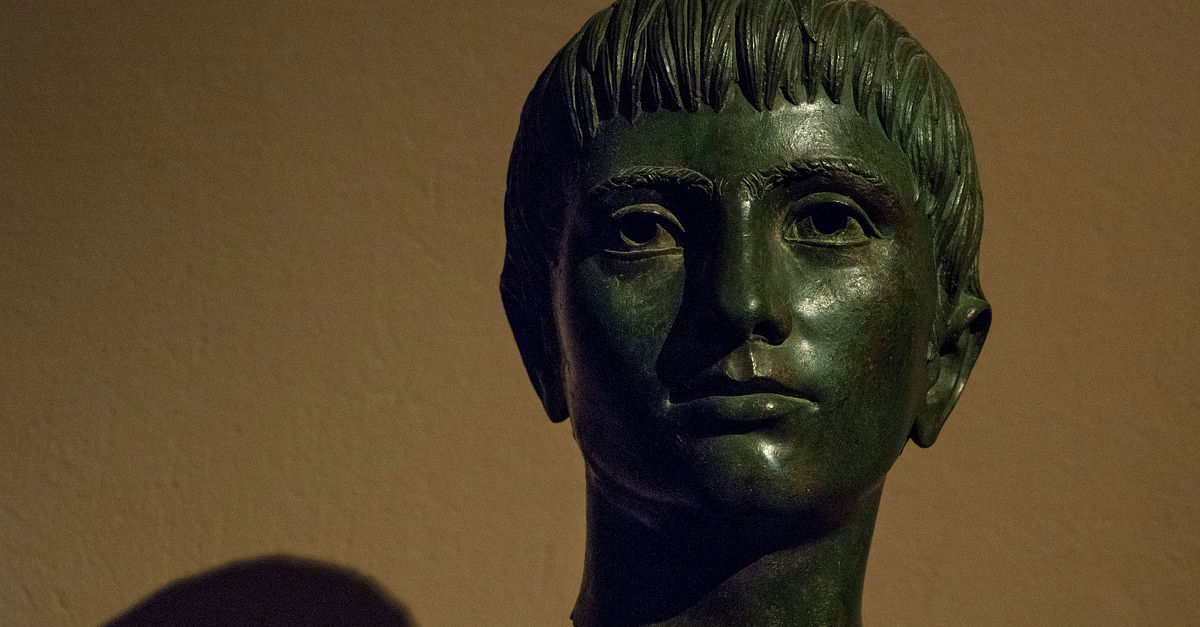
- 3AdlocutioGesture of making a speech. Gesture of power. One hand raised up.(See Aulus Metelus)
- 4VerismStyle of Sculpture: A branch of Realism. Hyper Realism showed all the wrinkles and real life look of a person. Showed grim/stern expressions. Different from greek art which depicted idealistic.
- 5—Lucius Junius Brutus
Date:300BCE
Location:Rome
Style:Realism
Made of bronze, eyes made of a different material.
Attention to hairstyle
and age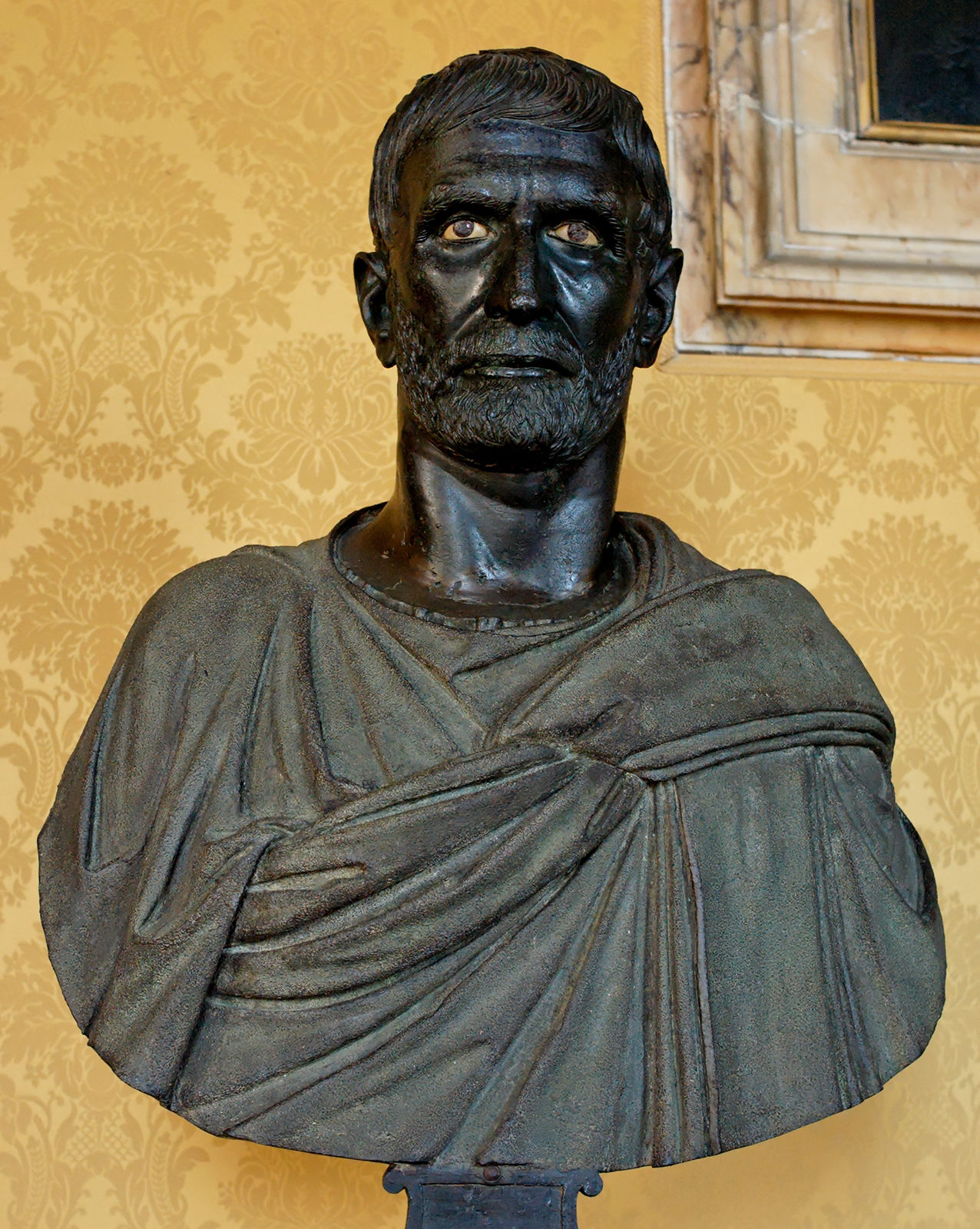
- 6—Old republican Man
Date:1st Century BCE
Location:
Style: Verism
Old age shows wisdom.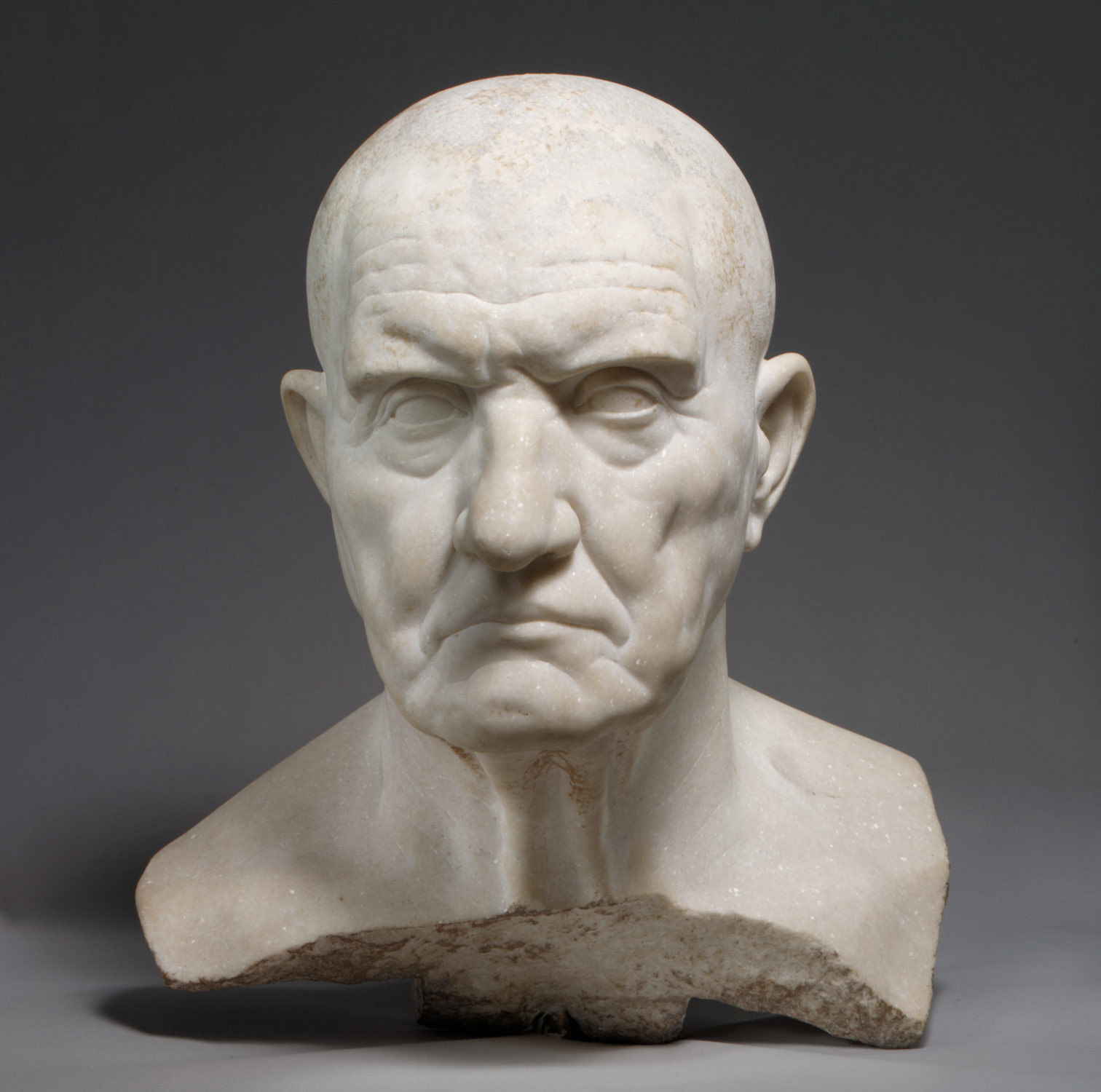
- 7Verism Theory 1 Photography TheoryStyle is chosen cause patrons/artists wanted to capture subject as accurate as possible.
- 8Verism Theory 2 Rebellion TheoryGreek artists made these marble statues with exaggerated features as an act of rebellion against their Roman oppressors.
- 9Verism Theory 3 Difference TheoryRoman patrons chose Verism to contrast themselves from their enemies.
Anti-Greek message - 10Verism Theory 4 Liberti TheoryStatues for dead/deceased
Maybe stern/older expression is because they worked hard for their life. - 11Verism Theory 5 Semioties TheorySemiotics:Any image has multiple different layers of meaning.
One message is to call attention to bureaucrats and their service. - 12—Name:Monument of L. Aemilius Paullus
Dates:168-167 BCE
Style: Roman Historical Relief
Raised when Aemilius defeated Greek king Perseus at battle of Pydna.
Originally built by Perseus as a shrine to Delphi.
Depicts Battle scene between Roman and Macedonians.
Shows riderless horse. Oracle predicted whoever started battle would win. Roman horse broke free and ran towards the Greeks. Greeks thought this was the attack and then attacked first.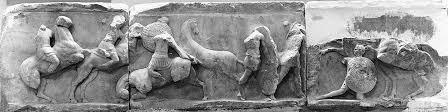
- 13—Name:Paris/Munich reliefs
Style:Hellenistic
Likely attached to a structure in Rome Circus Marchus.
Thiasos is mythological scene
Depicting marriage of Neptune and Amphitrite as well as other mythological beings
Census scene is other side
Depicting Mars and a census being taken
Animals going for sacrifice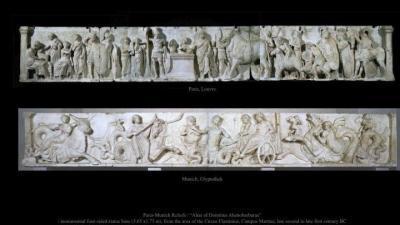
- 14—Portrait of Pompey
Location:Coppenhagen
Dates:55-50 BCE
Found in Licinian Tomb
Significance:
Similar style to portraits of Alexander the Great with head tilt and wild hair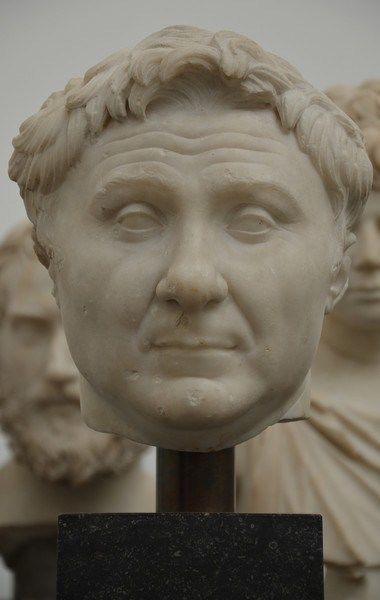
- 15—Portrait of Octavian as a boy
Style: Alcudia type
Dates:40-30 BCE
Location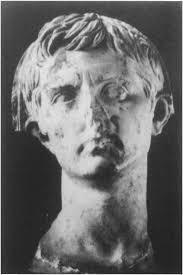
- 16—Name:Prima Porta
Discovered:1863
Location: Via Flaminia
Style:Idealized
Same pose as greek statue doryphoros.
Which depicts himself with the perfect body of a greek athlete
Copy of lost original bronze copy dated at 20 c BCE
His chest piece shows Roman and Gaul soldiers meeting. Exchange of standards that rome had lost.
Covered in mythological figures around frame. Jupiter, Apollo, Diana, Stags
Significance:Shows Augustus's supreme military power, the pose, the cuirass, leader of men and conqueror of his enemies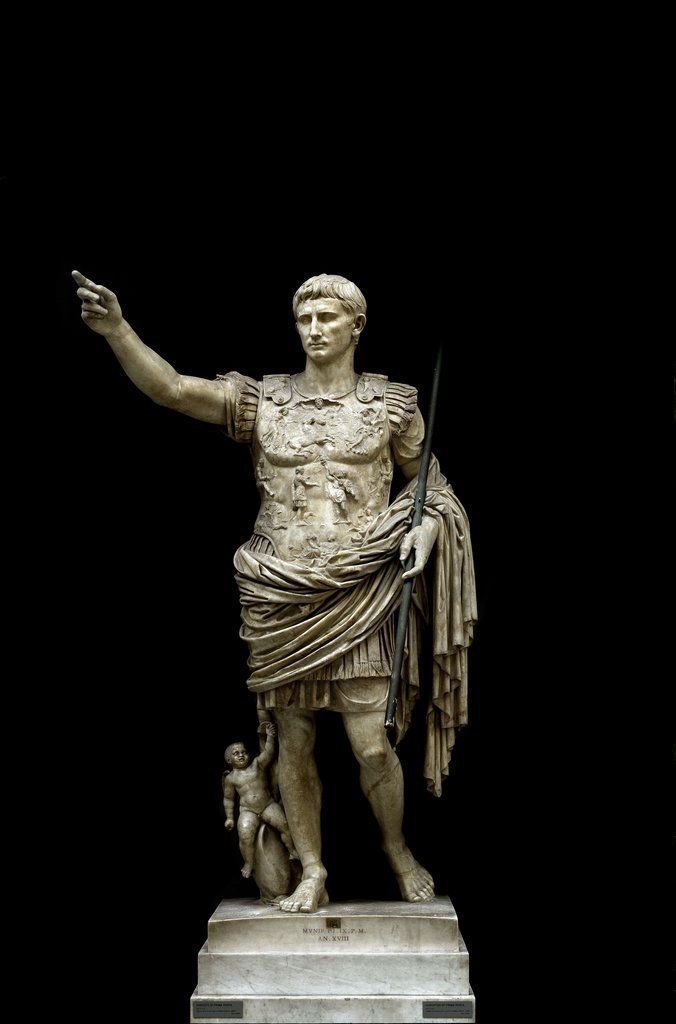
- 17Pax DeorumPax deorum (“peace of the gods”) denotes the central goal of Roman state religion: a mutually beneficial state of peace between Rome and its deities, with the gods safeguarding Rome's public welfare and the Romans providing the gods their desired worship and cult.
- 18—Julius Caesar Bust
Location:Tusculum
Date: c. 44 BCE
Style:Verism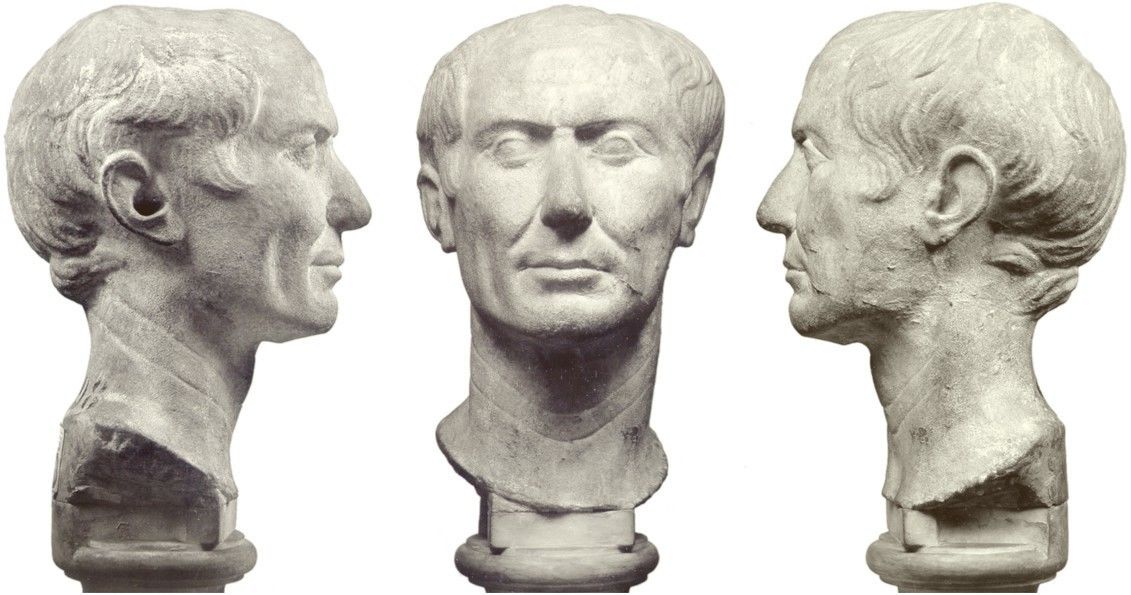
- 19—Sarcophagus of Lars Pulena (Tarquinia), 3rd c. BCE
Style:Etruscan Art
Significance: His face is wrinkled and reflects a Roman republican portrait style, which equates age with wisdom and leadership capabilities.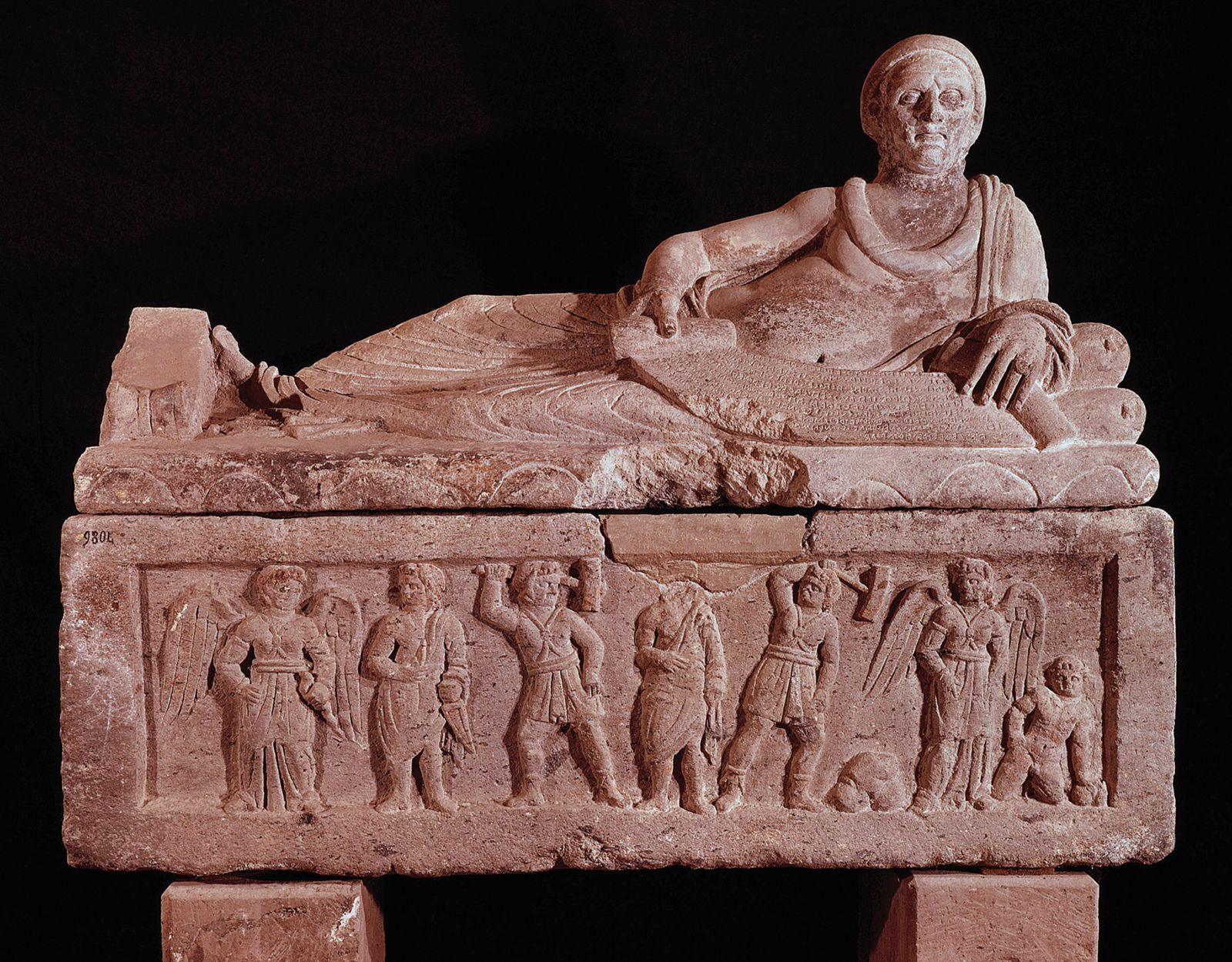
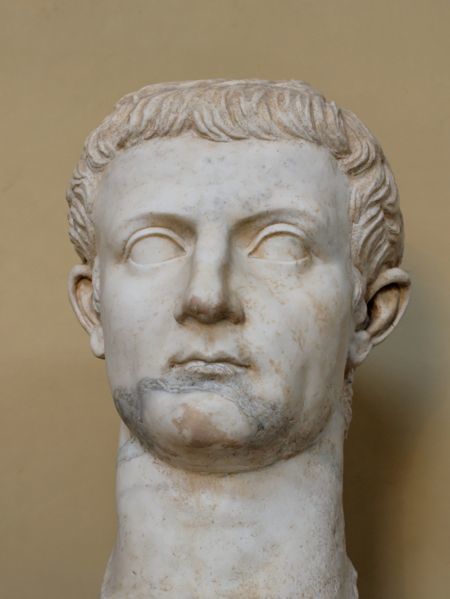
- 20—Tiberius
- 21—Name:Urna degli sposi
(Urn of the bride and groom)
Location:Volterra
Dates:2nd century BCE
Significance:
Shows elderly married couple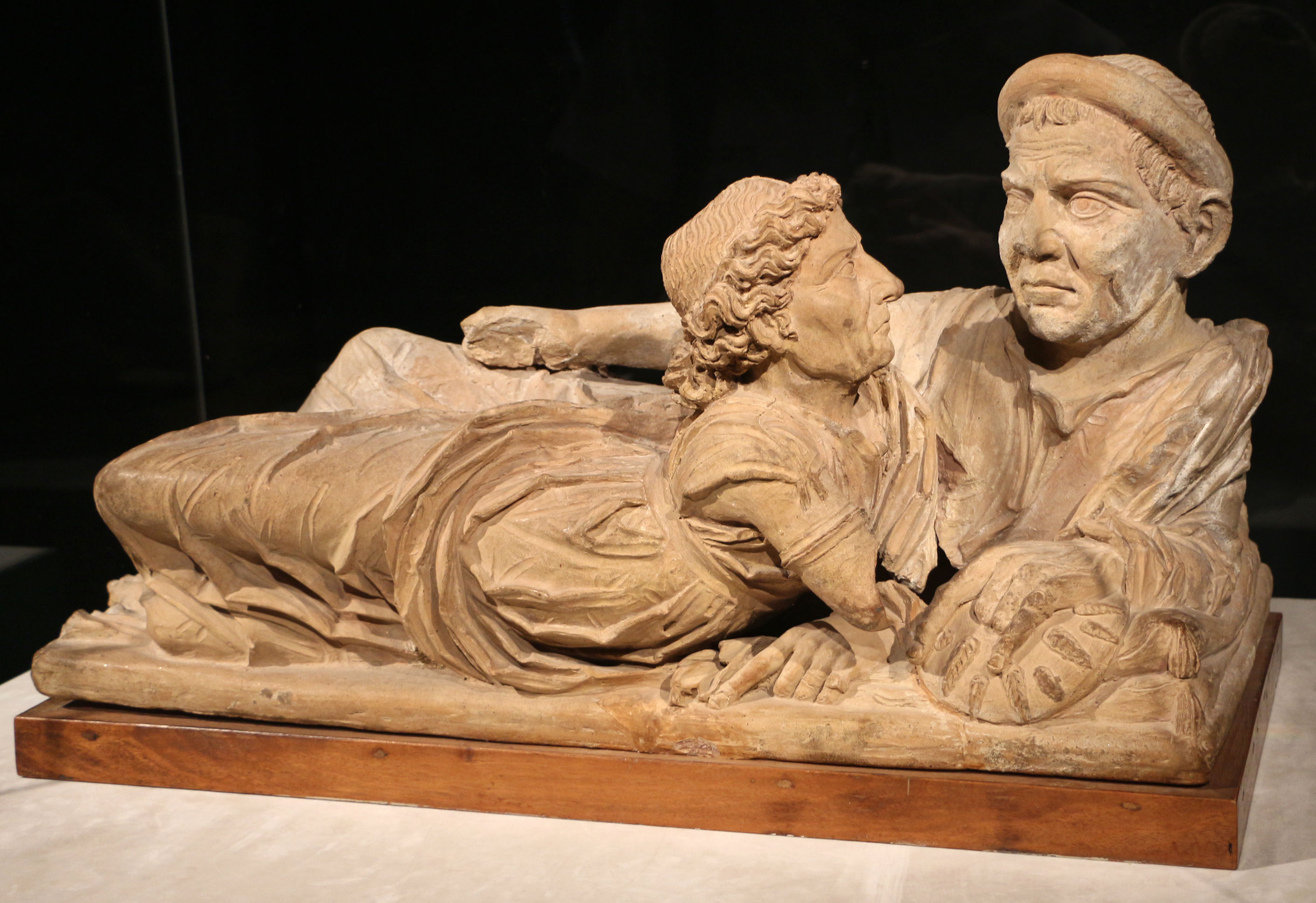
- 22—Augustus by land and sea
Date:20-60CE
Located:Aphrodisias in Asia Minor
Apart of Julio-Claudian Sebasteion.
From a group of originally 180 reliefs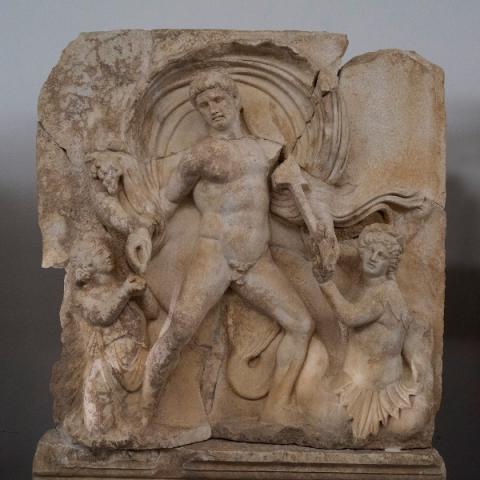
- 23—Licinius Relief from gravestones
Dates:30BC-10BC (circa)
Shows lower class citizens also had portraits commissioned.
The gravestone is surrounded by all the things that they did in their life.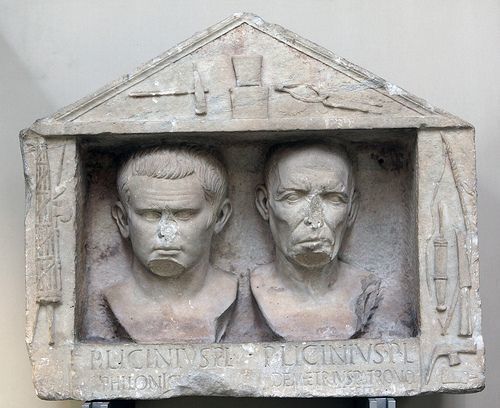
- 24—Valle Medici Reliefs
Date:43 CE
Significance:
Depicts all the monuments and temples that Augustus fixed during his lifetime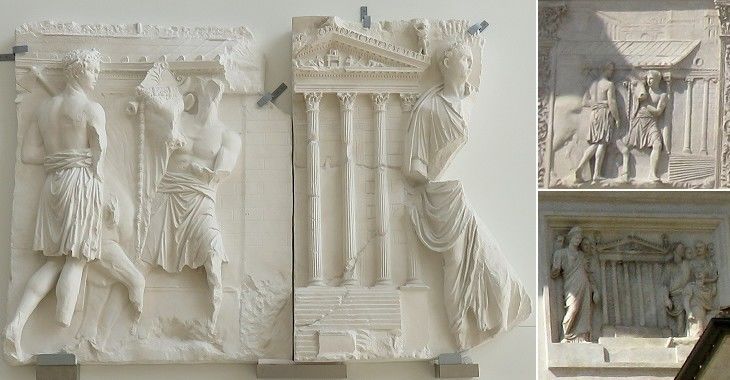
- 25—This isn't Caligula
Its Augustus...or is it?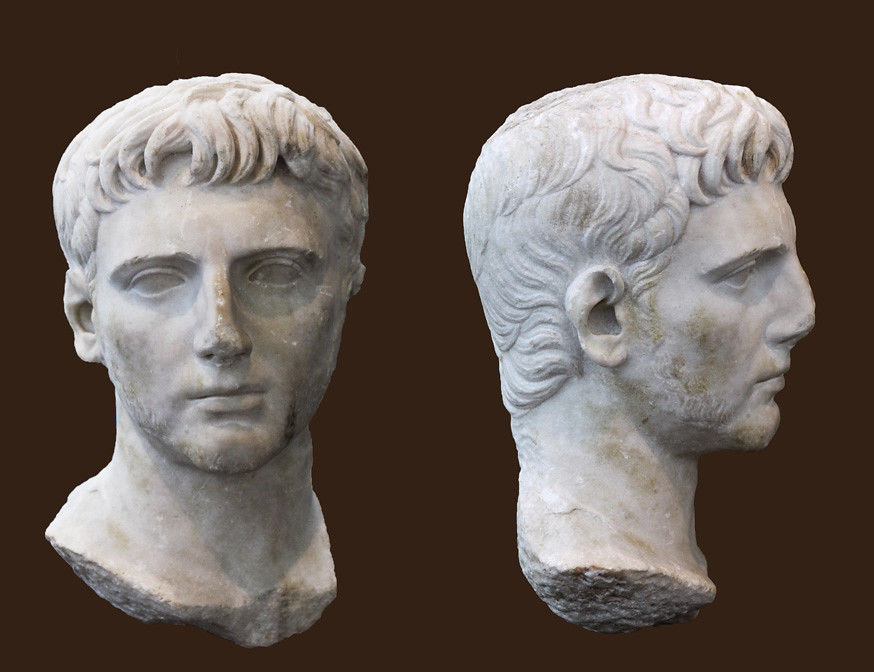
Información
- Descripción
- Sculpture Fichas sobre Roman Sculpture Midterm 1, creado por Eli Medina el 26/02/2020.
- Creado por
- Eli Medina
- Visitas
- 164
- Valoración