
Fichas
Opioids
Fichas del conjunto (65)
- 1Define - Analgesics - Narcotics - Opium - Opioid - Opiate- Analgesics: Agents that reduce pain + No loss of consciousness
- Narcotics: Agents that reduce pain + Loss of consciousness
- Opium: Crude extract of 20 alkaliods from Papavera Somniferum
- Opioid: Substances with morphine like effects
- Opiate: Natural Opioids - 2Name the first 4 amino acids in endogeneous opioid peptide- TYR-GLY-GLY-PHE
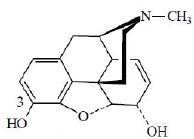
- They bind to the receptor - 3—- (-) Morphine
- Good analgesic agonist
- pH=7 ==> Acid form (N+)
- Must be protected or phenol will oxidize into inactive quinone - 4—- Benzoquinone
- Inactive metabolite of Morphine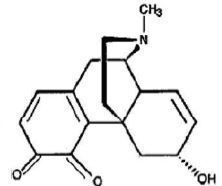
- 5—- 3-Deoxymorphine
- 10% potency of morphine
- Better lipophilicity
- Better bioavailability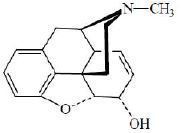
- 6—- Codeine
- Weak u agonist (15% morphine)
- Potent antitussive activity (for cough)
- Undergoes partial (10%) O-demethylation --> morphine (still addictive)
- Higher lipophilicity
- Higher bioavailability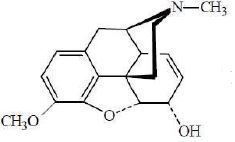
- 7—- Ethylmorphine
- 10% morphine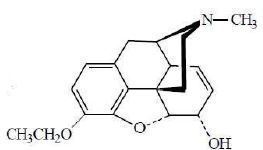
- 8—- 3-Monoacetylmorphine (3-MAM)
- Metabolite of Heroin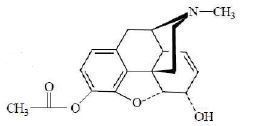
- 9—- Diacetylmorphine (Heroin)
- Weak u agonist
- More lipophilic --> Better CNS Distribution --> More potent than Morphine --> More popular for abuse
- Hydrolizes to give 6-MAM, 3-MAM, Morphine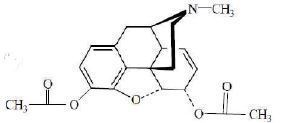
- 10—- 6-Deoxymorphine
- More lipophilic --> More potent
- x10 Morphine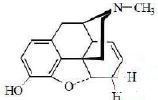
- 11—- 6-Methoxymorphine
- x5 Morphine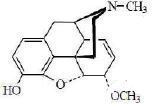
- 12—- 6-Ethoxymorphine
- x2.5 Morphine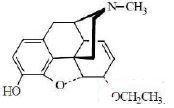
- 13—- 6-MAM
- Potent u agonist
- Active metabolite of Heroin (>potent)
- x4.2 Morphine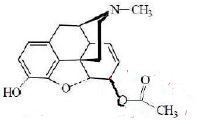
- 14—- Morphone
- 66% Morphine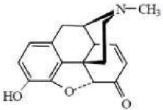
- 15—- Dihydromorphine
- x1.2 Morphine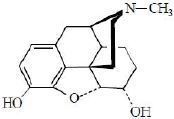
- 16—- Hydromorphone
- x5-6 Morphine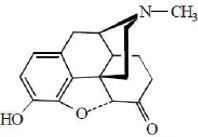
- 17—- Oxymorphone
- x10 Morphine
- More analgesic activity
- Less antitussive activity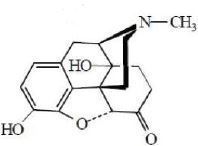
- 18—- Dihydrocodeine
- x1.15 Codeine
- 30% of Morphine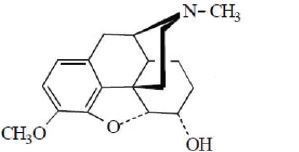
- 19—- Hydrocodone
- x5 Codeine
- 70% of Morphine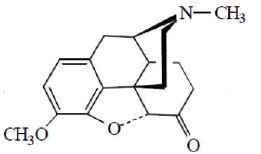
- 20—- Oxycodone
- Equipotent to Morphine
- x7 Codeine
- Better bioavailability than Morphine
- Less antitussive activity than Codeine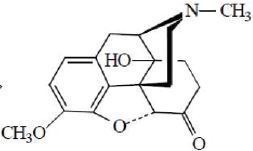
- 21—- Normorphine
- Less BBB penetration (Less active)
- Metabolite of Morphine and Codeine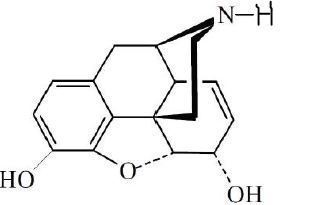
- 22—- N-phenethylnormorphine
- Very potent agonist activity (exception)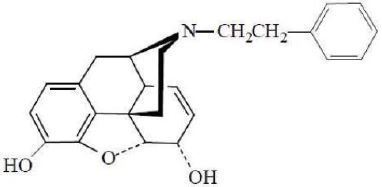
- 23—- Nalbuphine
- Mixed agonist/antagonist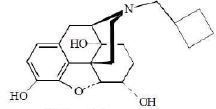
- 24—- Naloxone
- Pure nonselective antagonist
- Not orally active (First Pass Gluco)
- Short Half life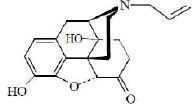
- 25—- Naltrexone
- Pure nonselective antagonist
- Given orally
- Gives active metabolite (B-Naltrexol)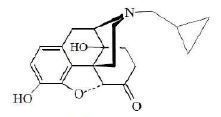
- 26—- 6B-Naltrexol
- Active metabolite of Naltrexone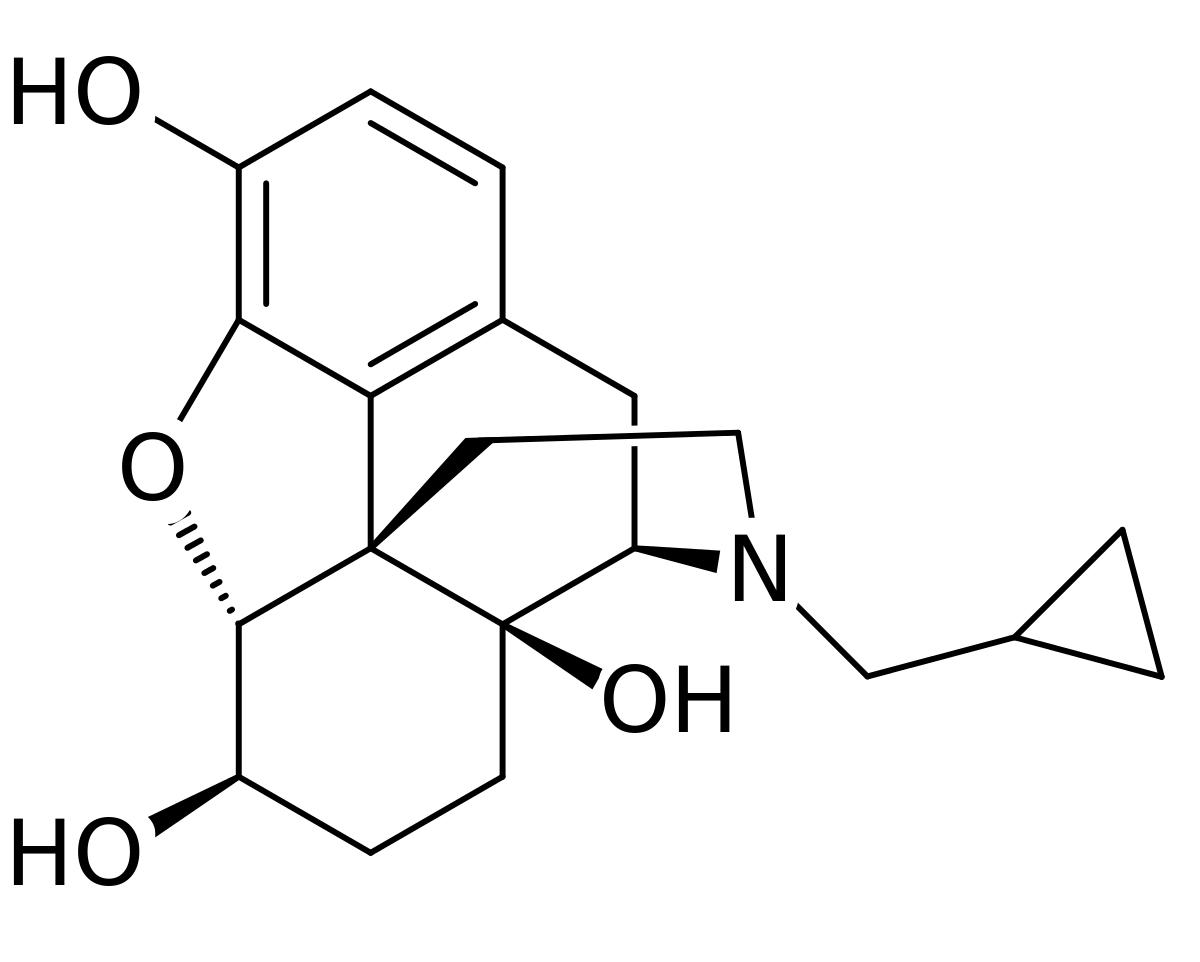
- 27—- Norcodeine
- Inactive metabolite of Codeine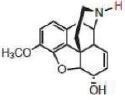
- 28—- Morphine-6-glucuronide
- Active metabolite of Morphine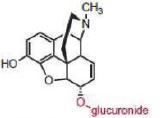
- 29—- Morphine-3-glucuronide
- Inactive metabolite of Morephine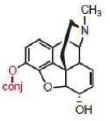
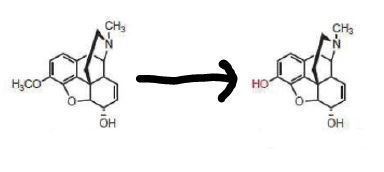
- 30- Name the 2 opioids - Name the CYP + Process - Elaborate on the CYP- CYP 2D6 polymorphisim (Fast or Slow)
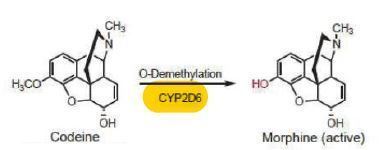
- 31—- (-) Levorphanol
- Strong u agonist
- x10 Morphine
- Chemical Class: Morphinane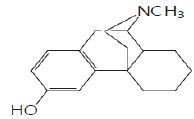
- 32—- Butorphanol
- Mixed Agonist/Antagonist
- Chemical Class: Morphinane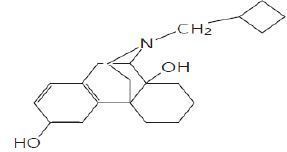
- 33—- (+) Dextromethorphan (3-Methoxydextrophan)
- Chemical Class: Morphinane
- Lacks analgesia
- Has antitussive activity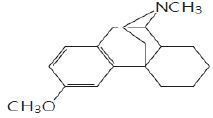
- 34—- Metazocine
- Potent u agonist (>Morphine)
- Chemical Class: Benzomorphane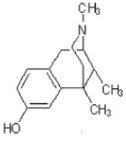
- 35—- Cyclazocine
- Mixed Agonist/Antagonist
- Chemical Class: Benzomorphane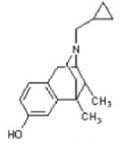
- 36—- Phenazocine
- Pure potent u agonist (> x10 Morphine)
- Chemical Class: Benzomorphane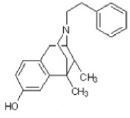
- 37—- Pentazocine
- Mixed Agonist/Antagonist
- Chemical Class: Benzomorphane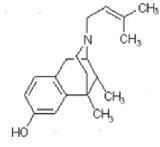
- 38—- Pentazocine + Naloxone
- Potent analgesic (oral)
- If given IV (abuse), Naloxone will antagonize Pentazocine --> Withdrawl Symptoms --> Discourage abuse
Note: Naloxone has no effect orally at 0.5 mg
- 39—- Meperidine (Demerol)
- 25% Morphine (analgesic)
- Chemical Class: Phenylpiperidine
- Short DOA (ester hydrolysis)
- Achiral (No isomers)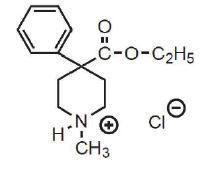
- 40—- Meperidinic acid
- Inactive metabolite of Meperidine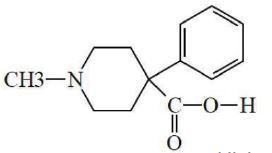
- 41—- Normeperidine
- Less active metabolite of Meperidine
- Longer half life
- Neurotoxicity (Seizures)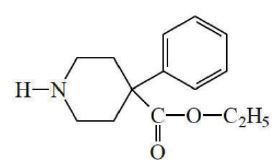
- 42—- MPPP ( N-Methyl Phenyl-4-Propionoxy Piperidine)
- Reverse Ester:
* Long DOA
* Good leaving group
- Decomposes into MPTP --> MPP+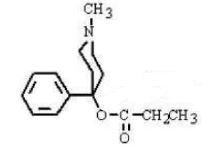
- 43—- MPTP (1-Methyl-4-Phenyl-1,2,3,6-TetrahydroPyridine)
- Metabolite of MPPP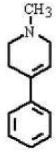
- 44—- MPP+ (1-methyl-4-phenylpyridinium)
- Metabolite of MPTP by MAO-B
- DA neuron damage --> Parkinsonism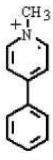
- 45—- Fentanyl
- Potent u agonist (x80)
- Chemical Class: Anilidopiperidines
- Very Lipophilic --> Fast penetration of BBB + High affinity u (Noncovalent bonds)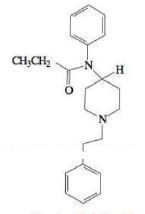
- 46—- Sufentanyl
- Potent u agonist (x800)
- Chemical Class: Anilidopiperidines
- Very lipophilic --> Fast penetration of BBB + High affinity u (Noncovalent bonds)
- So potent --> Used as anesthetic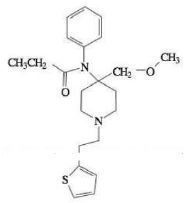
- 47—- Alfentanyl
- Potent narcotic analgesic (x20)
- Tetrazolinone makes it less lipophilic --> less potent than the rest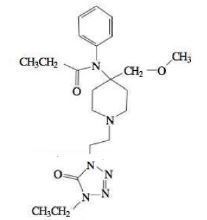
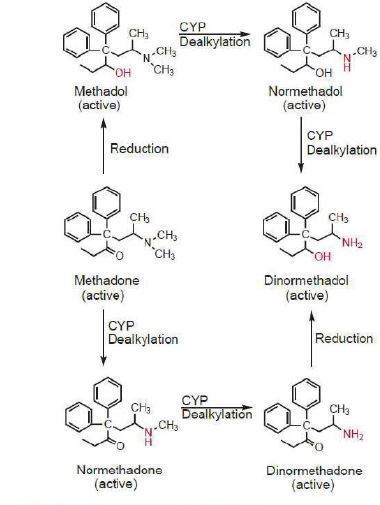
- 48—- Methadone
- u agonist (=morphine)
- Chemical Class: Diphenylheptane
- Same pharmacology and toxicology of Morphine except:
* Given orally
* Longer DOA
- Used on recovering addicts:
* Cross tolerance (Heroin)
* No needles (No HIV risk)
* Long DOA
* Not addictive
- Used on terminally ill patients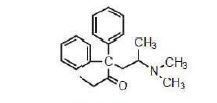
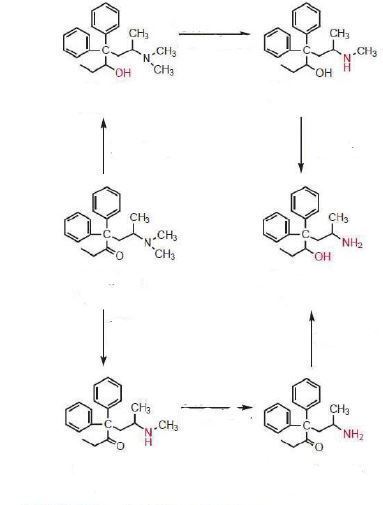
- 49—- Methadol
- Active metabolite of Methadone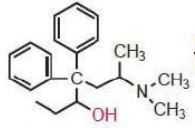
- 50—- Normethadol
- Active metabolite of Methadone/Methadol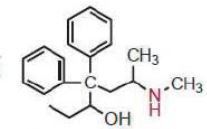
- 51—- Normethadone
- Active metabolite of Methadone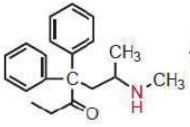
- 52—- Dinormethadone
- Active metabolite of Methadone/Normethadone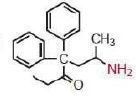
- 53—- Dinormethadol
- Active metabolite of Methadone/Methadol/Normethadol/Normethadone/Dinormethadone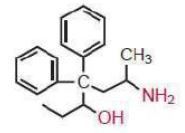
- 54—
- 55—- (+) Propoxyphene
- 10% Morphine
- Chemical Class: Diphenyl propionate
- Less abuse potential than Codeine
- Withdrawn from the market
* Used for suicide
* Causes arrhythmias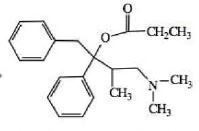
- 56—- Diphenoxylate
- Opioid agonist (min. analgesia)
- Chemical Class: Meperidine/Methadone hybrid
- Used for diarrhea (Slowing Intestinal Contractions)
- Rapid metabolism into Difenoxin (zwitterion) --> Limit CNS Penetration --> Limit abuse
- Addiction in high doses --> Lomotil (Diphenoxylate+Atropine)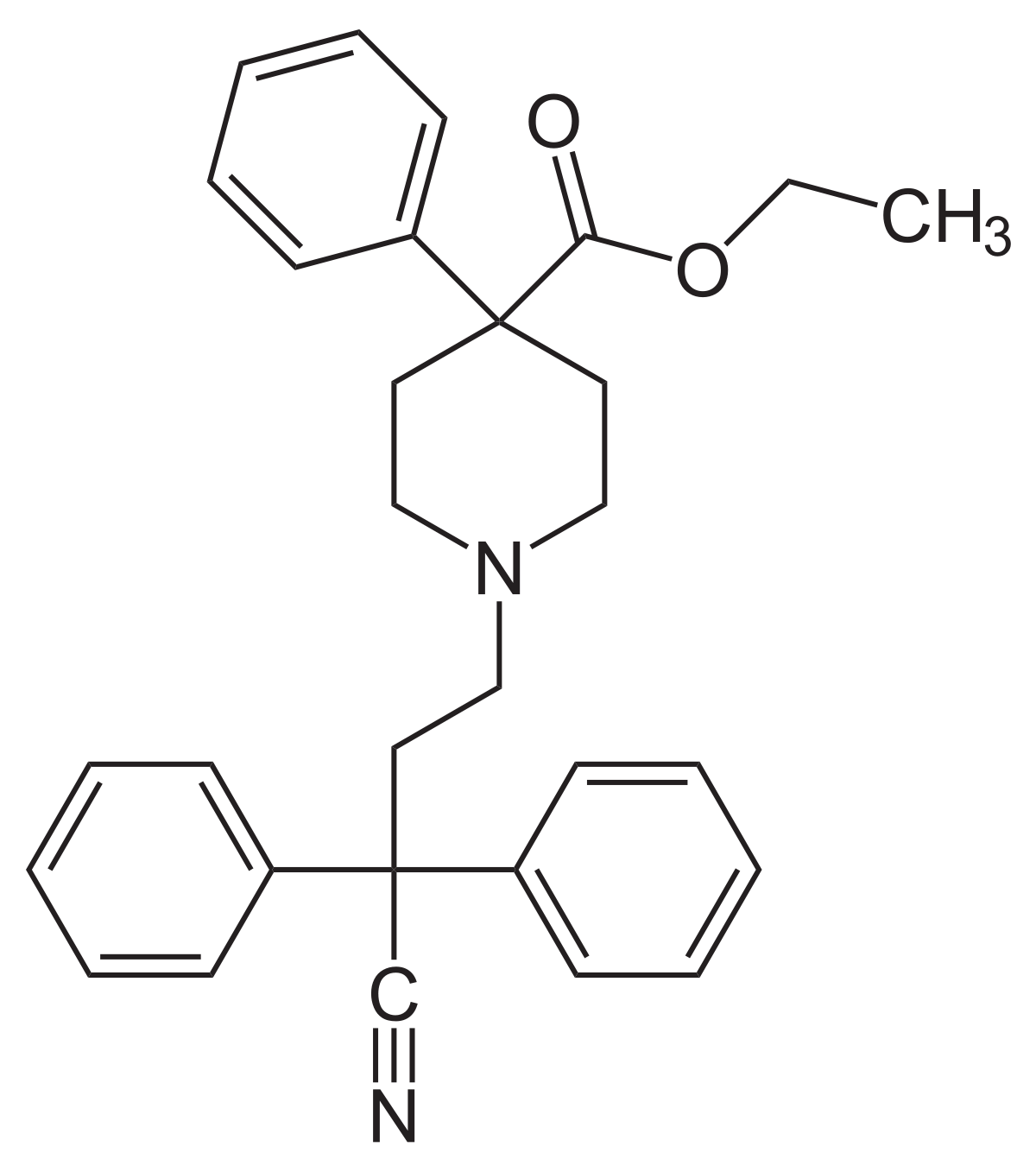
- 57—- Difenoxin
- x5 more active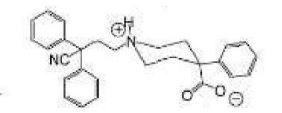
- 58—- Loperamide
- Opioid agonist + No analgesia (No BBB)
- Chemical Class: Meperidine/Methadone hybrid
- Orally active
- High lipophilicity
- Nonhydrolyzable amide analogue of Meperidine
- No central activity:
* Efflux protein P-gp
* First Pass Metabolism
* Low dissolution
- Low abuse potential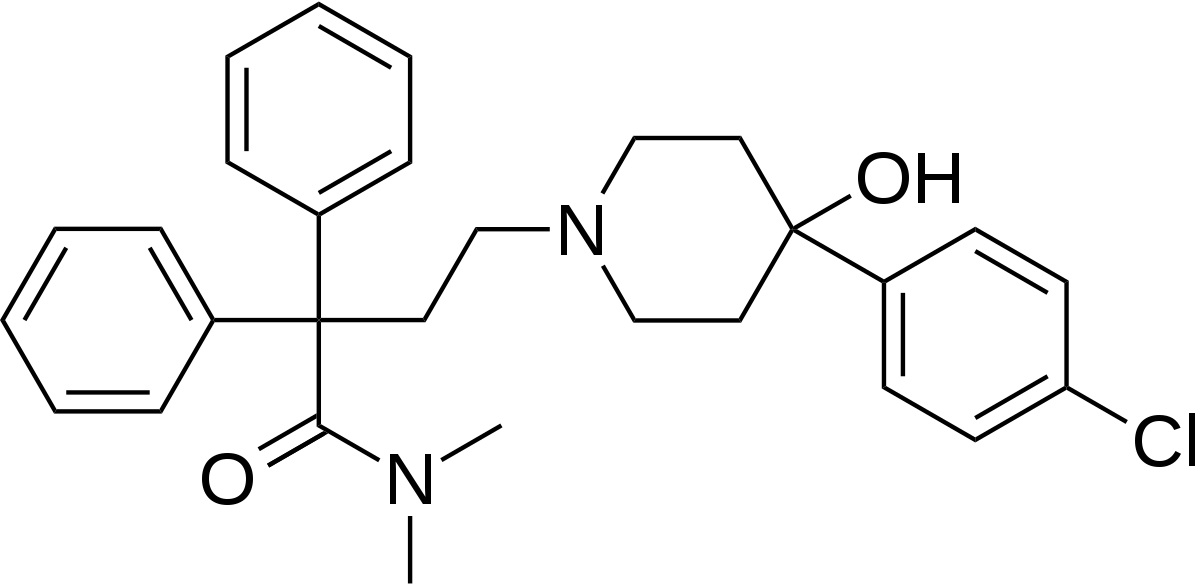
- 59—- Etorphine
- Extremey potent analgesic
- Chemical Class: Oripavine
- Sever resperatory depression
- Used on large animals (elephants)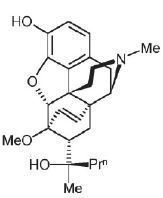
- 60—- Buprenorphine
- Partial u agonist
- Chemical Class: Oripavine
- x25-50 morphine
- Sligh longer DOA
- Moderate abuse potential (maintenance therapy)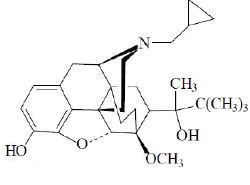
- 61—- Tramadol (Tramal)
- Weak u agonist (100-fold less)
- Orally active
- Opioid + Nonopioid analgesia --> Naloxone can't fully reverse effect
- O-demthylated metabolite is responsible for opioid activity
- Less resperatory depression than Morphine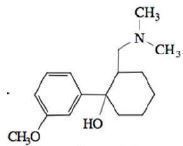
- 62—- Dezocine
- Mixed agonist/antagonist (Unknown Receptor)
- Equipotent to Morphine
- Only primary amine opioid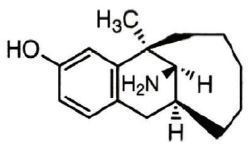
- 63Define: -Tolerance -Dependence- Tolerance: Decreased response to a drug with repeated use. Develops with most but not eye and GI opioids (Drug Present)
- Dependence: Withdrawl signs that develope cocurrently with Tolerance. (Drug Absent) - 64Withdrawl SymptomsFlu Like Symptoms (Severity inc. 2-3 days)
- Sneezing
- Lacrimation
- Weakness
- Depression
- Muscle cramps, Nausea, Vomting, Diarrhea
- Agitation, Poor sleep
- dysphoria
- Increased HR, BP - 65Side Effects- Euphoria
- CNS Depression
- Nausea+Vomiting
- Resperatory Depression
- Urinary Retention
- Diaphorisis+Flushing
- Miosis
- Constipation
- Itching
Información
- Descripción
- Lebanese American University - Medicinal Chemistry 1
- Creado por
- Majd Fawaz
- Visitas
- 581
- Valoración