
Fichas
Local Anesthetic
Fichas del conjunto (43)
- 1True or False LA and Analgesics work in a similair way with almost identical effects- False
- Unlike Analgesics, LA do not interact with pain receptors and dont interfere with the biosynthesis or release of pain mediators
- They don't cause loss of consciousness - 2How do Local Anesthetics work?- LA binds to Na+ channels --> Block nerve conduction: No action potential generated + Decrease excitation of nerve
- Cause loss of motor fucntion
- Channel preference: Inactivated>Open>Closed - 3Tetradotoxin Saxitoxin- Marine neurotoxins
- They bind IRREVERSIBLY to Na+ channels --> No depolerization until a new channel is synthesised
- Cause paralysis of the resperatory muscle
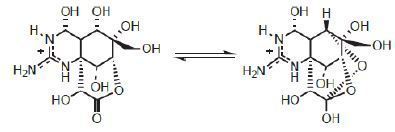
- Relaxtion of the VSM --> Hypotention - 4—- Tetradotoxin (TTX)
- Left is lactone form
- Right is hemiacetal form - 5Centruriodes- Scorpion venom
- Not toxic to humans
- Not addictive
- Showed efficacy in Neuroblastoma - 6—- Saxitoxin (STX)
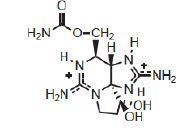
- 7—- Cocaine
- Has anesthitc properties
- Addictive, Allergies, Chemical Instability, Toxic
- Many side effects
- Causes withdrawl when discontinued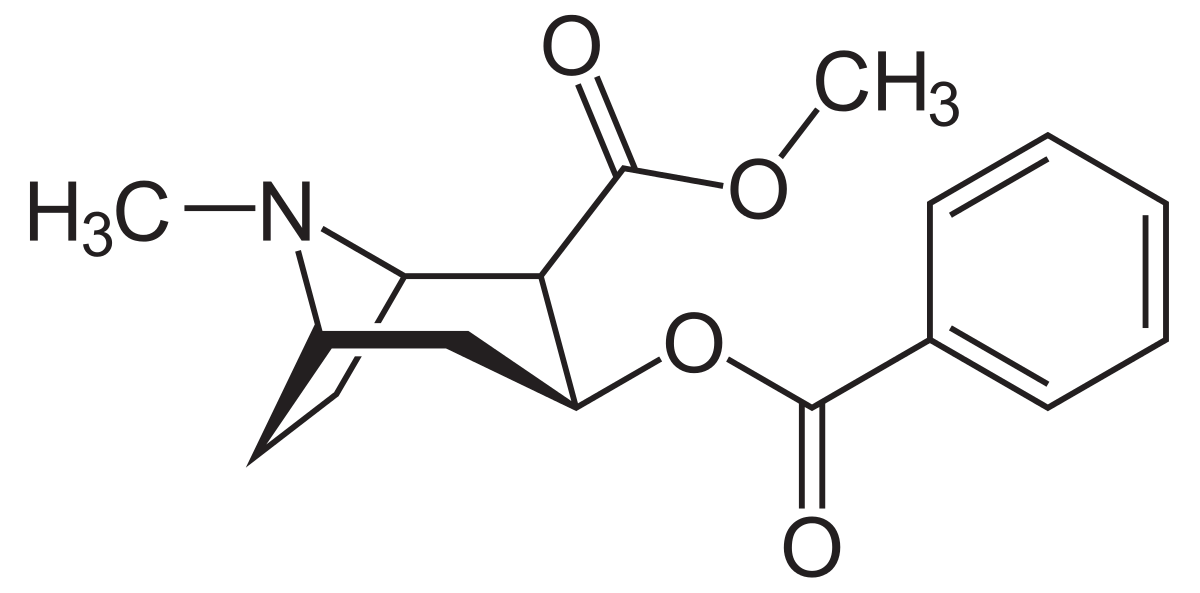
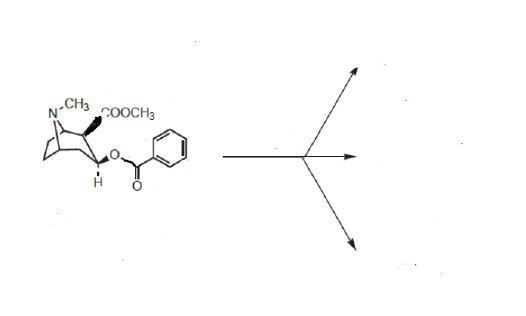
- 8—- All inactive metabolites
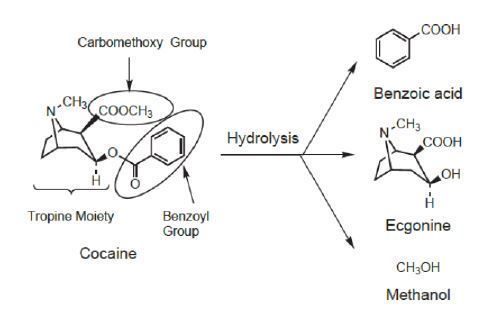
- 9—- Atropine
- Cocaine analogue
- Has little anesthetic activity
- Causes eye irritation at doses that cause local anesthesia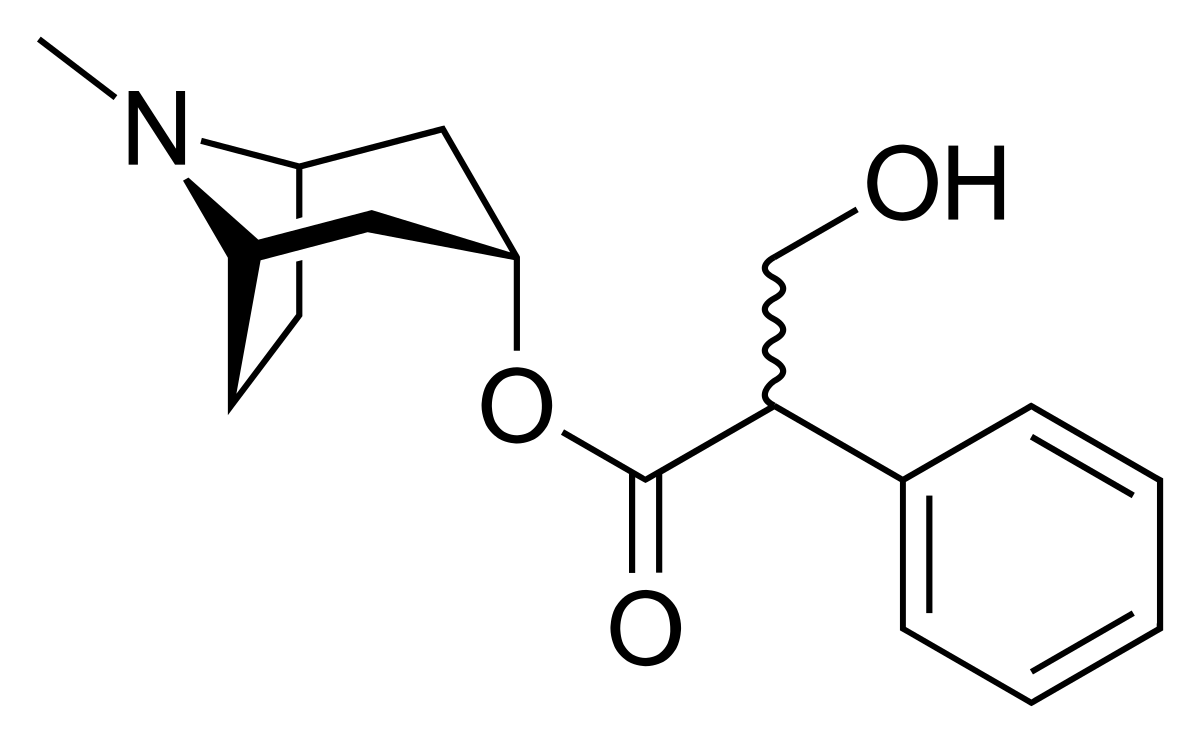
- 10- Homatropine- More potent than atropine
- Less irritating to the eye
- Still a weak anesthetic agent - 11—- Benzoyltropine
- Strong LA
- No addicition (no 2-carbomethoxy)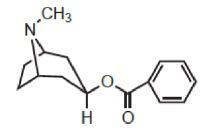
- 12—- Benzocaine
- Good anesthetic properites + Low toxicity
- No basic 3-N --> Not water solubility --> No paranteral use --> Topical use only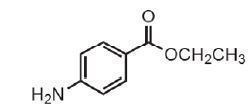
- 13—- Procaine
- Prototype for LA
- Low potency + Short DOA
- Needs vasoconstrictor
- Is synthesized in slight acidic medium to preserve shelf life
- No autoclaving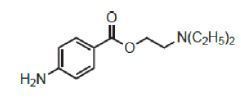
- 14—- Isogramine
- Has LA activity (serendipitous)
- Led to the synthesis of Lidocaine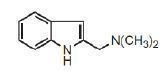
- 15What are the 3 parts that make up the structure of most LA1) Lipophilic aromatc ring
2) Linker of various lenght
3) Amino group - 16SAR: Intermediate Chain- Short alkyl chain (1-3 carbons)
- Linked to aromatic ring via functional group (ester or amide)
- Branching hinders hydrolysis => Longer DOA - 17SAR: Aromatic Ring- Essential for binding
- More lipophilic subs. --> More potent
- For amino-esters:
*ortho/para e- donating subs. --> Inc. potency
* e- withdrawing groups dec. potency
- For amino-amides:
*o,o dimethyl subs --> Inc. DOA - 18Analyze its LA activity- The methyl group between the ester and the ring prevents resonance --> Less potent

- 19—- Proparacaine
- Amino group (meta) doesn't do resonance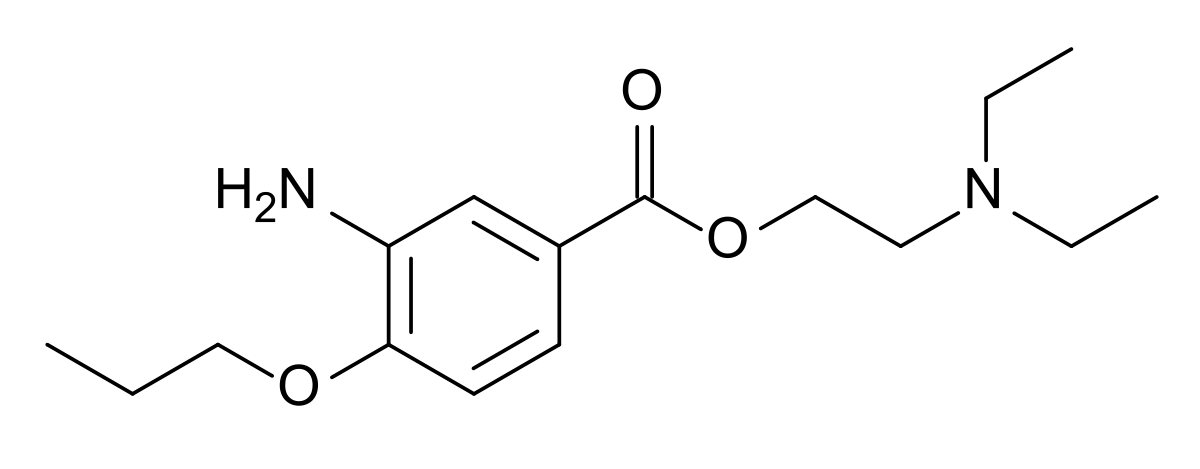
- 20—- Benoxinate
- Alkyloxy group (meta) doesn't do resonance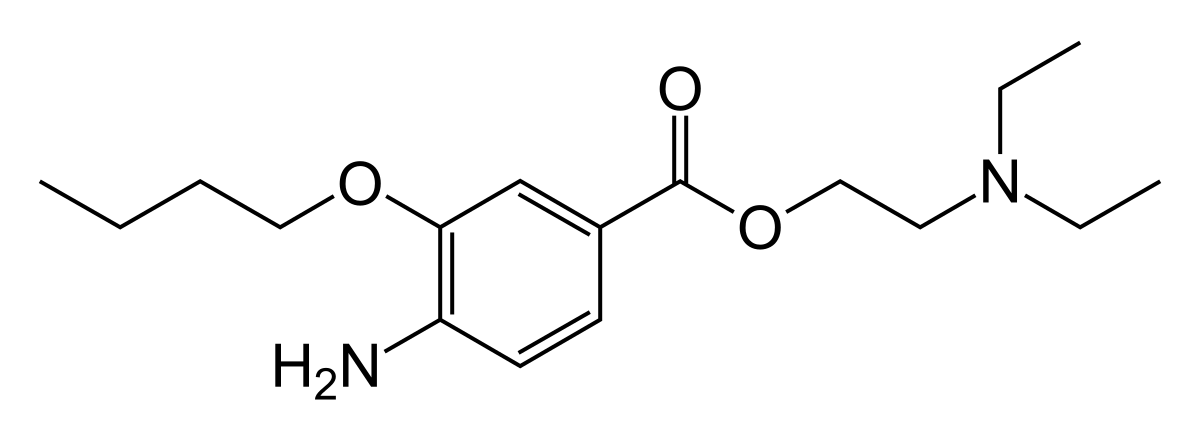
- 21—- 2-Chloroprocaine
- Chloro is e- withdrawing --> ester is more susceptible to hydrolysis + Less zwitterion --> Short DOA + Less potent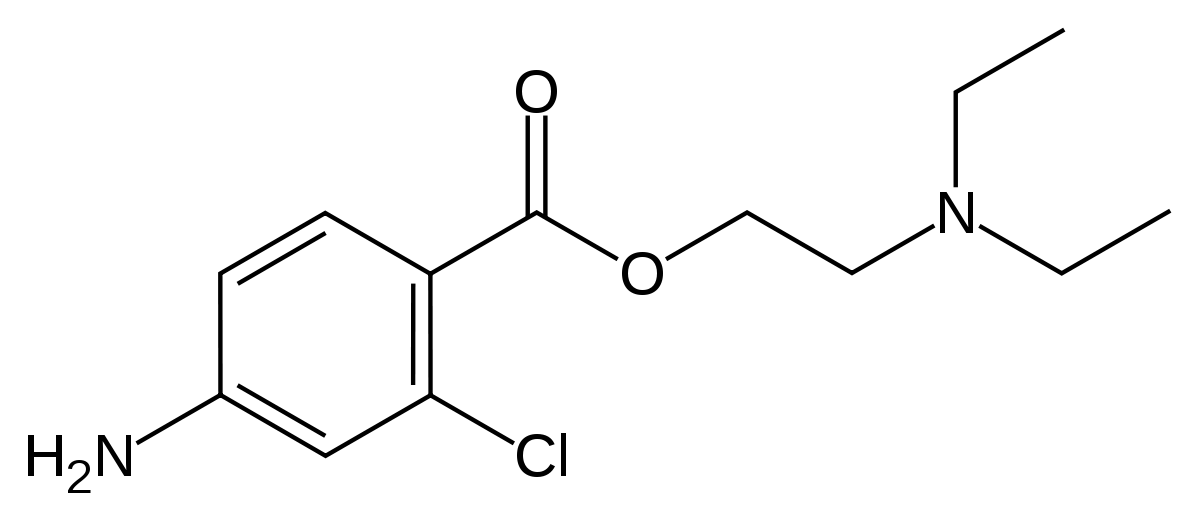
- 22—- Propoxycaine
- Propoxy group protects the ester from hydrolysis --> Long DOA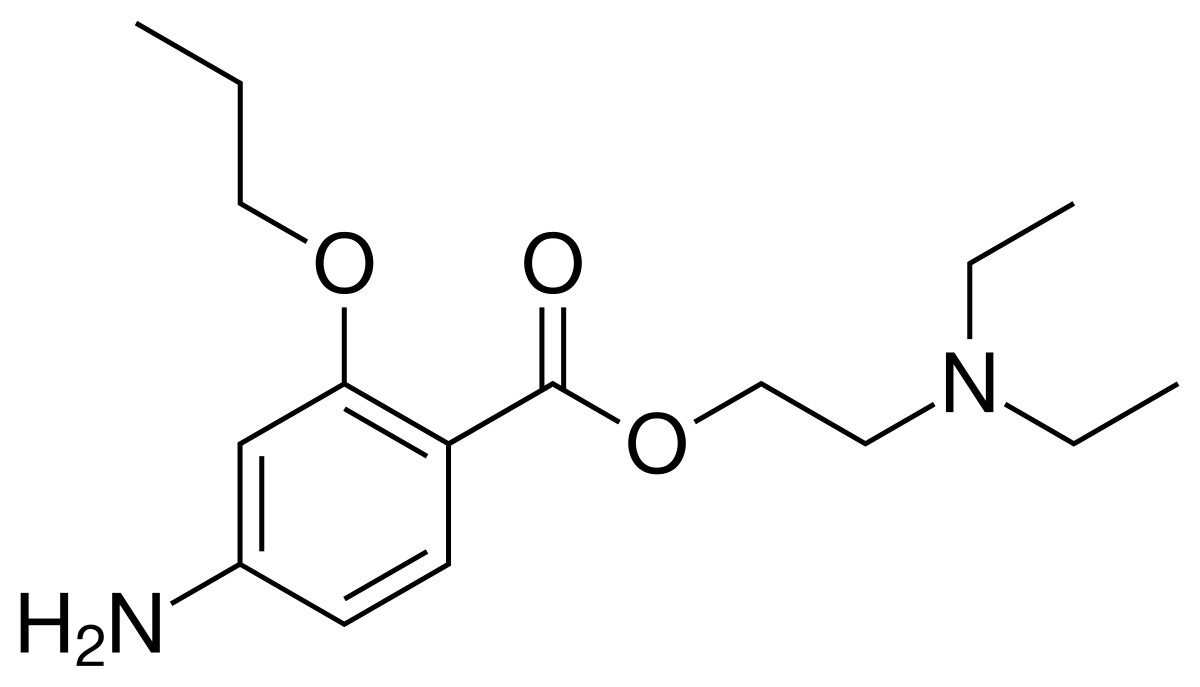
- 23—- Tetracaine
- x50 Procaine:
* Increase lipophilicity --> Increase topical potency
* N-butyl is e- donating --> Longer DOA
- Overdose may produce CNS toxicity and seizure activity
- Hypersensitivity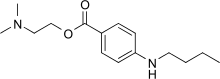
- 24SAR: Hydrophilic Portion- 3-amine --> Water soluble salts
- Can be 2nd or 3rd amine or part of a cycle
- Onium ion produced is involved in the binding to Na+ channel (necessaty debatable) - 25—- Hilles Theory
- 1 binding site for un/ionized N
- Ionized (external) binds to hydrophilic BS (when channel opens)
- Lipid soluble LA:
* Diffuse --> Bind to hydrophobic BS (nonbasic LA)
*Diffuse --> Protonate --> Bind to Hydrophilic BS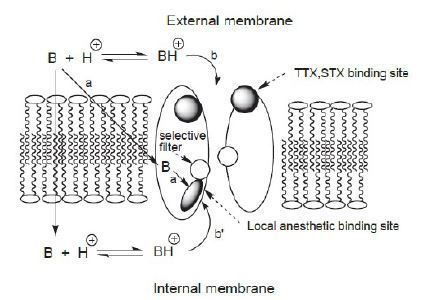
- 26—- Lidocaine
- Most comman LA (amino amide)
- Very lipophilic --> Very rapid onset
- Lipophilic --> Central effect + CNS toxicity
- Has antiarrhythmatic effect
- Causes vasodilation (give vasoconstrictor)
- More stable in aqueous solution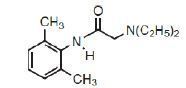
- 27—- Mepivacaine
- Pharmacological and toxicological profile similair to Lidocaine
- Slight longer DOA
- No vasodilation (no need for vasoconstrictor)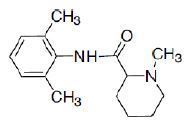
- 28—- Bupivacaine
- Increased potency and DOA
- Cardiotoxic (affinity to cardiac tissue)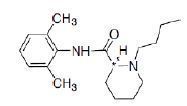
- 29—- Levobupivacaine
- Same LA activity as Bupivacaine
- Less cardio/CNS toxicity
- More selective to sensory compared to motor neuron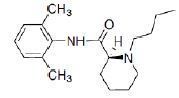
- 30—- Ropivacaine
- Propyl analogue of Mepivacaine and Bupivacaine
- Has the LA potency and DOA of Bupivacaine
- Less cardio/CNS toxicity
- More selective to sensory compared to motor neuron
- Has inherent vasoconstriction ability (no need for vasoconstrictor)
- Not used as a racemic mix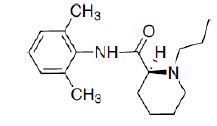
- 31—- Articaine
- Used in dentistry:
* Fast onset (Very Lipo)
* Short DOA (ester)
- Gives inactive metabolite (water-soluble CA)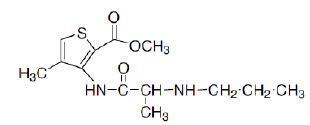
- 32Name the LA with chiral centers- Bupivacaine
- Etidocaine
- Mepivacaine
- Prilocaine - 33Name the LA that are marketed in their Levo form- Ropivacaine
- Levobupivacaine - 34True or False The Levo isomer shows significant decrease in CNS and cardiotoxicity- True
- Ex: Levobupivacaine - 35True or False Amide and ester type LA can be sterilized using heat- False
- Ester bond is too weak in terms of hydrolytic stability to withstand high temperature - 36- Describe the relationship between lipophilicity and 1) Onset of Action 2) Water Solubility 3) Potency 4) DOA 5) Toxicity1) Fast onset
2) Decreased water solubility (paranteral unavailability)
3) Increased potency
4) Short DOA
5) Increased toxicity - 37- Administration of LA in a carbonic acid-carbondioxide solution as suppose to hydrochloride salt would improve time of onset and DOA, however it is unpractical...Why?- Being unionized, it will not be water soluble and will precipitate, inhibiting it from being injected.
- 38—- PABA (para amino benzoic acid)
- Responsible for the hypersensitivity reaction patients have to ester-type LA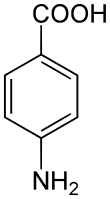
- 39Side effects of LA- Hypersensitivity (ester-type)
- Cardiovascular depression
- Block NMJ
- Relaxation of non/vascular smooth muscle
- Amide-type LA: convulsion followed by sever CNS depression
- Prilocaine: metabolised into o-toluidine --> methemoglobinemia - 40—
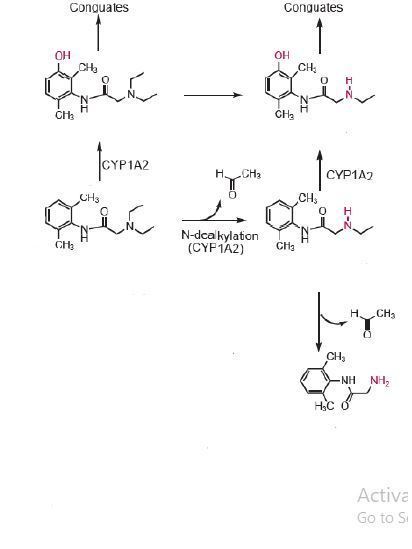
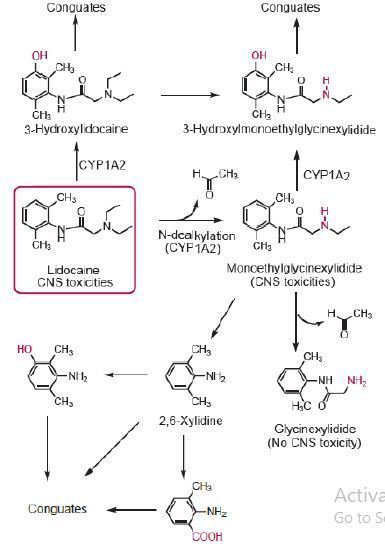
- 41—- Tocainide
- Used as antiarrhythmatic
- Was prepared to minimmize the CNS toxicity of Lidocaine
- No subs on N
- a-methyl to prevent MOA metabolism
- Has LA activity (not used)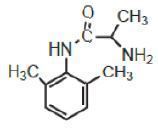
- 42—- Tolycaine
- Used as antiarrhythmatic
- Prepared to minimize CNS effects of Lidocaine
- The ester is hydrolyzed into polar carboxylate group --> No BBB penetration --> No CNS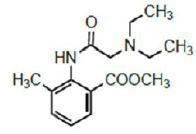
- 43DDI- Ester-type LA and cholinesterase inhibitors: They will prolong LA activity and/or toxicity
- Ester-type LA and Sulfonamide: It will prevent antibiotic from working
Información
- Descripción
- Lebanese American University - Medicinal Chemistry 1
- Creado por
- Majd Fawaz
- Visitas
- 604
- Valoración