
Fichas
OS
Fichas del conjunto (5)
- 1booting the computerBooting is a start-up sequence that starts the operating system of a computer when it is turned on. A boot sequence is the initial set of operations that the computer performs when it is switched on. Every computer has a boot sequence.
- 2Performs basic computer taskscontrols the backing store and peripherals such as scanners and printers
deals with the transfer of programs in and out of memory
organises the use of memory between programs
organises processing time between programs and users
maintains security and access rights of users
deals with errors and user instructions
allows the user to save files to a backing store
provides the interface between the user and the computer - for example, Windows Vista and Apple OSX. For more information, see the User Interfaces Revision Bite. - 3Provides a user interfaceCommand-Line Interface (CLI): The user provides the input by typing a command string with the computer keyboard and the system provides output by printing text on the computer monitor (Wikipedia).
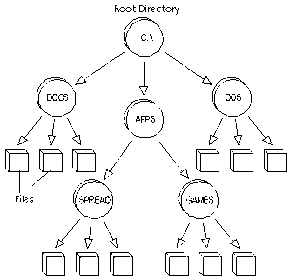
Graphical User Interface (GUI): The use of pictures rather than just words to represent the input and output of a program (Linuxjunkies). Input is accepted via devices such as keyboard and mouse. - 4Provides file managementFile management describes the fundamental methods for naming, storing and handling files. By using appropriate file and folder naming strategies, along with good metadata practice and catalog software, you can make the most of your image collection.
- 5Handles system resourcesA resource, or system resource, is any physical or virtual component of limited availability within a computer system. Every device connected to a computer system is a resource. Every internal system component is a resource. Virtual system resources include files (concretely file handles), network connections (concretely network sockets), and memory areas. Managing resources is referred to as resource management, and includes both preventing resource leaks (releasing a resource when a process has finished using it) and dealing with resource contention (when multiple processes wish to access a limited resource).