
Diagrama de flujo
Ingles
Contenido del diagrama
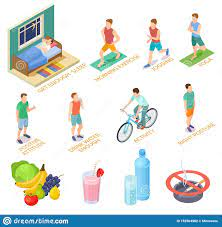
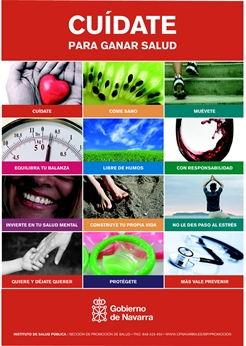
We call healthy habits to all those behaviors and behavior that we have assumed as our own and that practically affect our physical, mental and social well-being . Healthy lifestyles / lifestyles are of great importance in promoting health and preventing mental illness in general, not just depression. Healthy lifestyle habits can be summarized in the following
Healthy habits
Unhealthy Habits
1. Eat a balanced diet.
2. Have proper personal hygiene (including oral hygiene).
3. Have an optimal sleep pattern and quality.
4. Doing physical activity
.5. Avoid toxic habits: do not smoke or use drugs, do not drink alcohol in excess and avoid it completely if you have a history of alcoholism.
6. Plan the day
.7. Always keep a positive actitude
.8. Avoid unnecessary stress.
9. Learn more about depression
Unhealthy habits that not only affect weight loss but also your health in general has to do with not sleeping the necessary hours. While we sleep, our body regenerates and processes the information of the whole day
Well, for this, you have to try to eliminate these five bad health habits: smoking, not exercising, being overweight, drinking too much alcohol and eating an unhealthy diet
1. Exercise before having breakfast
2. Chewing gum as a substitute for brushing
3. Avoid certain foods with a bad reputation
4. Drink at least 2.5 liters of water a day.
5. Cleaning your ears with cotton buds.
6. Do not get angry
7. Eat for two during pregnancy.
8. Sleep 8 hours daily
9. Take vitamin C to cure diseases
10. Avoid the sun
10 unhealthy habits
10 Healthy Habits
HEALTHY AND UNHEALTHY HABITS
In Short Stories we bring together those narrative texts from universal literature, be they short stories, micro-stories, call it what you want, which offer us a story that anyone could consider short, so much so that it can be read without too much effort on the computer or mobile screen.
A SHORT STORY

How to write a short story
Focus on the action.
That not in the anecdote.
You don't want to cover it all
Find an idea and simplify it
Don't tell it, show it
Maintain structure
Don't give it all, suggest it
Every phrase counts
Keep the suspense
FEELINGS AND EMOTIONS
FEELINGS
EMOTIONS
Feeling refers to both a state of mind as well as a conceptualized emotion that determines the state of mind. ... Feelings are the result of emotions and can be verbalized (words). Emotions are neurophysiological expressions, of the nervous system and of mental states.
feelings come after emotions, there is no feeling without emotion. Some examples of feelings are love, jealousy, suffering or pain, resentment, happiness, compassion. The development of empathy will also allow us to understand the feelings of other people
Emotions are reactions that we all experience: joy, sadness, fear, anger
Emotions are psychophysiological reactions that represent modes of adaptation of the individual when he perceives an important object, person, place, event or memory
An emotion is an affective state that we experience, a subjective reaction to the environment that is accompanied by organic changes
‘Wish’ and ‘If only’
INGLES
Las expresiones con "wish" e "if only" son ejemplos del modo subjuntivo, que se usan para expresar deseos improbables o imposibles (o recomendaciones, sin "wish" / "if only"). En el modo subjuntivo, se usa "were" (no "was"): con el pasado simple de "be": "I wish he were on holiday."
The types of feelings can be divided into negative (sadness, fear, hostility, frustration, anger, hopelessness, guilt, jealousy), positive (happiness, humor, joy, love, gratitude, hope) and neutral (compassion, surprise
What are the 17 Types of Human Feelings
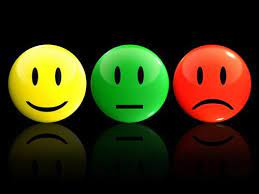
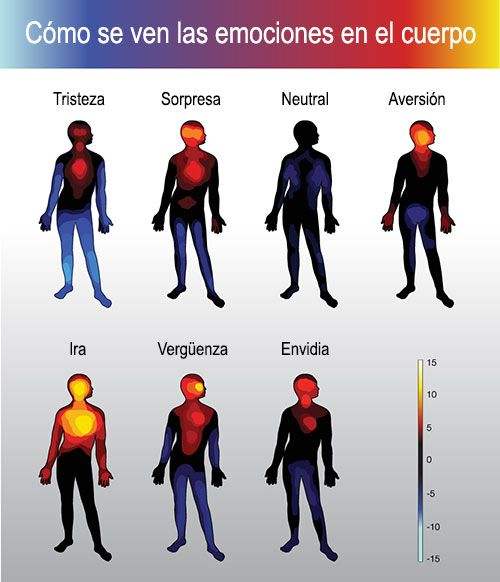
There are 6 basic categories of emotions
FEAR: Anticipation of a threat or danger that produces anxiety, uncertainty, insecurity.
SURPRISE: Shock, amazement, bewilderment. It is very transitory. It can give a cognitive approximation to know what happens.
AVERSION: Disgust, disgust, we tend to distance ourselves from the object that disgust us.
ANGER: Rage, anger, resentment, fury, irritability.
JOY: Fun, euphoria, gratification, content, gives a feeling of well-being, security.
SADNESS: Grief, loneliness, pessimism.

Información
- Descripción
- Diagrama sobre Ingles, creado por Bryan Bonoso el 31/10/2021.
- Creado por
- Bryan Bonoso · oct 2021
- Actualizado
- 2 nov 2021
- Visitas
- 2
- Valoración