
Mapa mental
The Branches and Levels of Canadian Government
Contenido del mapa
The Branches and Levels of Canadian Government
Legislative Branch
- Federal
- Also known as the Parliament; consists of the Monarch/Queen (represented by the Governor General), the House of Commons, and the Senate
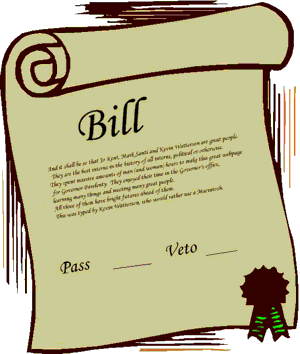
- A bill must be given Royal Assent by the Governor General to become a law
- Bills must be approved by both the House of Commons and the Senate to become a law
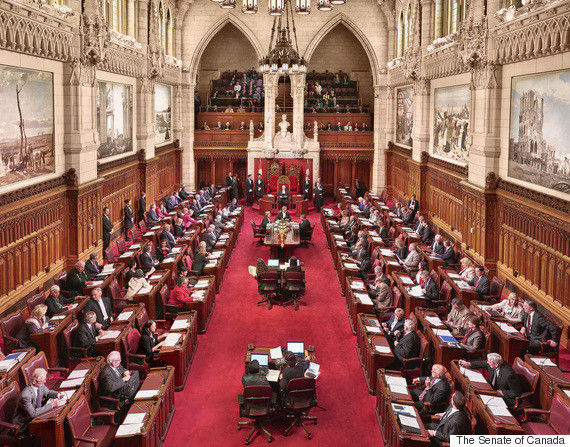
- Senate (The Upper House of Parliament)
- Thought of as the "Second Sober Thought"; as bills must be approved by the Senate to become a law
- Members of the Senate are appointed by the Governor General (advised by the Prime Minister) and represent different regions of Canada
- There are currently 338 seats
- If majority of the members disagree they have the power to delay bills
- Proposes, amends, or repeals bills passed by the House of Commons or generate new bills
- There are some restrictions for the Senate on proposing bills, for example, they cannot introduce bills that impose taxes
- Only the House of Commons has the power (to introduce bills that the Senate cannot), though the Senate can change or reject those bills
- There are some restrictions for the Senate on proposing bills, for example, they cannot introduce bills that impose taxes
- A bill can be introduced by the government or as a private member's bill to either the House of Commons or the Senate
- Cabinet ministers may also propose bills to the House of Commons
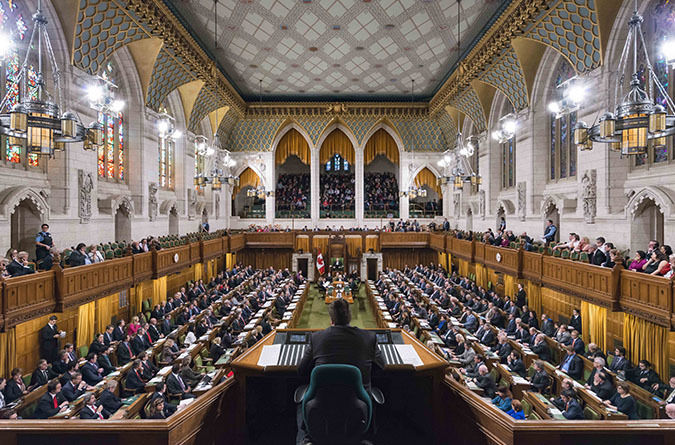
- The House of Commons (The Lower House of Parliament)
- Can make, change, and repeal laws
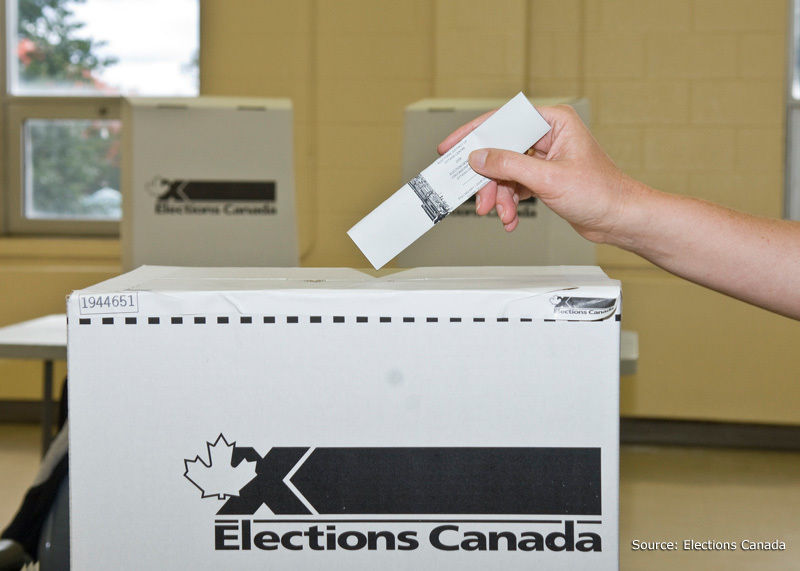
- Members of Parliament (MP's) are elected by public
- There are 105 Members of the Senate
- They meet in the House of Commons to discuss and vote on public issues
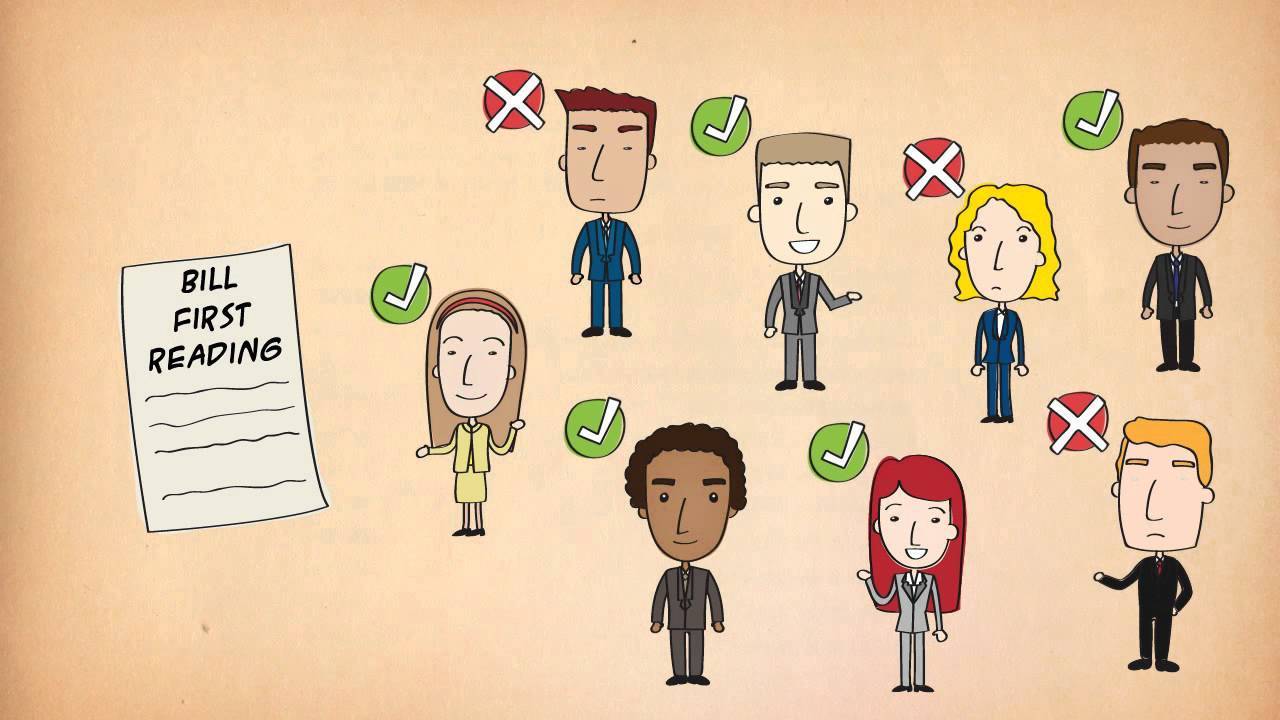
- During second and third readings of a bill, the MP's debate and vote on bill
- Unofficially the most powerful part of the Legislative branch
- Can make, change, and repeal laws
- Senate (The Upper House of Parliament)
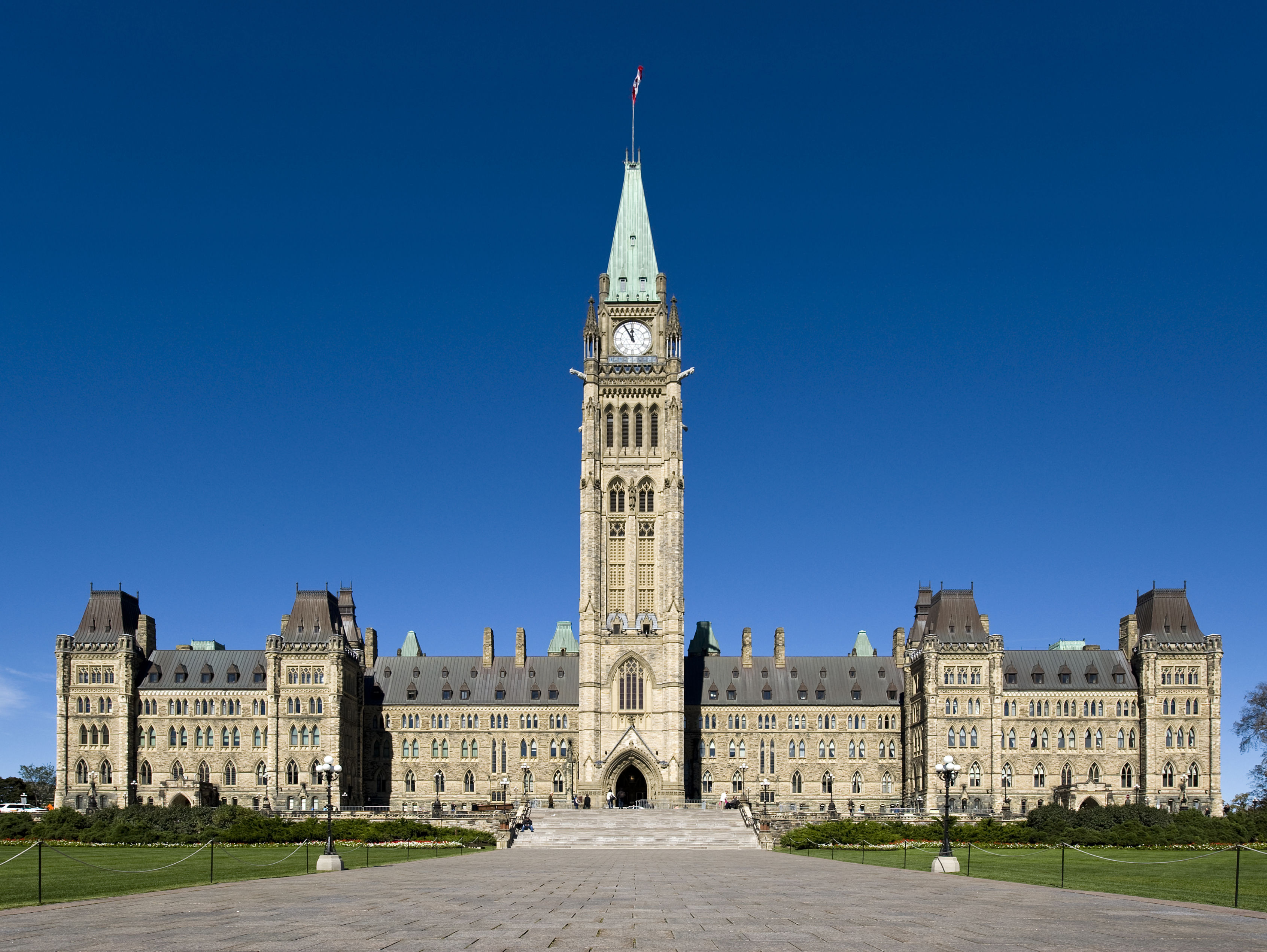
- Center Block on Parliament Hill
- Makes laws for all of Canada (dealing with matters such as income tax, monetary policies, national defense and other areas)
- Also known as the Parliament; consists of the Monarch/Queen (represented by the Governor General), the House of Commons, and the Senate
- Provincial
- Consists of Lieutenant-Governor (the Queen's provincial representative) and Legislature; in Ontario Members of Provincial Parliament (MPP's) are elected, different provinces (and territories) refer to the legislature with other titles
- Members represent the people in their constituencies and the people's interests
- Members of Provincial or Territorial Legislature are able to introduce and change laws by drafting bills and voting
- The bill goes through an introduction and three readings before being passed as a law
- The Lieutenant-Governor must sign the bill for it to become a law (referred to as royal assent)
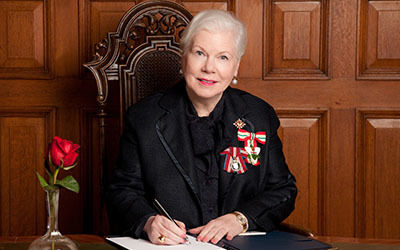
- Ontario's Lieutenant-Governor Elizabeth Dowdeswell
- The Lieutenant-Governor must sign the bill for it to become a law (referred to as royal assent)
- The bill goes through an introduction and three readings before being passed as a law
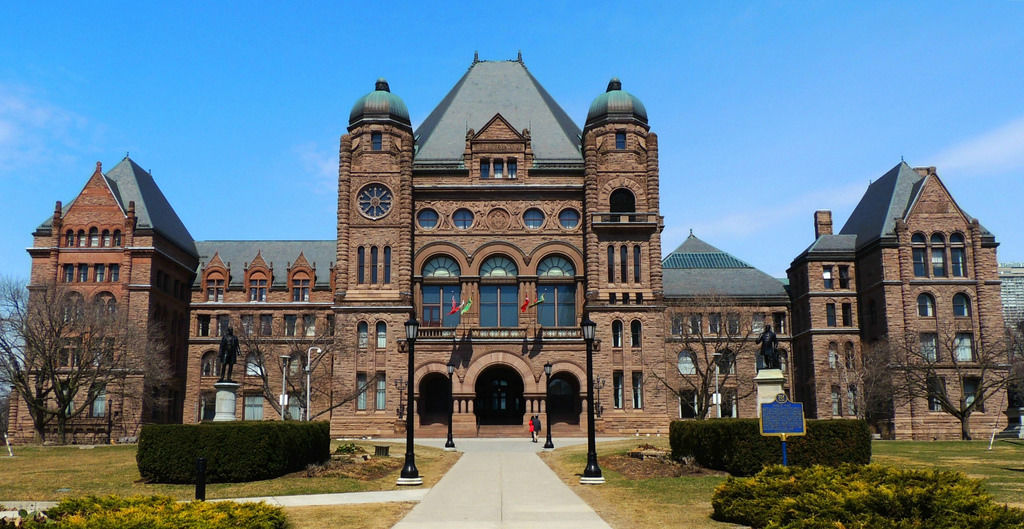
- Legislative Assembly of Ontario
- Makes laws regarding provincial prisons, natural resources, hospitals or health care and more
- Consists of Lieutenant-Governor (the Queen's provincial representative) and Legislature; in Ontario Members of Provincial Parliament (MPP's) are elected, different provinces (and territories) refer to the legislature with other titles
- Municipal
- City councillors have the power to create bylaws on issues specific to that community (such as the construction of buildings in a neighbourhood or relating to garbage disposal and other responsibilities delegated by the federal government)
- Members of Council, City Officials, and committees make recommendations to the City Council who then creates or alters bylaws (based on those recommendations)
- Decisions are finalized in a meeting and the bylaw is enacted
- There is no representative for the Head of State at in the municipal level
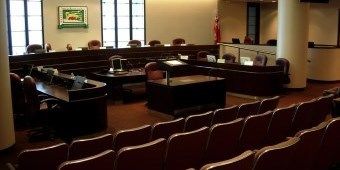
- The Richmond Hill Council Chamber in which council meetings are held
- The mayor also signs bylaws discussed in meetings
- The mayor implements the plans, policies and objectives of the city council
- Decisions are finalized in a meeting and the bylaw is enacted
- Has the power to make laws and amend them; they introduce and pass legislation for all Canadians
- All levels of Government can create, change, and repeal laws though each level focuses on different areas or issues
- Federal
Executive Branch
- Federal
- Consists of the Governor General (representing the Queen/Head of State), the Prime Minister, and the Cabinet
- Cabinet ministers are appointed by the Prime Minister and assigned a specific portfolio (ex. finance, defense, justice, etc.)
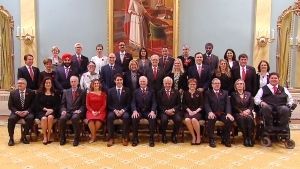
- Justin Trudeau and his Cabinet ministers
- Cabinet ministers ensure their departments (depending on their portfolio) obey the law as well as plan, decide on, and implement government policies
- The Prime Minister and Cabinet control the daily running of the federal government
- The Prime Minister, leader of Canada, speaks on behalf of all Canadians and his/her political party
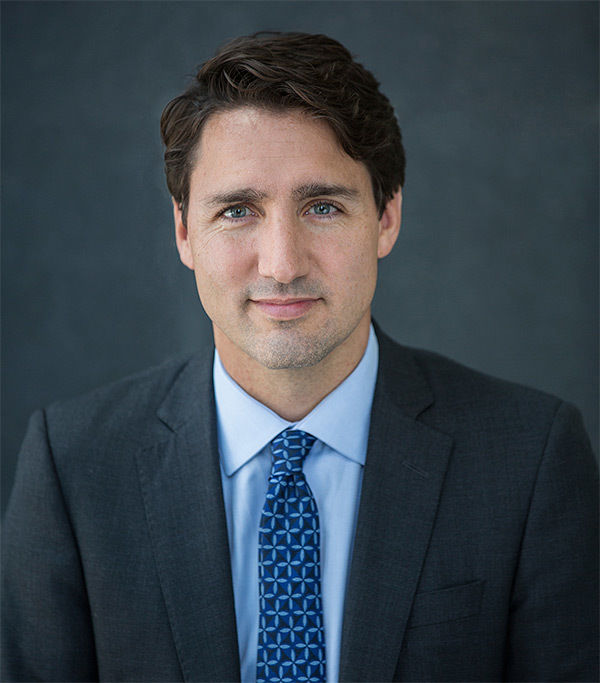
- Justin Trudeau, Canada's current Prime Minister
- The Prime Minister, leader of Canada, speaks on behalf of all Canadians and his/her political party
- The
- The Governor General is responsible for fulfilling the role of the Queen if she were in Canada
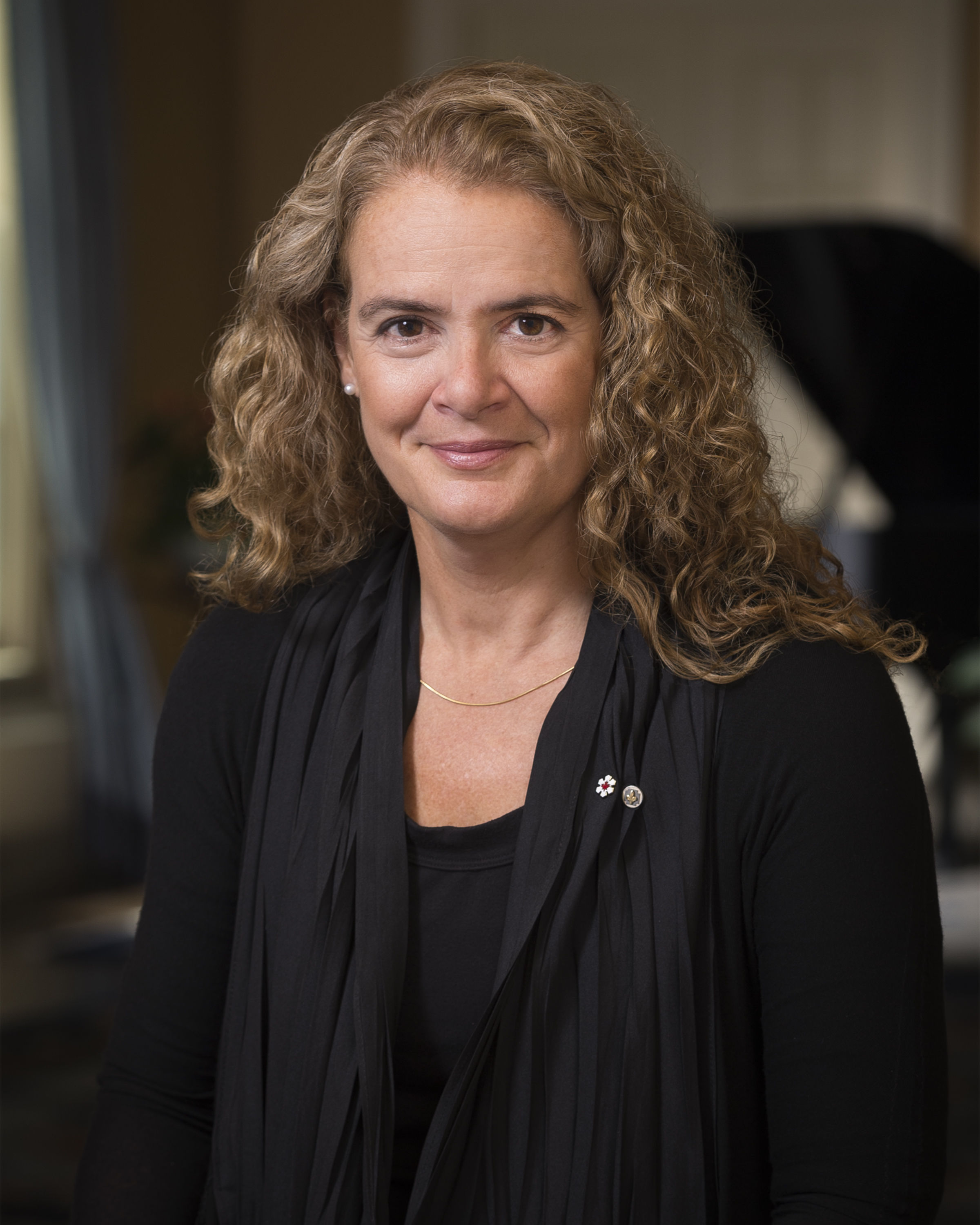
- Current Governor General Julie Payette
- Cabinet ministers are appointed by the Prime Minister and assigned a specific portfolio (ex. finance, defense, justice, etc.)
- Consists of the Governor General (representing the Queen/Head of State), the Prime Minister, and the Cabinet
- Is responsible for executing and overseeing the plans and laws made by the legislative government
- Enforces laws created by legislative branch
- Provincial
- Consists of the Lieutenant-Governor, the Premier, and the Provincial Cabinet
- The Premier and Provincial Cabinet control the daily government on a provincial level
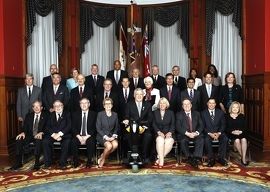
- Kathleen Wynne and her Cabinet MInisters
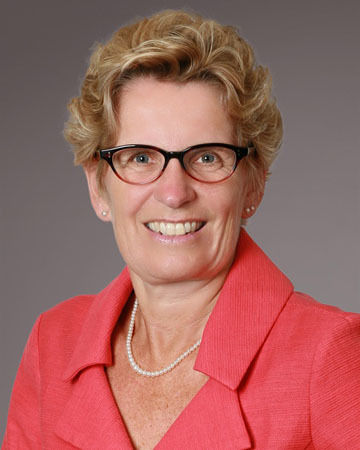
- Ontario's Premier Kathleen Wynne
- The Premier and Provincial Cabinet control the daily government on a provincial level
- Consists of the Lieutenant-Governor, the Premier, and the Provincial Cabinet
- Municipal
- The mayor is elected in each municipality and is the head of council
- The mayor has statutory duties and executive powers including leading the council by recommending plans to the council to improve the municipality and holding council meetings
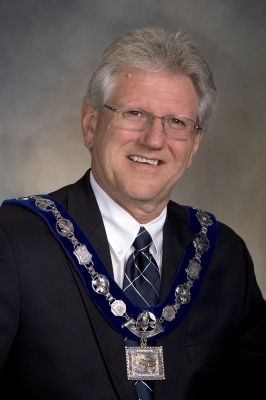
- Dave Barrow, the Mayor of Richmond Hill
- The mayor has statutory duties and executive powers including leading the council by recommending plans to the council to improve the municipality and holding council meetings
- The mayor is elected in each municipality and is the head of council
- Federal
Judicial Branch
- Federal
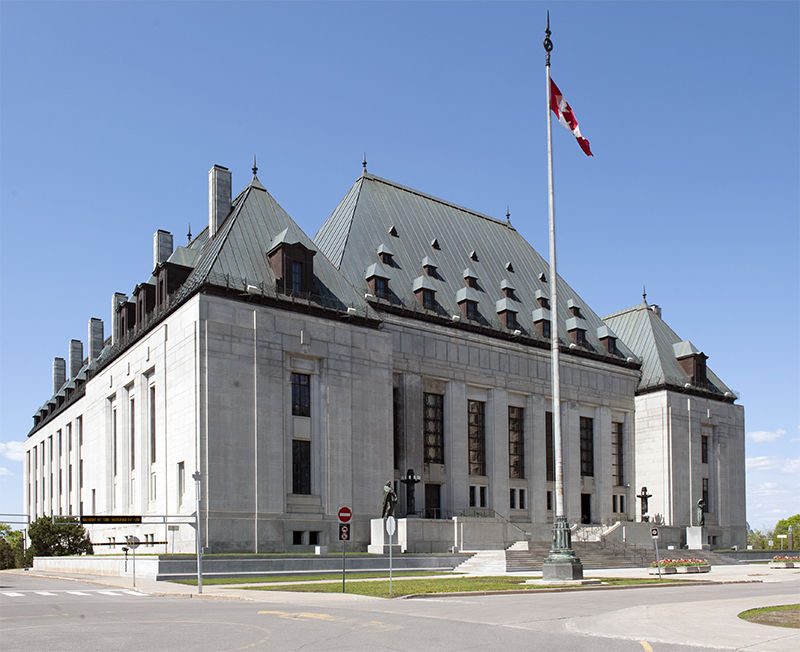
- The Supreme Court of Canda
- Canada's final and highest court of appeal; all judgments made are final
- Deals with conflicts deemed highly important to public or is an important issue or question with the law that should be addressed
- Affects all the branches of government and their development
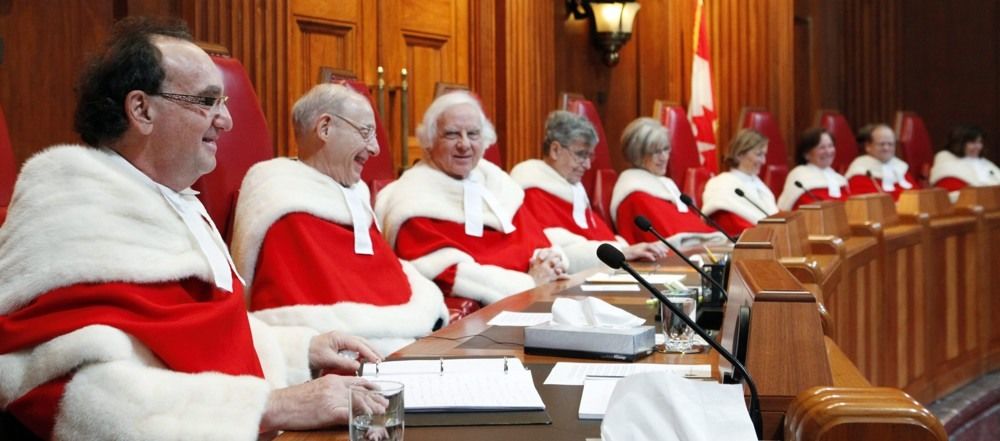
- Has nine judges including the The Chief of Justice
- Also other federal courts (ex. the Federal Court of Appeal and the Tax Court of Canada)
- Only level of government able to appoint and pay judges from superior/upper-level provincial courts
- The Supreme Court of Canda
- Interprets laws in case of disputes and judge who is innocent or guilty of breaking a law and deciding on a penalty
- This branch is independent from the legislative and executive branch to ensure the rule of law (an element of democracy) is kept; the members of Parliament are not above the law
- Deal with all matters regarding law in Canada, including Aboriginal, administrative, constitutional, criminal law and more
- Composed of courts and the judiciary
- Provincial
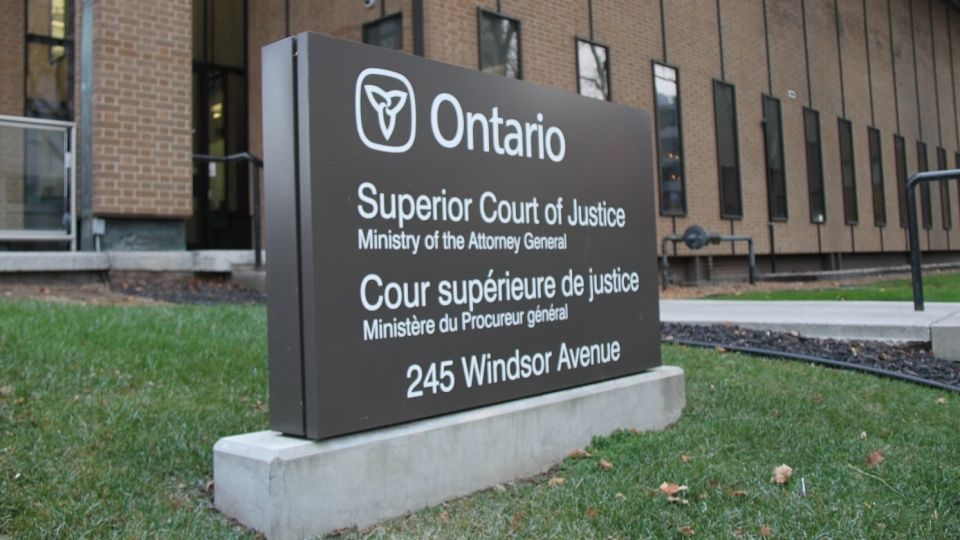
- Consists of provincial courts (ex. the Ontario Court of Justice) and lesser courts
- The Supreme Court hears appeals from the superior provincial and territorial courts as well as the other federal courts
- Superior Courts are highest level of provincial and territorial courts; they can review decisions made by other provincial courts
- Deal with most serious criminal offences
- Settle conflicts within their provincial jurisdiction (includes most criminal offences, money and family issues
- People arrested (for criminal offence) by police then go to court for trial
- Consists of provincial courts (ex. the Ontario Court of Justice) and lesser courts
- Municipal
- At a local level, police officers have a role in the judicial branch
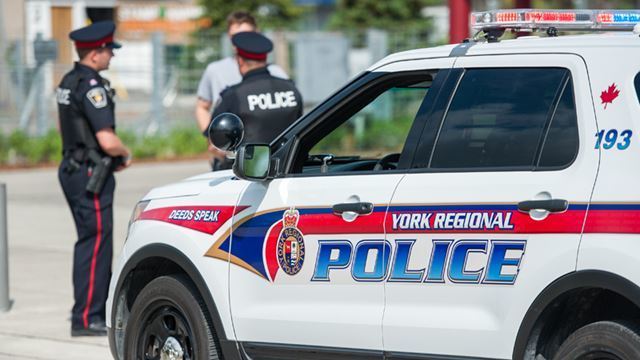
- York Regional Police
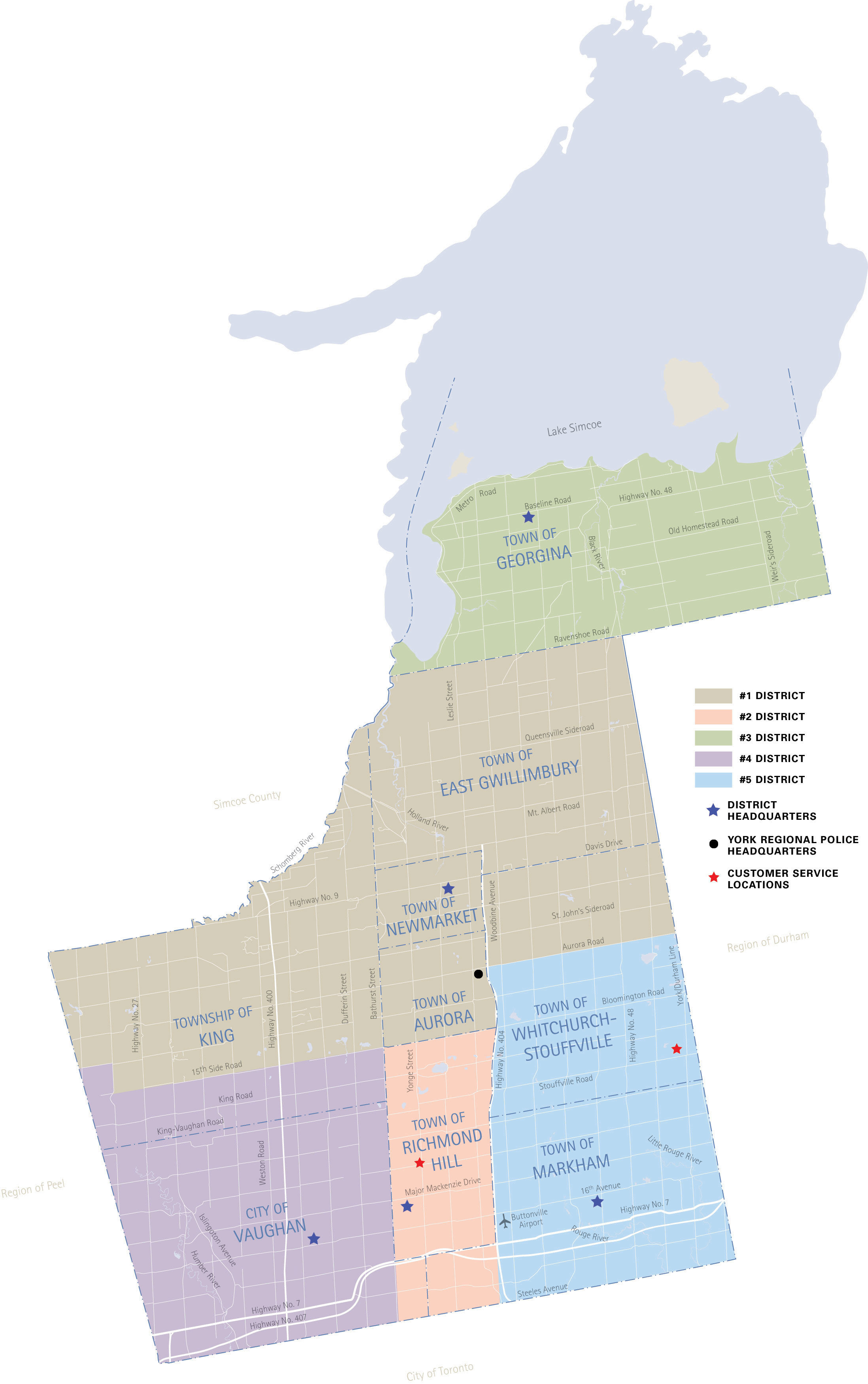
- Separated into different districts for each city (Richmond Hill is district #2)
- Map showing how the region is divided into the four districts
- Main goal is to achieve a safe environment for citizens by preventing crime
- Separated into different districts for each city (Richmond Hill is district #2)
- Enforce laws (created by all three levels of legislative government) everyday in public by penalizing people that break them (ex. giving tickets to drivers for speeding)
- York Regional Police
- At a local level, police officers have a role in the judicial branch
- Federal
Imágenes y archivos del mapa
Información
- Descripción
- A mind map showing the different branches and levels of government in Canada and their role in law and decision making
- Creado por
- Stephanie Lum
- Visitas
- 208
- Valoración