
Mapa mental
Unhealthy eating habits
Contenido del mapa
Unhealthy eating habits
Physiology of Appetite
- Neuronal control
- Satiety center
- Ventromedial nucleus (MAIN)
- Activation --> Complete satiety
- Destruction --> Continued eating
- Paraventricular nucleus
- Lesion --> excessive eating
- Ventromedial nucleus (MAIN)
- Feeding center
- Lateral Hypothalamic nucleus (MAIN)
- Activation --> Increase intake
- Destruction --> Decrease intake
- Dorsomedial nucleus
- Lesion --> Depress eating behavior.
- Lateral Hypothalamic nucleus (MAIN)
- Arcuate nucleus mediates the communication between the brain & the GIT & Adipose tissue
- Satiety
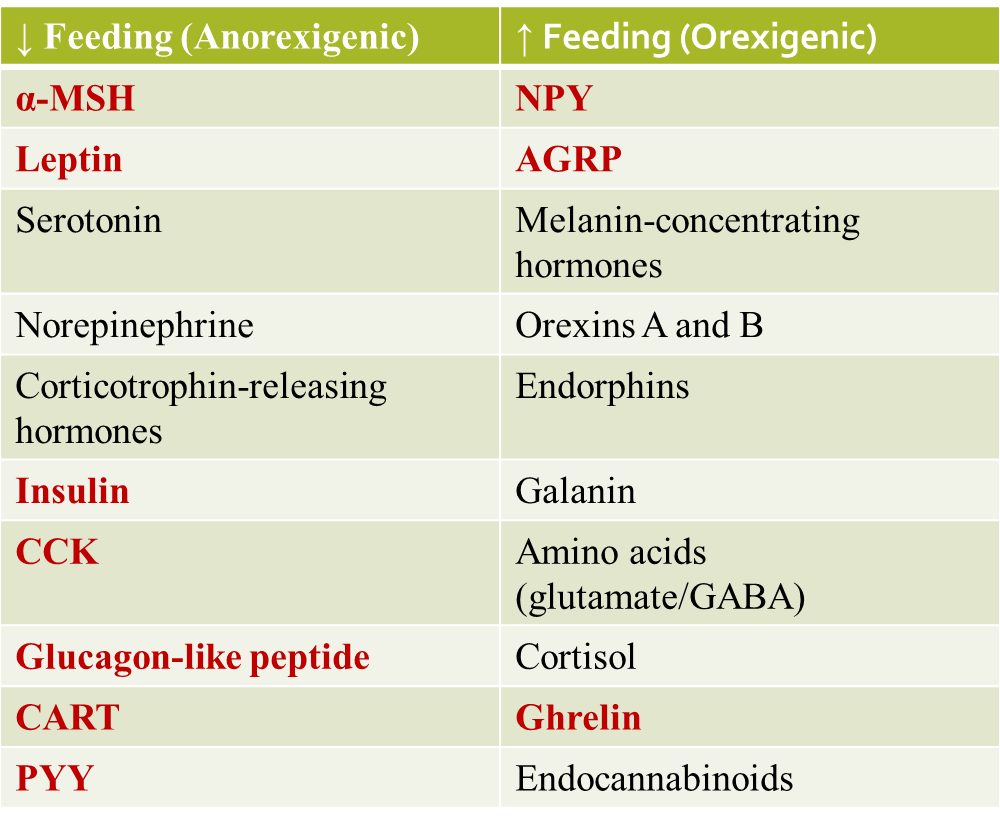
- 1. Afferent fibers from the GIT/adipose will relay in POMC
- 2. The hormones within the POMC neurons (a-MSH and CART) will stimulate the satiety centers in the hypothalamus
- 3. The hypothalamus will stimulate the NTS
- 4. The NTS will stimulate the DMN
- 5. Vagal efferent nerves will be sent to the GIT--> release of insulin, decrease GI motility, etc
- Feeding
- 1. Afferent fibers from the GIT/adipose will relay AGRP and NPY
- 2.They will stimulate the feeding nuclei in the hypothalamus
- 3. The hypothalamus will inhibit the NTS
- Satiety
- Neurohormonal control of food intake
- Satiety center
- Hormonal control
- Short term
- Involved during every meal from start to finish
- Neurohormonally regulated
- Makes sure the right amount of food is eaten
- Regulates digestion and absorption
- Initiates satiety
- Involes hormones: Ghrelin, CCK, PYY, and Incretins (GIP; GLP-1)
- Long term
- Involved with nutrient stores, making sure they are maintained
- Neurally regulated
- If nutrient stores are low --> hunger increases (same vice versa)
- If temperature is low--> hunger increases
- Short term
- Neuronal control
Obesity
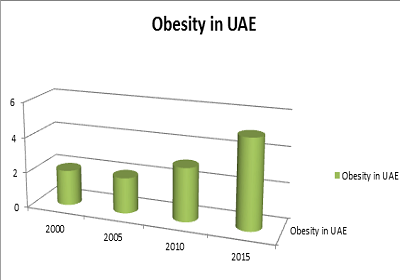
- Epidemiology
- Definition
- The state of being grossly fat or overweight.
- Causes
- Unhealthy eating habits
- Lack of physical activity
- Genetics
- Medical reasons
- Lab investigations
- HCO3 : Increased respiratory rate, CO2 in blood is LOW, HYPERVENTILATION , acidosis and to compensate _ the kidneys will make metablic compensatory alkalosis
- Glu, fasting : insulin resistance- decreased glucose uptake which leads to increased glucose production = HYPERGLYCEMIA
- TG: increased VLDL production, decreased peripheral TG clearance = HYPER TG
- Impaired insulin inhibition of VLDL and glucose production
- Complications
- Poorly controlled hypertension
- Type 2 diabetes
- MI
- Hypertensive retinopathy
- osteoarthritis
- metabolic syndrome
- What it it?
- A cluster of conditions occurring together, increasing the risk of cardiovascular diseases, stroke and diabetes.
- Symptoms
- Visceral obesity
- Low HDL-Cholesterol
- High triglycerides
- Insulin resistance
- Hypertension
- Risk factors
- Age.
- Race. In the United States, Mexican-Americans appear to be at the greatest risk of developing metabolic syndrome.
- Obesity.
- Diabetes.
- Other diseases. cardiovascular disease, nonalcoholic fatty liver disease or polycystic ovary syndrome.
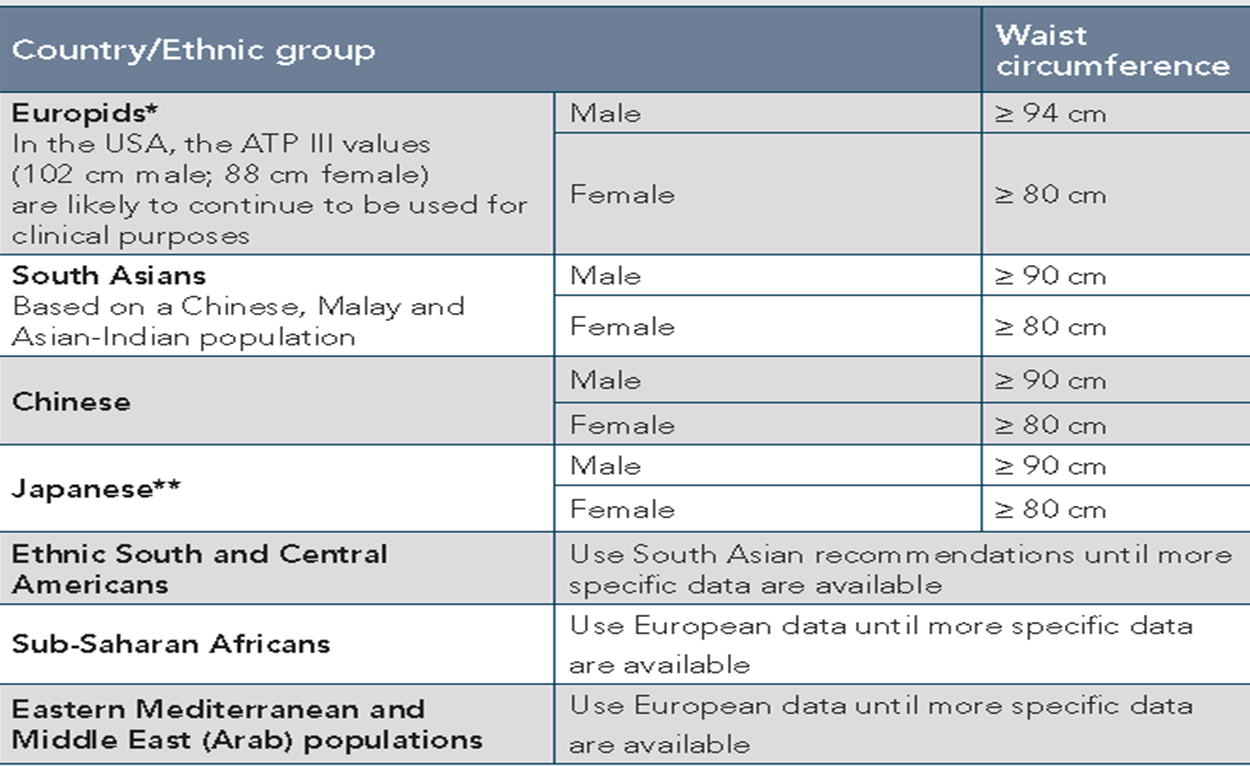
- IDF Criteria for metabolic syndrome:
- Treatment
- Healthy lifestyle adoption
- Medications to control blood pressure, high blood sugar, and cholesterol levels
- What it it?
- non-alcoholic fatty liver disease (NAFLD)
- Acute cholecystitis due to gallstones
- Management
- Pharmacological
- Orlistat
- Mechanism of action
- Inhibits lipase (Gastric & pancreatic) --> Peripherally acting.
- Therefore, decrease in fat breakdown & absorption.
- Adverse effect:
- Flatulence.
- Diarrhea (Specifically steatorrhea) Fatty/oily stool.
- Fecal incontinence.
- Mechanism of action
- Orlistat
- Surgical
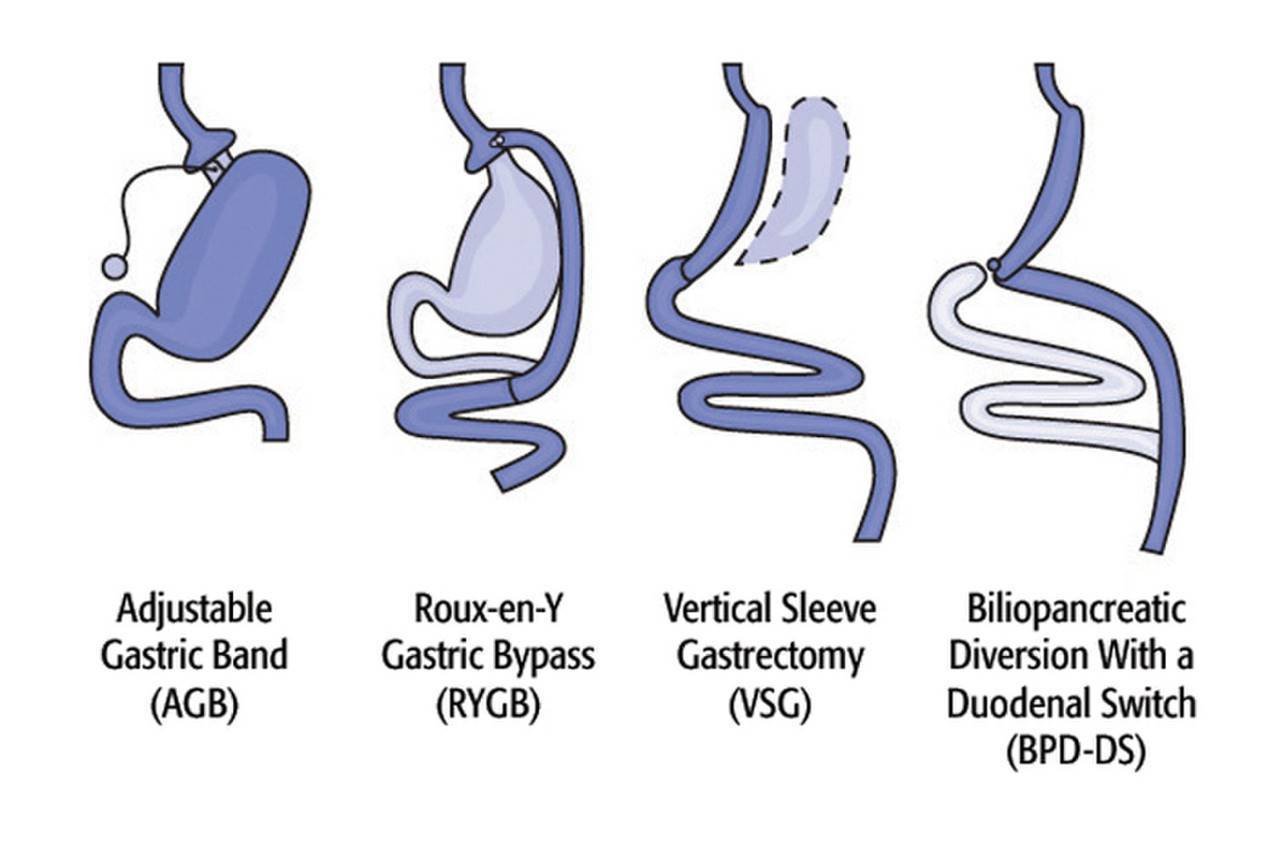
- Bariatric surgery
- Achieved by reducing the size of the stomach with a gastric band or through removal of a portion of the stomach or by resecting and re-routing the small intestine to a small stomach pouch.
- How you prepare
- Deed to have various lab tests and exams
- Have restrictions on eating and drinking and which medications you can take.
- May be required to start a physical activity program and to stop any tobacco use.
- Types
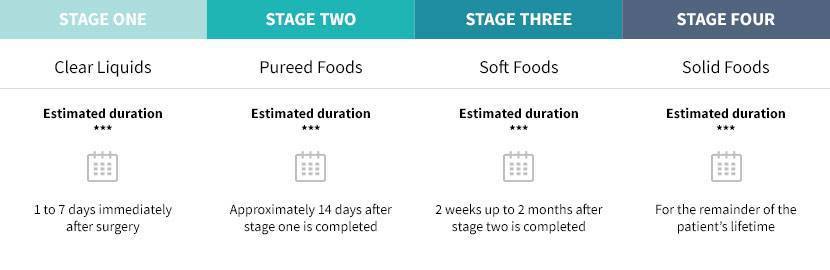
- Eating after bariatric surgery
- Long-term risks for patients
- Dumping syndrome.
- Low blood sugar.
- Malnutrition.
- Vomiting.
- Bowel obstruction.
- Hernias
- Ulcers.
- Bariatric surgery
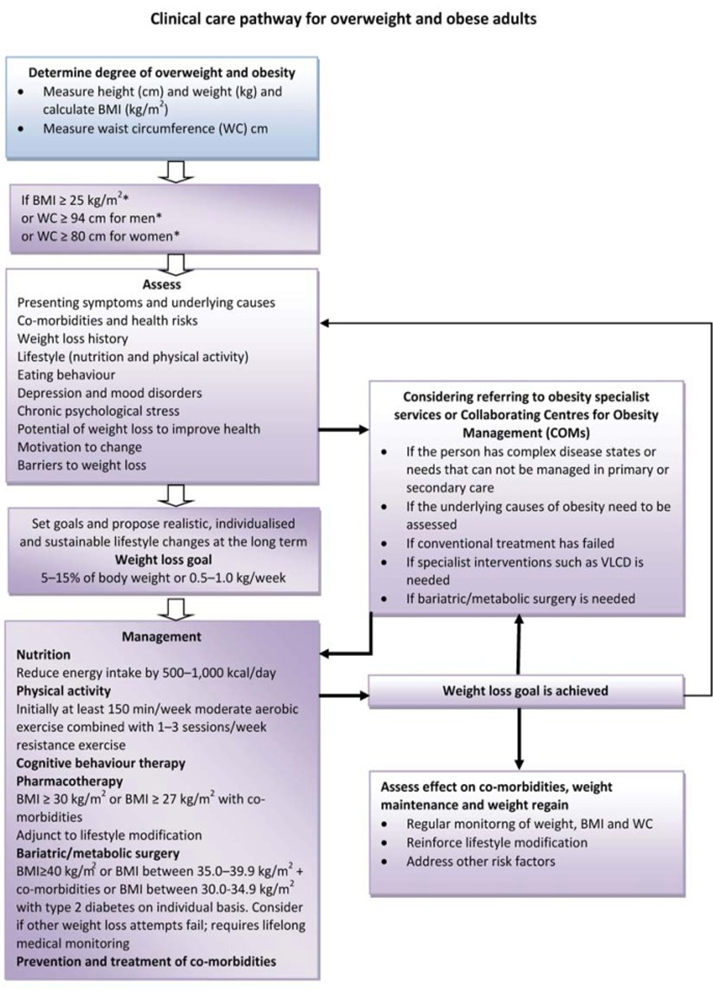
- European Guidelines For Obesity Management in Adults
- Pharmacological
- Epidemiology
Imágenes y archivos del mapa
Información
- Descripción
- Mapa Mental sobre Unhealthy eating habits, creado por amna mohd el 22/02/2018.
- Creado por
- amna mohd
- Visitas
- 52
- Valoración