
Mapa mental
Section 4- Energy Resources and Energy Transfer
Contenido del mapa
Section 4- Energy Resources and Energy Transfer
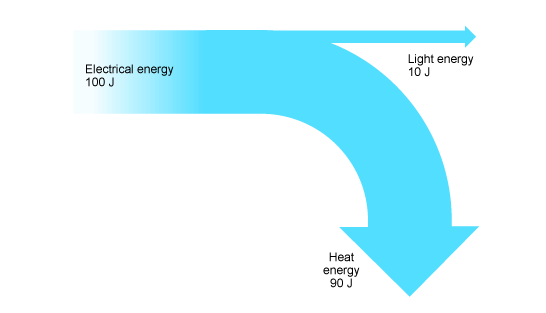
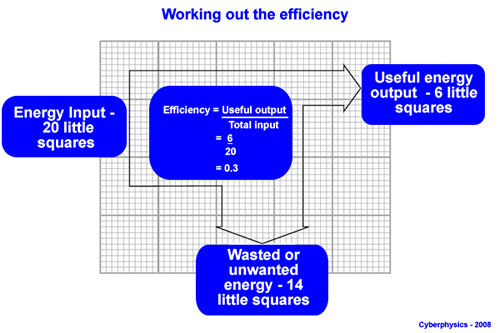
Sankey Diagrams
- Energy Input = Energy Output
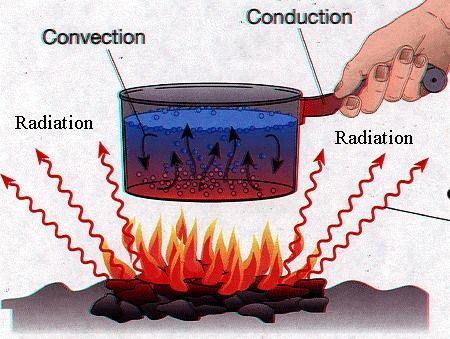
Heat Transfer
- Heat always goes from HOT to COLD
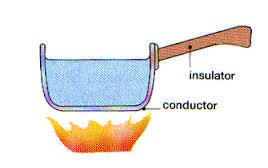
- Conductors + Insulators
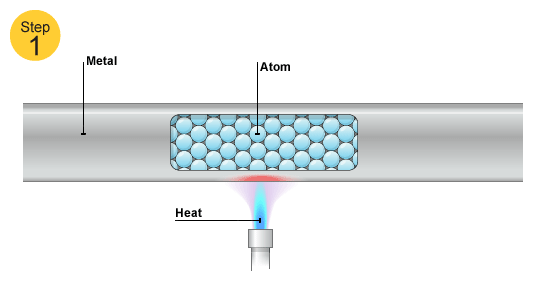
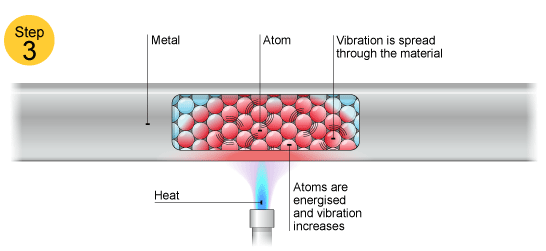
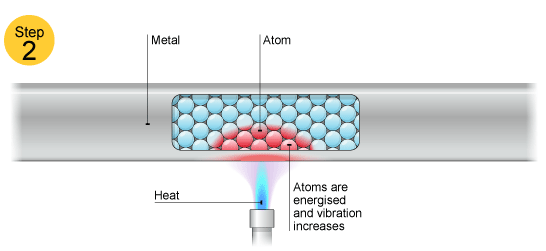
- Conduction
- Heat vibrations= amplitude
- Metals have free electrons that can travel down the particle line and collide with others further along which speeds up the process- hence metals being good conductors.
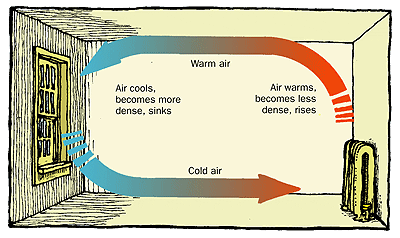
- Convection
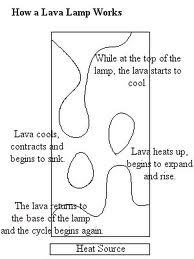
- Low energy, more dense, sinking, slower, further from heat source
- High energy, less dense, rising, faster, closer to source
- Radiation
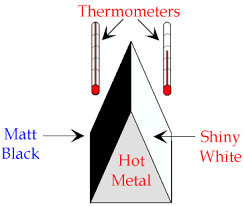
- Wave- Infra-red radiation
- All objects above absolute zero emit and absorb infrared radiation.
- An object hotter than its surroundings emits more radiation than it absorbs (as it cools down).
- An object cooler than its surroundings absorbs more radiation than it emits (as it warms up).
- Good reflector, poor absorber and emitter
- best absorber and emitter
- All objects above absolute zero emit and absorb infrared radiation.
- Wave- Infra-red radiation
Insulation
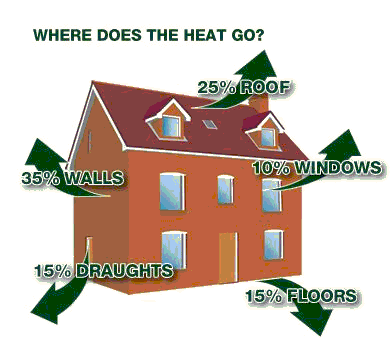
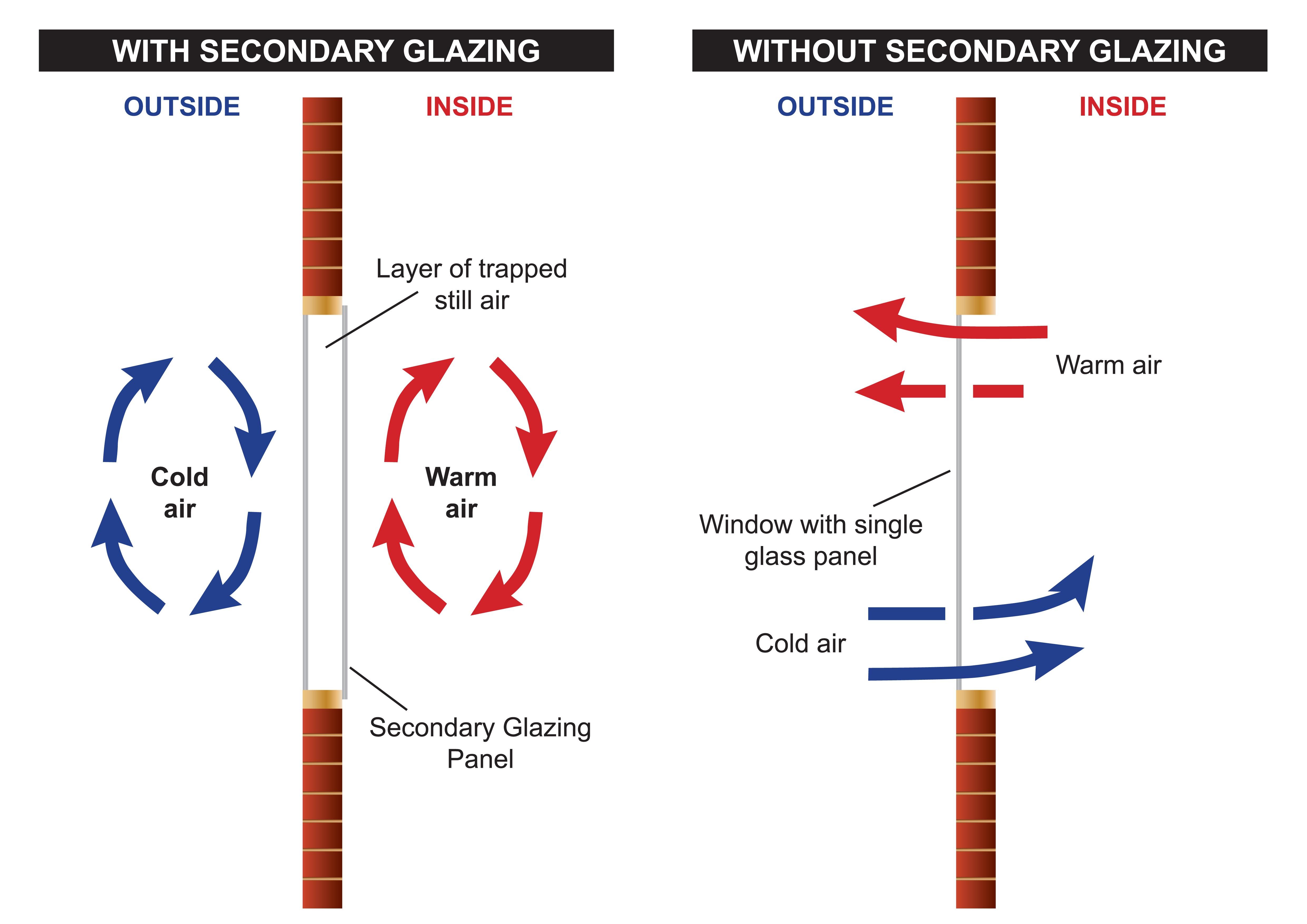
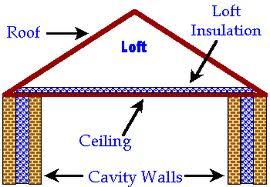
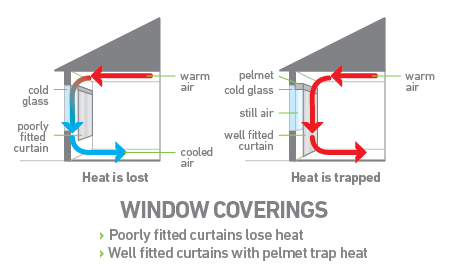
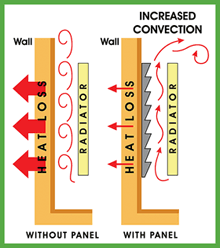
- Preventing heat transfer and stopping heat escaping.
- Draught proof strips under door
- Prevents convection + conduction
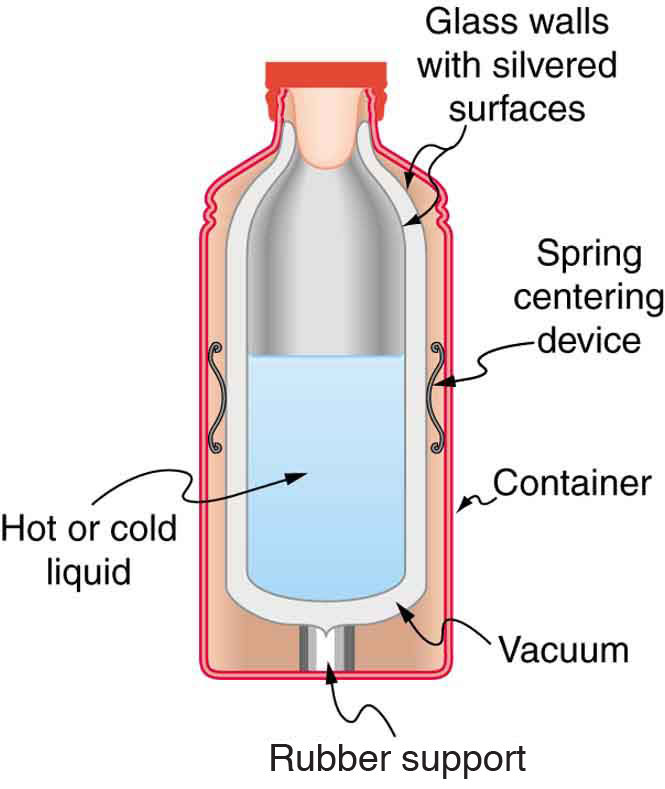
- Vacuum Flask
- Silver inside- prevents radiation
- Screw cap- prevents convection and evaporation
- Vacuum- no air inside prevents conduction and convection
- Poorly conducting material- prevents conduction
Work and Power
- Work done (J) = Energy transferred (J)
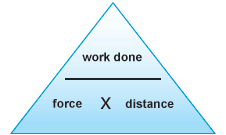
- Work done (J) = Force (N) x Distance (m)
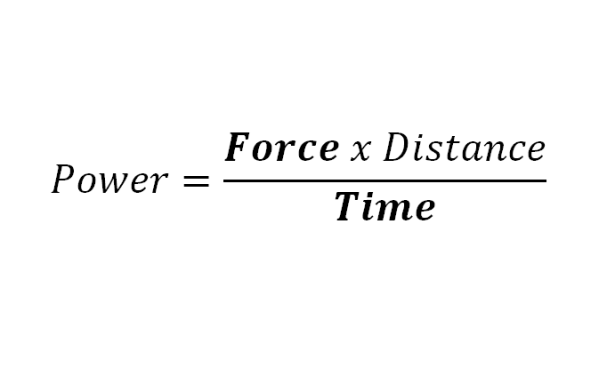
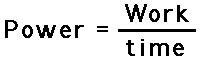
- Power (W) = Work done (J) / Time (s)
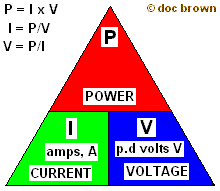
- Power (W) = Current (A) x Voltage (V)
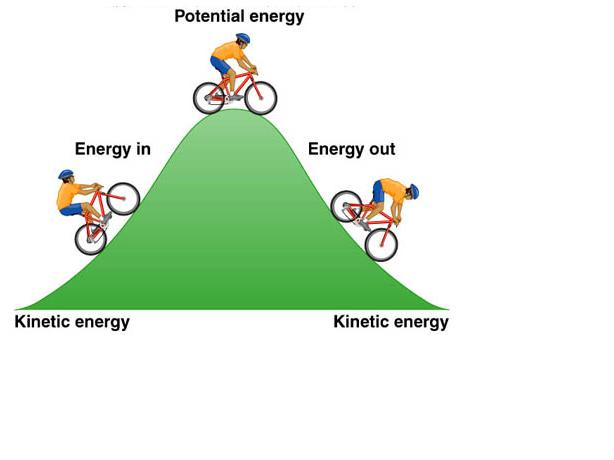
Gravitational Potential Energy and Kinetic Energy
- Work done (J) = Energy transferred (J)
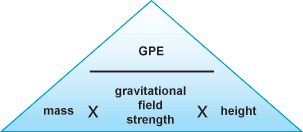
- GPE = Mass (Kg) x Gravitational field strength (N/Kg) x Height (m)
- GPE = mgh
- Therefore, m = GPE / (g x h)
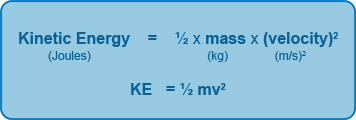
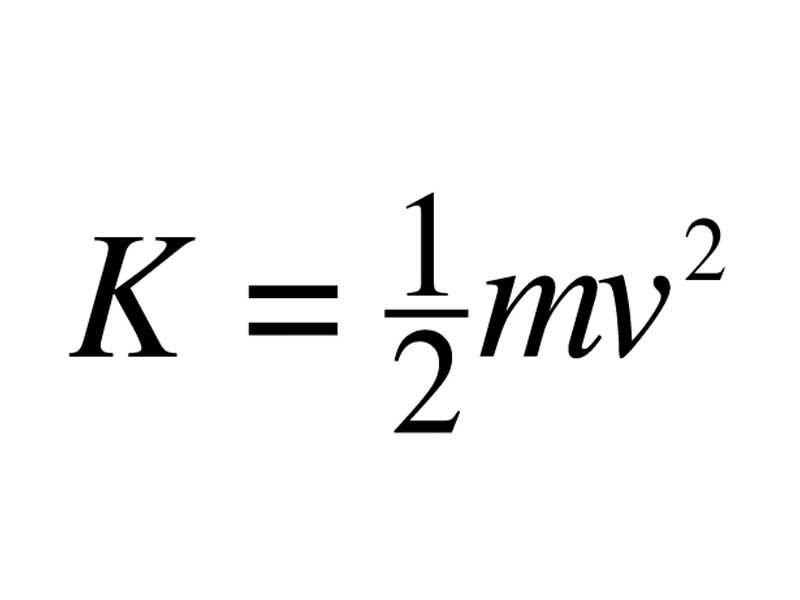
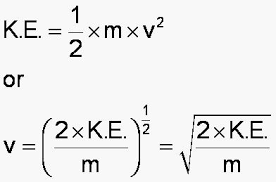
- Kinetic energy (J) = 1/2 x Mass (Kg) x Velocity2 (m/s)
- Law of conservation of energy = Ek max = Ep max
- Ek= Kinetic energy Ep= GPE
Generating Electricity
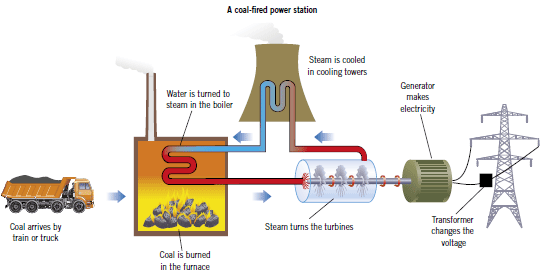
- Fossil fuels
- Non-renewable + pollutes environment
- Quick + easy method
- Chemical
- Heat
- Kinetic
- Electrical
- Kinetic
- Heat
- Things that affect national grid electricity demand= time of day+year
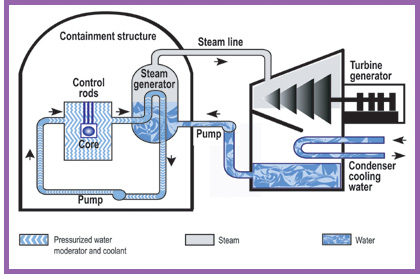
- Nuclear Reactor
- Atoms of uranium or plutonium do nuclear fission. Releases lots of heat energy. Heat turns water into steam which turns a turbine attached to a generator, generating electricity.
- Nuclear
- Heat
- Kinetic
- Electrical
- Kinetic
- Heat
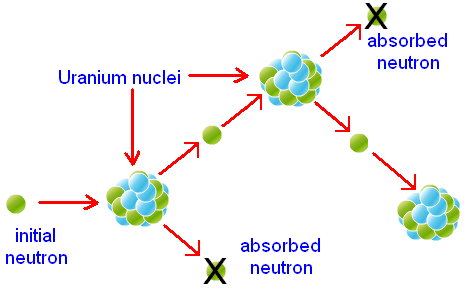
- A neutron is fired at a uranium nucleus to make it split. This creates heat energy. It's products are more neutrons and daughter nuclei.
- Renewable and efficient but creates nuclear waste which is buried and dangerous. Radioactivity contamination is a risk and they only last a certain number of years then have to be taken down.
- Fossil fuels
Renewable Energy
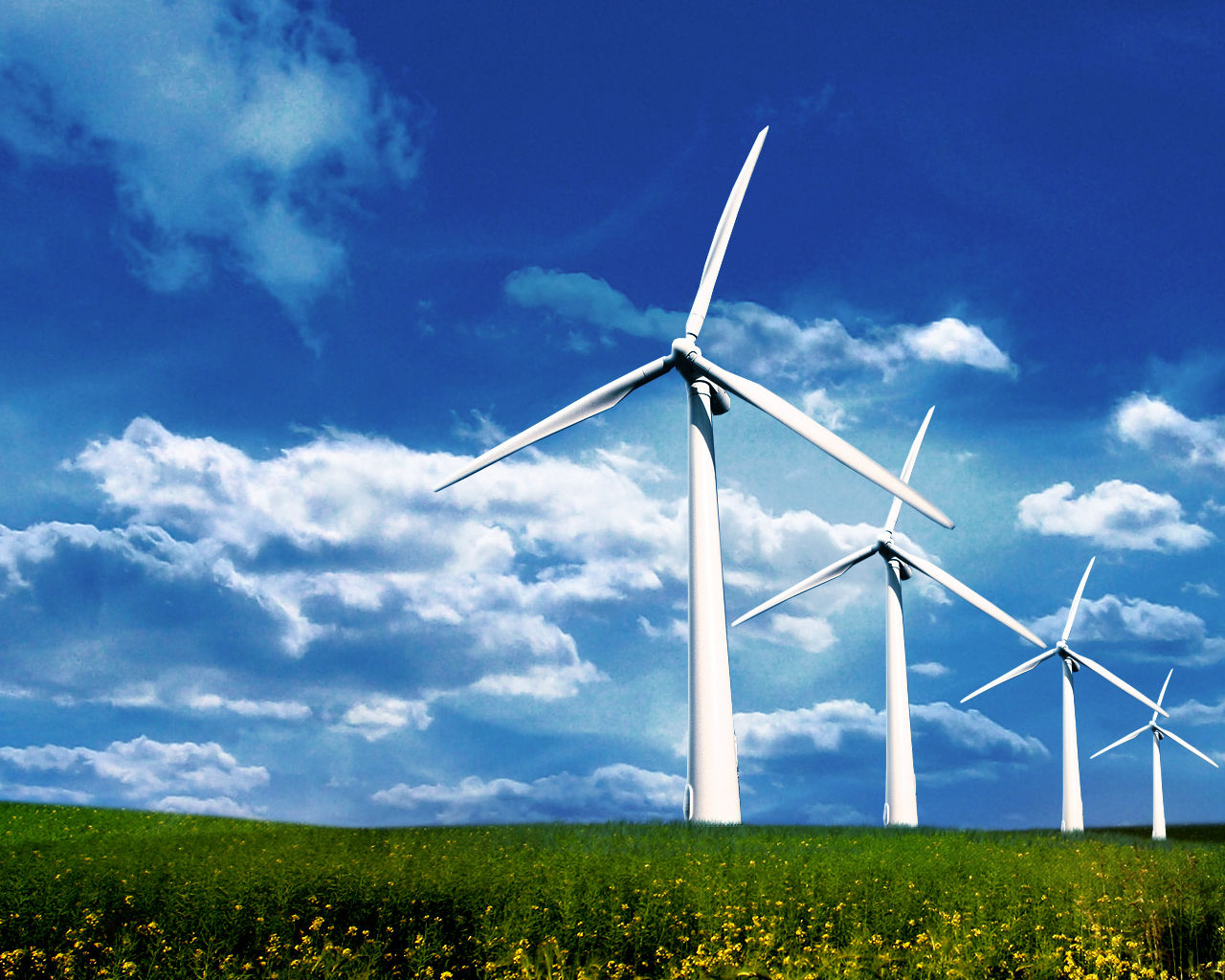
- Wind Turbines
- Kinetic
- Kinetic
- Electric
- Kinetic
- Kinetic
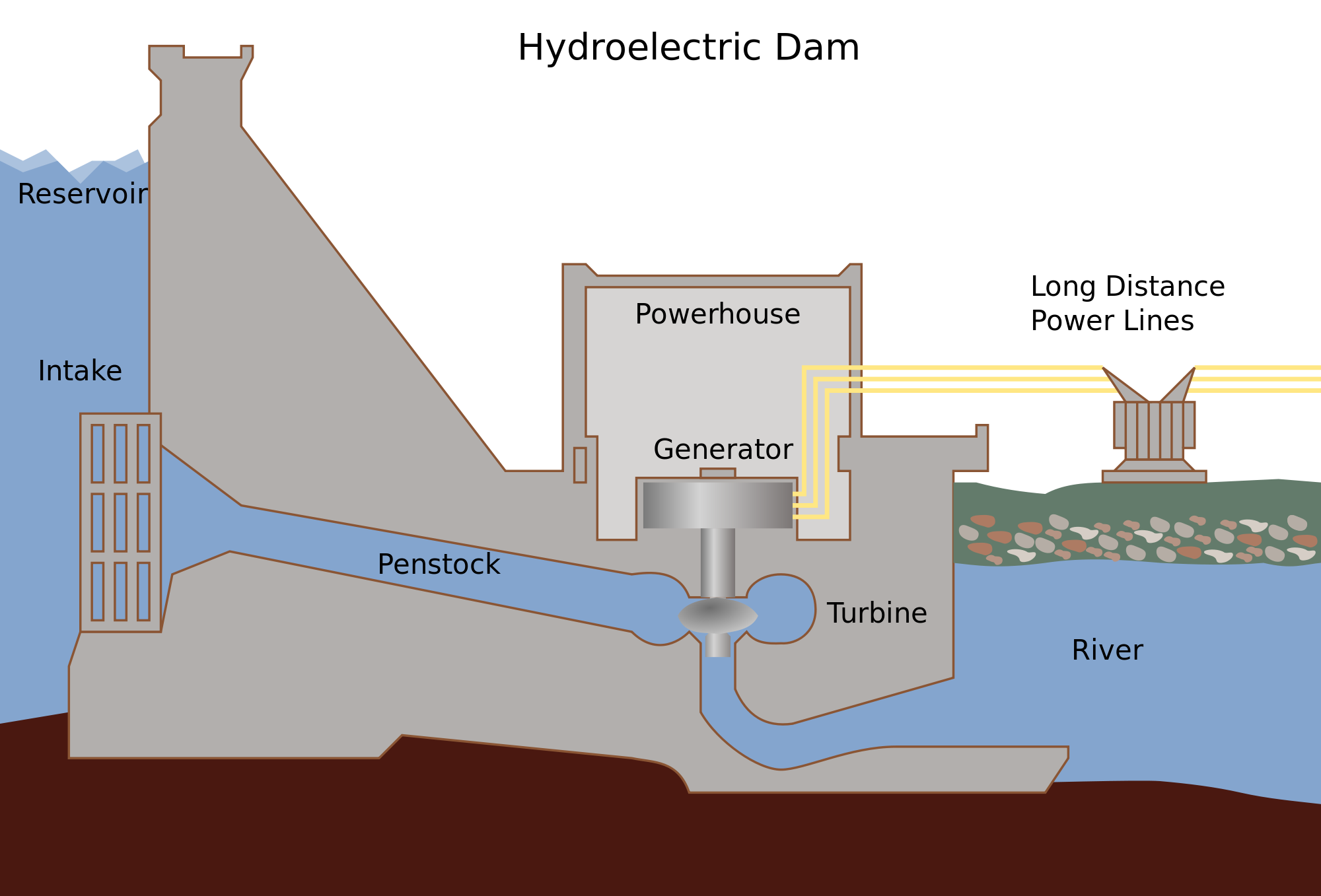
- Hydroelectric Power
- GPE
- Kinetic
- Kinetic
- Electrical
- Kinetic
- Kinetic
- GPE
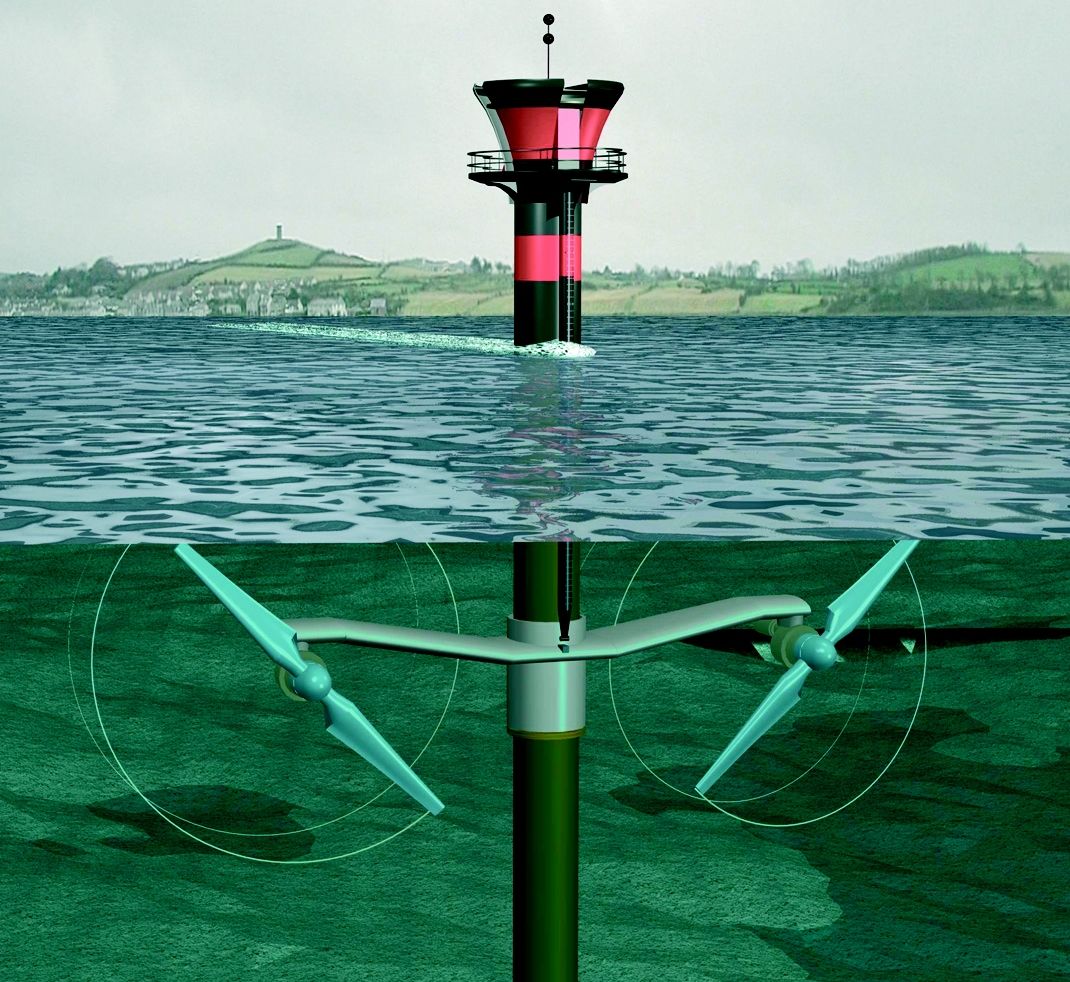
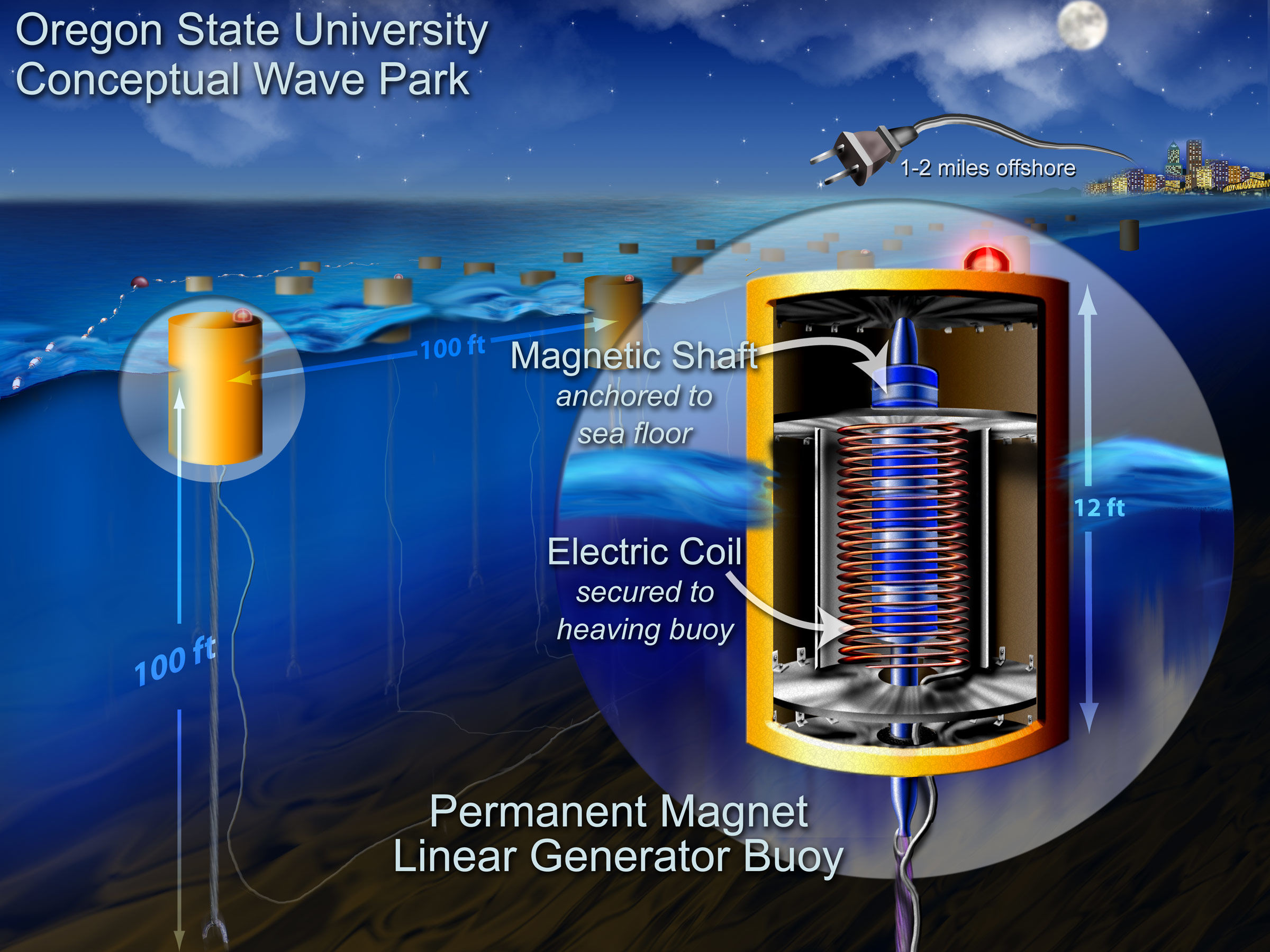
- Tidal + Wave
- Kinetic
- Kinetic
- Electrical
- Kinetic
- Kinetic
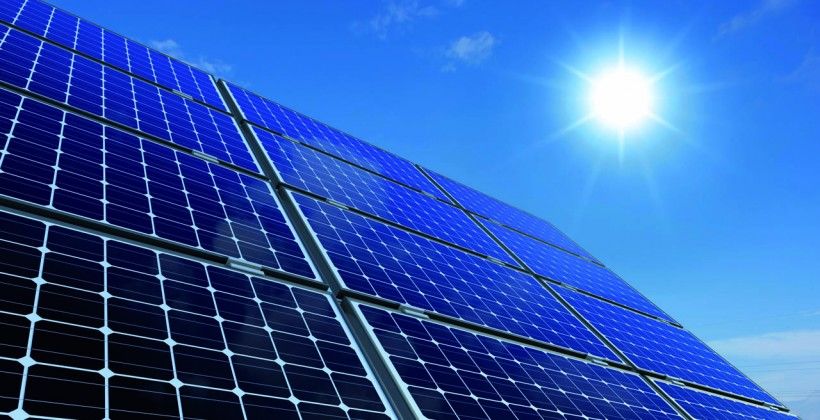
- Solar Cells
- Light
- Electrical
- Light
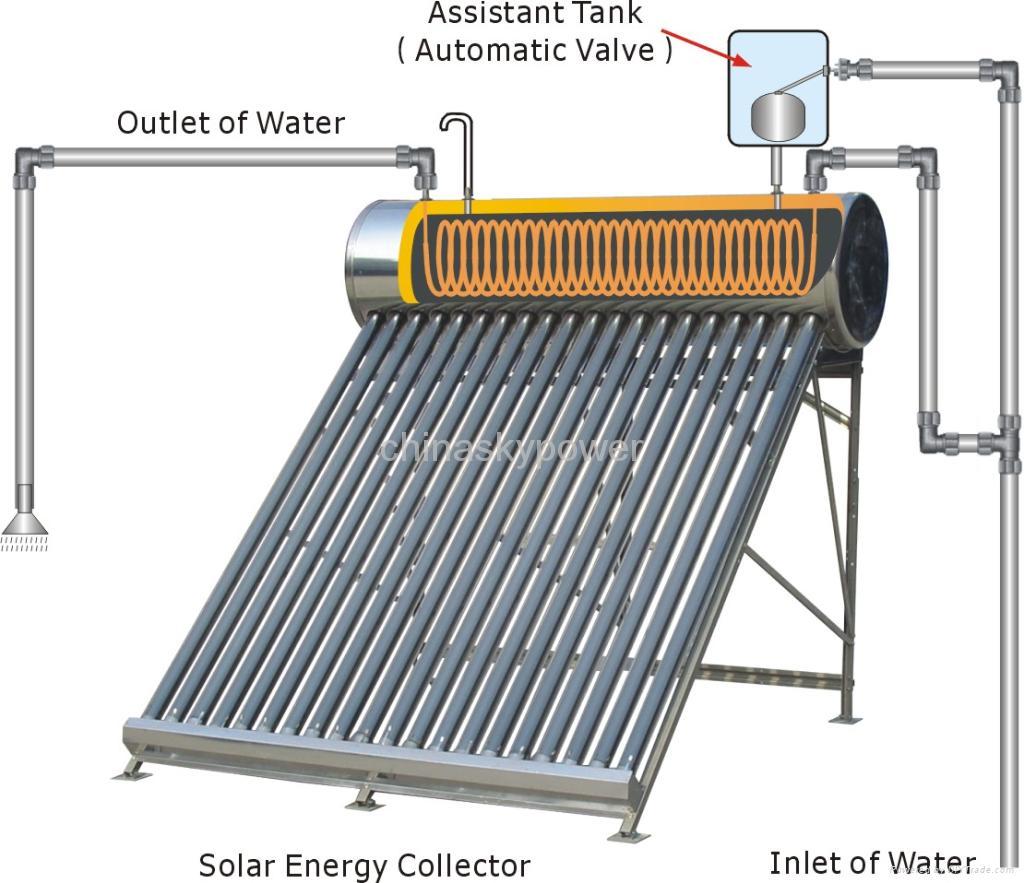
- Solar Panels
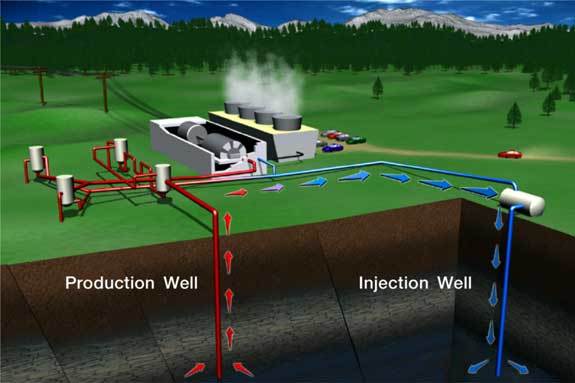
- Geothermal
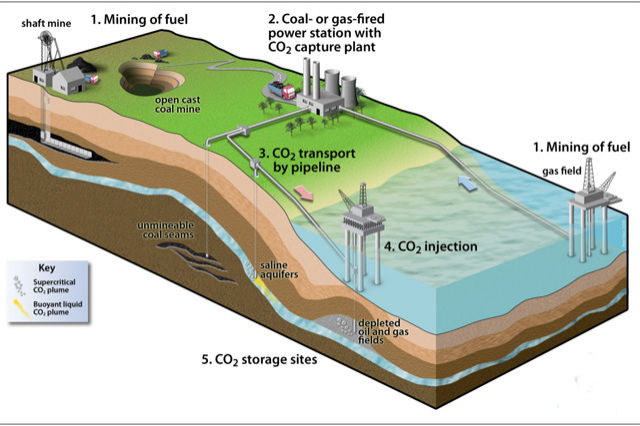
- Carbon Capture
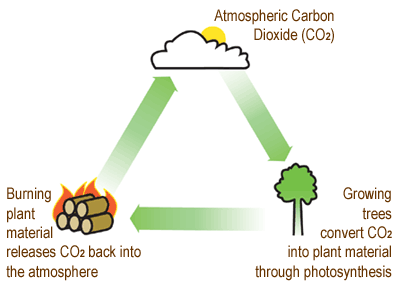
- Carbon neutral
- Wind Turbines
Imágenes y archivos del mapa

Información
- Descripción
- Cambridge IGCSE (Section 4- Energy Resources and Energy Transfer) Physics Mapa Mental sobre Section 4- Energy Resources and Energy Transfer, creado por beccalaw7 el 24/11/2014.
- Creado por
- beccalaw7
- Visitas
- 23
- Valoración