
Mapa mental
Fatima was brought confused
Contenido del mapa
Fatima was brought confused
Confusion
- Differential diagnosis
- CNS disorders
- Vascular
- Hemorrage
- Encephalopathy
- Infections
- Meningitis
- Encephalitis
- Head trauma
- Epilepsy
- TIA
- Vascular
- Metabolic causes
- Hypoglycemia
- Electrolyte imbalance
- Hyperglycemia
- Diabetes
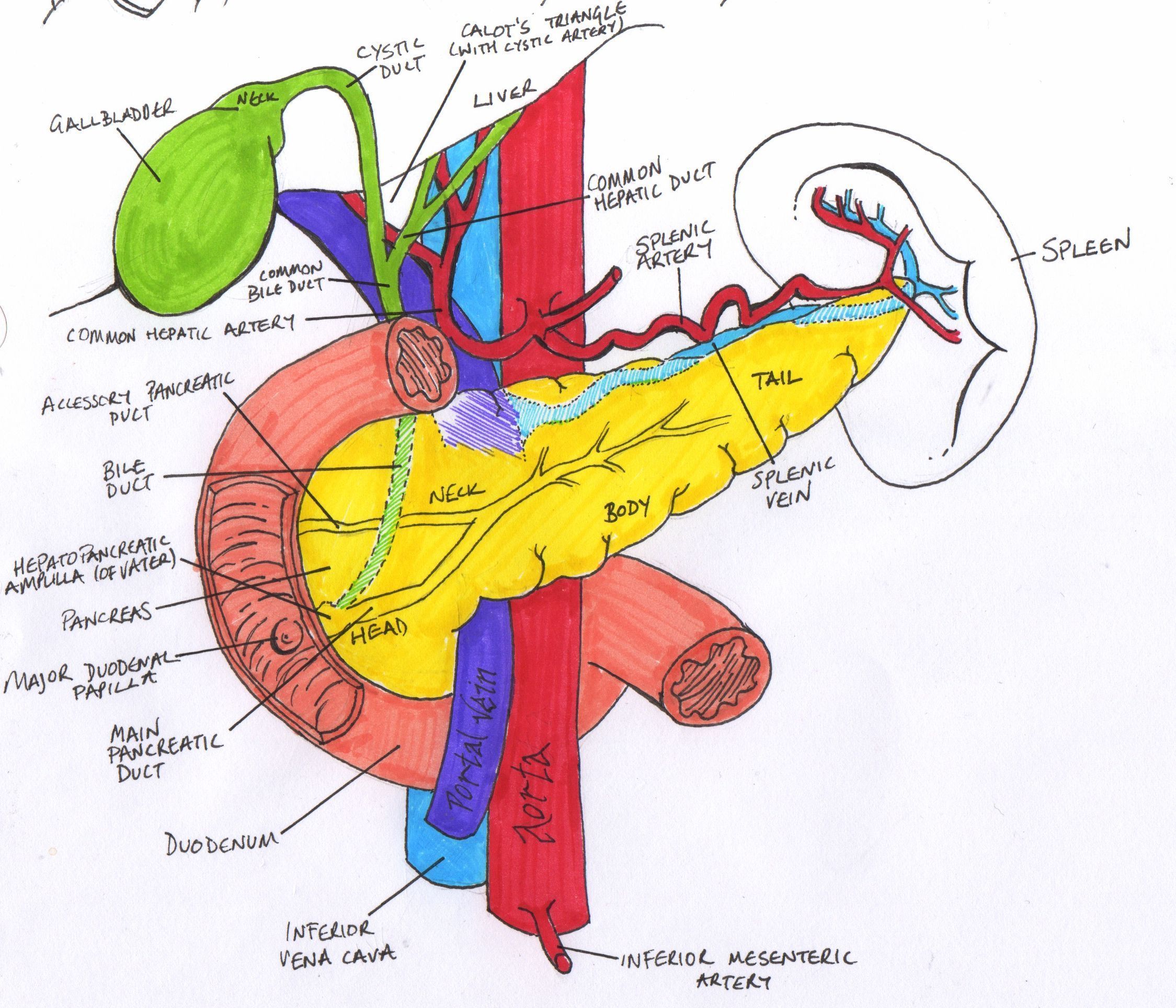
- pancrease
- Anatomy
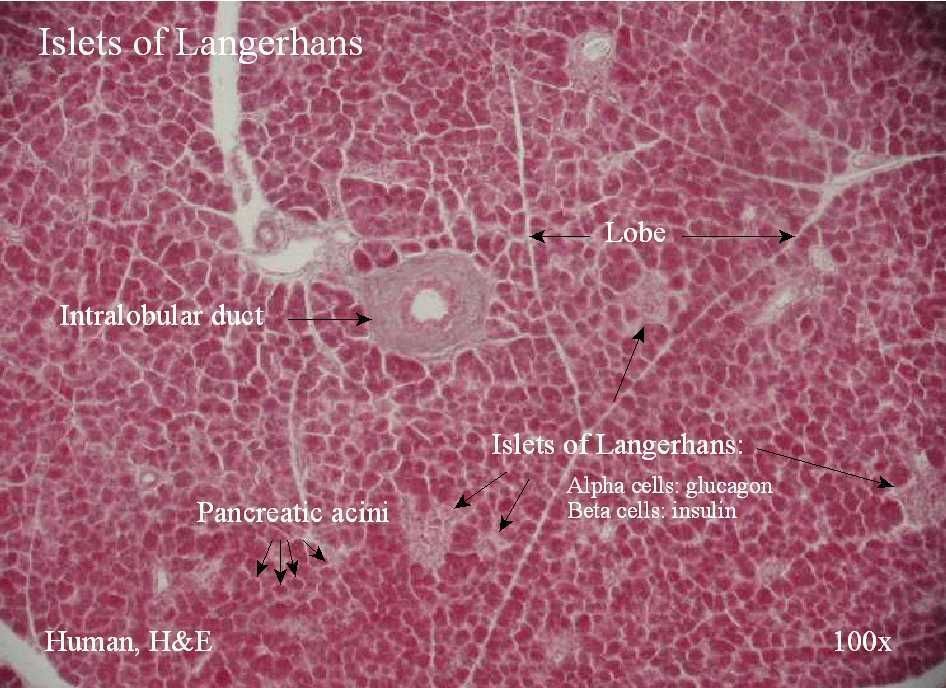
- Histology
- Millions of islets found in pancreatic tissue
- Beta cells: Insulin
- Centrally located
- Alpha cells: Glucagon
- Delta cells: Somatostatin
- PP cells: pancreatic polypeptide
- Epsilon cells: ghrelin
- Anatomy
- Regulation of glucose
- Hormones decrease serum glucose
- Insulin
- Amylin
- GIP
- GLP-1
- Hormones increase serum glucose
- Glucagon
- Cortisol
- Epinephrine
- Growth Hormone
- Hormones decrease serum glucose
- Bichemistry
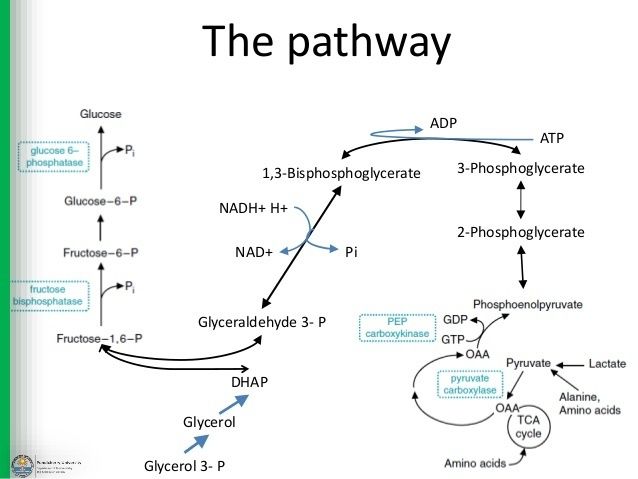
- Gluconeogenesis
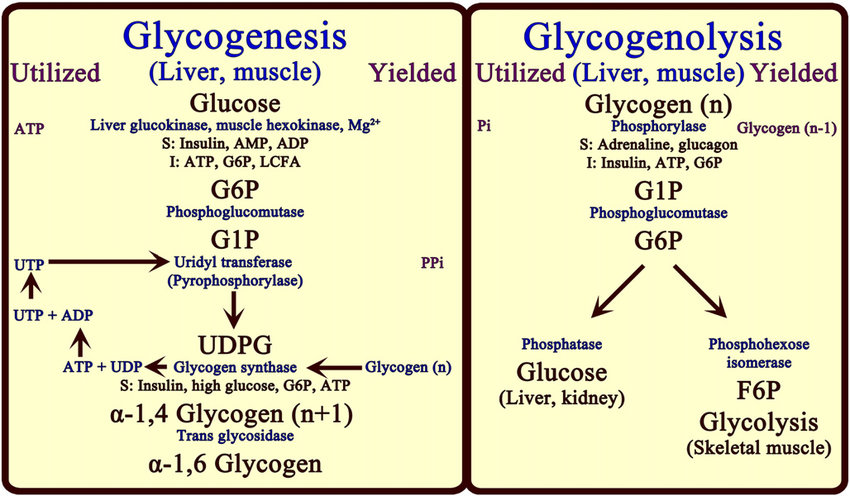
- glycogenolysis
- Gluconeogenesis
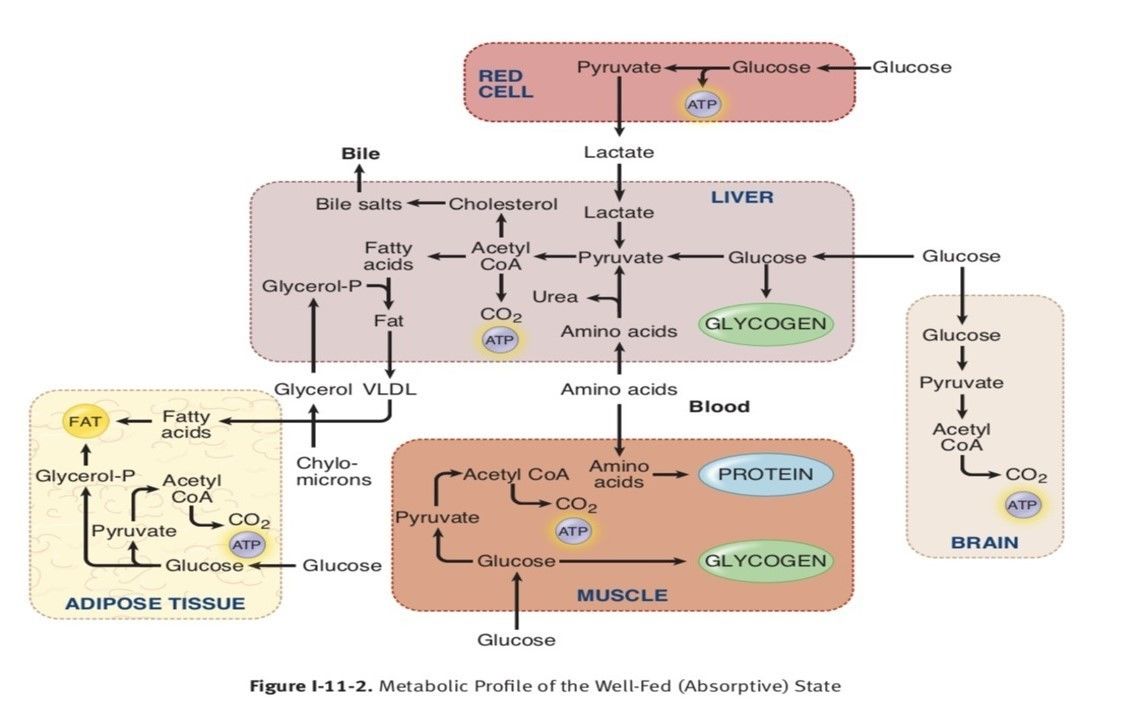
- Carbohydrate, Protein and Fat Metabolism In The Well Fed State
- Hormonal Regulation of Carbohydrate Metabolism
- Insulin
- Increase glycogen synthesis\ Increase glycolysis\ Stimulate PPP\ Decrease glycogenolysis\ Decrease gluconeogenesis
- Glucagon
- Decrease glycogen synthesis\ Increase glycogenolysis\ Increase gluconeogenesis
- Epinephrine
- Decrease glycogen synthesis\ Increase glycogenolysis\ Increase gluconeogenesis
- Cortisol
- Increase glycogenolysis Increase gluconeogenesis
- Growth hormone
- Increase glycogenolysis Increase gluconeogenesis
- Thyroid hormone
- Increase glycogenolysis Increase gluconeogenesis
- Insulin
- Hormonal Regulation of Carbohydrate Metabolism
- pancrease
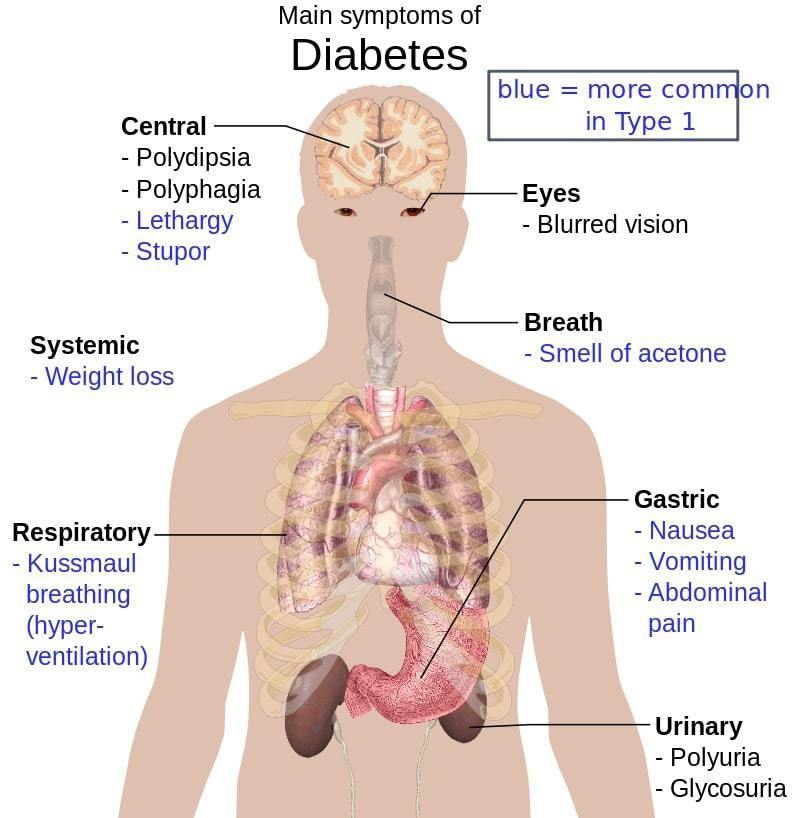
- Cause Polyuria
- Diabetes
- Epidemiology
- The number of people with diabetes has risen from 108 million in 1980 to 422 million in 2014.
- Rate of diagnosed diabetes is 15.1% of American Indians/Alaskan Natives
- in 2017, 17.3% of the UAE population between the ages of 20 and 79 have type 2 diabetes.
- There are over 1 million people living with diabetes in the UAE
- the country 15th worldwide for age-adjusted comparative prevalence.
- There are over 1 million people living with diabetes in the UAE
- The number of people with diabetes has risen from 108 million in 1980 to 422 million in 2014.
- Types
- Type 1
- Immune mediated
- Idiopathic
- LADA (1.5)
- Etiology and pathogensis
- Insulin - dependent diabetes mellitus
- Strong association with HLA
- Autoimmunity “Evidence
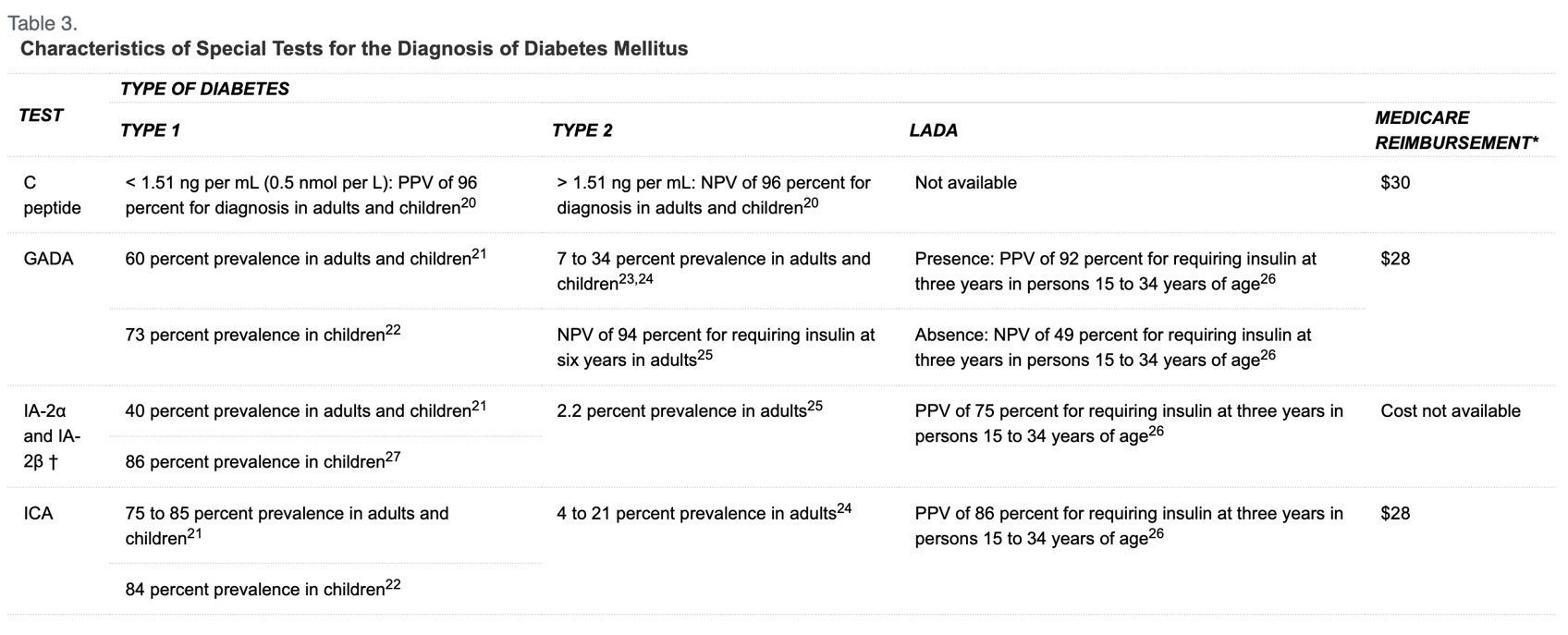
- Autoantibodies: GAD65 / Insulin / Tyrosine phosphatases IA-2 /ZnT8
- Lymphocytic infiltration (Insulitis)
- Other autoimmune diseases
- Environmental factors
- Virus infection: Islet cell injury / Molecular mimicry / Precipitating virus
- Chemicals/Drugs: Streptozotocin / Alloxan / Pentamidine
- Type 2
- Insulin resistance
- Secretory defect
- Etiology and pathogensis
- Genetic factors
- Environmental factors
- Obesity
- Physical activity
- Psychosocial stress
- Abnormal insulin secretion
- Insulin resistance
- Reduced number of receptors
- Abnormally functioning receptors
- Post-receptor defects associated with normal insulin binding
- Gestational
- Due to hormones
- Monogenic
- MODY
- Permanent Neonatal diabetes
- Mitochondrial diabetes
- Secondary
- Pancreatic disease / Endocrinopathies / Drug induced / Insulin action / Genetics syndromes / Infection
- Type 1
- Clinical presentation
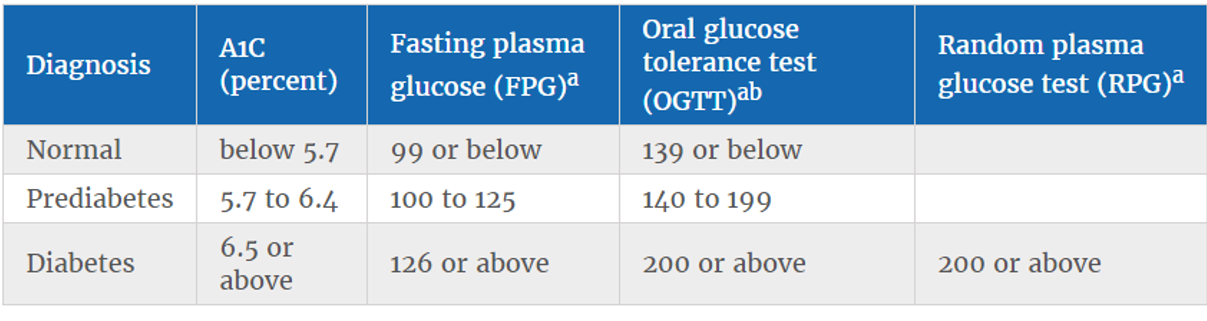
- investigation
- Fasting plasma glucose test
- after fasting for at least 8 hours
- Random plasma glucose test
- Oral glucose tolerance test
- Oral glucose load administered
- Plasma glucose measured 1-3 hours later
- Often used to screen for gestational diabetes
- Hemoglobin A1C
- Reflects average glucose over past 3 months
- Important for monitoring therapy
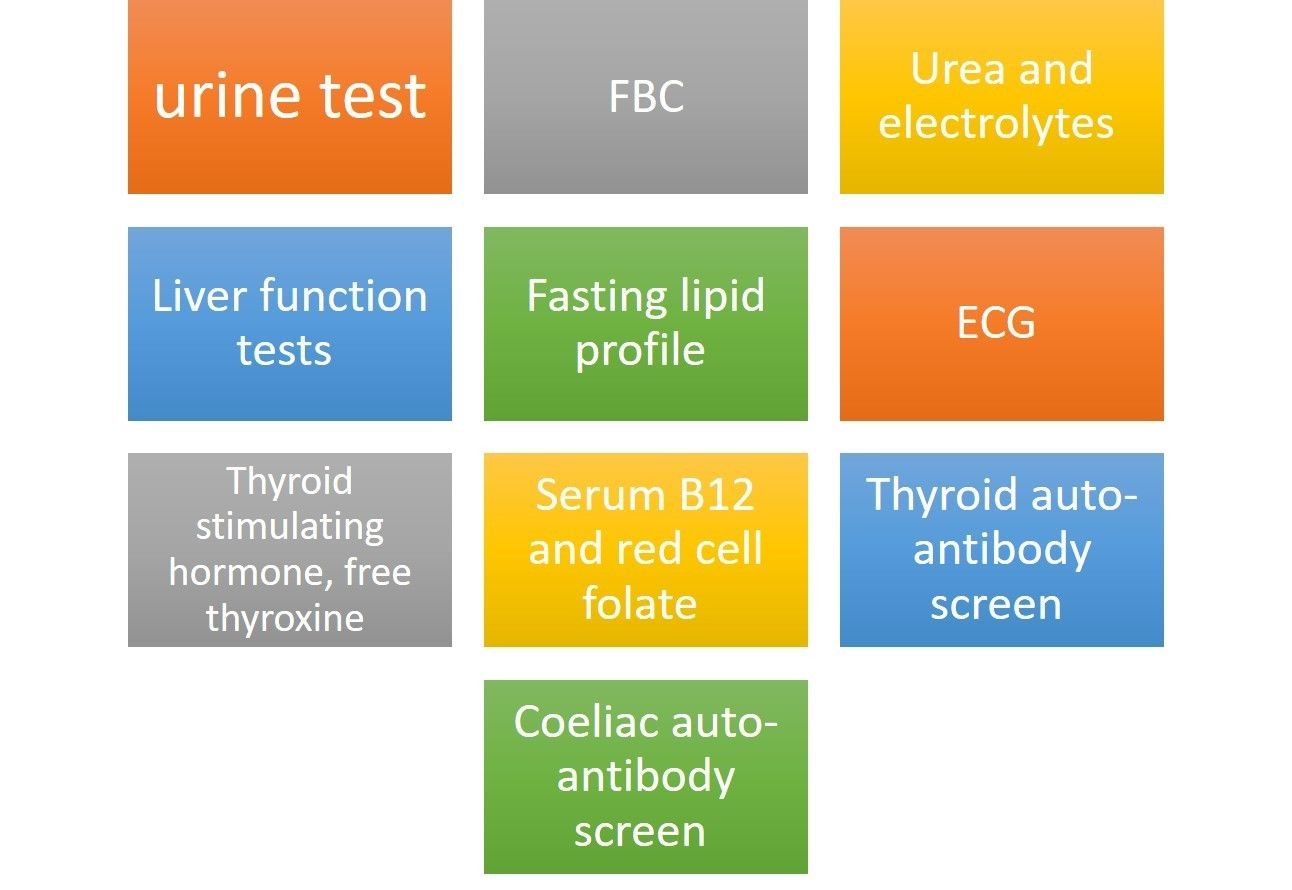
- Other special tests
- Other tests
- Fasting plasma glucose test
- Management
- Lifestyle modification
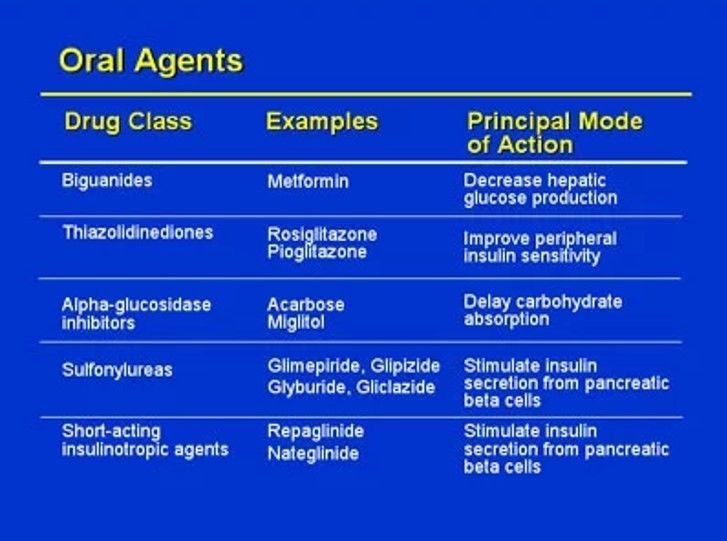
- Oral hypoglycemics
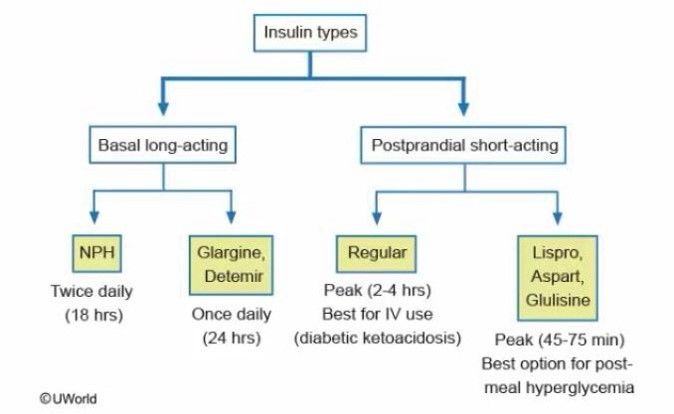
- Insulin therapy
- Pancreatic transplant
- Indications
- Type 1 diabetes that can't be controlled with standard treatment
- Frequent insulin reactions
- Consistently poor blood sugar control
- Severe kidney damage
- Type 2 diabetes associated with both low insulin resistance and low insulin production
- Complications
- Blood clots\ Bleeding\ Infection\ hyperglycemia\ Urinary complications, including leaking or urinary tract infections\ Failure of the donated pancreas\ Rejection of the donated pancreas
- Indications
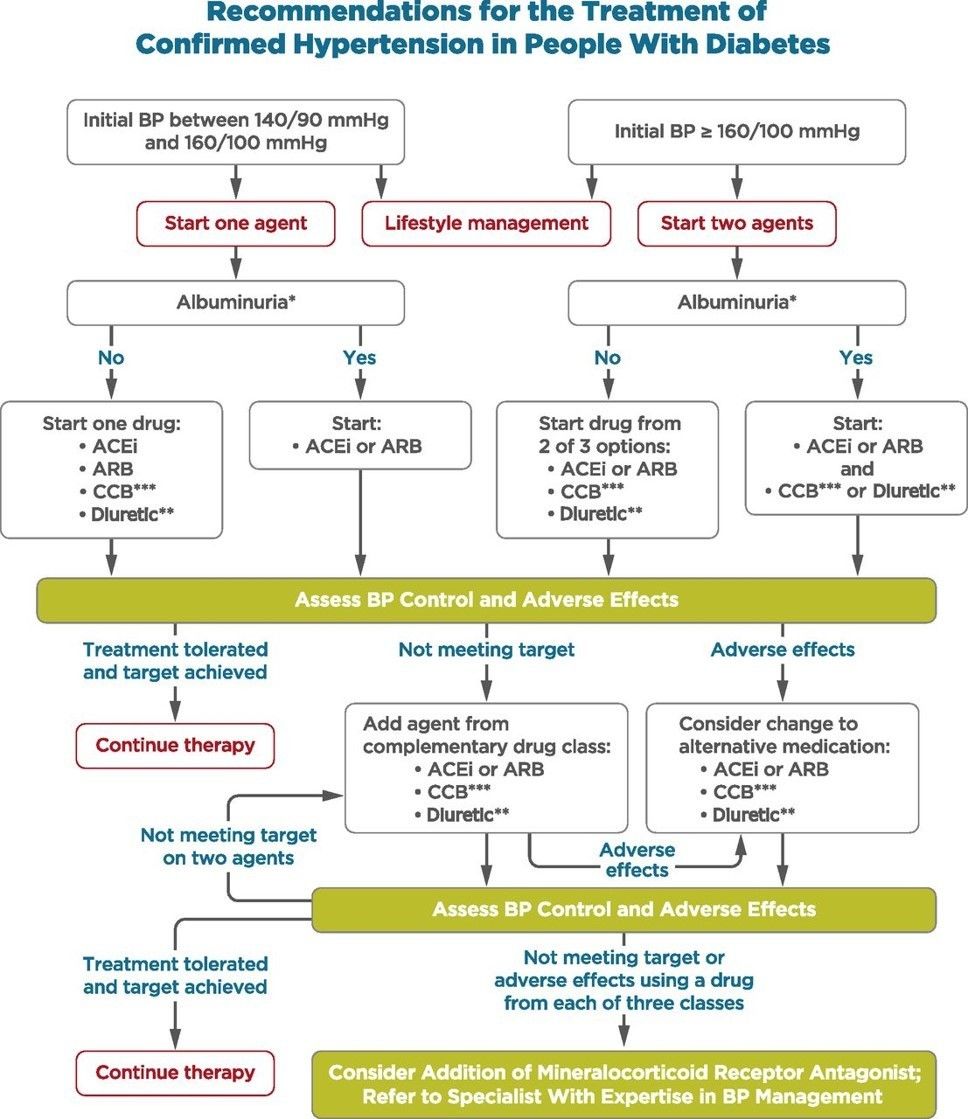
- Management of HTN in diabetes
- Complications
- Diabetic Ketoacidosis
- Free fatty acids released in the periphery are bound to albumin and transported to the liver, converted to ketone bodies.
- The primary ketone bodies β-hydroxybutyrate (βHB) and acetoacetic acid (AcAc) account for the metabolic acidosis seen in DKA. AcAc is metabolized to acetone, another major ketone body.
- Increased ketogenesis. Low insulin levels decrease the ability of the brain and cardiac and skeletal muscle to use ketones as an energy source, increasing ketonemia.
- Hyperglycemia will cause osmotic diuresis resulting in volume depletion.
- As adipose tissue is broken down, prostaglandins I2 and E2 are produced. Both account for the paradoxical vasodilation that occurs despite profound levels of volume depletion.
- Hyperglycemia will cause osmotic diuresis resulting in volume depletion.
- Increased ketogenesis. Low insulin levels decrease the ability of the brain and cardiac and skeletal muscle to use ketones as an energy source, increasing ketonemia.
- The primary ketone bodies β-hydroxybutyrate (βHB) and acetoacetic acid (AcAc) account for the metabolic acidosis seen in DKA. AcAc is metabolized to acetone, another major ketone body.
- High concentrations of ketones can make the urine acidic and cause fruity-smelling breath
- If not managed, this condition can progress to coma (prolonged unconsciousness) and even death.
- Free fatty acids released in the periphery are bound to albumin and transported to the liver, converted to ketone bodies.
- Diabetic Ketoacidosis
- Epidemiology
- Primary Polydipsia
- Central and Nephrogenic Diabetes Insipidus
- Diuretics / Caffeine / Ethanol
- Diabetes
- Diabetes
- hypoxia
- Endocrine disorders
- Hypoglycemia
- medications
- Anticholinergics
- Withdrawl
- Alcohol
- Drug Abuse
- opoids
- MI
- CNS disorders
- Differential diagnosis
Imágenes y archivos del mapa
Información
- Descripción
- Mapa Mental sobre Fatima was brought confused, creado por hamda ali el 03/03/2019.
- Creado por
- hamda ali
- Visitas
- 85
- Valoración