
Mapa mental
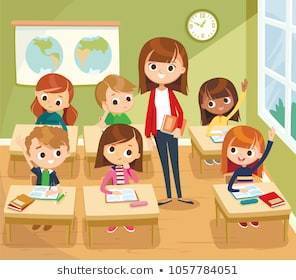
Managing the classroom
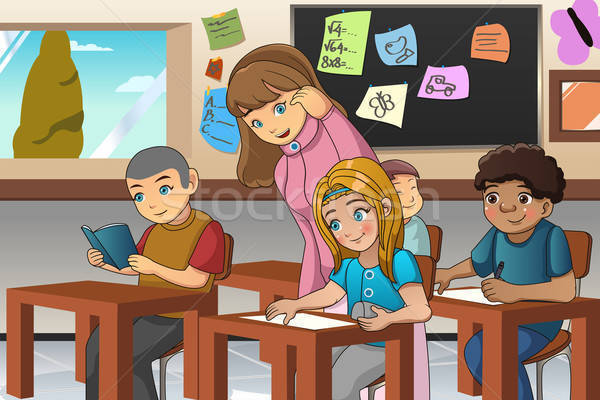
Contenido del mapa
Managing the classroom
1. Classroom management
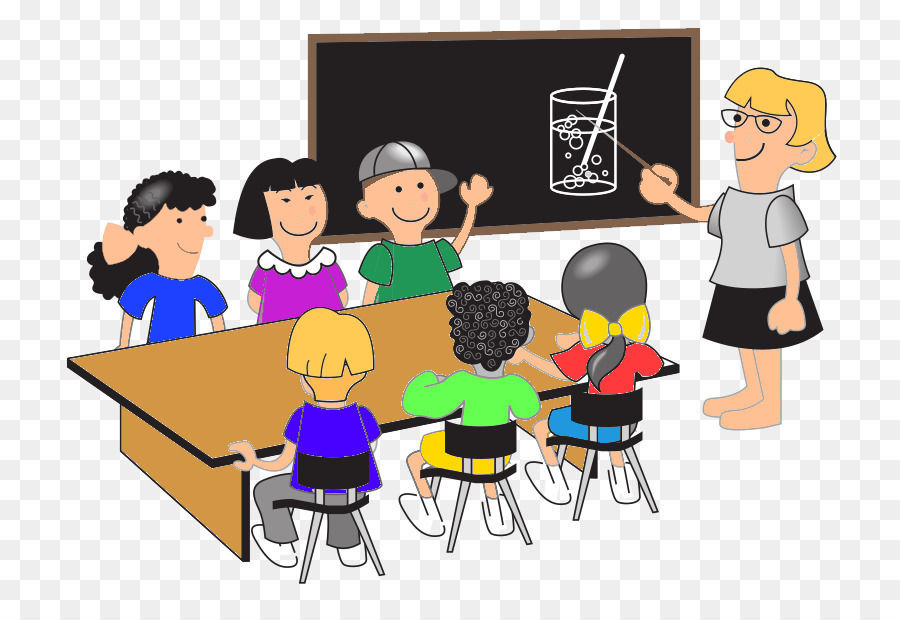
- It is the way that the teacher adequates the resources, activities and control of the classroom, in order to make easier the learning process.
2. The teacher in the classroom
- Just the physical presence of the teacher is very important. But there are some important aspects that teachers need to know.
- Proximity
- The teacher should decide how close would be of the students, because some students do not like to be close of the teacher.
- Appropriacy
- The way that teachers sit or stand is crucial to the relationship that they create with students.
- Awareness
- To manage the classroom, the teacher has to pay attention of how students work and what they feel.
- Movement
- The teacher needs to decide where to stand or walk while students are working.
- Proximity
- Just the physical presence of the teacher is very important. But there are some important aspects that teachers need to know.
3. Using the voice
- The way that teachers speak is one of the most important aspects of the classroom. The voice of teachers needs to manage control in the class. It has 3 important aspects.
- Audibility
- All the students need to listen clearly, teachers need to use an adequate voice volume.
- Variety
- Teachers need to change their voices, it means that if they are giving instructions or explaining the topic, the voice shoould be different.
- Conservation
- Like opera singers, teachers need to take care of their voices.
- Audibility
- The way that teachers speak is one of the most important aspects of the classroom. The voice of teachers needs to manage control in the class. It has 3 important aspects.
4. Talking to students
- The interaction that teachers have with them students play a big role, it helps students to create a good environment in the classroom, because of the students have the opportunity to be confidence with the teacher.
5. Giving instructions
- Teachers need to give the instructions as simple as possible, because when students do not understand the instructions, they start doing a mess. When the instructions are been given, teachers need to check that students have understood and are working.
6. Student talk and teacher talk
- In the major part of the class, the teacher is the only person that talks in the time of classes, but it is too important that students can have an opportunity to talk and can practice the learned topics.
7. Using the L1
- Teachers need to involve all the environment in the target language (in this case English) but they also have the opportunity to use the mother tongue to explain complicated instructions or encourage them (individually).
8. Creating lesson stages
- Teachers must plan the lesson, because doing that they have an estimated time to start the activity and end it. They can suppose the attitudes that students will take.
9. Different seating arrangements
- There are many different ways that students can sit in order to help them with behaviors and make the learning process easier. Here we have some examples of the most common types.
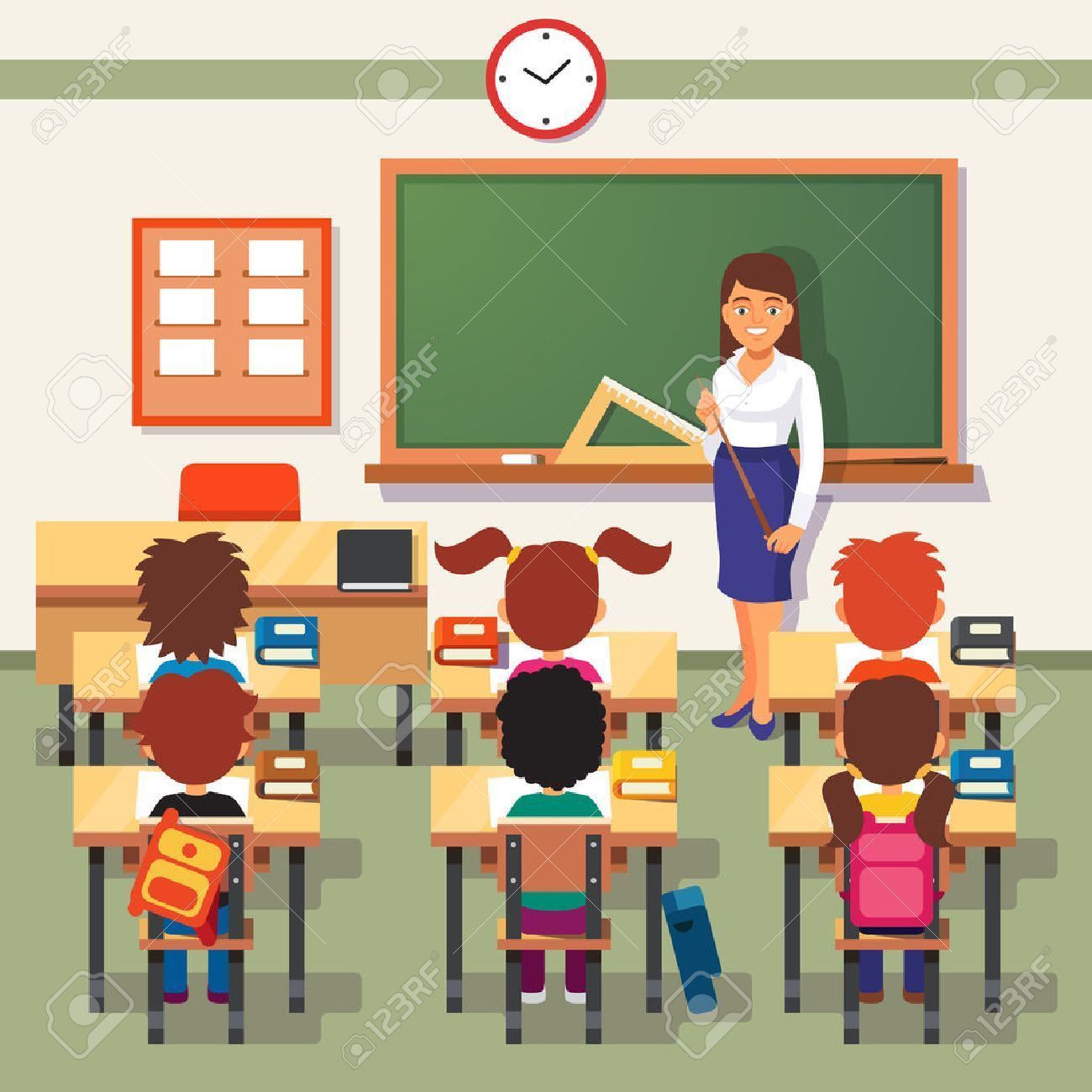
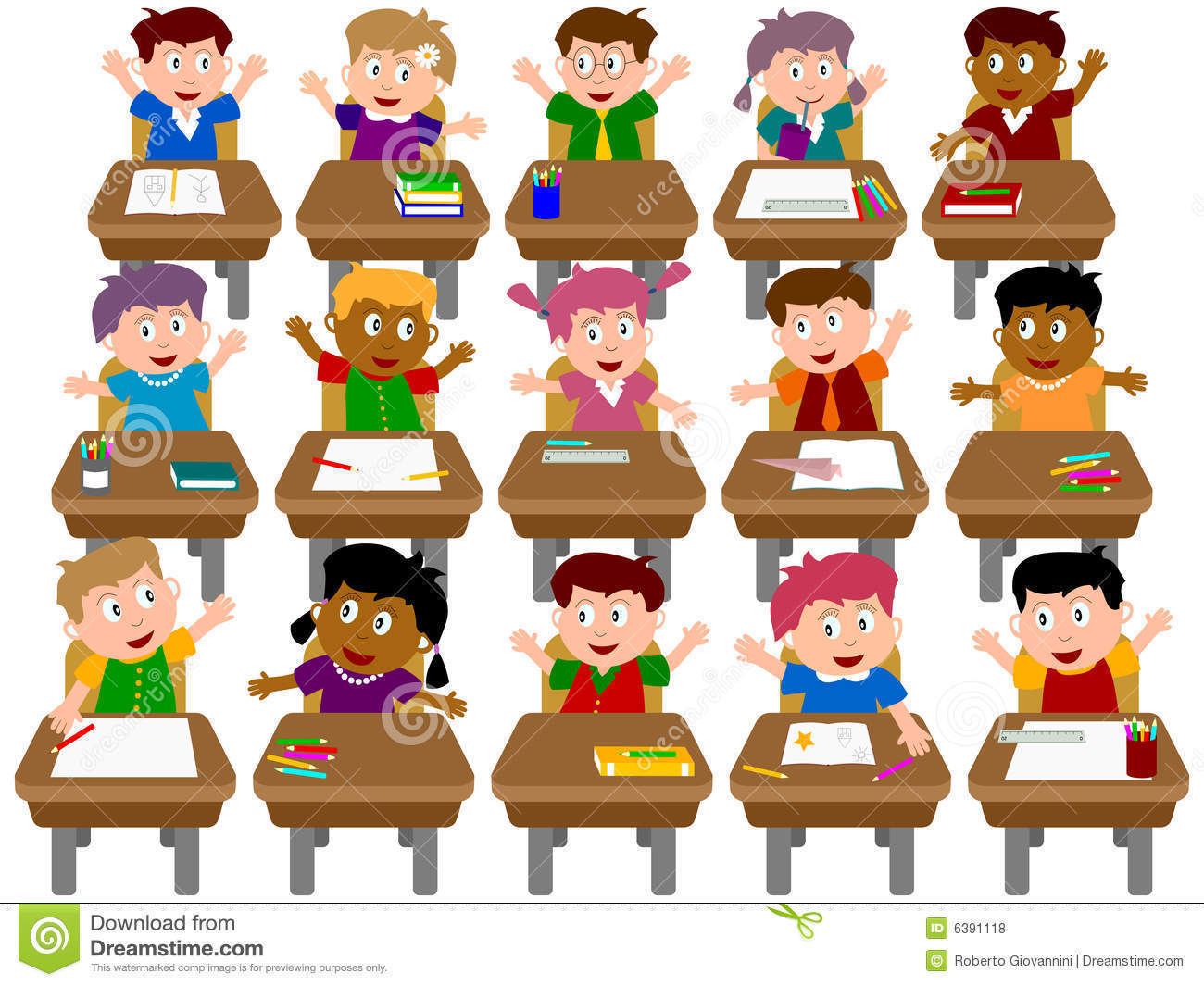
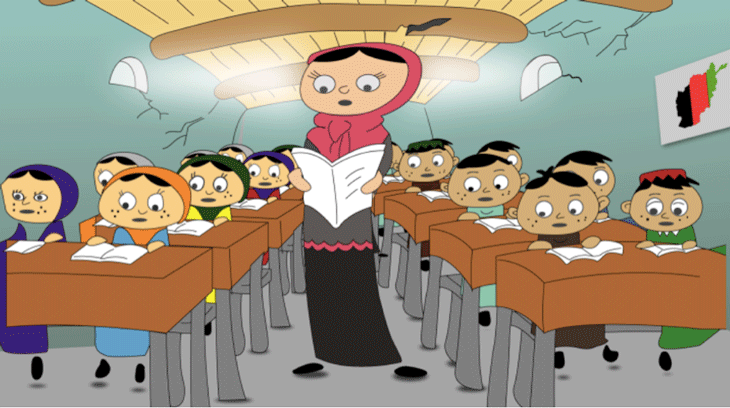
- Orderly rows
- Students sit in rows orderly, the teacher is able to look to each student, this arrangement is used with large groups.
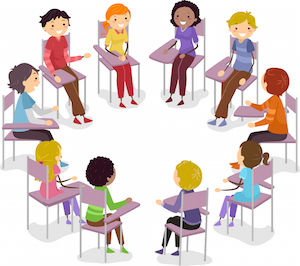
- Circles and horseshoes
- This arrangement helps the teacher to involve students in the class and to keep control of their behaviours.
- Separate tables
- This arrangement is usted with samll groups, the teacher feels easier the teaching process, becuase he/she can go to each student.
- Orderly rows
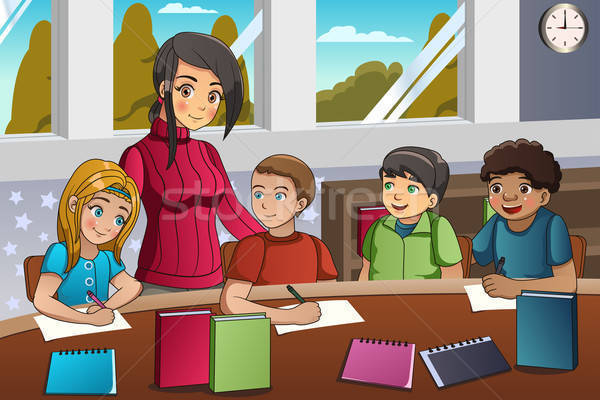
- There are many different ways that students can sit in order to help them with behaviors and make the learning process easier. Here we have some examples of the most common types.
10. Different student groupings
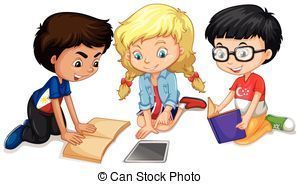
- Inside the classroom, students have an opportunity to work in different forms. In order to help them with the communication.
- Whole class
- This type can be dynamic, motivational. Teachers can have all the students focusing on them.
- Groupwork and pairwork
- The cooperative learing is too important. In the groups, they create their own knowledge through role-plays, discussions, etc.
- Class-to-class
- The join of two or more classes, they can interact and help students of the other class. Students can feel motivaded and engaged to the class.
- Solowork
- Students can work through the best way that they like, using their own speed, and they create their own knowledge.
- Whole class
- Inside the classroom, students have an opportunity to work in different forms. In order to help them with the communication.
Imágenes y archivos del mapa

Información
- Descripción
- Mapa Mental sobre Managing the classroom, creado por Kathy Vanegas el 17/05/2019.
- Creado por
- Kathy Vanegas
- Visitas
- 4
- Valoración