
2069769
Descripción

Mapa Mental por spafferine1, actualizado hace más de 1 año
|
|
Creado por spafferine1
hace más de 11 años
|
|
The Solar System
- Observing objects in space
- Luminous objects in space give out visible light
- These visible light waves allow people to study different objects
- These visible light waves allow people to study different objects
- Many objects don't give out visible light
- They emit radio waves and microwaves
- Different types of telescopes are used to detect the different waves
- Scientists use this data to make conclusions about the Universe
- Scientists use this data to make conclusions about the Universe
- Different types of telescopes are used to detect the different waves
- They emit radio waves and microwaves
- Luminous objects in space give out visible light
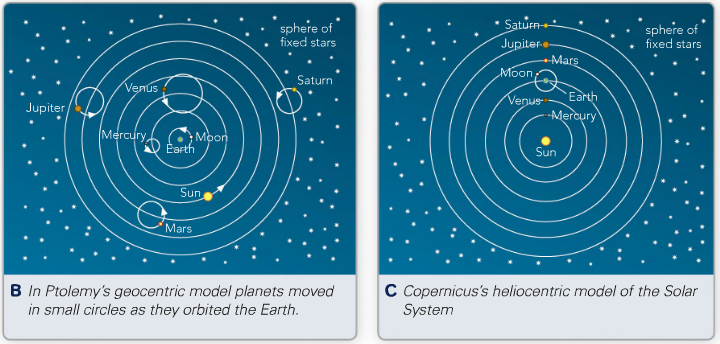
- Solar System models
- Geocentric model
- Ptolemy's geocentric model
- Planets moved in small circles as they orbited the Earth
- Planets moved in small circles as they orbited the Earth
- Ptolemy's geocentric model
- Heliocentric model
- Copernicus's heliocentric model
- A model with the Sun at the centre of the Solar System
- A model with the Sun at the centre of the Solar System
- Copernicus's heliocentric model
- Geocentric model
- Telescopes
- With the invention of the telescope, it allowed scientists to see objects in space in much greater detail
- Galileo discovered four of Jupiter's moons using a telescope
- By plotting the movements he showed that not everything orbited the Earth
- This and other observations supported Copernicus's idea
- Supported the heliocentric model
- Supported the heliocentric model
- This and other observations supported Copernicus's idea
- By plotting the movements he showed that not everything orbited the Earth
- As telescopes improved more discoveries were made
- Like the planets Uranus and Neptune and the dwarf planet Pluto
- Like the planets Uranus and Neptune and the dwarf planet Pluto
- Galileo discovered four of Jupiter's moons using a telescope
- With the invention of the telescope, it allowed scientists to see objects in space in much greater detail
Recursos multimedia adjuntos
¿Quieres crear tus propios Mapas Mentales gratis con GoConqr? Más información.