
Mapa mental
MODALS OF DEDUCTION
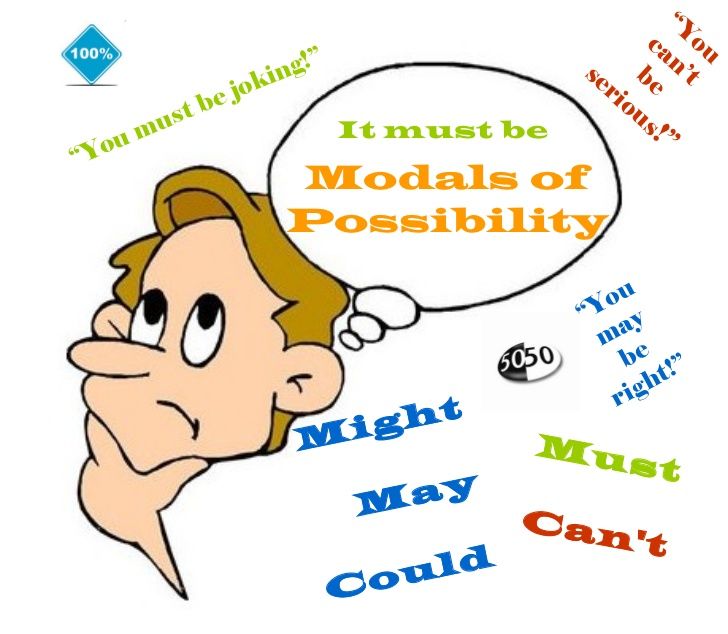
Contenido del mapa
MODALS OF DEDUCTION
We use modal verbs to say how sure we are about something.
- must
- She must live close to where she works because she walks to work.
- Must+infinitive without 'to'
- She must live close to where she works because she walks to work.
- might, may, could
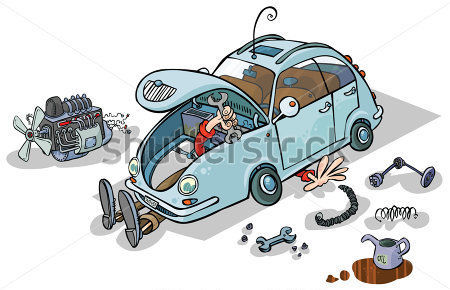
- I don't like the sound of the engine. It could be a mechanical problem.
- He may not like that shirt. I don’t think it's his style.
- We might need to work through the night if we want to get this ready on time.
- (might/may/could+infinitive without 'to')
- We might need to work through the night if we want to get this ready on time.
- He may not like that shirt. I don’t think it's his style.
- I don't like the sound of the engine. It could be a mechanical problem.
- can’t
- It can’t be a mechanical problem. I've just taken the car to a mechanic.
- (can't+infinitive without 'to')
- It can’t be a mechanical problem. I've just taken the car to a mechanic.
- must
Must :: We use must when we feel sure that something is true because there’s very strong evidence.
Might, May or Could : We use might, may or could to say that we think something is possible but we’re not sure.
Can`t : We use can’t when we feel sure something is not true.
'Must', 'might', 'may', 'could' and 'can't' have many more meanings and are used to talk about different situations. Here we have looked at them used for a present deduction.
Imágenes y archivos del mapa


Información
- Descripción
- We use modal verbs to say how sure we are about something.
- Creado por
- kassandra gaviño · mar 2015
- Actualizado
- 16 jul 2016
- Visitas
- 281
- Etiquetas
- Valoración