Mapa mental
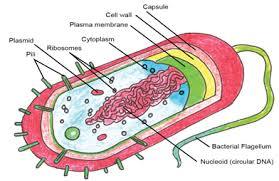
INTERNAL STRUCTURES OF PROKARYOTES
Contenido del mapa
INTERNAL STRUCTURES OF PROKARYOTES
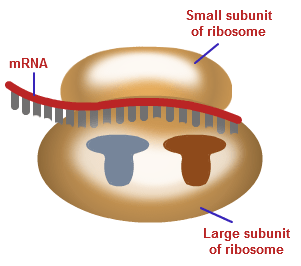
Ribosomes
- structure
- made up of dozens of distinct protein
- consist of two subunits
- large subunit
- small subunit
- function
- sites of protein biosynthesis
- process translating mRNA into protein
- two subunits bind around the polymers of mRNA
- synthesis of protein
- translate genetic message of mRNA into protein during DNA translation
- sites of protein biosynthesis
- structure
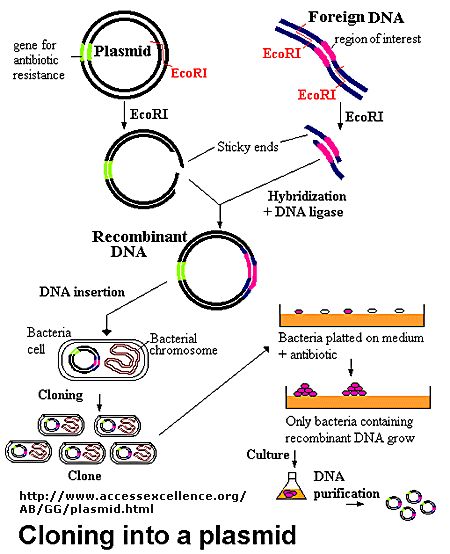
Plasmid
- characteristics
- small
- circular
- double-stranded DNA
- commonly found in bacteria
- function
- pieces of membrane that can manipulated through the use of restriction
- as a basis for bacterial transformation
- characteristics
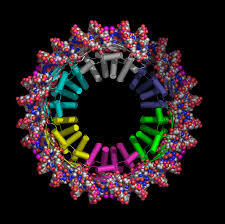
Nucleoid
- meaning
- nucleus-like
- irregular shape within the cell
- called genophore
- characteristic
- contains DNA
- vary in size
- DNA strand
- individual or pairs
- circular or oval
- function
- contain proteins and enzymes
- acts as biological catalysts
- primary center for DNA transcription
- as a less structured way for prokaryotes
- contain proteins and enzymes
- meaning
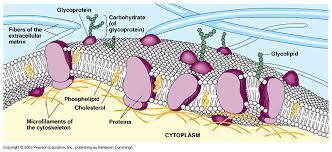
Plasma membrane
- definition
- composed by two layers of phospholipids
- embedded with proteins
- phospholipid bilayer
- semi-permeable membrane
- allow only certain substaince into and out of the cell
- Surrounded
- cytoplasm
- other constituent of the cell
- composed by two layers of phospholipids
- function
- separate the contents from outside environment
- regulate what enter and out of the cell
- base of attachment for the cycloskeleton
- gives support and maintain the shape of the cell
- definition
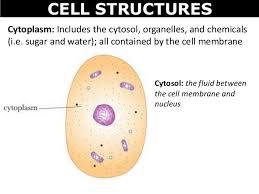
Cytoplasm
- fluid component inside the plasma membrane
- mostly
- water
- salt
- mostly
- function
- contain enzyme
- breaking down waste
- aid in metabolic activity
- gives shape to the cell
- place for organelles to expand and grow
- transport product ofcellular respiration
- act as buffer
- contain enzyme
- fluid component inside the plasma membrane