
Mapa mental
Second Language Acquisition Processes and Theories

Contenido del mapa
Second Language Acquisition Processes and Theories
The Interactionist Model
- Long developed this model in 1980
- Focuses on peer conversation to help the ELL gain exposure and enjoy English.
- The more students converse, they more opportunities they have to learn. Students can interview each other or have peer-to-peer discussions, like think-pair-share exercises.
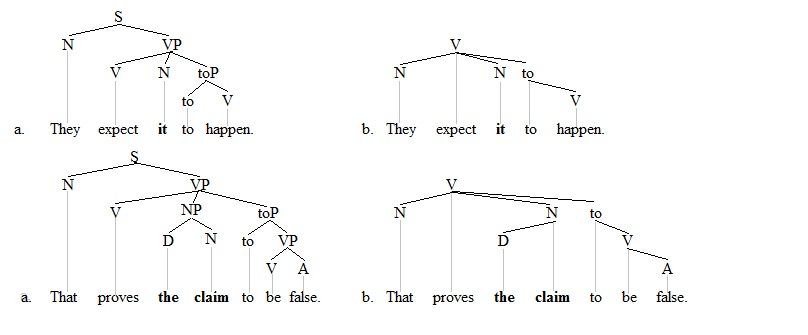
Transformational Grammar
- Chomsky developed this theory.
- This theory states that humans have an "innate ability to understand and produce sentences they have never before heard, because the mind has the capacity to internalize and construct language rules."
- Because Chomsky believes children do not need to be taught language, the only way to implement this to a learner would be to expose him or her to an environment for them to learn the language themselves.
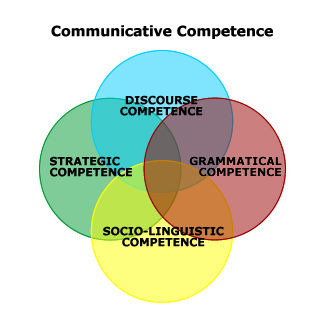
Communicative Competence
- Hymes introduced communicative competence.
- This focuses on how, when, and where to use language appropriately, instead of just knowing how to speak it.
- This can be utilized with learners in many ways. There could be simulations of certain social situations in the classroom where the learner would have to navigate how to converse appropriately, like the task-based learning mentioned in the reading. Also in the reading, was the idea of games, which would help the learner not be as embarrassed and keep a high self-esteem while learning.
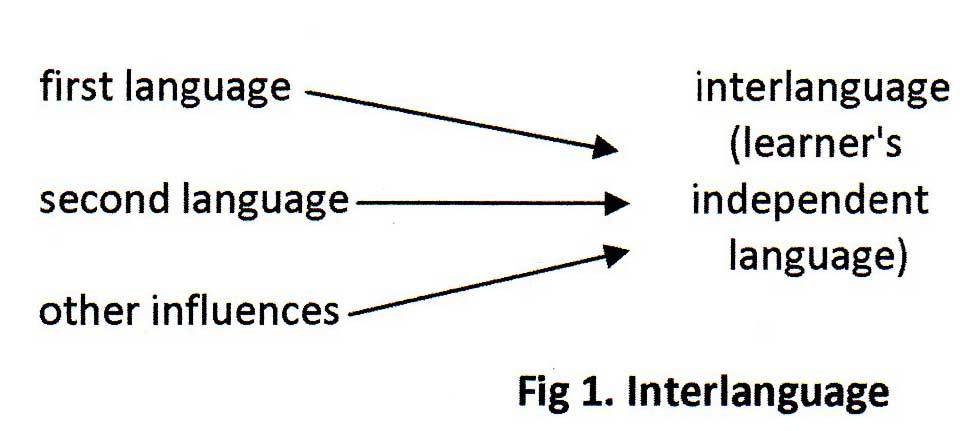
Interlanguage Theory
- Selinker hypothesized this theory in 1972.
- The learner uses an intermediate system that uses four different types of knowledge, which are "knowledge about the second language, competence in the native language, ability to use functions of language, and general world knowledge.
- Using assessment to shape instruction is used with this theory. Teachers could have formative assessment through the semester and evaluate their teaching to better cater to the learner.
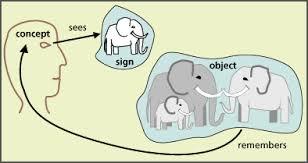
Semiotics
- Chandler (2005), Kress and Van Leeuwen (1995), Scollon and Scollon (2003)
- Uses signs, symbols, icons, and indexes to represent words and meanings.
- Students could use symbols to represent vocabulary. As mentioned in the reading, students could people watch and look for nonverbal symbols such as body language or wardrobe, etc.
Imágenes y archivos del mapa
Información
- Descripción
- Description of 5 Theories/Processes in Second Language Acquisiton
- Creado por
- hkt0002 · feb 2016
- Actualizado
- 14 sep 2016
- Visitas
- 45
- Etiquetas
- Valoración