
Mapa mental
ESL Approaches & Methodologies

Contenido del mapa
ESL Approaches & Methodologies
Grammatical Approach
- Teacher-Centered with Focus on Rules & Structures
- Grammar Translation Method
- Emphasis on reading, writing, & grammar rules
- Ex: Translation of classical texts for grammatical accuracy
- Direct Method
- Total L2 immersion; no L1
- Ex: Rote memorization; drills
- Audiolingual Method
- Sequential development of grammatical structures & vocabulary
- Ex: Pattern drills; dialogue using specific structures
- Classroom Connection: Generally not in use today & not ideal for ESL instruction because all of the methods in this approach are teacher-centered not student-centered
Communicative Approach
- Student-Centered with Emphasis on Communication, Social Interaction, & Meaningful Acquisition of Knowledge
- Classroom Connection: SW, NW, & suggestopedia are no longer used as primary methods for the ESL classroom, because they do not place enough focus on content. However, their influence can be seen through the emphasis on comprehensible input & stress-free classroom environments in other communicative methods like ICB & SI which are used in ESL classrooms today.
- Silent Way
- Teacher modeling followed by student practice with reinforcement through repetition; no L1
- Ex: Teacher gives 1 example, then students practice using structure with peers
- Natural Way
- Comprehensible input; L1 acceptance; minimal error correction; basis for SI
- Ex: Comprehensible Input - use visuals to support meaning, speak clearly, etc.
- Suggestopedia
- Relaxed, stress-free setting; minimal error correction; L1 use for explanations; basis for relaxed settings used by most current communicative methods
- Ex: Use music in background, then students read text in L1, then L2 with visual aids to support meaning. Conversation, retelling, & role-playing also used.
- ICB: Integrated Content-Based Method
- Content/Language Integration; subject area integrated into thematic units
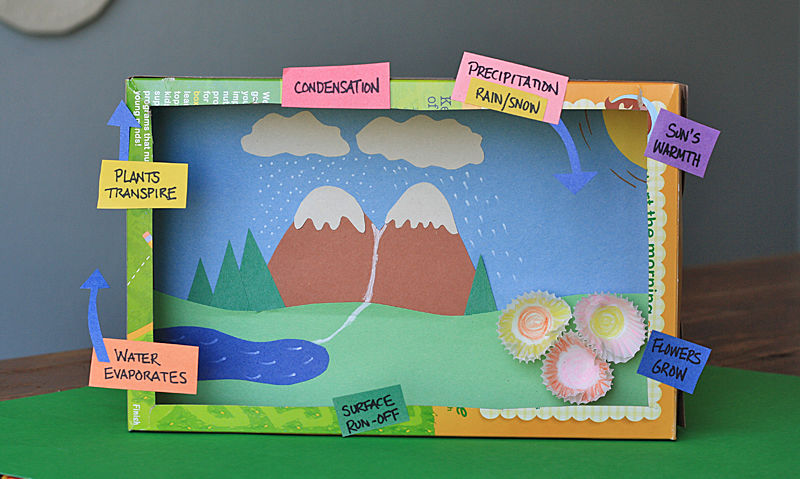
- Ex: Science lesson on water cycle incorporate content goal of learning stages of water cycle and language goals of using transition words
- SI: Sheltered Instruction
- Grade-level modified curriculum; scaffolding; visuals, cooperative learning, & guarded vocabulary
- Ex: Use hands-on activities to teach grade-level concept
Cognitive Approach
- CALLA: Cognitive Academic Language Learning Approach
- "Integrates content subject instruction with academic language development and explicit instruction in learning strategies." Chamot (2009)
- 3 Components
- Topics from the major learning subjects
- Development of academic language and literacy
- Explicit instruction in learning strategies for content and SLA
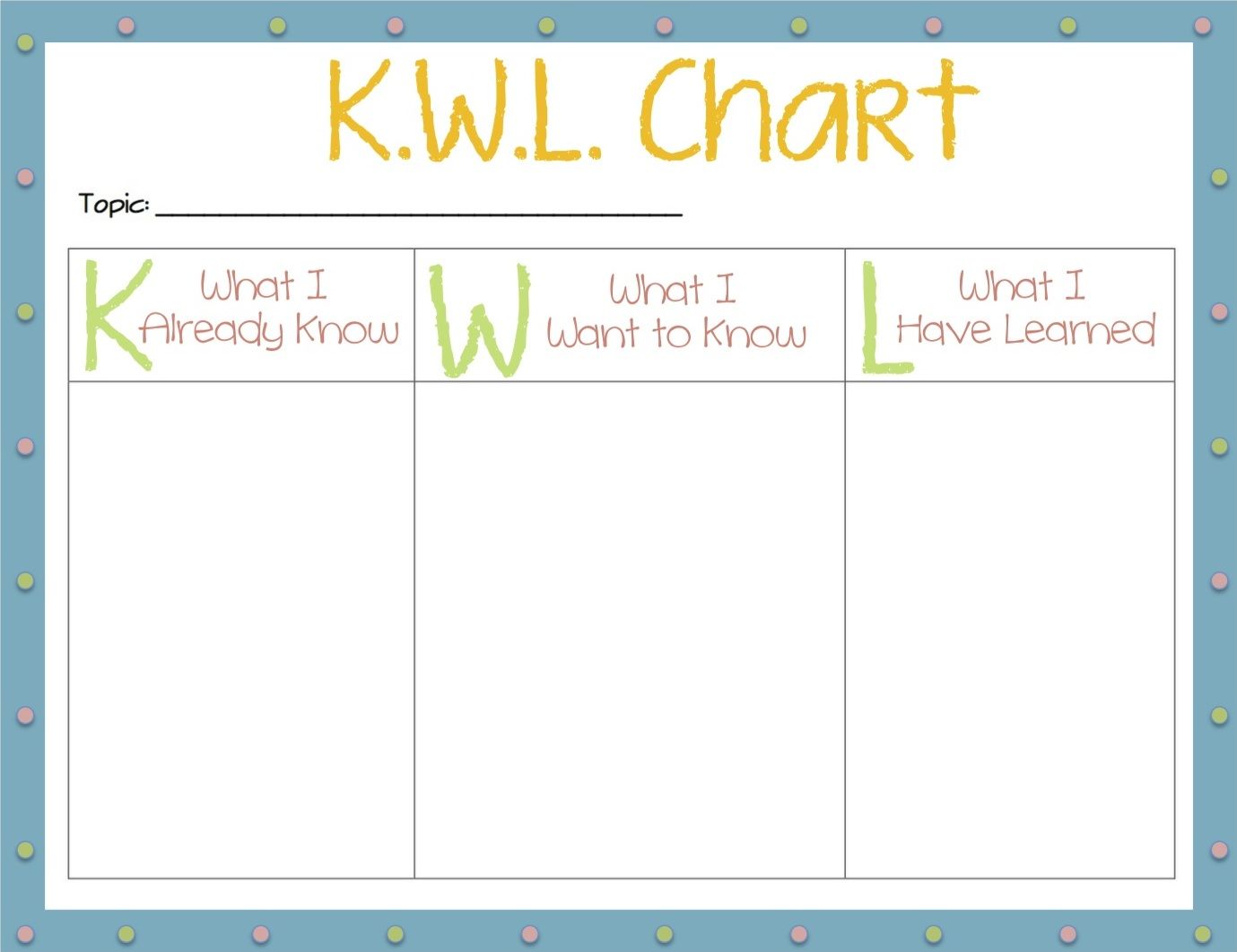
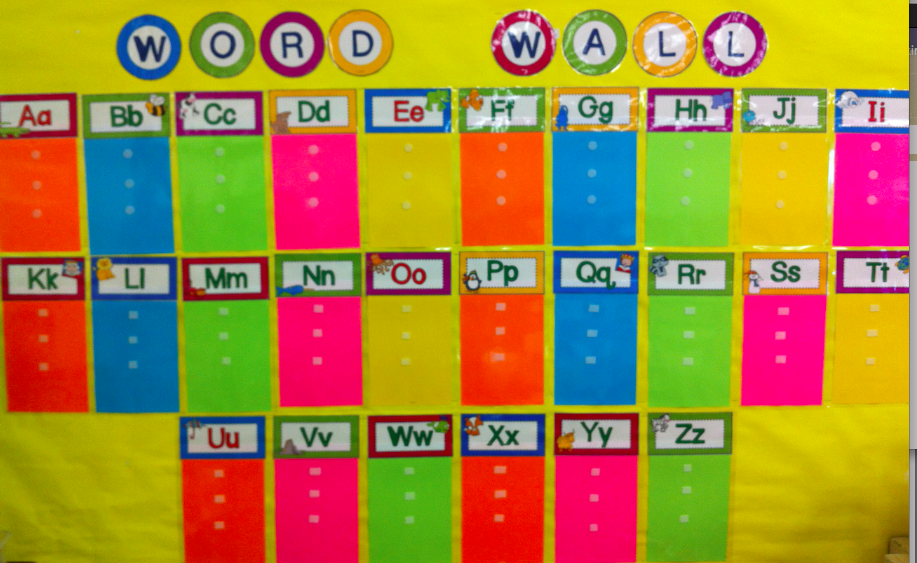
- Ex: KWL chart, word walls, outlines, questioning
- Student-Centered with Emphasis on Teaching of Learning Strategies
- Classroom Connection: The cognitive approach is used today by both ESL and content teachers. Like the communicative approach, it utilizes communication & interaction. However, goes beyond this by emphasizing learning strategies that take into account cognitive factors such as memory, prior knowledge, & reflection as well as others.
- CALLA: Cognitive Academic Language Learning Approach
Imágenes y archivos del mapa

Información
- Descripción
- A look at the approaches and methods used in ESL teaching
- Creado por
- kjkema
- Visitas
- 57
- Etiquetas
- Valoración