
Mapa mental
Module 7: CALLA

Contenido del mapa
Module 7: CALLA
CALLA Model OVERVIEW
- Content-Area Topics
- Actual topics and standards covered in gen-ed classroom
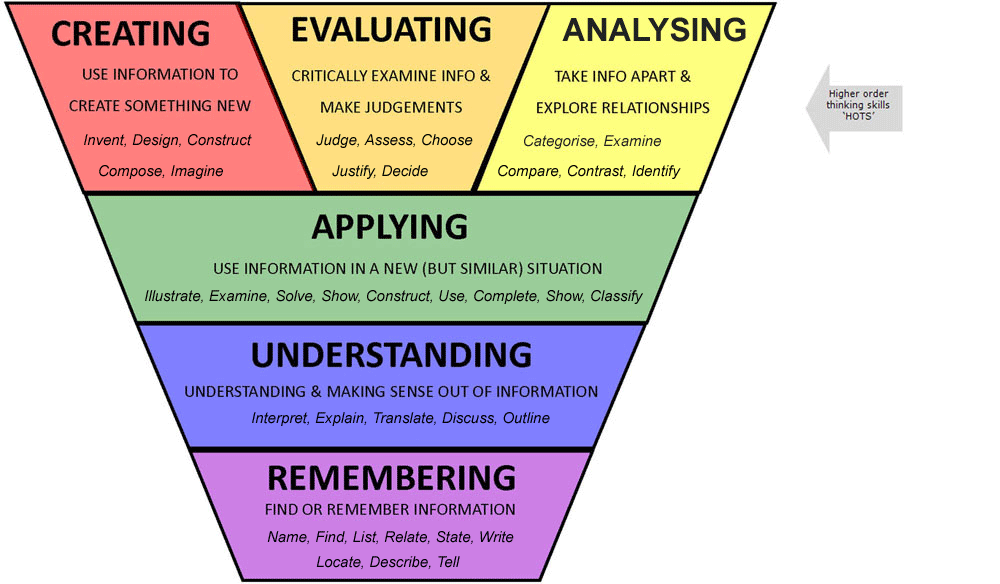
- higher-order thinking
- posing questions, thoughtful answers
- Literacy & academic language development
- 4 language skills: S, L, R, W.
- Not just vocabulary & grammar, also academic language skills
- Scaffolds and contextual support
- Explicit instruction of learning strategies
- Mentally active; analyze and reflect.
- learn to apply strategies to new tasks.
- Content-Area Topics
Conceptual Framework
- Learning is mentally-active, individualized, and affected by social interaction
- Cognitive: How do people process, store, & remember new information/skills.
- Separate memory storage systems for declarative information and for procedural knowledge of skills/processes.
- These knowledges interact, and both are present during academic tasks.
- Separate memory storage systems for declarative information and for procedural knowledge of skills/processes.
- Sociocultural: we learn through social interaction and cultural context.
- Both cognitive and sociocultural factors are important to learn language and content.
- We all learn differently!
Related Instructional Concepts
- Literacy Across the Curriculum
- Language Experience Approach
- Balanced Reading Approach
- Process Writing
- Cooperative Learning
- Inquiry Approaches
- Standards-Based Instruction
Content-Based Instruction
- Provide a foundation for grade-level learning.
- Prioritize topics and skills
- Focus on national/state standards and TESOL
- How do these skills sequence with previous and following grades' standards?
- Identify objectives.
- Take inventory of textbooks and other necessary materials.
- Teach students how to use these resources!
- Motivating
- Give students options.
- Students should make connections between content and their backgrounds.
- Should be "hands-on" and "minds-on."
- Authentic context for learning & learning strategies
- Should be "hands-on" and "mind-on."
- Accommodate for multiple learning styles.
- Teaching learning strategies and model metacognition and problem-solving.
- Explicit instruction
- Provide a foundation for grade-level learning.
Academic Language
- Challenges
- Less contextualized than BICS
- Used in cognitively demanding tasks
- Specific to tasks and texts in content area
- Requires low-level and high-level thinking skills
- Understanding, explain, describe, inform, compare, classify, analyze, infer, justify, persuade, solve problems, synthesize, evaluate.
- Importance
- Key to success in content-areas
- Not usually learned outside of school.
- We cannot assume that students already have experience with this side of language.
- Promotes high-level thinking
- Provides practice in using English as a medium of thought
- Selection
- Identify language used often in content classroom
- Analyze language used in textbooks
- Authentic language tasks: how will students use language in a variety of skill areas?
- Consider 4 language areas: S, L, R, W.
- Student input allows us to diagnose needs, informs instruction.
- Instruction
- Teacher should model its use.
- Encourage awareness -- when you encounter a word, draw student attention to the word and model.
- Create speaking opportunities.
- Provide practice.
- Encourage reading and writing.
- Explicit Instruction
- Text organization & structures.
- Learning strategies
- Teacher should model its use.
- Challenges
Imágenes y archivos del mapa




Información
- Descripción
- Module 7: CALLA word web by Katie Fraley.
- Creado por
- Katie Fraley
- Visitas
- 70
- Etiquetas
- Valoración