
Mapa mental
Java Enterprise
Contenido del mapa
Java Enterprise
Spring MVC
- in java classes
- @Controller
- @Autowired
- set the service name
- @RequestMapping (path="/pathname", method = RequestMethod.POST / RequestMEthod.GET)
- @RequestMapping( path = "/add", method = RequestMethod.POST) public ModelAndView addstudent( @RequestParam("name") String name, @RequestParam("email") String email, @RequestParam("dob") String dob) { try { addStudentService.addstudent(name, email, dob); ModelAndView mv = new ModelAndView("addstudent"); String added = "Student Added!"; mv.addObject("added", added); return mv; } catch (Exception ex) { ModelAndView mv = new ModelAndView("addstudent"); mv.addObject("error", ex.getMessage()); return mv;
- ask autowired service to do something
- servicename.method();
- ModelAndView mv = new ModelAndView("jsp location");
- @Autowired
- @Service
- pass action to JPA or JDBC, get result / throw exception
- @Controller
- import springframework
- in JSP
- <%@ taglib prefix="c" uri="java.sun.com....."
- <c:if test="${error != null}">
- <c: forEach var="st" items="${studentlist}">
- <%@ taglib prefix="c" uri="java.sun.com....."
- in java classes
Server/Client
- Socket programming
- Basic serversocket
- Server side
- import java.io.IOException; import java.net.ServerSocket; public class Server { public static void main(String[] args) { ServerSocket server = null; try { server = new ServerSocket(5000); } catch(IOException e) { e.printStackTrace(); } }}
- while(true) { try { Socket socket = server.accept(); InputStream is = socket.getInputStream(); StringBuffer mesg = new StringBuffer(); while(true) { int data = is.read(); if (data == -1) { break; } else { mesg.append((char)data); } System.out.println(mesg); } catch(IOException e) { e.printStackTrace(); } }
- use socket.getInputStream
- use socket = server.accept();
- open server by ServerSocket(5000)
- decode by StringBuffer
- is.read();
- Client side
- import java.io.IOException; import java.io.OutputStream; import java.net.Socket; public class Client { public static void main(String[] args) { try { Socket client = new Socket("localhost",5000); OutputStream os = client.getOutputStream(); os.write("Hello ISCG7425".getBytes()); os.close(); client.close(); } catch(IOException e) { e.printStackTrace(); } } }
- socket client = new socket("localhost",5000);
- client.getOutputStream
- os.write("msg".getbytes());
- os.close();
- Data Streams
- Socket socket = server.accept(); DataInputStream dis = new DataInputStream(socket.getInputStream()); DataOutputStream dos = new DataOutputStream(socket.getOutputStream()); while(true) { try { String mesg = dis.readUTF(); dos.writeUTF("Echo response:"+mesg); } catch(EOFException e) { break; } }
- Socket client = new Socket("localhost",5000); DataOutputStream dos = new DataOutputStream(client.getOutputStream()); DataInputStream dis = new DataInputStream(client.getInputStream()); dos.writeUTF("Test Message"); String resp = dis.readUTF(); System.out.println(resp); client.close();
- use DataInputStream/DataOutputStream
- dis = new DataInputStream(socket.getInputStream());
- dos = new DataOutputStream(socket.getOutputStream());
- dis.readUTF();
- dos.writeUTF("msg");
- Server side
- Server Threads
- final Socket socket = server.accept(); Thread serverThread = new Thread() { public void run() { try { InputStream is = socket.getInputStream(); StringBuffer mesg = new StringBuffer(); while(true) { int data = is.read(); if(data == -1) break; else mesg.append((char)data); } System.out.println(this.getName() + "\n"+ mesg); }catch(IOException e) { /* … Handle exceptions … / } } }; serverThread.start();
- Thread serverThread = new Thread(){the server activities}
- serverTread.start();
- should include thread.sleep(1000) method
- Basic serversocket
- Servlets and JSP
- http
- text-base protocol for hypertext (HTML)
- 20+ years old
- becomes popular and extended to send other type of data
- simple to implement
- request-respond kind of protocol, only client can request
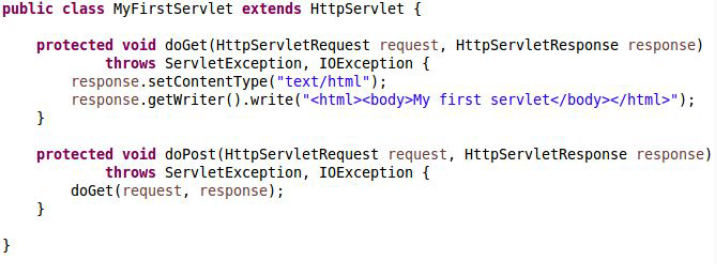
- Servlets
- help developer focus on business rules
- providing resources to handle incoming request and outgoing responds
- need mapping with html url-pattern
- can be done by annotations: @WebServlet("/weblocation")
- JSP
- JavaServerPages
- need not to transfer java to html
- translated to Servlets
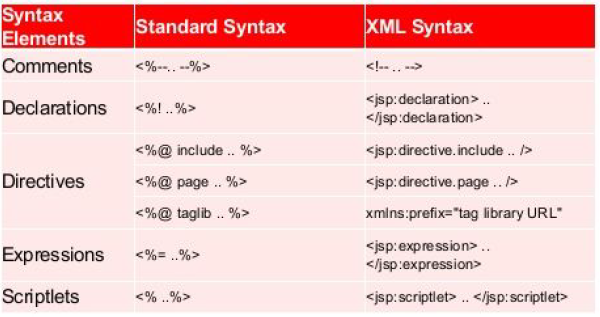
- using <% jave coding %> format to inport code to webpage
- can directly use some variables:request / response / out / session / application
- http
- Socket programming
Database connection
- JDBC
- JDBCDataSource ds = new JDBCDataSource(); // setup URL according to HSQLDB specs ds.setUrl("jdbc:hsqldb:hsql://localhost/contacts"); // set other data source properties ds.setPassword(""); ds.setUser("SA"); // setup global database connection conn = ds.getConnection();
- interface to allow java to access SQL database
- use Classes and Factory method
- Driver based model
- basic setup: port, hostname, schema, database name
- set JDBCDataSource ds --> setUrl & password & username --> getConnection()
- conn = DriverManager.getconnnection(url,username,password)
- PreparedStatement stmt = conn.prepareStatement("SQL Code")
- stmt.setData(value,value);
- stmt.executeUpdate();
- stmt.close(); conn.close();
- stmt.executeUpdate();
- stmt.setData(value,value);
- Statement stmt = conn.createStatement();
- ResultSet rs = stmt.executeQuery("SQL code");
- String name = rs.getString("name");
- rs.close(); stmt.close(); conn.close();
- String name = rs.getString("name");
- ResultSet rs = stmt.executeQuery("SQL code");
- one conn, many stmt, each stmt one rs
- PreparedStatement stmt = conn.prepareStatement("SQL Code")
- JPA
- Java Persistence Architecture
- EntityManager em = factory.createEntityManager();
- em.setFlushMode(FlushModeType.COMMIT);
- em.getTransaction().begin();
- em.createQuery("SELECT u FROM User As u").getResultList();
- em.getTransaction().commit();
- factory.close();
- em.getTransaction().commit();
- em.createQuery("SELECT u FROM User As u").getResultList();
- em.getTransaction().begin();
- em.setFlushMode(FlushModeType.COMMIT);
- set local dataset item by id
- @Entity / @Table(name = "table name in database"
- for mapping
- @ID
- setName / getName
- @Entity / @Table(name = "table name in database"
- JDBC
Imágenes y archivos del mapa
Información
- Descripción
- El usuario ha eliminado su información de asignaturas Mapa Mental sobre Java Enterprise, creado por Usuario eliminado el 23/08/2017.
- Creado por
- Usuario eliminado
- Visitas
- 18
- Historial
-
- Creado por hon sam Chan · 18 jun 2016
- Copiado por Павел Караваев · 23 ago 2017
- Valoración