
Mapa mental
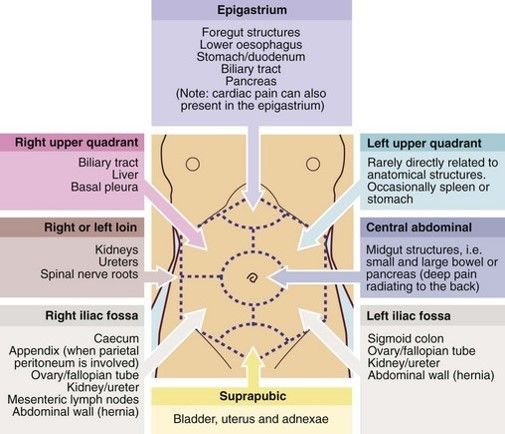
Acute Abdomen
Contenido del mapa
Acute Abdomen
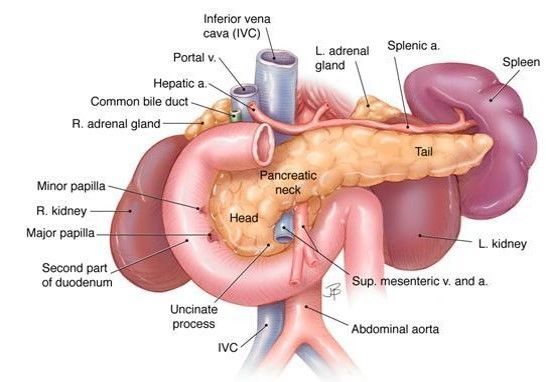
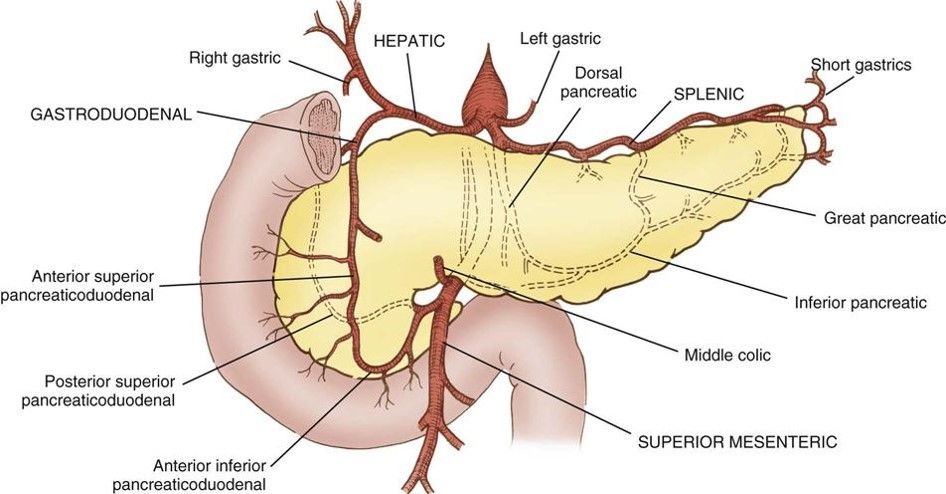
Pancreas Anatomy
- Blood Supply
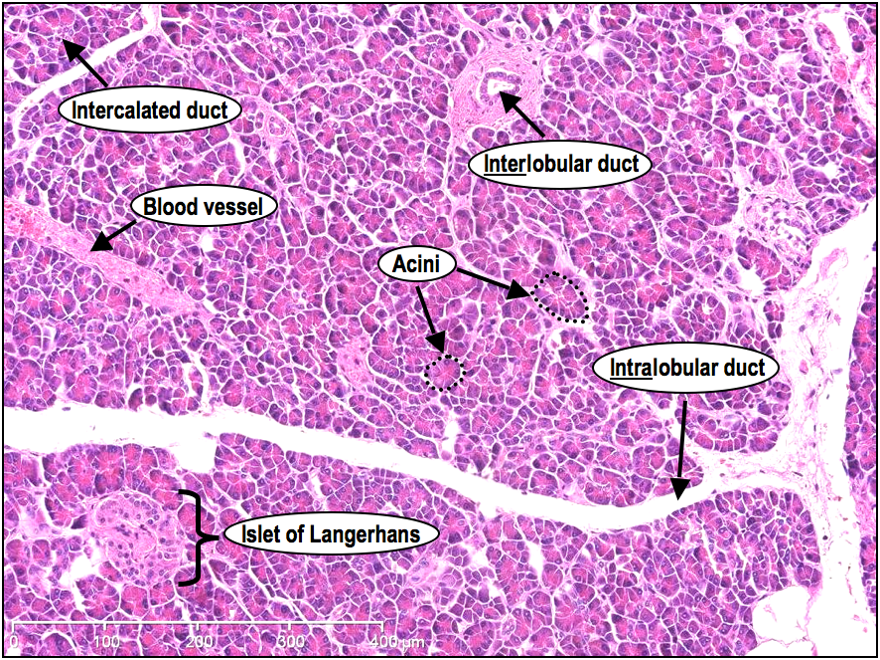
- Pancreas Histology
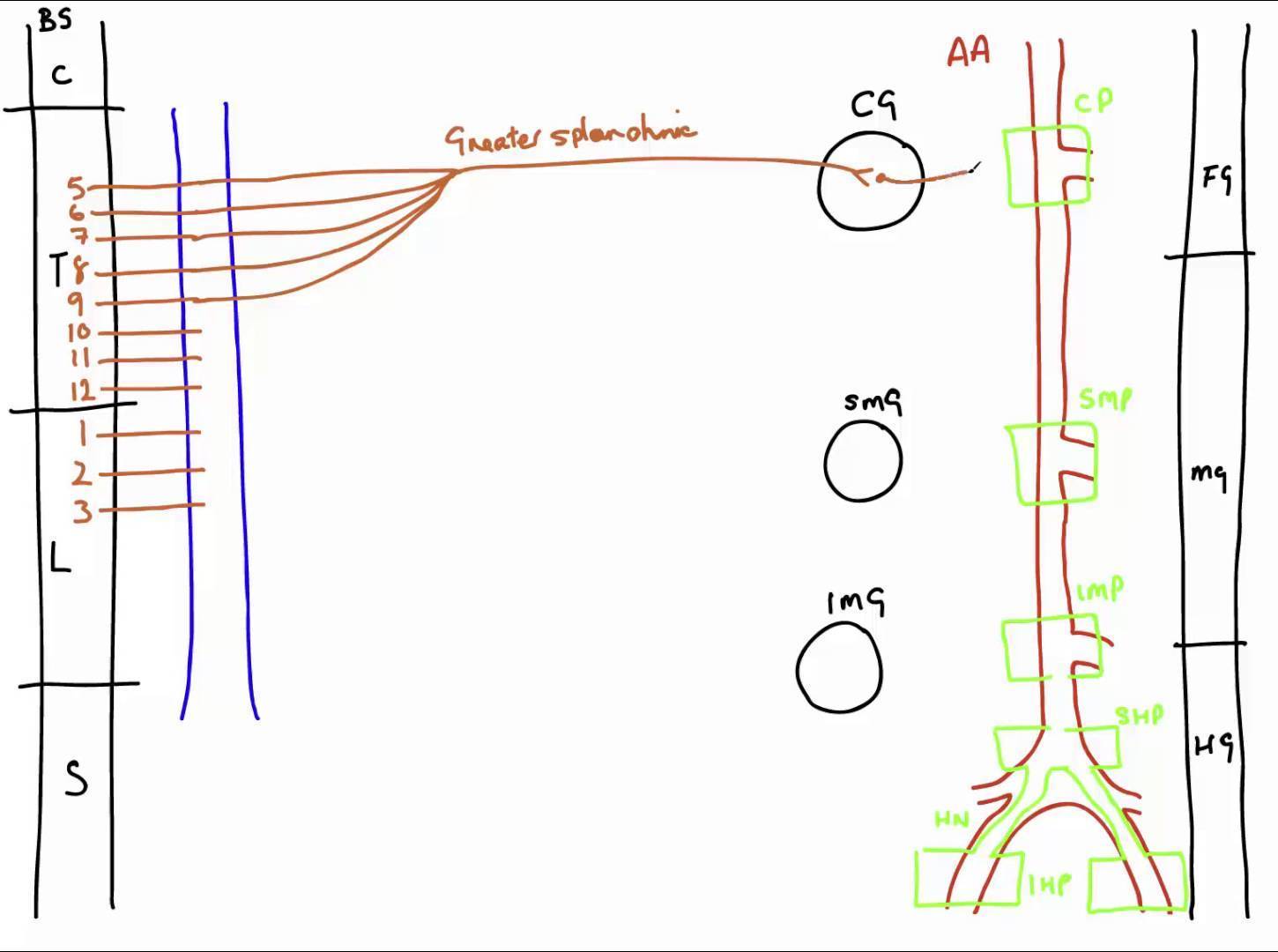
Sympathetic and parasympathetic nerves of the abdomen "innervation"
Physiology of the Pancreas
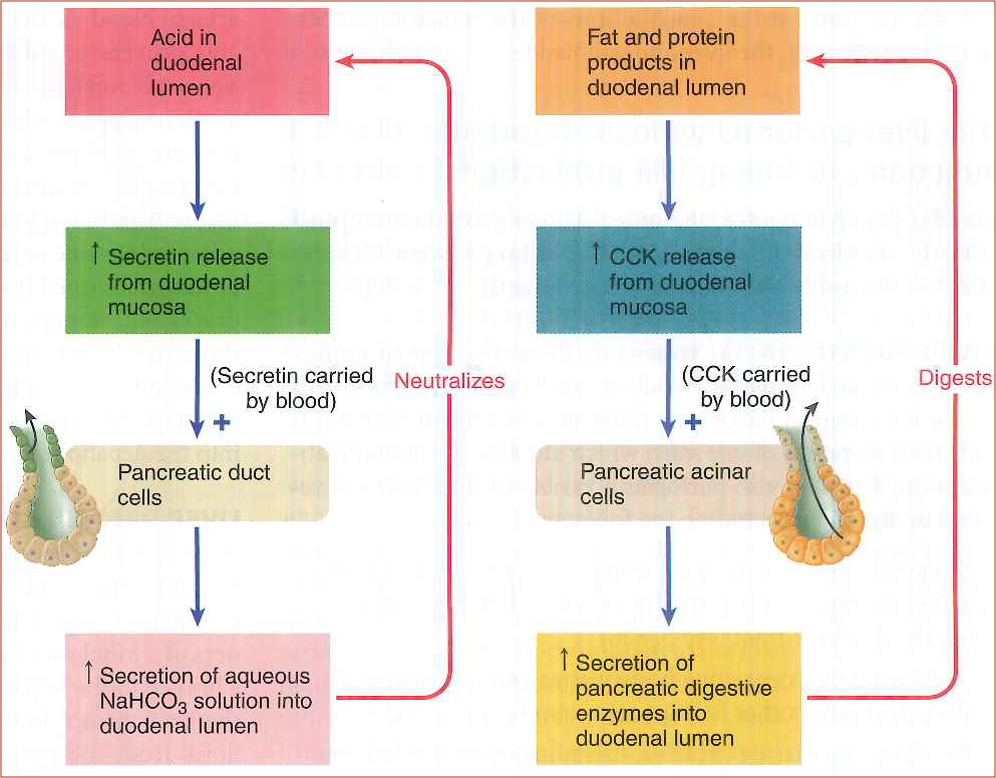
- Pancreatic secretory function
- Exocrine function
- Stimulated by chyme in the upper part of the small intestine
- Digestive enzymes for protein, carbohydrates and fats (CCK)
- Acini
- Vagus
- Acini
- Aqueous component bicarbonates ions and water (Secretin)
- Epithelial cells of the ducts
- Digestive enzymes for protein, carbohydrates and fats (CCK)
- Secretin vs CCK
- Secretin induces bicarbonate secretion via activation of cystic fibrosis transmembrane conductance regulator (CFTR).
- Secretin increases cAMP & opens CFTR Cl- channels
- leads to
- outflow of Cl- into the duct lumen.
- leads to
- Secretin increases cAMP & opens CFTR Cl- channels
- Secretin induces bicarbonate secretion via activation of cystic fibrosis transmembrane conductance regulator (CFTR).
- pancreatic exocrine dysfunction
- Decreased fecal elastase
- Stimulated by chyme in the upper part of the small intestine
- Endocrine function
- secretion of hormones directly into the blood ction
- Cellular Mechanisms
- CO2 diffuses to the interior of the cell from blood (carbonic anhydrase).
- CO2 combines water to form carbonic acid.
- It, in turn, dissociates into bicarbonate ions and hydrogen ions.
- H+ are exchanged for sodium which supplies the sodium ions → ductal lumen → electrical neutrality.
- It, in turn, dissociates into bicarbonate ions and hydrogen ions.
- CO2 combines water to form carbonic acid.
- CO2 diffuses to the interior of the cell from blood (carbonic anhydrase).
- Exocrine function
- Pancreatic secretory function
pancreatitis
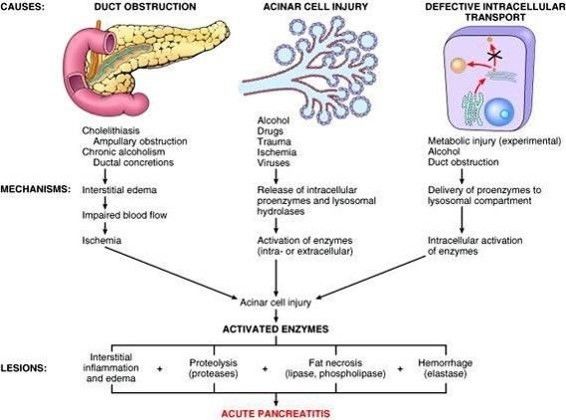
- Causes
- Alcoholism
- Gall stones
- Medications (thiazides)
- Hypertriglyceridemia
- hypercalcemia
- Infections: mumps, coxackie, CMV
- Acute ischemia (shock)
- Trauma, blunt, iatrogenic
- Genes: PRSS1, SPINK1
- Idiopathic, 10-20%
- Pathophysiology of pancreatitis
- Signs and symptoms
- Acute pancreatitis
- Upper abdominal pain
- Abdominal pain that radiates to your back
- Abdominal pain that feels worse after eating
- Fever
- Rapid pulse
- Nausea and Vomiting
- Tenderness when touching the abdomen
- Investigations
- Serum amylase
- Sensitivity 85%, specificity 70%
- Serum lipase
- Sensitivity 80%, specificity 75%
- Serum immunoreactive trypsin (SIT)
- Sensitivity 95% to 100%
- Serum amylase
- Chronic pancreatitis
- Upper abdominal pain
- Losing weight without trying
- Oily, smelly stools (steatorrhea)
- Serum amylase
- Less reliable than in acute disease
- Serum lipase
- Not clinically useful
- Serum immunoreactive trypsin (SIT)
- Decreased concentration
- Acute pancreatitis
- Signs and symptoms
- Complications
- SIRS (systemic inflammatory response syndrome)
- Pseudocyst
- Infected pancreatic necrosis
- Secondary DM
- Adenocarcinoma
- Septic shock
- Peritonitis
- Chronic pancreatitis
- DIC + ARDS
- Lab investigations
- Decreased fecal elastase
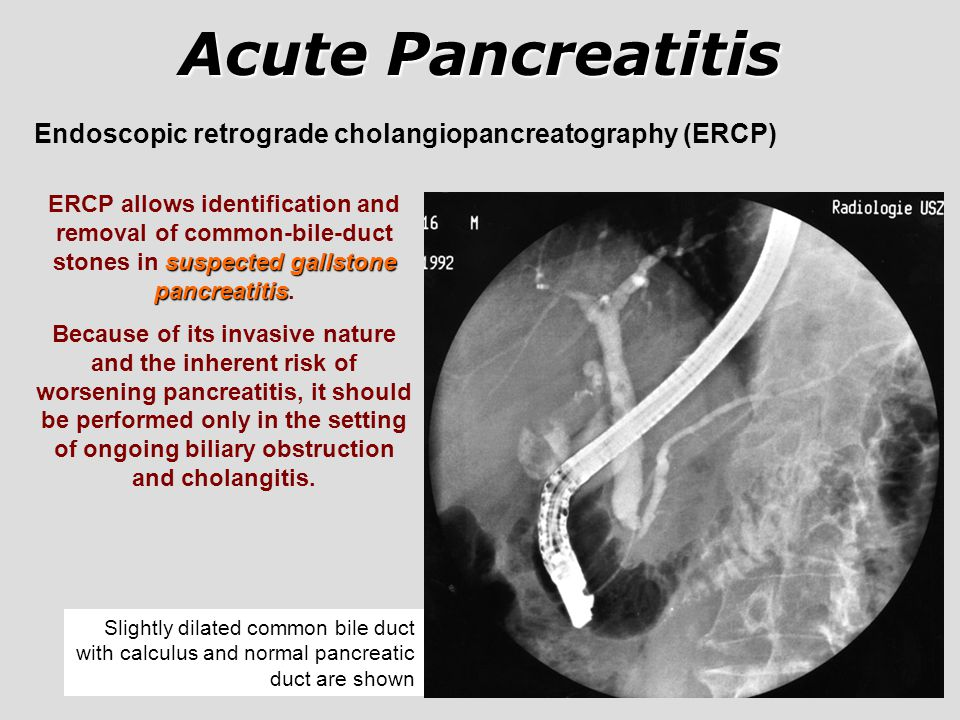
- Radiologic Studies
- Management of acute pancratitis
- supportive care with fluid resuscitation, pain control, and nutritional support.
- Abdominal pain is often the predominant symptom in patients with acute pancreatitis and should be treated with analgesics.
- Prognosis
- Acute pancreatitis
- expect complete recovery.
- Chronic Pancreatitis
- Acute pancreatitis can become chronic if pancreatic tissue sustains damage and scarring occurs. About 5% of patients need long-term treatment
- a lifetime of ongoing pain, nausea, and other gastrointestinal symptoms
- Acute pancreatitis can become chronic if pancreatic tissue sustains damage and scarring occurs. About 5% of patients need long-term treatment
- Increased Risk for Pancreatic Cancer
- Development of Diabetes
- Acute pancreatitis
- Causes
Causes
Imágenes y archivos del mapa
Información
- Descripción
- Mapa Mental sobre Acute Abdomen, creado por Fatma Shwaylia el 11/03/2018.
- Creado por
- Fatma Shwaylia
- Visitas
- 113
- Valoración