
Mapa mental
The Russian revolution
Contenido del mapa
The Russian revolution
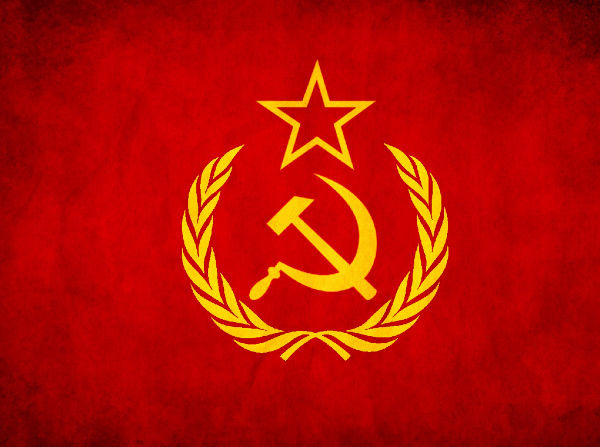
- The Russian Revolution is one of the most important events of the 20th century. It supposed that the Russian Empire happened to be the USSR and also gave rise to the first socialist government in the world.
MAIN CAUSES
- First World War
- The constant defeats suffered by the Russian armies and the numerous casualties led to the discredit of the last Tsarist dynasty.
- War Russian-Japanese
- The Tsarist army was defeated by the Japanese.
- Economic crisis
- This was due to the little development of the industrial sector and economic dependence on the foreigner.
- Emptiness Alejandra's unpopularity
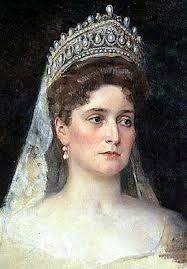
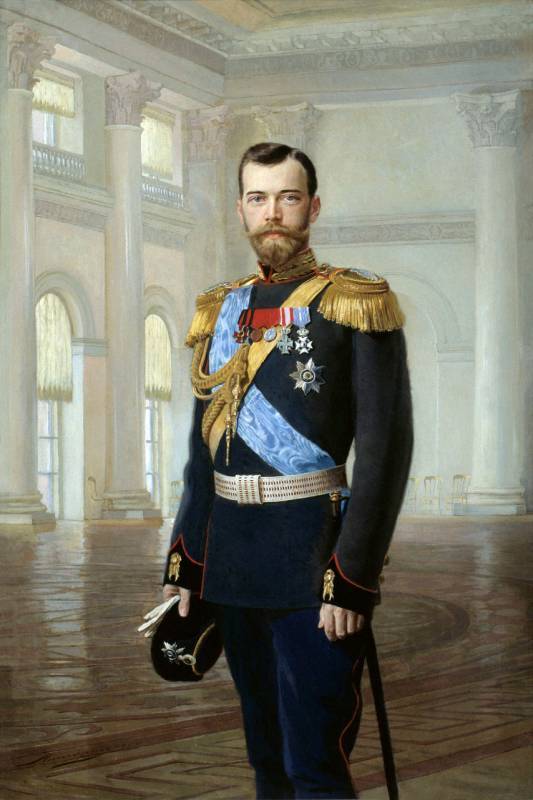
- The wife of Tsar Nicholas II was against any reform favorable to the people, so he won the hatred of this.
- First World War
2 revolutions
- 1905
- Objectives of this revolution
- The bad government was denounced, without wanting to overthrow the Tsar in the beginning
- They wanted the incorporation of reforms
- Duma
- With the aim of wanting to solve the strikes and revolts, Nicholas II undertook to endow the Duma (assembly) with legislative powers. However, it proved ineffective.
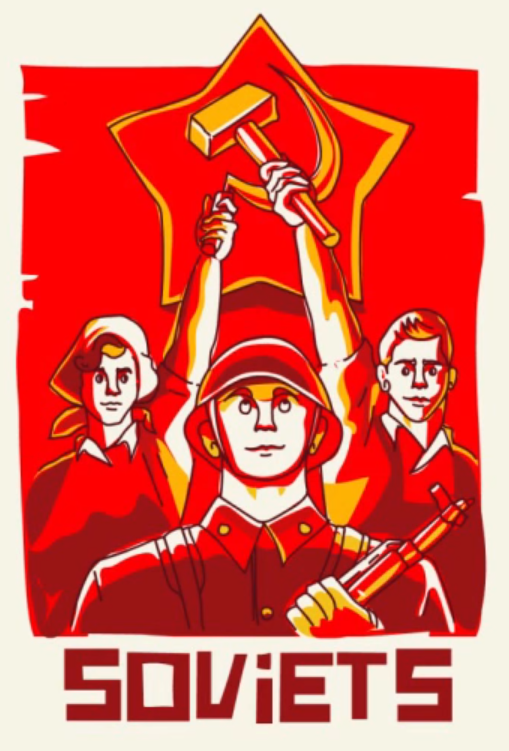
- Soviets
- Groups or assemblies of workers, soldiers and Russian peasants. They emerged at this time in order to try to change the situation of the country.
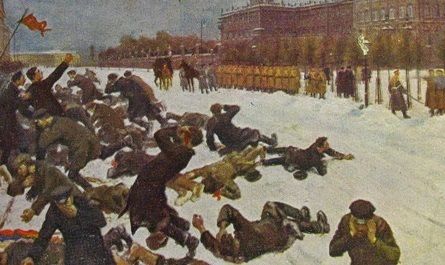
- Bloody Sunday
- The so-called Bloody Sunday was the trigger for this revolution. This name is given to the massacre at the hands of the Russian army in a demonstration of workers (due to lack of food) before the Tsarist government.
- Political Parties
- During these years a series of parties were created which aspired to reach power to reassure the people and establish a new form of government
- Russian Social Democratic political party
- They defended the principles of Marxism imposed by Marx and Engels.
- Mensheviks
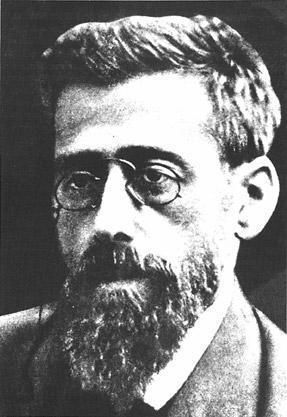
- Minority faction of the Russian Social Democratic Party, formed by moderate socialists, its leaders were Plekhanov and Martov. They were in favor of the search for a period of transition that could transform Russia into an industrialized country.
- Bolsheviks
- Major fraction of the Russian Social Democratic Party, formed by radical socialists, its leader was Lennin. They were supporters of the seizure of power.
- Democratic Constitutional Political Party
- Formed by an urban bourgeois minority seeking a liberal ideology.
- Revolutionary Socialist political party
- Mostly formed by discontented peasants in the semifeudal situation in which they were.
- Objectives of this revolution
- 1917
- February revolution
- Daily manifestations
- Due to the First World War, the number of deaths, the economic collapse and the shortage of cities produced a great social unrest that led to revolts and general and daily demonstrations.
- Abdication of Nicolás II
- The Russian army did not have the means to suppress the revolution, so the Tsar was forced to abdicate on March 2, 1917.
- Lenin returns from exile
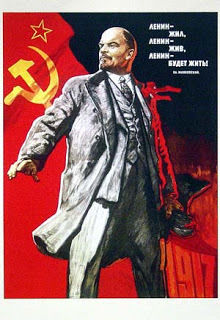
- Vladimir Lenin, who had been exiled for being a revolutionary, returns and with Leon Trotski begins to convince the people and defend the postulates of Karl Marx.
- Provisional government
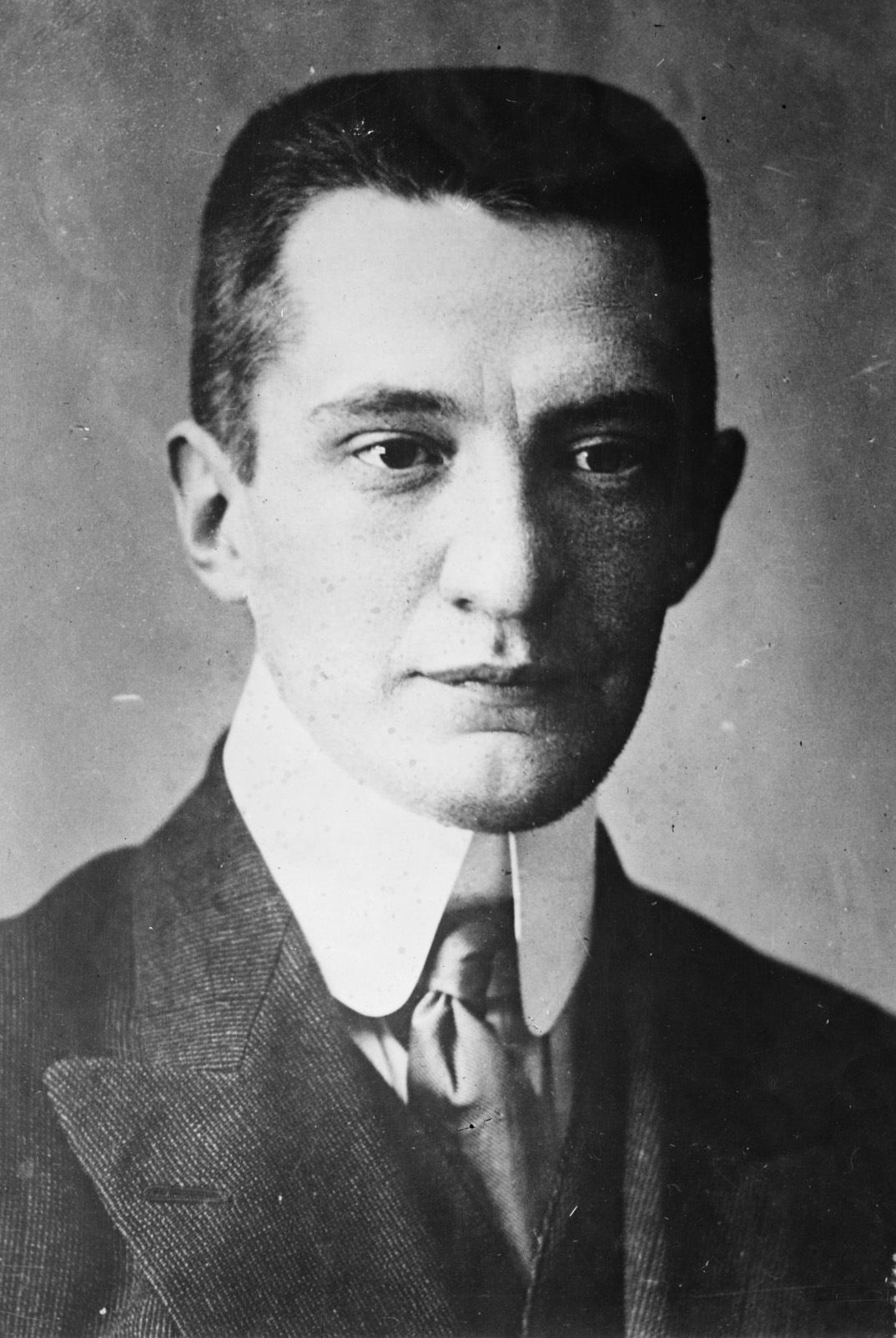
- This government would end up heading Aleksandr Kérenski and would be supported by the Mensheviks.
- Daily manifestations
- October revolution
- power takeover of the Bolsheviks
- Lenin had convinced the people, and therefore, controlled the soviets. Thanks to this, he achieved control of the government with the Bolsheviks, and imposed himself as president.
- Council of Commissioners of the Village
- Under Lenin's presidency, this Council was created to be a government institution.
- Constituent Assembly
- In November of 1917 elections would be held to elect a Constituent Assembly. However, contrary to what Lenin thought, his party was not a winner, so he dissolved the Assembly and Russia came under the control of the Communist Party.
- Civil War
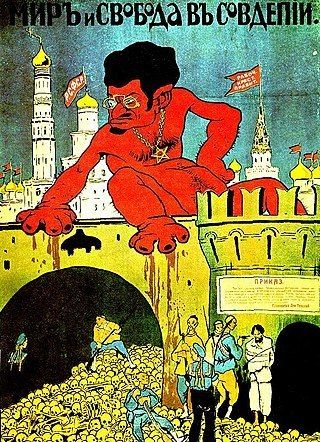
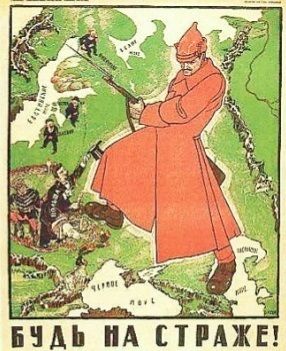
- This resulted in a civil war between two sides. Finally the conflict culminated with the victory of the Red Army.
- Red Russia
- Formed by the Bolsheviks.
- White Russia
- Formed by people who defended the Tsarist autocracy
- Marxism-Leninism
- Vladimir Lenin created a new model called Marxism-Leninism, very similar to Marxism and imposed the dictatorship of the proletariat of which Marx and Engels spoke
- power takeover of the Bolsheviks
- February revolution
- 1905
USSR
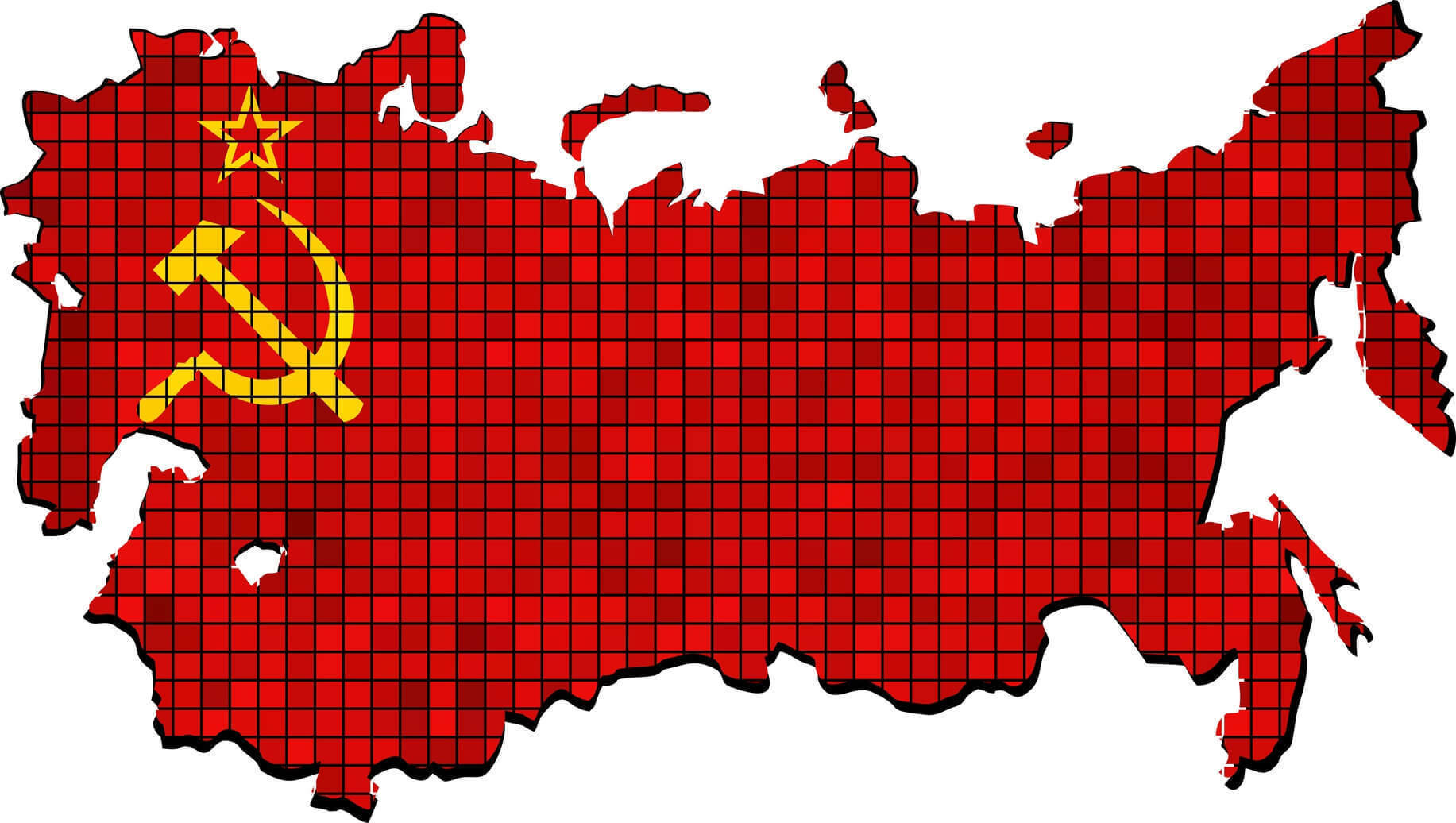
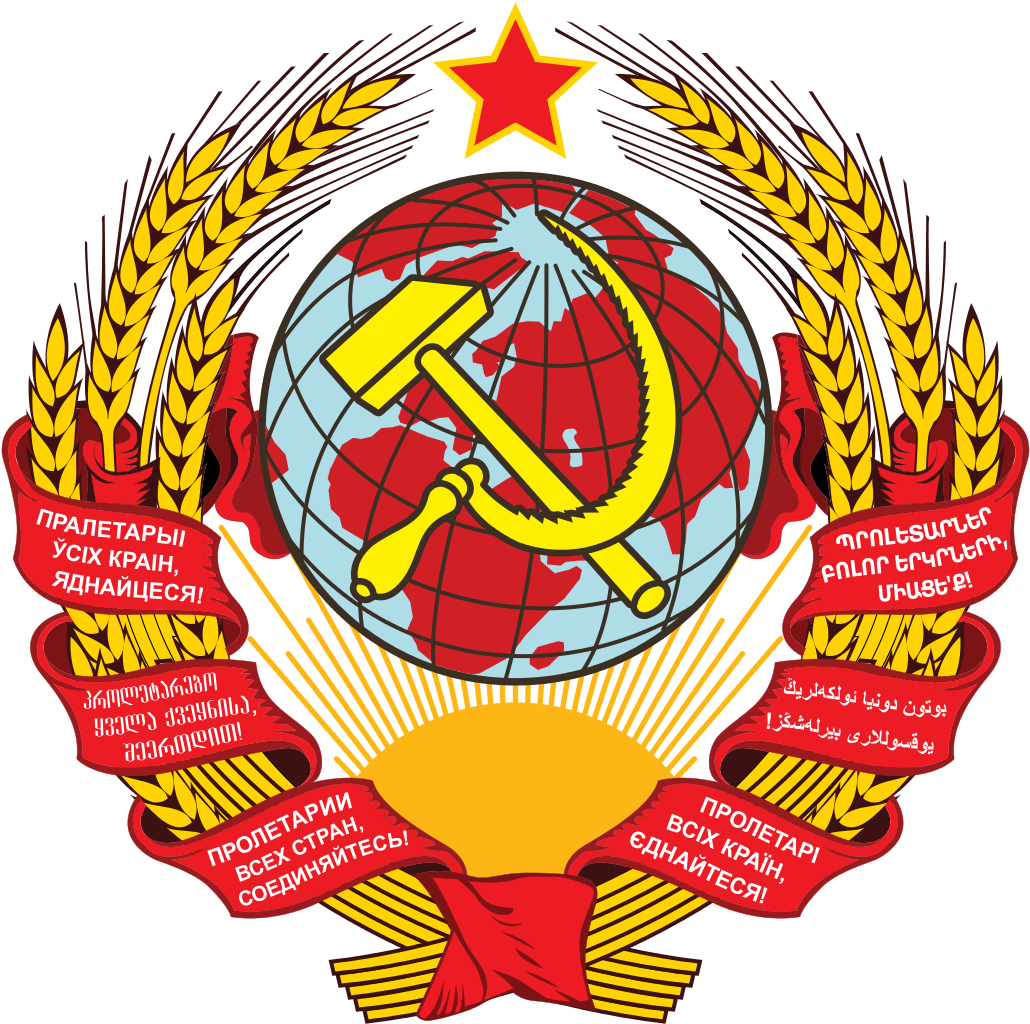
- Finally the Union of Soviet Socialist Republics was formed in 1922, and after the death of Lenin, Stalin prevailed before Trotsky.
Imágenes y archivos del mapa

Información
- Descripción
- Mapa Mental sobre The Russian revolution, creado por Pabloorubios ES el 29/03/2018.
- Creado por
- Pabloorubios ES
- Visitas
- 70
- Valoración