
Mapa mental
The principle of utility
Contenido del mapa
The principle of utility
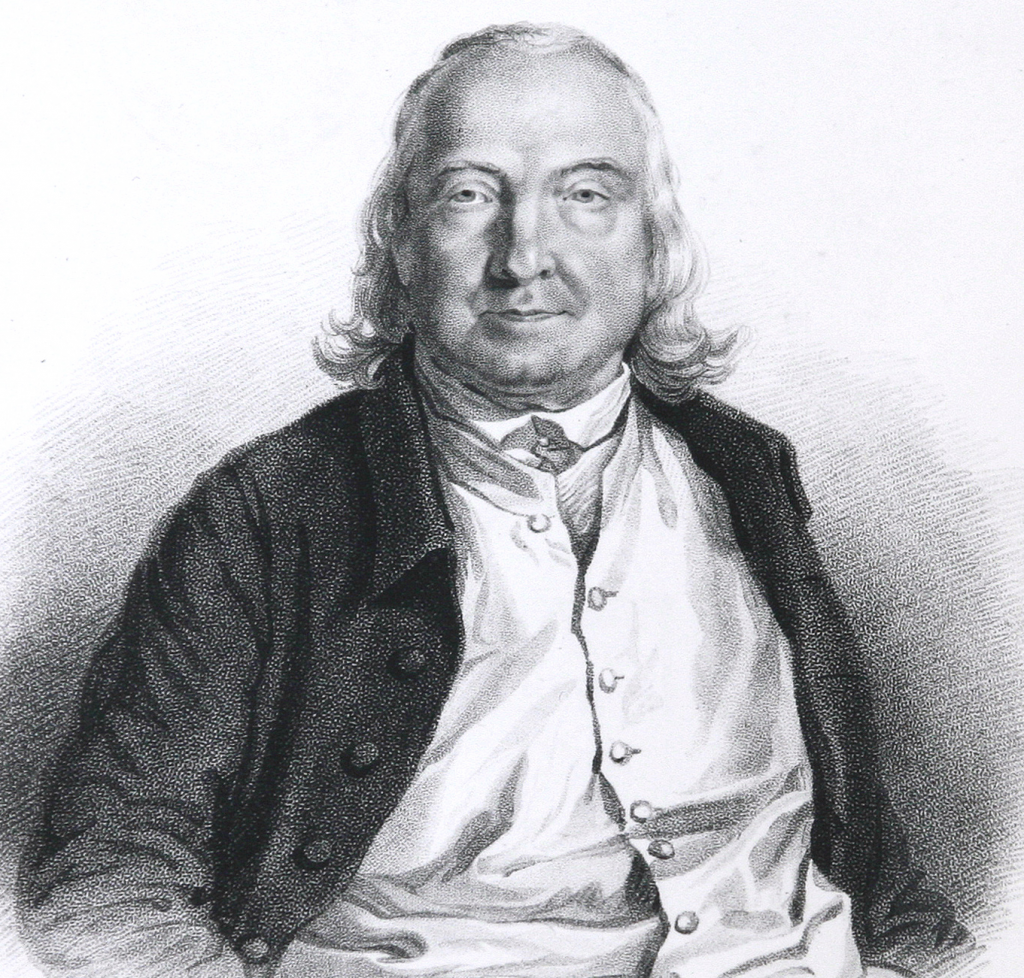
Jeremy Bentham (1748 - 1832) was the first philosopher to articulate the utilitarianism theory and apply it in society
- Utilitarianism is a theory that is based on the central notion of happiness as a guide to what is morally valuable and worth pursuing
- Suppose someone spends a lot of their time gardening. If asked why they did this their reply may be "because it keeps me fit". When asked why fitness is desirable they might reply that they want any active life. If asked why again they may say " It makes me happy" . Now we've reached their sole motive: happiness.
- Bentham formulated a procedure for determining how to act, namely that any action should aim to produce "The greatest happiness for the greatest number"
- This is based on the idea that the only thing desirable in itself is happiness; everything else is means to and end. Another way of referring to this is "hedonism" from the Greek word for pleasure
- Because utilitarianism focuses in what happens as a result of our actions it is known as consequentialist theory. This is because we judge an action to be right based on consequence - will it bring happiness or reduce unhappiness?
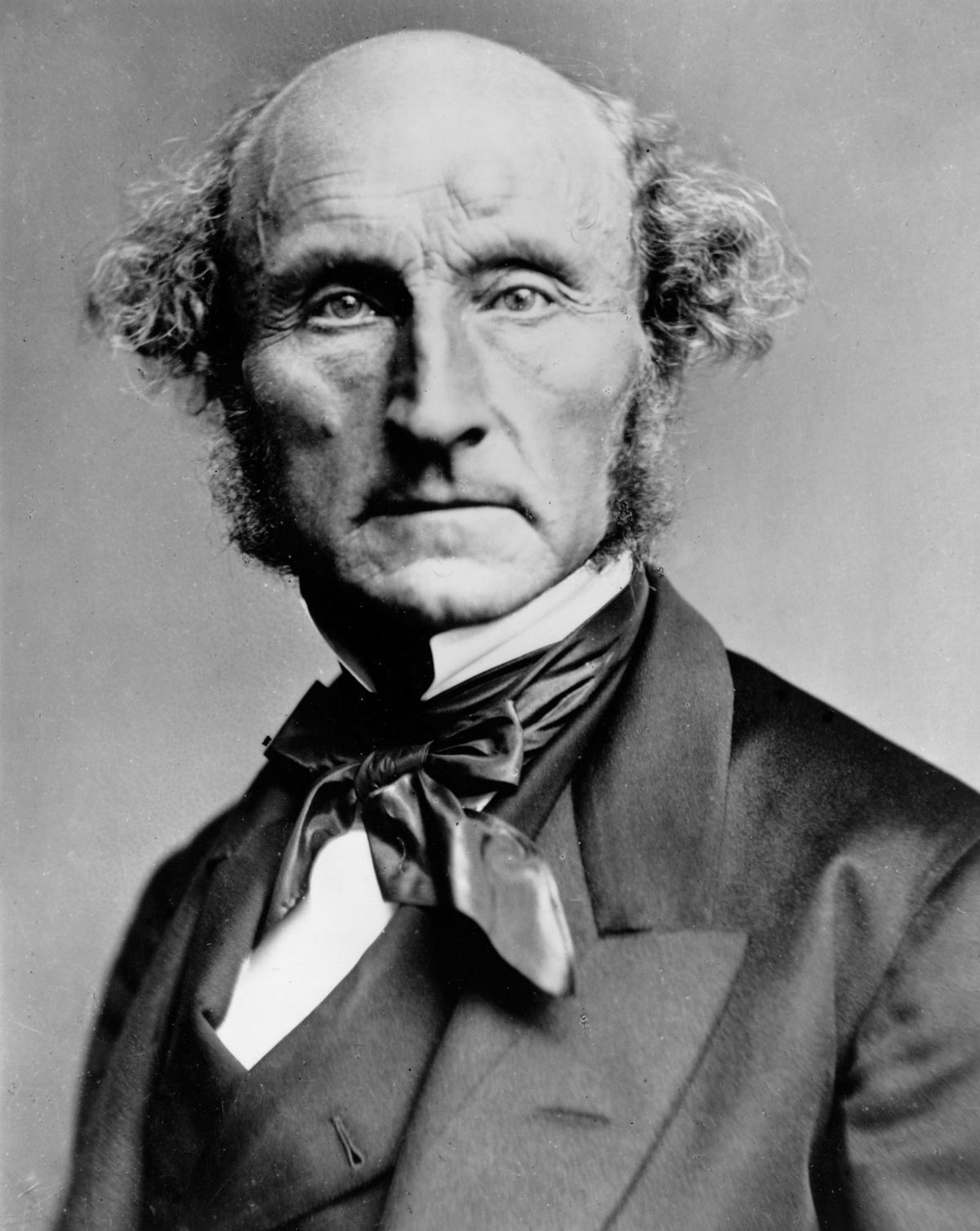
- J.S. Mill (1806-73) sought to defend utilitarianism from the charge that it was only for those who pursued sensual or animalistic pleasures and nothing else by drawing a line between "Higher" and "lower" pleasures.
- Because utilitarianism focuses in what happens as a result of our actions it is known as consequentialist theory. This is because we judge an action to be right based on consequence - will it bring happiness or reduce unhappiness?
- This is based on the idea that the only thing desirable in itself is happiness; everything else is means to and end. Another way of referring to this is "hedonism" from the Greek word for pleasure
- Bentham formulated a procedure for determining how to act, namely that any action should aim to produce "The greatest happiness for the greatest number"
- Suppose someone spends a lot of their time gardening. If asked why they did this their reply may be "because it keeps me fit". When asked why fitness is desirable they might reply that they want any active life. If asked why again they may say " It makes me happy" . Now we've reached their sole motive: happiness.
- Utilitarianism is a theory that is based on the central notion of happiness as a guide to what is morally valuable and worth pursuing
Imágenes y archivos del mapa
Información
- Descripción
- A level (Moral Philosophy) Philosophy Mapa Mental sobre The principle of utility, creado por Rhodri Davies el 20/09/2018.
- Creado por
- Rhodri Davies
- Visitas
- 3
- Valoración