
Mapa mental
The atom, the Nucleus and Radioactivity
Contenido del mapa
The atom, the Nucleus and Radioactivity
The atom
- The plum pudding model
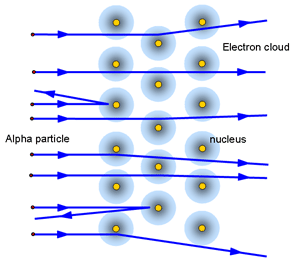
- Rutherfords expt.
- he believed the model and expected the alpha particles to go through the gold foil
- results - atoms are composed mainly of empty space have an extremely positive centre
- thought that there was an electron cloud surrounding the nucleus
- the arrangement of electrons
- Neils Bohr - believed electrons existed in 'energy levels' this was proofed by the emission spectrum
- types of spectra
- Continuous produced by a liquid or solid a continuous spectrum is emitted unable to detect the element stic
- a line spectrum is produced by gaseous matter, it is charateristic
- Emission spectrum
- every element gives out its own unique emission spectrum
- LASERS- Light amplification by stimulated emission of radiation
- Produce an intense beam of light, the electrons recive energy and go to the same energy level and then emit the same wavelength photon
- used to treat eye problems
- used for telecommunication in optical fibers
- used in welding and cutting
- used in target designation
- Produce an intense beam of light, the electrons recive energy and go to the same energy level and then emit the same wavelength photon
- LASERS- Light amplification by stimulated emission of radiation
- E2-E1=hxf
- E2-E1 (difference in energy levels) h= planks constant f=frequency
- c= f x ^
- every element gives out its own unique emission spectrum
- Bohrs theory
- types of spectra
- Neils Bohr - believed electrons existed in 'energy levels' this was proofed by the emission spectrum
- Rutherfords expt.
- The plum pudding model
Radioactivity
- Henri Becquerel discovered that a crystal of uranium was emitting some kind of light. Marie Curie later went on to research more and name this occurance as radiation.
- natural radiation - the spontaneous decay of a nucleus, with the emission of some form of radiation
- artificial radioactivity- radioactivity from atoms caused b nuclear bombardment
- The activity of the radioactive nucleus
- the number of nuclei of a radioactive sample decaying per second= activity (A) / Becquerel (Bq)
- The law of radioactive decay
- no. of nuclei decaying at that moment is proportional to the no. undecayed @ that instant
- RATE OF DECAY= ^ x N
- N- the no. of undecayed atoms ^ - decay constant
- each isotope has its own decay constant
- the rate decreases as time goes on
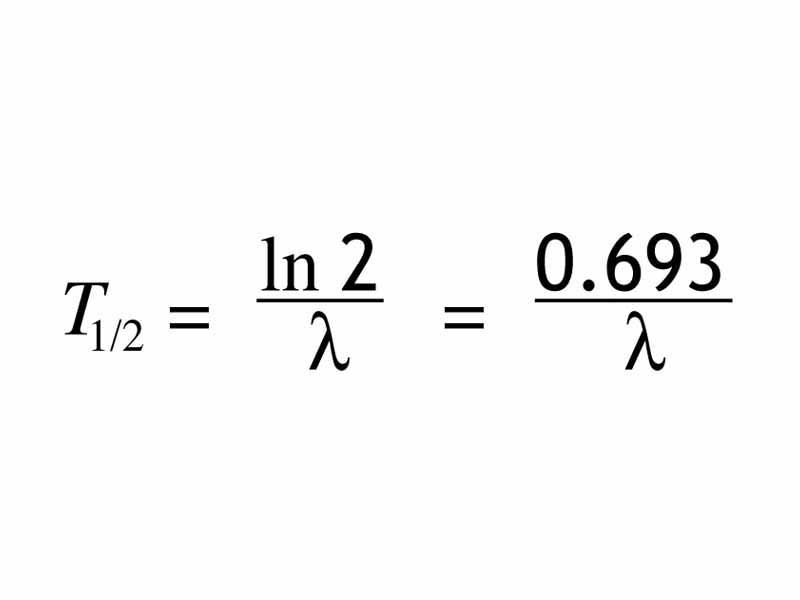
- Half- life (T 1/2) - the time taken for half of the undecayed atoms in an sample of the element to decay
- RATE OF DECAY= ^ x N
- no. of nuclei decaying at that moment is proportional to the no. undecayed @ that instant
Detecting nuclear radiation and uses
- Geiger-Muller tube or solid state detector
- - radiation passes through the window of the tube and ionises the gas - the e- are accelerated towards the anode causing more ionization -this induces a small current which measures the pulse time for each ionizing particle -it cant tell the type of radiation
- medical - cancer treatment
- carbon dating (c-14)
- used in fertilisers
- preservation of spices in food
- Geiger-Muller tube or solid state detector
Imágenes y archivos del mapa
Información
- Descripción
- Leaving certificate Science Mapa Mental sobre The atom, the Nucleus and Radioactivity, creado por ainearrigan el 16/03/2015.
- Creado por
- ainearrigan
- Visitas
- 27
- Etiquetas
- Valoración