
Mapa mental
Force
Contenido del mapa
Force
a push or pull
- described by its strength and direction in which it acts
- strength measured in SI unit: Newton (N)
- described by its strength and direction in which it acts
net force: combination of all forces on object
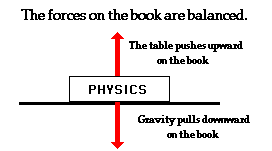
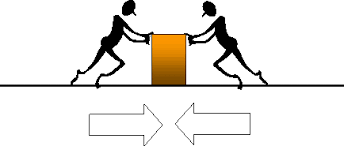
- balanced: equal forces on 1 object in opposite directions; no motion
- --><--=0 N Forces may cancel each other + produce no net force
- unbalanced: results in a net force + cause change in object's motion
- -><---=5N Two forces can subtract to produce a net force in the direction of the larger force
- -->-->=10N Two forces can add tgh to produce a larger net force than either original force
- balanced: equal forces on 1 object in opposite directions; no motion
types of forces
- friction: 2 surfaces exert when they rub against each other
- the strength of the force of friction depends on
- how hard the surfaces push together
- friction increases if surfaces push hard against each other
- types of surfaces involved
- smooth surfaces produce less friction than rough surfaces
- how hard the surfaces push together
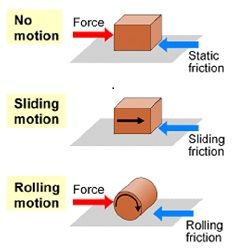
- types of friction
- static: acts on objects that are not moving; prevents from sliding/slipping
- to make an object move, you must exert a greater force than the static friction
- sliding(kinetic): when 2 solids surfaces slide over each other
- rolling: when an objects rolls across a surface
- fluid: when a solid object moves moves through a fluid
- static: acts on objects that are not moving; prevents from sliding/slipping
- the strength of the force of friction depends on
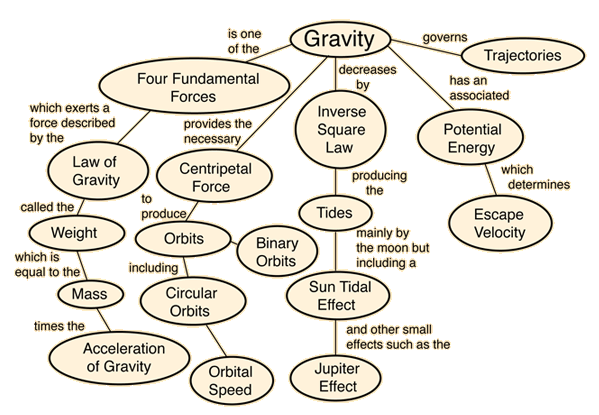
- gravity: pulls objects towards each other
- law of universal gravitation: the force of gravity acts between all objects in the universe
- if mass increases, gravity increases
- if distance increases, gravity decreases
- weight: force of gravity on a person/object at the surface of a planet
- free fall: when gravity is the only force acting on an object
- all objects accelerate at same rate regardless of mass
- an object accelerates when gravity is unbalanced
- all objects accelerate at same rate regardless of mass
- air resistance: upward force; type of fluid friction; happens to objects falling through the air
- objects with greater surface area=more air resistance=falls slower
- as object speeds up, air res. increases until upward force=downward force--> balanced forces so no acceleration; velocity remains constant
- terminal velocity: greatest velocity a falling object reaches; reached when air res.=weight of object
- as object speeds up, air res. increases until upward force=downward force--> balanced forces so no acceleration; velocity remains constant
- objects with greater surface area=more air resistance=falls slower
- projectile: object that is thrown
- when thrown at an upward angle, gravity reduces vertical velocity
- when upward motion stops, gravity pulls it back toward the ground
- from this point the object will fall at the same rate as any dropped object
- when upward motion stops, gravity pulls it back toward the ground
- when thrown at an upward angle, gravity reduces vertical velocity
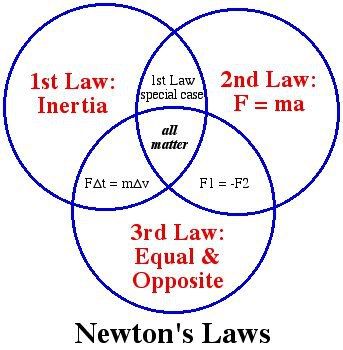
- Newton's laws of motion
- first law(law of inertia)
- an object at rest will remain at rest
- an object moving at constant v will continue unless unbalanced force acts on it
- object won't move until a force acts on it
- inertia: tendency of an object to resist change in motion
- great mass=great inertia= great force required to change its motion
- inertia: tendency of an object to resist change in motion
- second law
- acceleration=net force/mass; force=mass x acceleration
- to increase acceleration-->increase force-->decrease mass
- acceleration of object depends on mass of object and force applied
- third law
- every action has an equal and opposite force
- action-reaction pairs: when action force occurs(push on an object) the object pushes back on your feet w/ an equal but opposite force(reaction force)
- action and reaction forces don't cancel out bc they're acting on different objects
- it only cancels out when balanced force is exerted on the same object from different directions
- action and reaction forces don't cancel out bc they're acting on different objects
- you can't always detect motion when paired forces are in motion
- if inertia is so great, small amount of acceleration would he hard to notice
- high momentum=harder to stop
- larger mass=more momentum
- momentum: mass X velocity (km*m/s); described by direction and quantity
- momentum is conserved when objects collide
- law of conservation of momentum: any group of objects remains the same or is conserved inless outside forces act on it
- collision with 2 moving objects: mm of each car decreases while the other increases.
- collision with one moving object: all momentum transfers form the moving object to the stationary to make it move
- collision with connected objects: move slower
- law of conservation of momentum: any group of objects remains the same or is conserved inless outside forces act on it
- momentum is conserved when objects collide
- momentum: mass X velocity (km*m/s); described by direction and quantity
- high velocity=high momentum(even if mass is little)
- if inertia is so great, small amount of acceleration would he hard to notice
- action-reaction pairs: when action force occurs(push on an object) the object pushes back on your feet w/ an equal but opposite force(reaction force)
- every action has an equal and opposite force
- first law(law of inertia)
- gravity and motion
- factors affecting gravity
- friction: 2 surfaces exert when they rub against each other
Imágenes y archivos del mapa
Información
- Descripción
- This is a mind map of the main concepts of force and how it all relates to motion.
- Creado por
- Sarah AMER
- Visitas
- 77
- Etiquetas
- Valoración