
Mapa mental
PLASTICS
Contenido del mapa
PLASTICS
TYPES
- Thermoplastics
- Materials
- Polyethylene (PE)
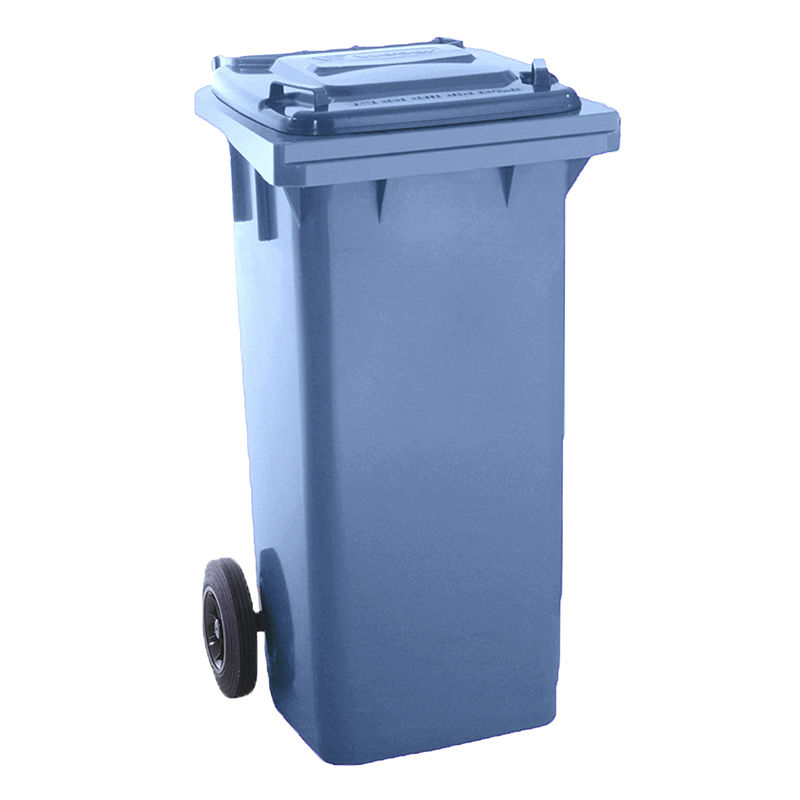
- Most common type of plastic. Good chemical resistance. Nos-toxic. Food packaging, bags, bottles, pipes, containers...
- Plolystyrene (PS)
- Lightweight, transparent plastic. Packaging & heat instulation
- PCV (polyvinyl chloride)
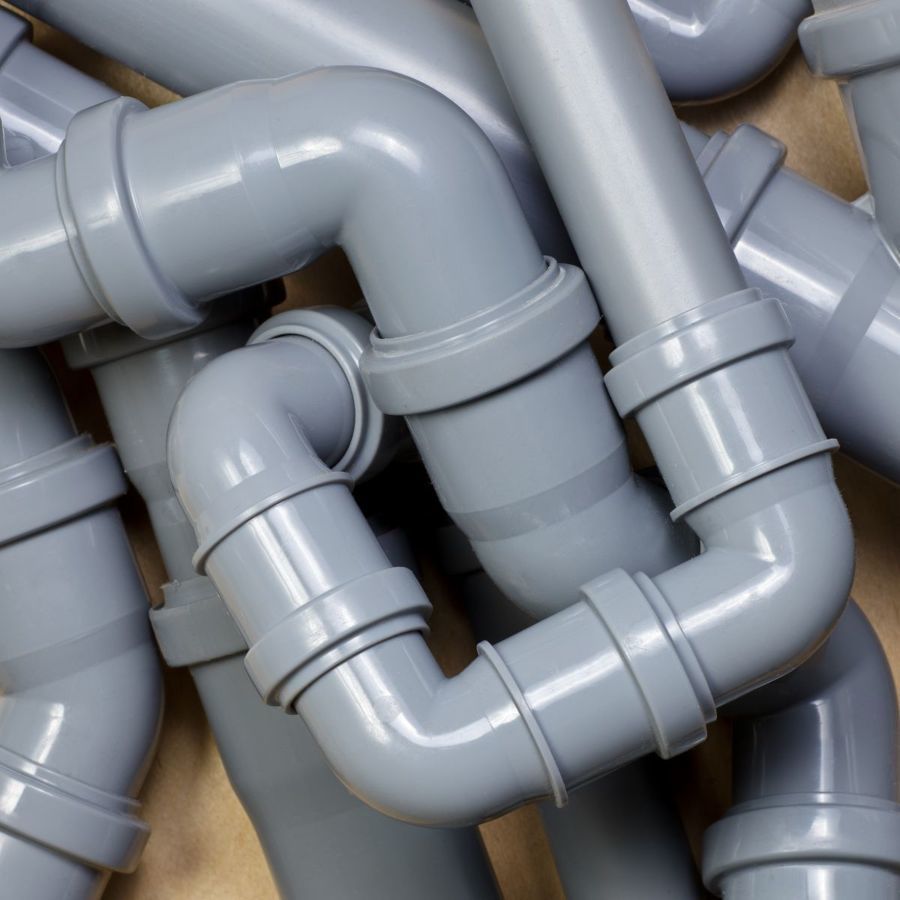
- HIghly resistant to abrasion and impact. Pipes, cable insulation, profiles for doors & windows
- Polypropylene (PP)
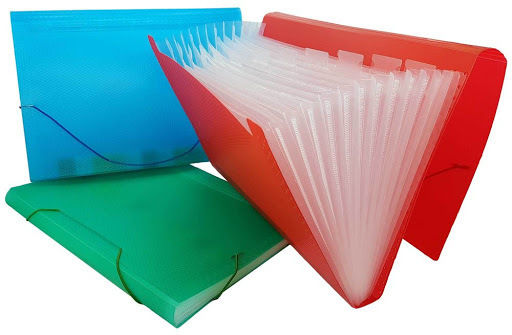
- Easy to model and dye. Resistant to solvent & splintering. Toys, folders, packaging...
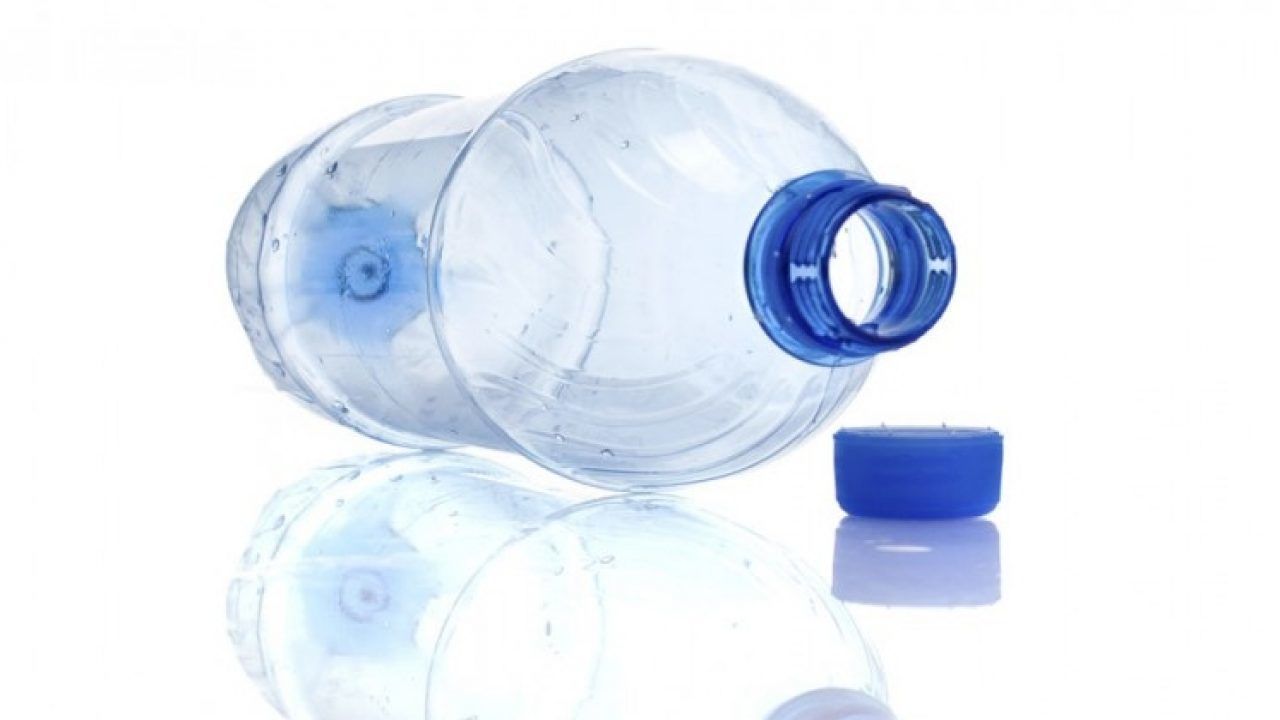
- PET (polyethylene terephthalate)
- Food use, recyclable, transparent & easy to dye. Bottles.
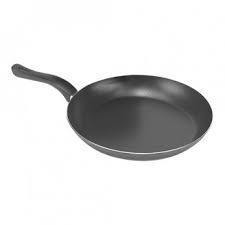
- Teflon
- Highly resistant to chemicals & high temperatures. Excellent non-stick properties.
- Polycarbonate (PC)
- Highly resistant to impact and heat. Optical transparency.
- Polyethylene (PE)
- Definition
- Plastics that're softened by heating & can be formed and melt as many times as we like. Polymers have weak bonds
- Materials
- Thermoset
- Definition
- The polymer chains of thermoset plastic criss-cross to form networks. The plastics can be shaped using heat. Once they've been formed you can't re-melted.
- Materials
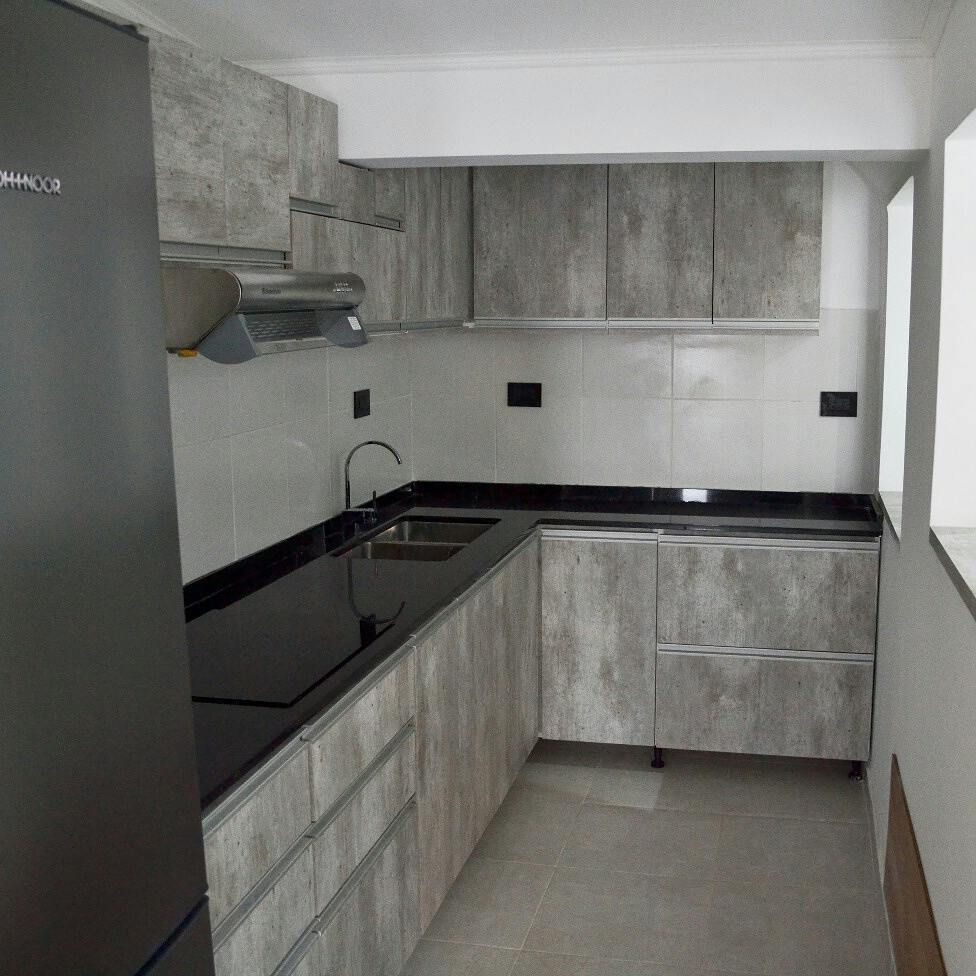
- Melamine
- Resistant to high temperatures & chemicals. Easy to clean.
- Bakelite
- Hard & brite, dark plastic. Resistant to heat, but breaks down at very high temperatures.
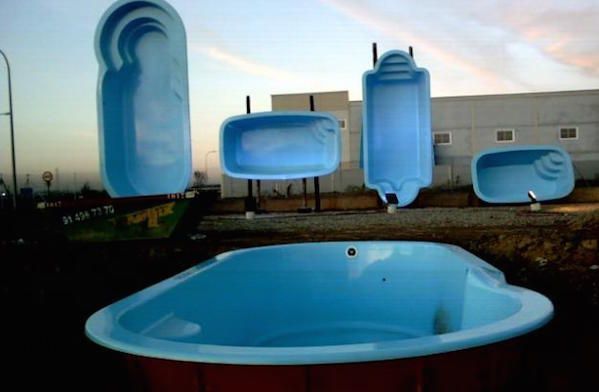
- Polyester resins
- Rigid, brittle. Strengthened with fibreglass.
- Melamine
- Definition
- Elastomers
- Definition
- Very flexible materials that recover their shape and dimensions when external forces stop acting on them. Degrade easily with the heat and cannot be re-melted once they've been formed
- Materials
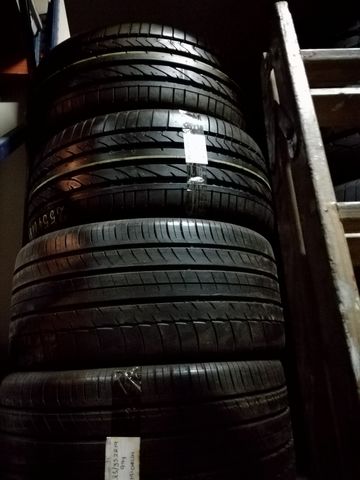
- Ruber
- Natura or synthetic. Very elastic. Tyres, hoses, rubber bands...
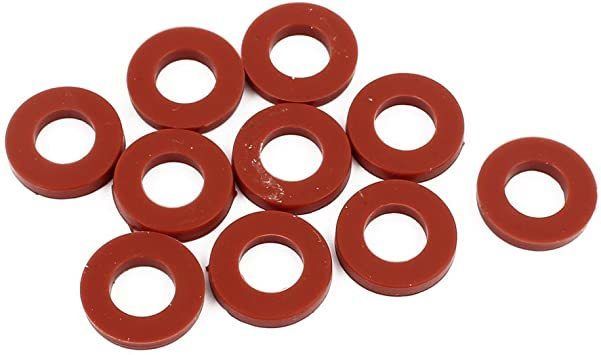
- Neoprene
- Flexible, insulated & waterproof. Immersion suits.
- Silicone
- Colorless, oils or rubber-like substances.
- Ruber
- Definition
- Thermoplastics
materials formed by chains of carbon and hydrogen atoms (chains polymers), the atoms that form them are monomers.
Imágenes y archivos del mapa

Información
- Descripción
- Mapa Mental sobre PLASTICS, creado por Margarita Terceño Bautista el 11/01/2021.
- Creado por
- Margarita Terceño Bautista
- Visitas
- 19
- Valoración