
Mapa mental
Immunity types
Contenido del mapa
Immunity types
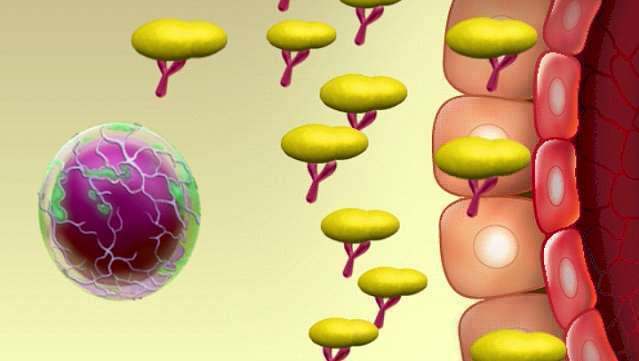
The innate immunity. The main physical barriers are the skin and mucous membranes. Among the chemical barriers, we can mention the acidity of the stomach contents as well as the specialized soluble molecules with antimicrobial activity.
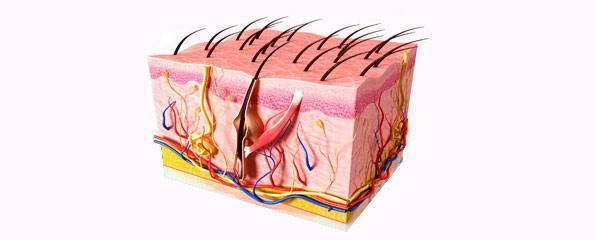
Skin and epithelial barriers against infection
- Organ or tissue
- Skin
- Antimicrobial peptides, fat acids in sebum
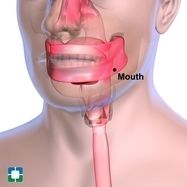
- Mouth and top part of the digestive tract
- Enzymes, antimicrobial peptides and surface detachment due to directional liquid flow to the stomach
- Enzymes, antimicrobial peptides and surface detachment due to directional liquid flow to the stomach
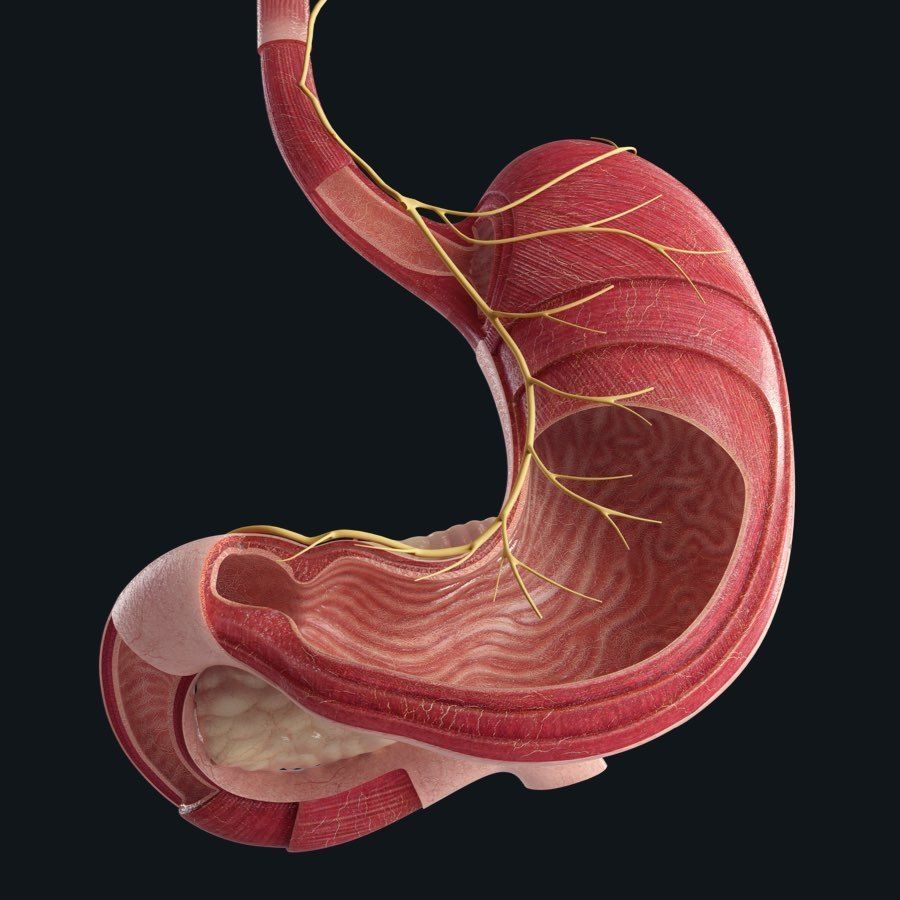
- Stomach
- Low pH, digestive enzymes, antimicrobial peptides, liquid flow to the intestine.
- Low pH, digestive enzymes, antimicrobial peptides, liquid flow to the intestine.
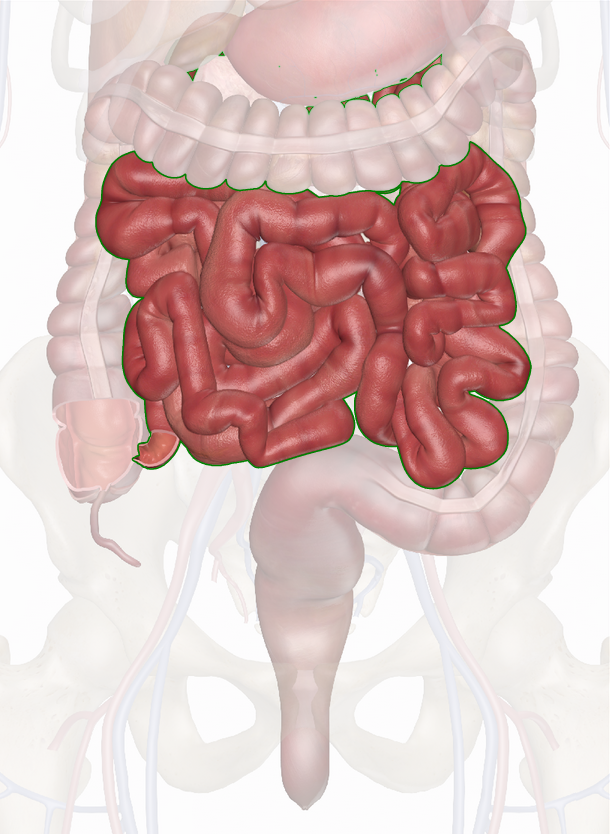
- Small intestine
- Digestive enzymes, antimicrobial peptides, liquid flow to the large intestine
- Digestive enzymes, antimicrobial peptides, liquid flow to the large intestine
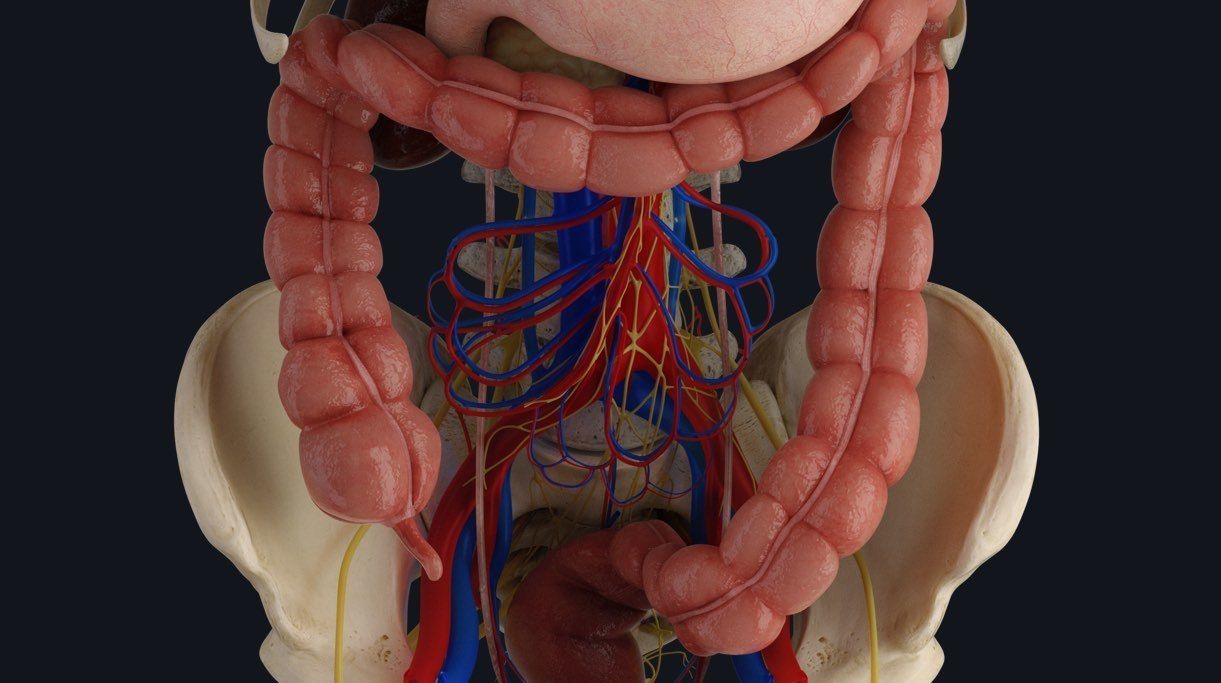
- Large intestine
- Competition of the regular intestinal flora with the invading microorganisms, liquid expulsion, and feces through the rectum.
- Competition of the regular intestinal flora with the invading microorganisms, liquid expulsion, and feces through the rectum.
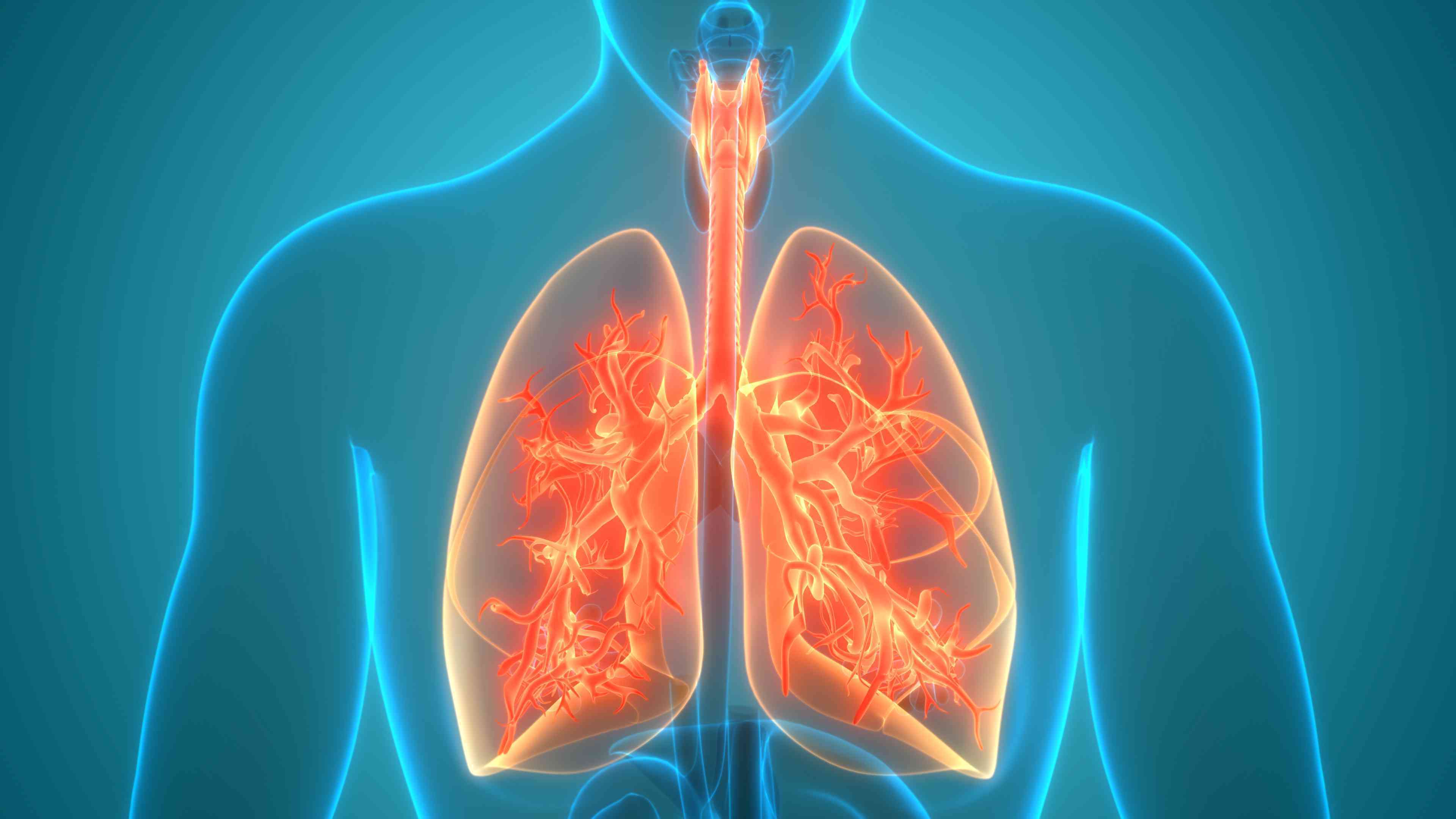
- Respiratory tract and lungs
- Mucus sweep, mucus expulsion through a cough, macrophages in pulmonary alveoli
- Mucus sweep, mucus expulsion through a cough, macrophages in pulmonary alveoli
- Skin
- Organ or tissue
The innate immunity fulfills the main functions:
- - It is the first answer offered against pathogens which stop, controls or eliminates the infection from the host.
- - It stimulates adaptive immune responses and influences in their nature so that they acquire an optimal effectiveness against the different microorganisms
- Component:
- Barriers Epithelium Defensins (they are peptides that work as natural antibiotics and are located on the skin’s surface. Intraepithelial lymphocytes
- Functions: Prevent the microbe from entering. Microbe elimination. Microbe elimination
- Barriers Epithelium Defensins (they are peptides that work as natural antibiotics and are located on the skin’s surface. Intraepithelial lymphocytes
- Component:
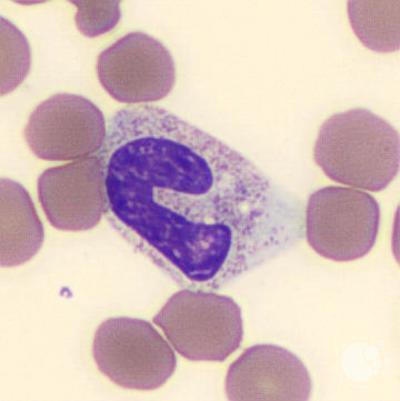
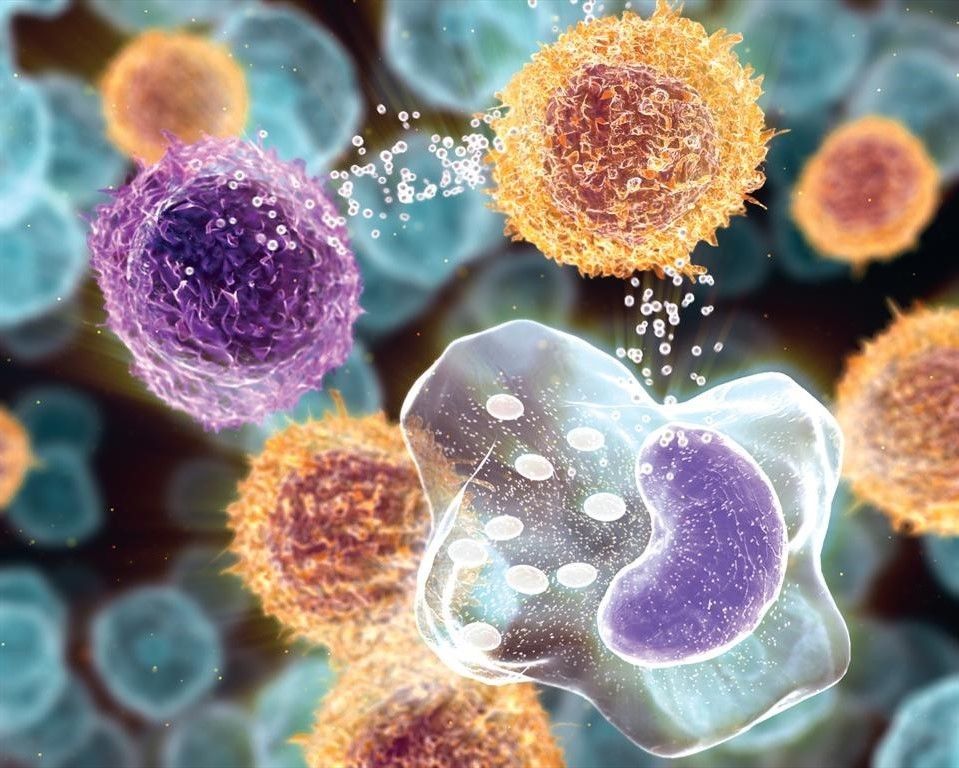
- Effector cells Neutrophils Macrophages Natural killer cells
- Functions: Phagocytosis (it refers to the cells engulfing solid particles with their cytoplasmic membrane
- - Lysis (it is the rupture process of the cellular membrane that produces the exit of intracellular material) of infected cells, macrophages activation.
- - Lysis (it is the rupture process of the cellular membrane that produces the exit of intracellular material) of infected cells, macrophages activation.
- Effector cells Neutrophils Macrophages Natural killer cells
- Component
- Proteins Complement Lecithin (lipids produced naturally) mannose binding.
- Functions: Lysis and opsonization (it is the process by which the susceptibility of bacteria to phagocytosis increases) of microbes, leucocytes activation.
- - Opsonization, complement activation (via lectins).
- Opsonization, complement activation.
- Functions: Lysis and opsonization (it is the process by which the susceptibility of bacteria to phagocytosis increases) of microbes, leucocytes activation.
- Proteins Complement Lecithin (lipids produced naturally) mannose binding.
- Component
- Cytokines
- Functions: Inflammation - Antiviral resistance
- - Macrophages activation - Natural killer proliferation.
- Cytokines
- - It is the first answer offered against pathogens which stop, controls or eliminates the infection from the host.
Main cells of the innate immune system
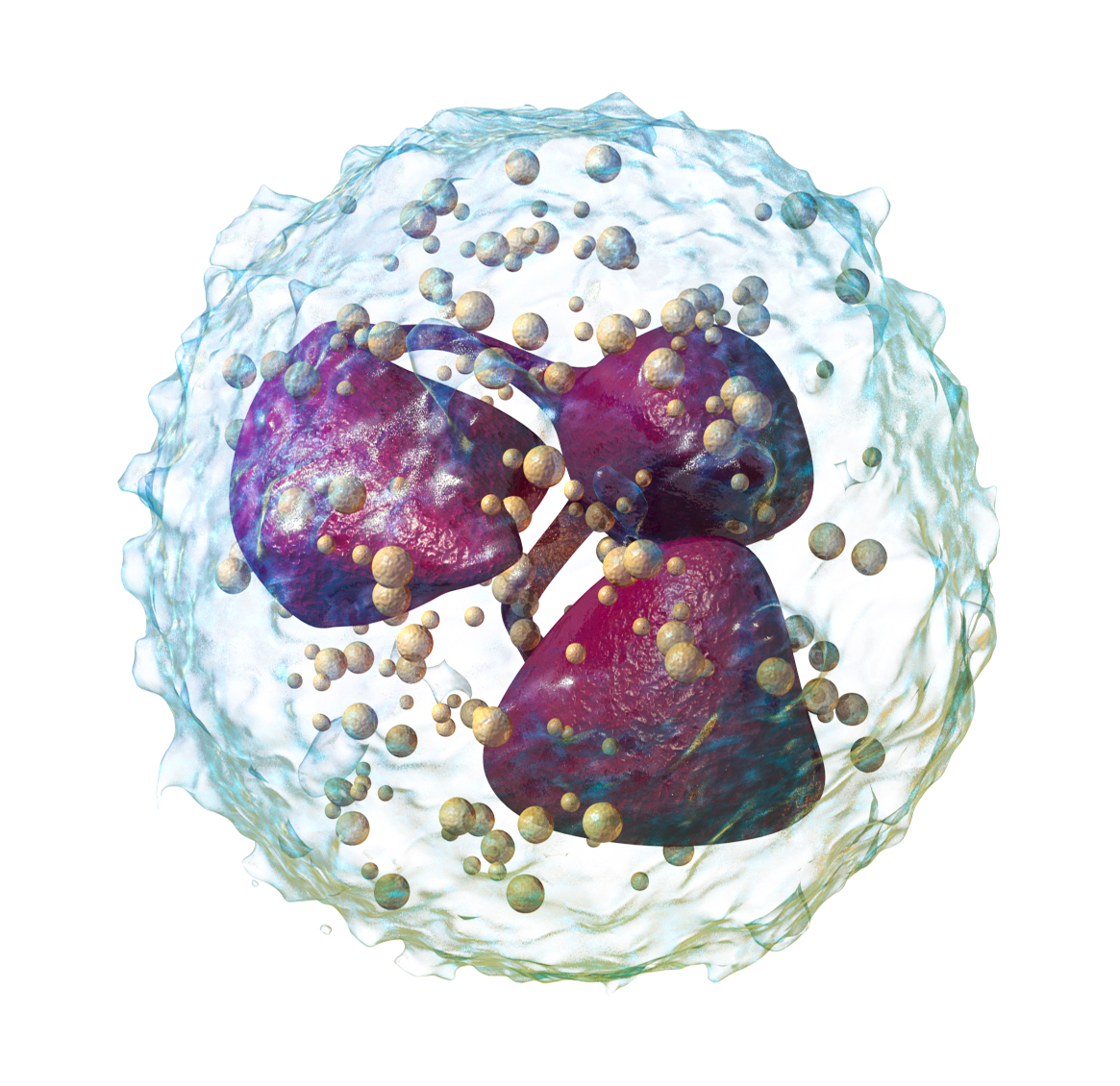
- Neutrophils
- Functions: - Phagocytosis
- - Function as oxygen and nitrogen reactive species - Antimicrobial peptides
- - Function as oxygen and nitrogen reactive species - Antimicrobial peptides
- Functions: - Phagocytosis
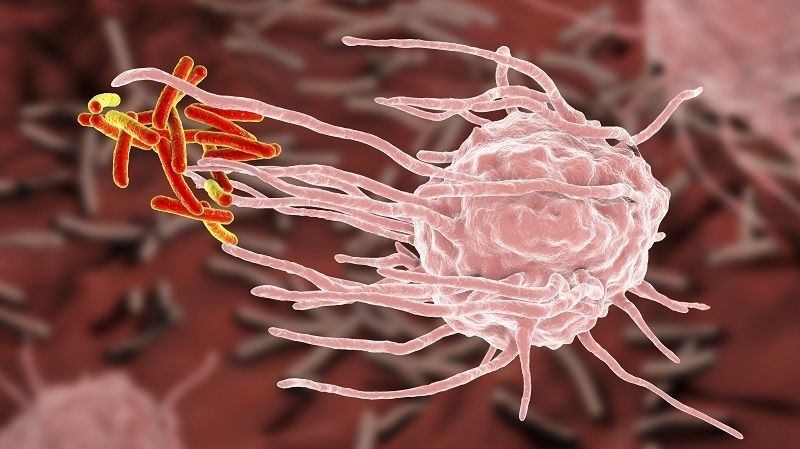
- Macrophages
- Functions: - Phagocytosis works as inflammatory mediators - Antigen presentation
- - Oxygen and nitrogen reactive species - Cytokines - Proteins of the complement
- - Oxygen and nitrogen reactive species - Cytokines - Proteins of the complement
- Functions: - Phagocytosis works as inflammatory mediators - Antigen presentation
- Dendritic cells
- Functions: - Co-stimulatory signs. - Oxygen reactive species.
- - Interferon - Cytokines
- - Interferon - Cytokines
- Functions: - Co-stimulatory signs. - Oxygen reactive species.
- Neutrophils
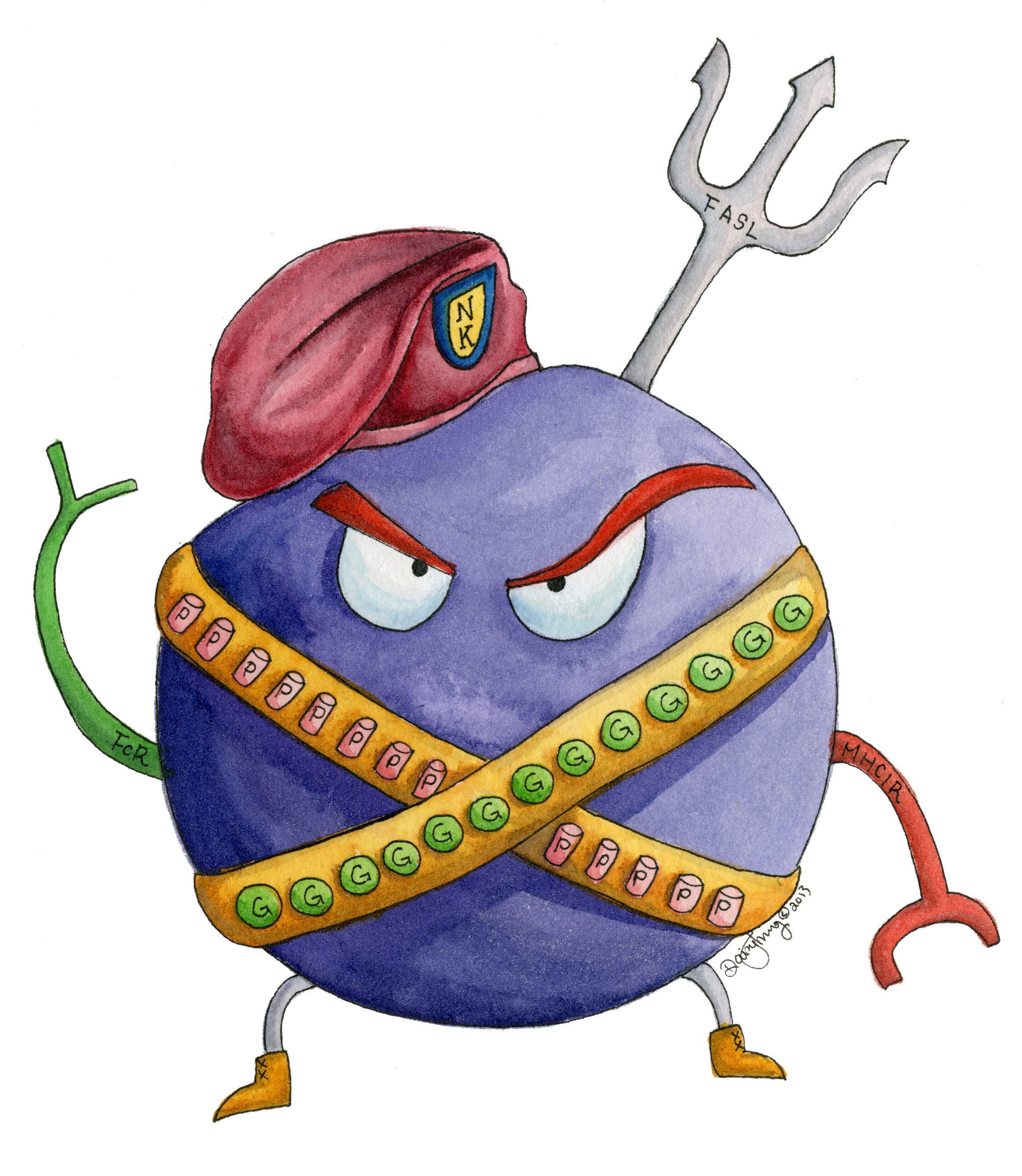
Natural killer cells
- Functions: - Interferon - The macrophage activation
- Functions: - Interferon - The macrophage activation
the immune response behaves in a very late way, (more than 96 hours), being that the triggering microorganism has been latent for hours in the organism.
- Other late adaptive immunity examples can appear in patients who are carriers of diseases like tuberculosis, typhoid fever, brucellosis, etc.
- Other late adaptive immunity examples can appear in patients who are carriers of diseases like tuberculosis, typhoid fever, brucellosis, etc.
Adaptive immunity
- Adaptive immunity is also called acquired because it is developed after birth. The lymphocytes are the specific cells in this system
- Also, the macrophages intervene. The immune memory grants protective immunity for life to avoid a reinfection by the same pathogen agent.
- Also, the macrophages intervene. The immune memory grants protective immunity for life to avoid a reinfection by the same pathogen agent.
- Characteristics of the adaptive immunity.
- - Specificity in the face of different molecules. - Property of “remembering” repeated expositions to the same antigen. - The ability to recognize a large amount of microbial and non-microbial substances.
- - Groups of T and B cells are generated and which regulate the secondary responses at a later moment. - The maintenance of long-term memory and the return of lymphocytes to an inactive are carefully controlled processes. - T and B lymphocytes they recognize the antigenic determinants for their antigen receivers in the cellular surface.
- - Specificity in the face of different molecules. - Property of “remembering” repeated expositions to the same antigen. - The ability to recognize a large amount of microbial and non-microbial substances.
- Types
- Cellular immunity: called this way because they are precisely cells that carry out the defense function, the cell responsible for cellular immunity is the T lymphocyte.
- Humoral immunity: the antibodies perform the function of defense. The B lymphocyte is responsible, when it is stimulated, it transforms in a plasmatic cell which is the effector cell that produces antibodies or immunoglobulins (Ig).
- Cellular immunity: called this way because they are precisely cells that carry out the defense function, the cell responsible for cellular immunity is the T lymphocyte.
- Adaptive immunity is also called acquired because it is developed after birth. The lymphocytes are the specific cells in this system
Innate immunit
- Characteristics
- - Reaction time: Minutes - Specificity: Specific for molecules and pathogen molecular patterns
- Diversity: A limited number of receivers coded by the germ line. - Memory response: None
- - Self and non-self discrimination: there is no specific microorganism pattern in the host. - Blood soluble components or tissue liquids: Many antimicrobial peptides and proteins. - Main cell types: Phagocytes (monocytes, macrophages, neutrophils), natural killer cells (NK), dendritic cells.
- - Reaction time: Minutes - Specificity: Specific for molecules and pathogen molecular patterns
- Characteristics
Adaptative immunity
- - Reaction time: Days - Specificity: Highly specific. It identifies details of the microbial or non-microbial structure with high specificity. - Diversity: Highly diverse
- Characteristics
- - Memory response: Persistent memory; the response to the ulterior infection is faster and of higher magnitude. - Self and non-self discrimination: occasional failures of discrimination between self and non-self result in autoimmune disease.
- - Blood soluble components or tissue liquids: Antibodies - Main cell types: T and B lymphocytes, antigen presenting cell
- - Memory response: Persistent memory; the response to the ulterior infection is faster and of higher magnitude. - Self and non-self discrimination: occasional failures of discrimination between self and non-self result in autoimmune disease.
Imágenes y archivos del mapa

Información
- Descripción
- Mapa Mental sobre Immunity types, creado por Joyce Arjona el 14/02/2021.
- Creado por
- Joyce Arjona · feb 2021
- Actualizado
- 15 feb 2021
- Visitas
- 0
- Valoración