
Mapa mental
spine
Contenido del mapa
spine
anatomy of the spine
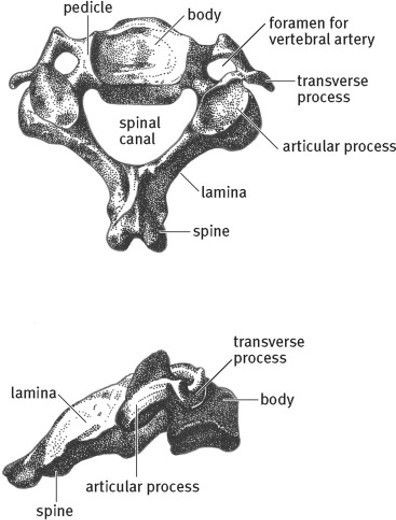
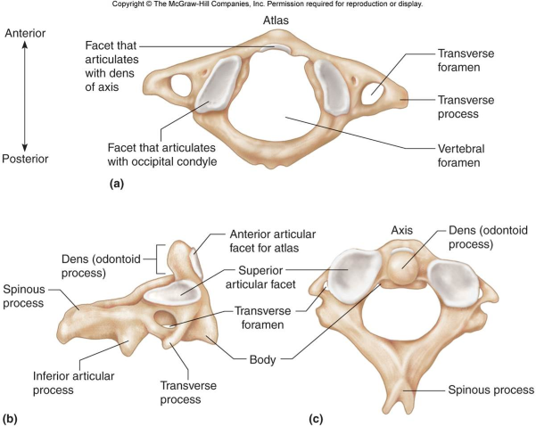
- cervical vertebrae
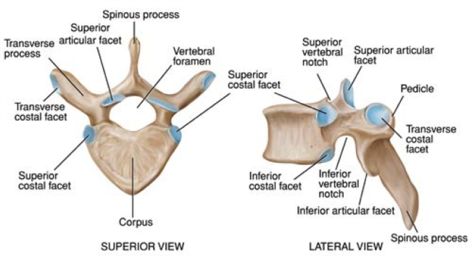
- thoracic
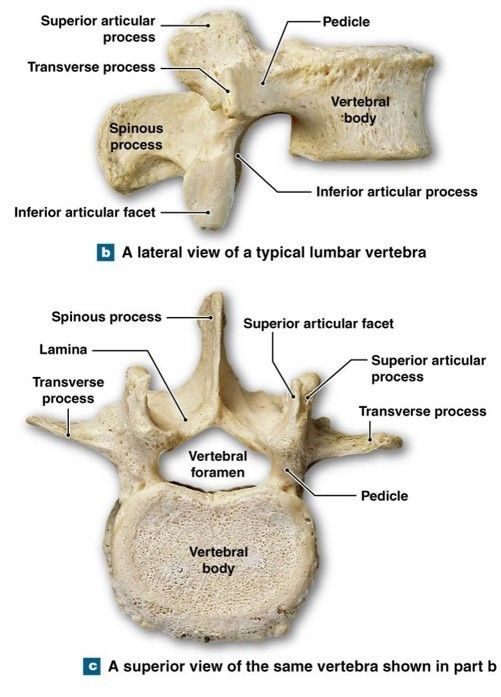
- lumbar
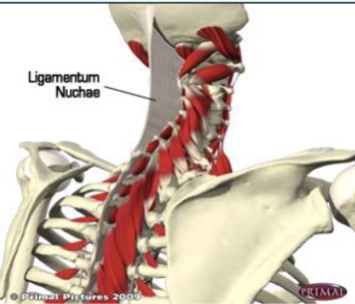
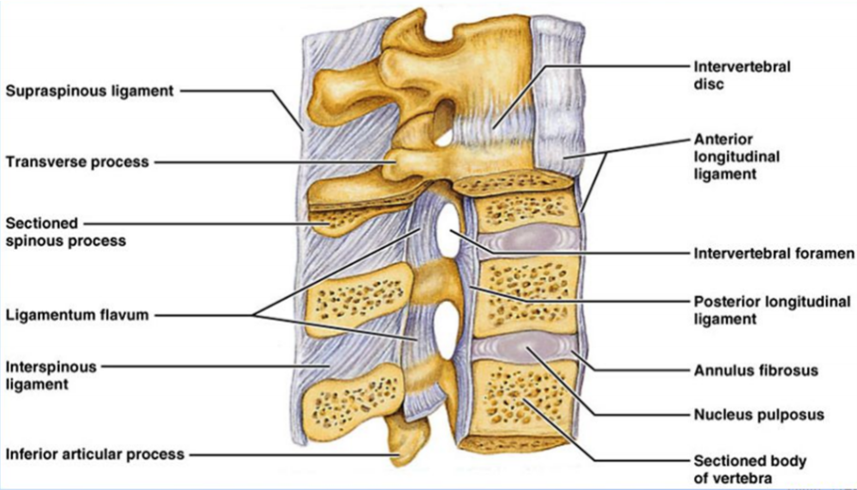
- ligaments of the spine
- muscles
- Iliocostalis
- Longissimus
- Spinalis
- cervical vertebrae
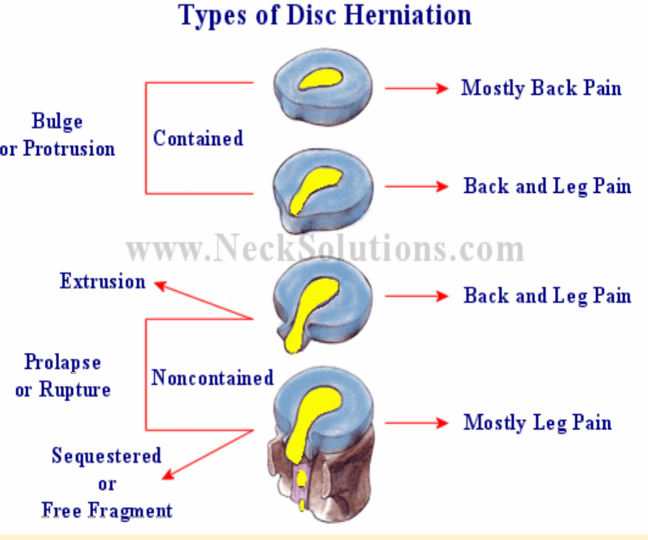
types of Disc Herniation
Physical examination of the spine
- special tests
- Schober's test “ Patient is Standing “
- Straight leg raising “ Supine position “
- Femoral stretch test “ Prone Position “
- start with introduction, ask patient to expose chest completely, look, inspect and move
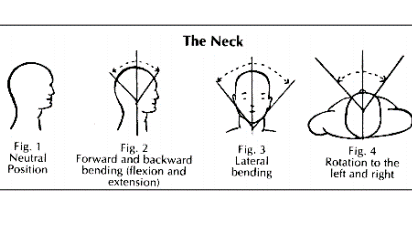
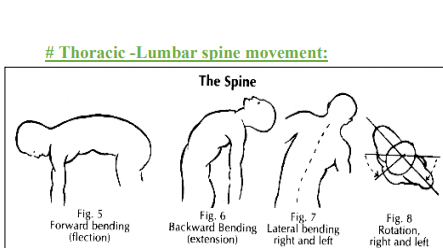
- specific movements
- neck
- thoracic-lumbar
- neck
- specific movements
- special tests
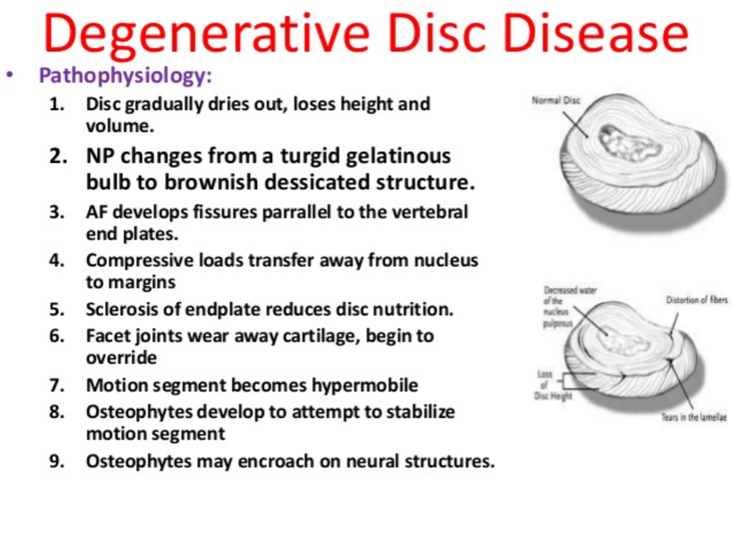
Degenerative Disc Diseases
- an age-related condition that happens when one or more of the discs between the vertebrae of the spinal column deteriorates or breaks down, leading to pain.
- DDD will cause
- lack of oxygen
- lack of glucose
- changes in PH levels
- death of proteoglycans
- IV discs are mainly made up of proteoglycans + collagen (both made by the chondrocytes)
- changes in hydrostatic pressure
- how does it happen?
X-ray imaging of the spine
- they are the first line investigation to asses the bony anatomy of the spine and various conditions that might affect the spine
- various conditions include : deformity, trauma, DDD, areas of instability
- standard views
- AP, lateral, oblique, flexion and extension views
- they are the first line investigation to asses the bony anatomy of the spine and various conditions that might affect the spine
lower back pain
- Aggravating factors
- Sitting for long hours with no breaks to move, Lack of physical activity, Wrong application of hot and cold therapy , Lifting objects incorrectly, Sitting with no back support
- Alleviating factors
- Using medications (OTC, injections, ointments), Certain yoga stretches, Sleeping and resting in a certain position, Heat and ice therapy
- alternative treatments
- spinal manipulation, biofeedback, messages, yoga, acupuncture, TENS
- Aggravating factors
medications
- muscle relaxants
- Neuromuscular blockers
- Depolarizing agents:
- succinylcholine
- Non-depolarizing agents
- tubocurarine, mivacurium
- Depolarizing agents:
- Spasmolytics & Antispasmodic Drugs
- diazepam, baclofen,
- Neuromuscular blockers
- muscle relaxants
Scoliosis
- Scoliosis is a sideways curvature of the spine that occurs most often during the growth spurt just before puberty
- Symptoms
- uneven shoulders, one shoulder blade more prominent than the other, uneven waist, one hip side higher than the other
- Causes
- neuromuscular conditions, birth defects affecting bone development, injuries or infections to the spine
- risk factors
- age, sex, family history
- Treatment
- braces, surgery (spinal fusion)
- Symptoms
- Scoliosis is a sideways curvature of the spine that occurs most often during the growth spurt just before puberty
Sciatica
- risk factors
- age, obesity, occupation, prolonged sitting, diabetes
- pain that radiates along the path of the sciatic nerve, which branches from your lower back through your hips and buttocks and down each leg. usually affects one side only
- complications
- loss of feeling and weakness in the affected leg, loss of bowel or bladder function
- tests to diagnose
- MRI and CT scans
- special tests
- passive straight leg raise and slump test
- management
- self care : hot and cold packs, stretching and OTC medication
- specific medications : anti-inflammatories, muscle relaxants, anti-seizure medications
- physical therapy
- types
- active
- stretching, aerobic, strengthening exercises
- manual
- mobilisation and manipulation
- active
- types
- alternative medicine like acupuncture, chiropractic therapy
- steroid injections
- last route : surgery
- when should one go for spinal surgery in general ?
- herinated or ruptured discs
- spinal stenosis
- vertebral fractures
- degenerative disk disease (DDD)
- when should one go for spinal surgery in general ?
- risk factors
spinal injection placement
- epidural space
- into and around the facet joint
- Sacroiliac Joint Injections given around the SI joint
Visual analogue scale of pain
- It is a measurement instrument for subjective characteristics or attitudes that cannot be directly measured like pain
- helps the care provider or physician to asses the pain
drug adherence
- refers to how closely you follow a prescribed treatment regimen
- has to do with the patients ability and willingness to follow the treatment
Imágenes y archivos del mapa
Información
- Descripción
- Mapa Mental sobre spine, creado por Batoul jahed el 28/02/2021.
- Creado por
- Batoul jahed
- Visitas
- 0
- Valoración