
Mapa mental
The Behaviourist Approach
Contenido del mapa
The Behaviourist Approach
Assumptions
- Only interested in studying behaviour that can be observed and measured
- John Watson rejected introspection
- Used lab experiments to maintain control
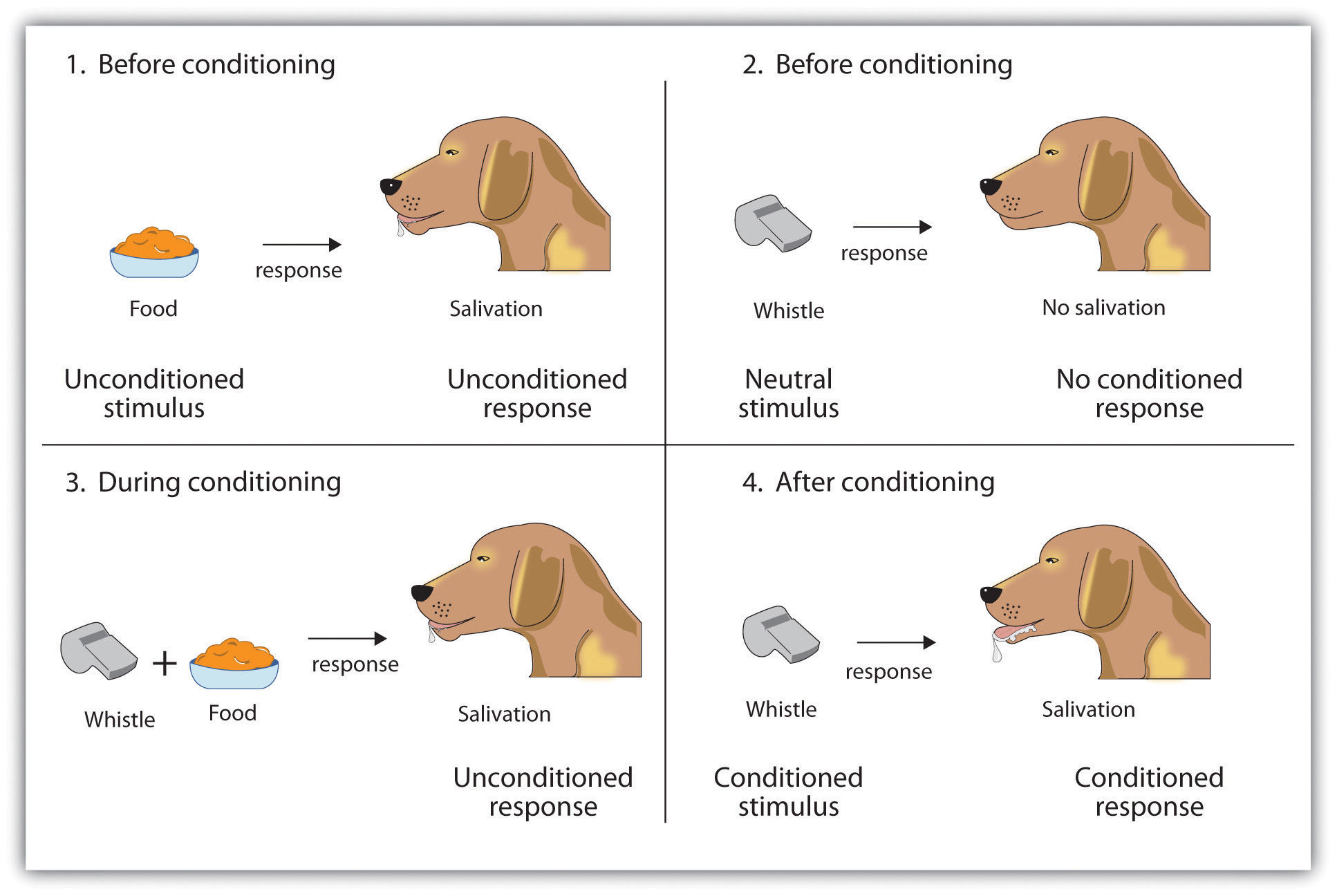
- Behaviourists identify 2 important forms of learning: classical and operant conditioning
Classical Conditioning
- Classical conditioning is learning through assossiation
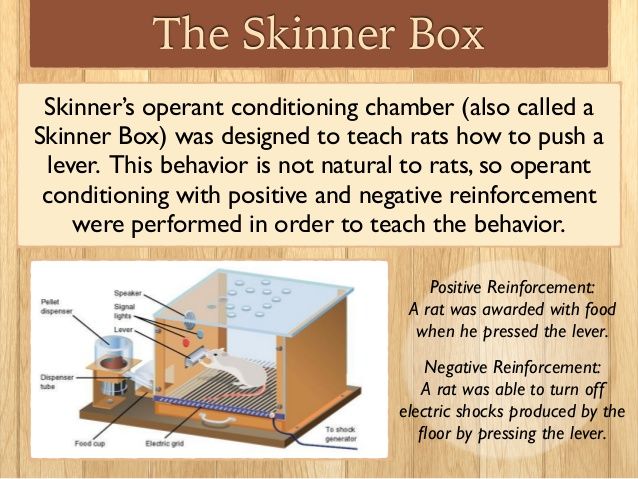
Operant Conditioning
- Skinner suggested that learning is active process
- There are 3 types of consequences of behavior
- Positive Reinforcement: receiving a reward when a certain behavior is performed
- Negative Reinforcement; occur when an individual avoids something unpleasant
- Punishment: an unpleasant consequence for a certain behavior
Evaluation
- Scientific credibility: focuses on measuring observable behavior within controlled lab settings
- Real-life applications: basis of token economy system. Classical conditions can treat phobias
- Mechanistic View on behavior: animals are seen as passive and machine-like responders to the enviroment
- Environmental determinism: ignores any possible influence of free will
- Ethical and Practical issues: used animals therefore can't relate to humans. Unethical for skinners rts
Imágenes y archivos del mapa
Información
- Descripción
- Chapter 4: Approaches in Psychology (Page 106-107)
- Creado por
- Dominique Fernan
- Visitas
- 288
- Etiquetas
- Valoración