
Mapa mental
Remedial IV
Contenido del mapa
Remedial IV
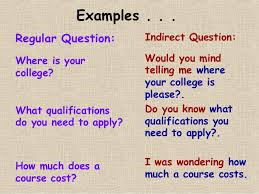
Indirect Questions
- We use them when talking to a person we don’t know very well, or in professional situations, and their form is a little different.
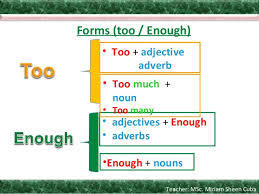
Too and enough
- Too and enough indicate degree. They are used with adjectives. •Too means more than what is needed. •Enough means sufficient.
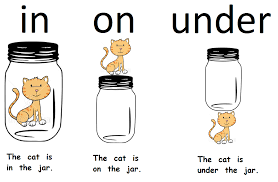
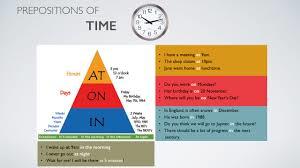
Prepositions
- Prepositions are short words (on, in, to) that usually stand in front of nouns (sometimes also in front of gerund verbs).
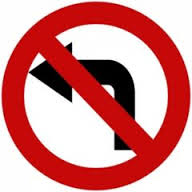
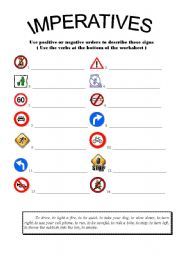
Imperative
- We can use the imperative to give a direct order.
graphs and charts
- a low point, declined, doubled, drop, from, incresed slightly, recovered, remained,rising charply, sudden,.
Will and going to
- If you are making a future prediction based on evidence in the present situation, use 'going to'.
- When we want to talk about future facts or things we believe to be true about the future, we use 'will'.
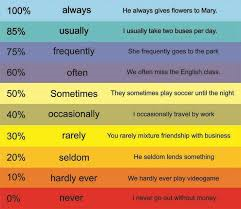
Adverbs of frequency
- We use some adverbs to describe how frequently we do an activity.
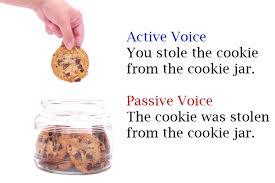
Passive/ Active
- In most English sentences with an action verb, the subject performs the action denoted by the verb.
- One can change the normal word order of many active sentences (those with a direct object) so that the subject is no longer active, but is, instead, being acted upon by the verb - or passive.
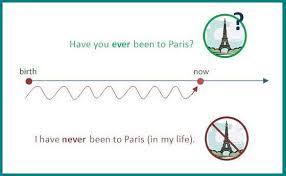
Present Perfect
- The present perfect is formed by combining the auxiliary verb "has" or "have" with the past participle.
Imágenes y archivos del mapa




Información
- Descripción
- VOCABULARIO VISTO EN CLASE
- Creado por
- Deisy Gonzalez · nov 2015
- Actualizado
- 19 feb 2016
- Visitas
- 69
- Etiquetas
- Valoración