
Mapa mental
Unit 3.3.4 - Other considerations before trading internationally
Contenido del mapa
Unit 3.3.4 - Other considerations before trading internationally
Key Terms
- Stakeholders
- All those who have an interest or stake in a particular business
- E.g. customers, shareholders, etc
- Corporate Culture
- Set of important assumptions that are shared by people working in a particular business
- Influence the ways in which decisions are taken there
- Corporate Social Responsibility (CSR)
- Taking decisions in a way that takes into account all stakeholders' interests
- E.g. Treating employees, customers and suppliers fairly, or avoiding polluting activities and contributing positively to lives in the community
- Ethical decision making
- Following codes of practice that embody moral values
- The objective is to do the right thing, act with honesty/integrity and taking into consideration everyone's interests (affected by the decision)
- Social/Cultural Differences
- Individual societies and groups within them may have a different way of life
- This will affect their patterns of consumption and the products they favour and also the way they do business with one another
- Individual societies and groups within them may have a different way of life
- Protectionism
- Government policies aimed at protecting the domestic economy from the effects of imports that might otherwise damage domestic industries and reduce employment
- Trade Barriers
- Anything that slows or prevents free trade from occurring
- E.g. Tariffs and Quotas
- Anything that slows or prevents free trade from occurring
- Quotas
- Physical limits on the level of specific imports in any one year
- Stakeholders
Shareholder Model
- Profit maximisation - main priority of managers
- Everything managers do should be in the best interest of shareholders
- If shareholders want short-run profit maximisation at the expense of long-term growth - it's the responsibility of managers to deliver
- Managers are employed to manage, on behalf of shareholders
- Needs, desires and aspirations of other interest groups should not be prioritised over those of shareholders
Stakeholder Model
- Taking into account interests of all stakeholders - as a priority
- Benefits include; improved image perception by consumers (leading to increased sales & competitive advantage), improved retention & motivation of staff, closer relationships with suppliers (leading to a beteer service), improved public relations and a reduction in the disruption of commercial activities by pressure groups
CSR Policy
- Desire to behave responsibly
- Positive public image
- Wanting to fit in with everybody else
- Positive marketing ploy
- Smokescreen to hide behind
Ethical Decision Making and Stakeholder Conflict
- What to manufacture?
- Should businesses make controversial products?
- Some products attract dispute and criticism (E.g. Cigarettes)
- Capital and Labour?
- Should a business use more capital?
- Trade-off between capital and labour, more capital means less labour and more unemployment
- Pay and Working Conditions
- Should businesses improve pay and conditions?
- Trade-off between standards of pay/conditions and employee morale & productivity - weighed against increased costs
- The Environment
- All businesses affect the environment in some way by their activities
- Trade-between controlling such problems as pollution and reducing costs
- Where to manufacture?
- Should businesses stay within original country or move production overseas to reduce costs?
- Dyson moved to Malaysia in 2002 - took advantage of cheap labour but UK workers lost jobs
- What to manufacture?
Most Profitable Companies
- Nestle
- Gazprom
- Microsoft
- Chevron
- AT&T
Most Ethical Companies
- IBM
- intel
- PepsiCo
- Unilever
- Cisco
Behaving Ethically
- Drawbacks
- Labour costs increase due to fairer wages/conditions
- Changing methods of production/corporate culture may be expensive
- Unethical competitors - may have lower prices/costs
- Supplies/minerals ethically sourced - more expensive
- Minimising eco damage - increased costs
- Advantages
- Favourable media attention
- Potentially profitable
- Improved relationships with suppliers (leads to better service)
- More motivated workforce - productivity
- Ethically produced products carry a premium price without damaging sales
- Improved public image - increased sales and brand loyalty
- Drawbacks
Marketing
- Place
- Conventional avenues may not be available
- Price
- May need to be lower
- Promotion
- Has to appeal to local tastes/culture
- Product
- May need to adapt to local needs
- Place
Social/Cultural Differences
- Language
- Effective communication is vital
- Businesses need bilingual people who can advise them on how to avoid pitfalls (may be a factor in unfamiliar markets)
- Language
Joint Ventures
- Disadvantages
- Partners may not be reliable/suitable
- Profits are shared
- Possible cultural clashes
- Management styles may clash
- Communication problems may arise
- Advantages
- Spreading risk
- Gaining local knowledge/expertise
- Shared costs
- Helps avoid cultural/social clashes
- Can use existing supply chains/distribution networks
- May be a condition of entry into some markets
- Disadvantages
Tariffs and Quotas
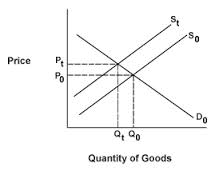
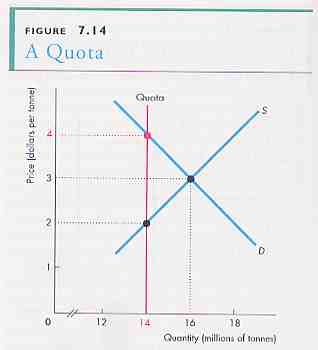
- Quotas make the supply curve vertical at the quota limit - causes price to rise and quantity demanded to decrease (depends on price elasticity of demand for the import)
Why create barriers to trade?
- To stop cheap foreign imports from replacing domestic substitutes (leading to job losses & business closures)
- To protect 'infant' industries
- Helps to avoid a trade deficit
- Useful source of tax revenue - help fund public expenditure
- Disadvantages of Protectionism
- Reduces competition
- Leads to inefficiency & higher prices
- Causes a welfare loss (paying more for imports - less spending on other goods)
- Provokes retaliation
- Reduces competition
Imágenes y archivos del mapa
Información
- Descripción
- Business Studies & Economics Mapa Mental sobre Unit 3.3.4 - Other considerations before trading internationally, creado por Dom W el 03/01/2014.
- Creado por
- Dom W
- Visitas
- 169
- Etiquetas
- Valoración