
Apuntes
Post-colonialism and migration
Contenido del apunte (5)
Página 1
History
India as a colony:
- British rule in India started in 1833 after long trading relations because of the British
East India Company (founded 1606) and ended in 1947 with India declaring
Independence
- India became more unified, safer and better developed in matters of technology,
economy and equality
- Britain ended slavery → brought freedom and independence
- Introduced its legal and administrative system
- Key facts about India after 1947: • 1 027 015 billion citizens (2001)
• Official languages: Hindi and English
• Religion: Hinduism (75%), Islam (12%),
Christianity (6%)
• National capital: New Delhi
Division of India &Pakistan:
- supporters of India’s independence (Ghandi and Nehru) weren’t able to avoid the
division of the Indian subcontinent into three states
- India (Hindu) and Pakistan (Muslim) became sovereign states whereas Sikkim
(Buddhist) failed and was annexed by India
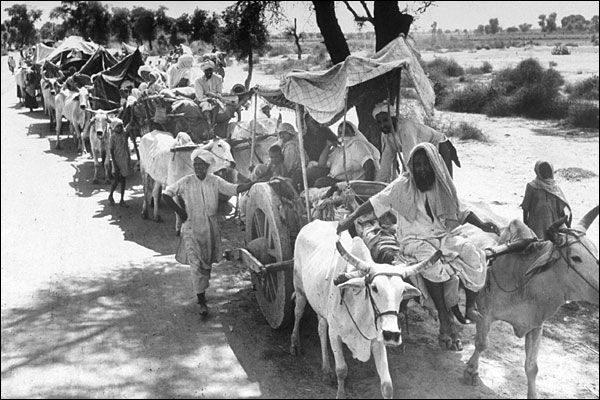
- division accompanied by emigration and massacres
Kashmir conflict:
- India and Pakistan lay claim on the region Kashmir
- after three Kashmir wars in history since 1947 (47, 65, 99) one can recognize a
relaxation of the situation
- nevertheless has not been solved yet
- conflict becomes more and more important because both states have nuclear weapons
and threatening relations to other parties in global politics (USA, Al Qaida)
Explanation of “Post-colonialism”:
- specifically post-modern intellectual discourse that holds together a set of theories
from texts of film, philosophy and literature which are reactions to the cultural legacy
of the colonialism
- it is a literary theory
- deals with novels written in colonies; examines culture and identity during colonialism
and after having gained independence
Current situation and trends:
- GB as a multiethnic state
- different opinions: pro and con immigration
- pro: value of cultural diversity
- con: the British become a minority in their own country, dissolution of the British
culture
- Asian influences on the British culture: cuisine, films (Bend it like Beckham, East is
East) everything Asian has become fashionable
- the biggest challenge facing the next generation of young Asians is how to become
committed citizens in a modern Britain without forgetting everything about their past
Problems of integration:
- discrimination and racism
- many Muslims stick to their original culture instead of adopting the British culture
and becoming British Muslims
- victim mentality of both – British and immigrants
- isolation and ghetto life (endogamy: genetic diseases)
Página 2
Facts on Immigration
Immigration to England:
The immigration wave started in the 1950s and had its peak at the beginning of the
1960s
- there was a high increase in a short time (example: 5 000 Pakistani in 1951, 25 000 in
1961 and 199 700 in 1966)
- the largest group are Indians (over 1 million); their first immigration wave started
shortly after having gained independence in 1947
- the third largest group are Pakistani and Bangladeshis (over 700.000)
- many Pakistani live in the West Midlands and in Greater London → “Asian suburbs”
which don’t afford integration
- religions of immigrants: 1 to 1.5 million Muslims, 500.000 Sikhs and 400.000 Hindus
→ cultural diversity
- politics: - until 1962, all Commonwealth citizens were allowed to immigrate to
England
- the high increase in population led to an intensification of immigration
rules → work permit necessary
- Commission for Racial Equality → founded because of the Race
Relations Act in 1976, was supposed to support the elimination of
discrimination, the promotion of equality, of opportunity and of good
race relations
- important for the future and a successful integration: self – criticism, permanent and
demanding dialogue, respect for diversity and expression of common values
Reasons for immigration from Pakistan to England (1950s, Abitur English)
Página 3
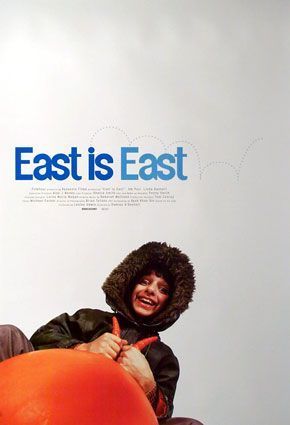
Films (East is East)
East is East (film):
- story takes place in Manchester in the 70s
- about the multicultural family Khan
- consisting of the Pakistani George (owner of a
takeaway), his six sons (Nasir, Abdul, Tariq, Saleem, Maneer,Sajid), his daughter
(Meena) and his English working-class wife (Ella)
- patriarchal family structure, father is conservative and sticks to Muslim Pakistani
traditions
- the kids are attached to the English culture and ignore their father’s prohibitions
- after two arranged weddings are cancelled by the chosen sons, George becomes
violent towards his wife and Maneer
- in the end when the family seams to collapse Ella is on the kids’ side and shows
George that his behaviour was wrong but also states that he remains the kids’ dad
- characters:
o Nasir: refused the arranged marriage, lives as a homosexual hatter in London,
his name isn’t to be mentioned in the Khans‘ house
o Abdul: unconfident with his arranged marriage but not brave enough to revolt
against it
o Tariq: known as the greatest womanizer of the quarter, argues a lot with
George and tries to leave home because of the arranged marriage
o Saleem: pretends to study engineering but indeed goes to an art academy, tries
to stay uninvolved in all the issues and is very passive
o Maneer: respects George very much and copies his way of life, is also
frightened of his dad
o Meena: refuses to wear a Sari, plays football
o Sajid: very timid in front of George, always hides behind his jacket, likes to
make fun with his siblings, too young to discuss with his father
Traditional vs. Non-traditional behavior:
Traditional:
They shouldn’t eat pork
The children have to attend a Muslim school
Arranged marriages
Traditional gifts
They aren’t allowed to take part in Christian
activities
Patriarchal family structure
Non-traditional
They eat pork in secret
The children don’t speak Urdu
Non-traditional activities like going to a club
or meeting British girls
“George” has got an English name and wife
The children don’t have to wear traditional
clothes in their everyday life
They don’t pray every day
Saleem studies arts
Página 4
Current Situation & Trends
- GB as a multiethnic state
- different opinions: pro and con immigration
- GB as a multiethnic state
- different opinions: pro and con immigration
- pro: value of cultural diversity
- con: the British become a minority in their own country, dissolution of the British
culture
- Asian influences on the British culture: cuisine, films (Bend it like Beckham, East is
East) everything Asian has become fashionable
- the biggest challenge facing the next generation of young Asians is how to become
committed citizens in a modern Britain without forgetting everything about their past
Problems of integration:
- discrimination and racism
- many Muslims stick to their original culture instead of adopting the British culture
and becoming British Muslims
- victim mentality of both – British and immigrants
- isolation and ghetto life (endogamy: genetic diseases)

Página 5
Literature
Excerpt from “White teeth” by Zadie Smith (one of a few successful writers focusing
on the inner conflict between different cultures)
excerpt from “White teeth” by Zadie Smith (one of a few successful writers focusing
on the inner conflict between different cultures)
→ Samad Iqbal and his wife Alsana are Bangladeshis living in England and having
different opinions on • Rushdie’s book
• tolerance: he wants to protect his own culture and doesn’t
tolerate other opinions on it, she accepts other people and
doesn’t want to oppress them
• culture: he wants his wife to act like a Bengali and religion has
to be shielded from abuse, however she wants to act neither
Bengali nor English because she believes in the culture mix

Información
- Descripción
- Eine Zusammenfassung zum Thema Post-Colonialism and Migration, Abitur Englisch
- Creado por
- steffen_1411
- Visitas
- 498
- Etiquetas
- Valoración