
Apuntes
The Cold-War 1980's: The beginning of the end
Contenido del apunte (4)
Página 1
Détente Ends
In the 1970s, the US and USSR tried to improve relations by the policy of détente but by the early 1980s this had broken down. In 1981, the new US president Ronald Reagan pursued a more aggressive foreign policy than his predecessor. US and USSR relations began to develop again:
Nuclear Weapons > nuclear arms race began with the USSR putting new SS-20 missiles in eastern Europe and the US installing a new deadly weapon - the cruise missile.
Eastern Europe > USSR introduced military rule in Poland in 1981 to crush a popular protest movement led by the trade union Solidarity
Afghanistan > the Soviet war in Afghanistan brought back the tensions of the Cold War
Página 2
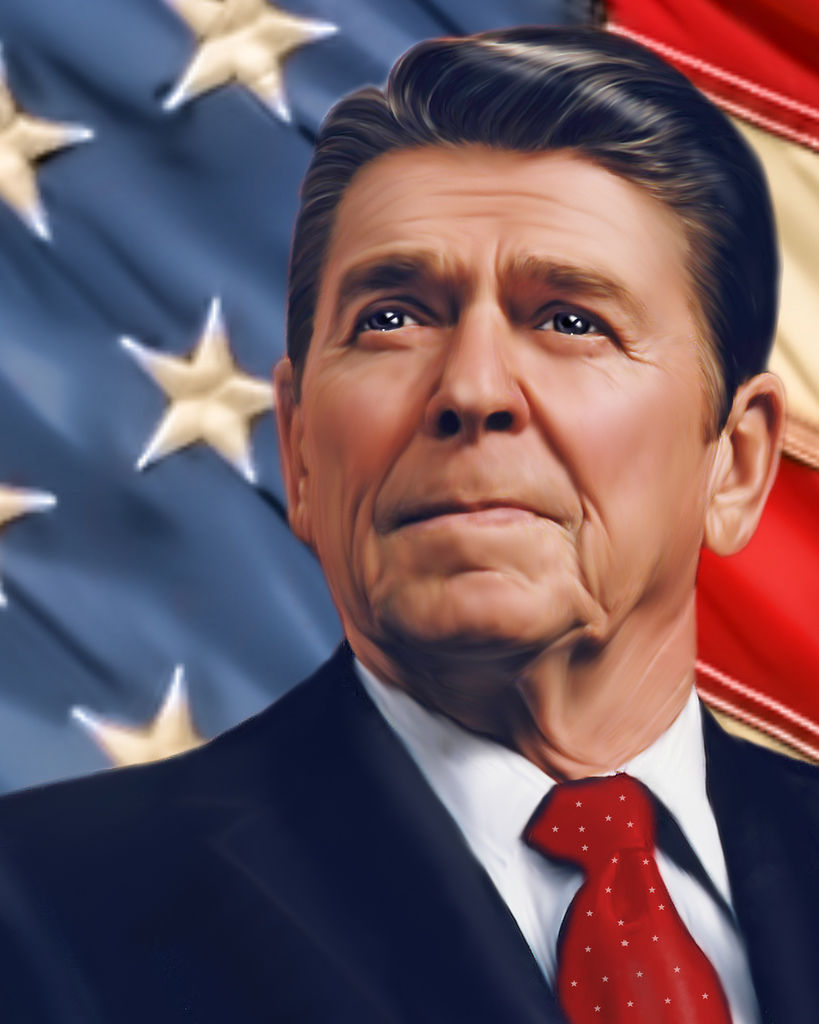
Reagan's Influence
Ronald Reagan came into office in January 1981 with a simplistic view of politics and new type of leadership.
Reagan's policies:
Viewed the Soviets as the bad guys and the US as the good guys
Majority of his views were shaped by the think tank of anti-communist advisers called the Committee on the Present Danger
Reagan followed this think tank's ideas and supported anti-communist forces in Afghanistan and Nicaragua
Dramatically increased the US defence budget ($32.6 billion in his first two weeks in office)
Introduced new weapons, such as the B1 nuclear bomber
In 1982, he commenced the Strategic Defense Initiative (create a system using satellites and lasers to destroy missiles)
Reagan's policies meant the USSR could not keep up
Critics argue his policies were about money, as many defence companies had donated to his electoral campaign
Reagan's Impact:
Reagan's investment in weapons development left the US in $4 trillion of debt
Many of Europe's leaders at the time supported his tough stance against the USSR
Reagan's success was helped by the ageing politicians of the USSR
Soviet leaders could not cope with Reagan's actions, especially while their economy was suffering
Página 3
Gorbachev Brings Change
In 1985, Mikhail Gorbachev emerged as a new USSR leader with fresh ideas. The ideas he represented were:
Realism - He understood the USSR was in a mess, especially the state of the economy. The USSR was locked into a costly and unwinnable war in Afghanistan. No leader addressed the economy in a different way since Stalin.
Idealist - Gorbachev believed communist rule should be improving the lives of people. He saw the higher standards of living that existed in the capitalist West but not communist Russia.
Optimist - He believed a reformed communist system of governance could work.
Two of Gorbachev's key reforms were Glasnost (openness) and Perestroika (restructuring)
Glasnost - reduced the state control of the media and the Soviet people began hearing for the first time reports on the war in Afghanistan
Perestroika - introduced economic reforms that allowed people in the USSR to trade for profit
Further, Gorbachev launched a campaign against corruption in the USSR.
Página 4
Gorbachev and Reagan Summits
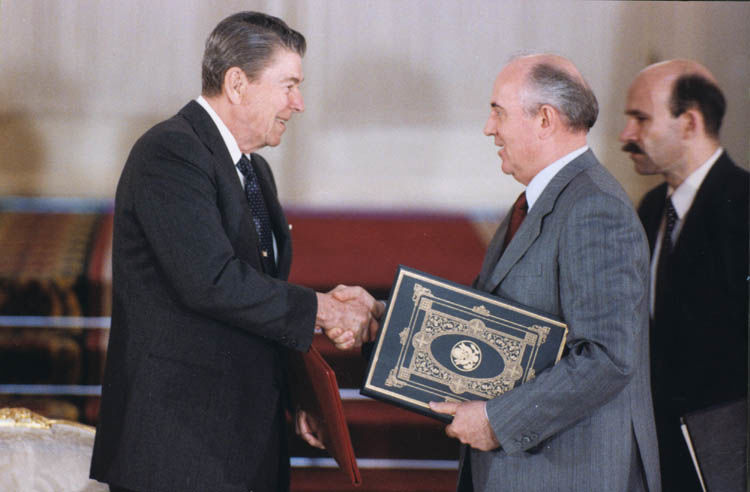
The arms race was a huge drain on the Soviet economy and Gorbachev took the initiative to cut Soviet expenditure in arms. While the US, continued to spend on nuclear weapons. Gorbachev brought a new dynamic to USSR relations worldwide. He gave speeches about international cooperation and trust, suggesting that Reagan and himself meet to discuss their differences.
Finally, the two leaders met at their first summit in Geneva on the 19 November 1985. Thereafter, they met three more times in Reykjavik (October 1986), Washington (December 1987) and Moscow (June 1988). The real breakthrough came at the Washington summit, where both leaders reduced their missile stockpiles. The final summit in Moscow was more of a symbolic visit. This was the first time Reagan visited the USSR and met Soviet people.
Información
- Descripción
- The 1980's saw a new aggressive stance initially taken by Reagan that increased arms spending and supported ant--communist activities. By 1985 when Gorbachev came to power, the USSR couldn't keep up with US spending. Gorbachev's policies and his willingness to deal with Reagan sowed the seeds for the end of the cold war.
- Creado por
- Andrew Burke
- Visitas
- 226
- Etiquetas
- Valoración