
Apuntes
Global Patterns of Disease
Contenido del apunte (8)
Página 1
The Spread of Disease
Diseases do not discriminate who becomes infected or develops symptoms.
Diseases can be communicable and noncommunicable and a number of physical and human factors affect an individual’s and a community’s susceptibility to the risk.
With modern transport, diseases can spread extremely rapidly. More than at any previous time in history, global public health security depends on international cooperation and the willingness of all countries to act effectively in tackling new and emerging threats.
Página 2
Malaria
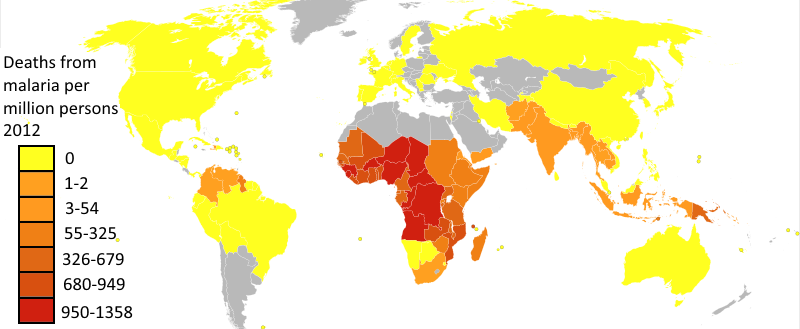
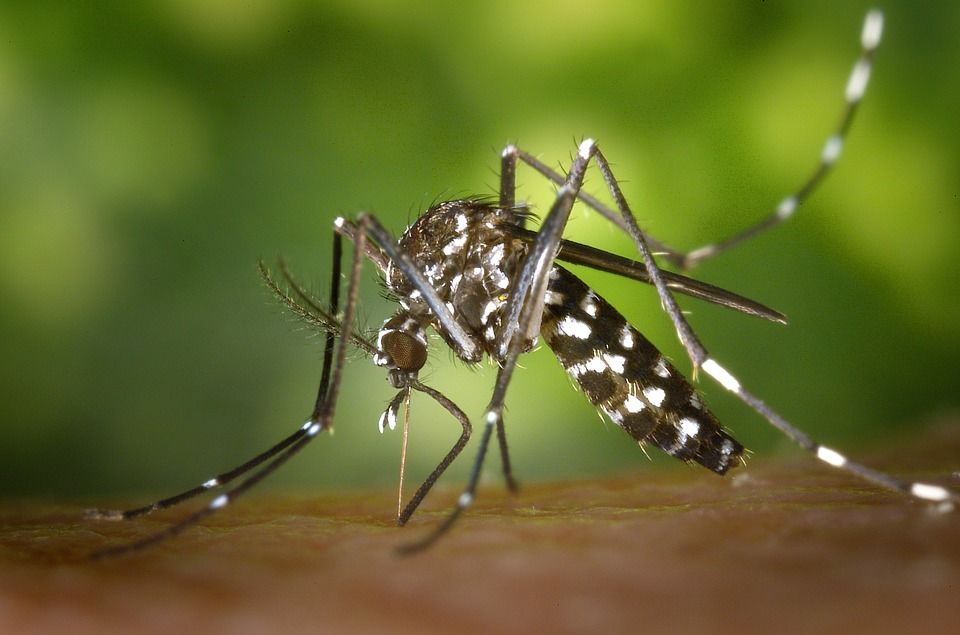
Malaria is a life-threatening mosquito-borne blood disease caused by a Plasmodium parasite.
The successful development of the parasite within the mosquito depends on several factors, the most important being humidity and ambient temperatures.
The malaria parasite infects red blood cells and the liver.
Malaria is preventable and curable, and increased efforts are dramatically reducing the malaria burden in many places.
In 2015, nearly half of the world's population was at risk of malaria.
Those living in the tropics are at a higher risk, particularly those countries with lower economic development.
Página 3
HIV/AIDS
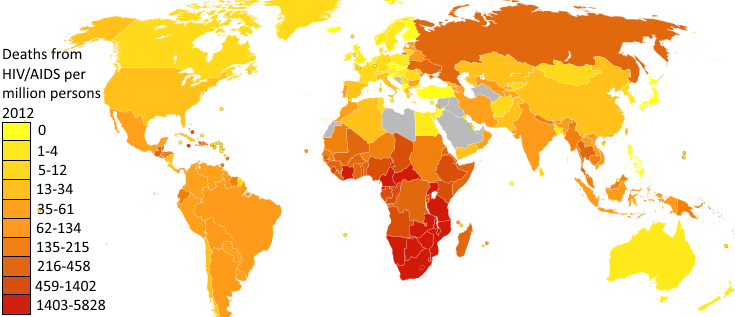
HIV stands for human immunodeficiency virus.
HIV is a sexually transmitted virus that attacks the immune system. If untreated, a person’s immune system will eventually be completely destroyed.
AIDS stands for acquired immune deficiency syndrome.
AIDS refers to a set of symptoms and illnesses that occur at the very final stage of HIV infection. This can take 10-15 years.
There is effective antiretroviral treatment available so people with HIV can live a normal, healthy life.
Página 4
Tuberculosis
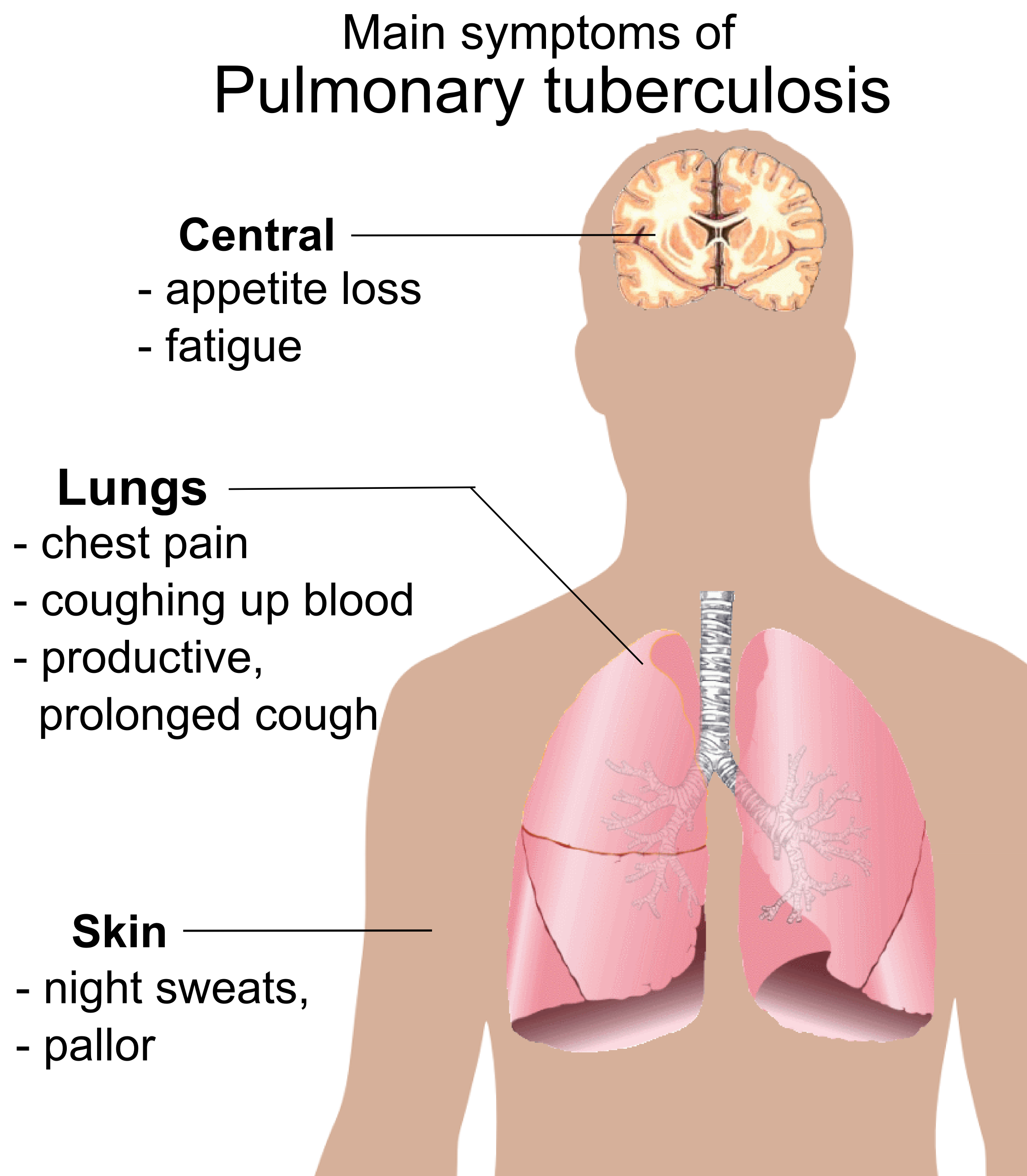
Tuberculosis (TB) is a potentially serious infectious disease that mainly affects your lungs.
The bacteria that cause tuberculosis are spread from one person to another through tiny droplets released into the air via coughs and sneezes.
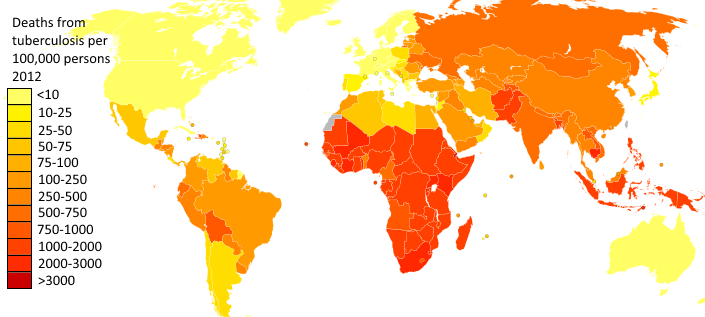
This disease is rare in developed countries.
Those with HIV are much more likely to catch TB because of their weakened immune system.
Página 5
Diabetes
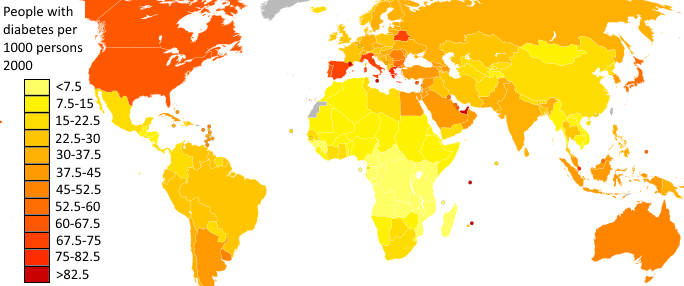
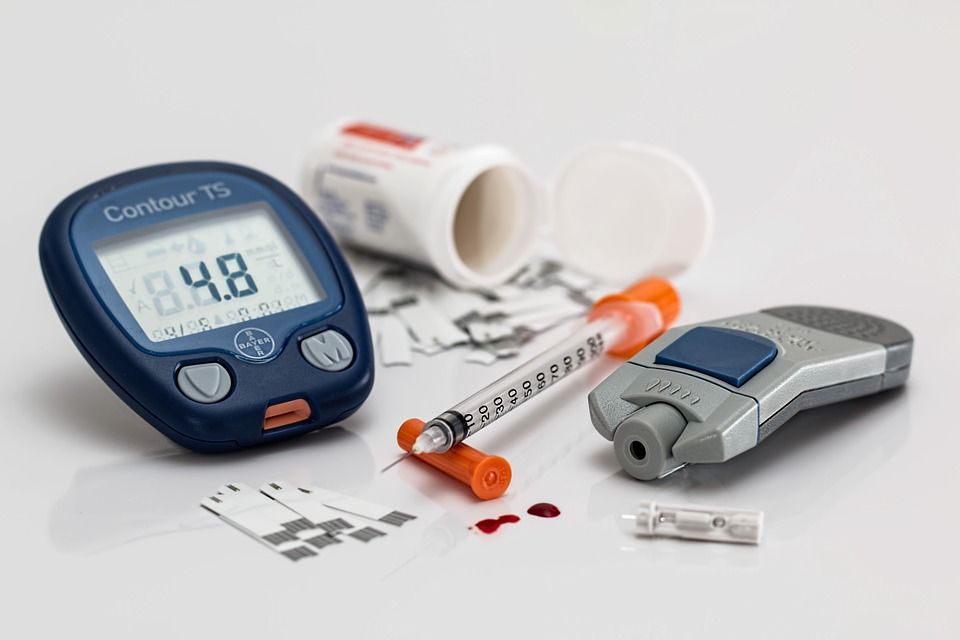
Diabetes is a disease in which the body’s ability to produce or respond to the hormone insulin is impaired, resulting in abnormal metabolism of carbohydrates and elevated levels of glucose in the blood.
Type 1 diabetes results from autoimmune destruction of insulin-producing cells of the pancreas.
Type 2 diabetes is characterised by high blood glucose in the context of insulin resistance and relative insulin deficiency.
There is no treatment for diabetes, only management strategies. These usually include maintaining a healthy body weight, exercise and diet.
Página 6
Cardio-Vascular Disease
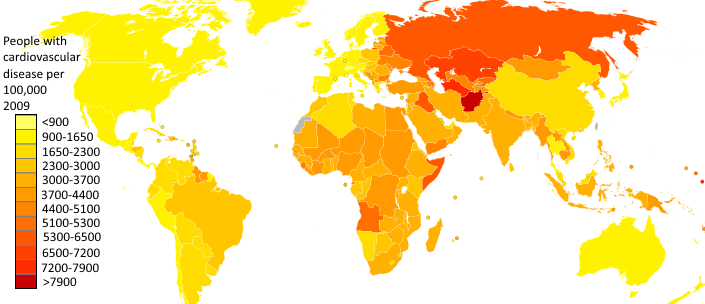
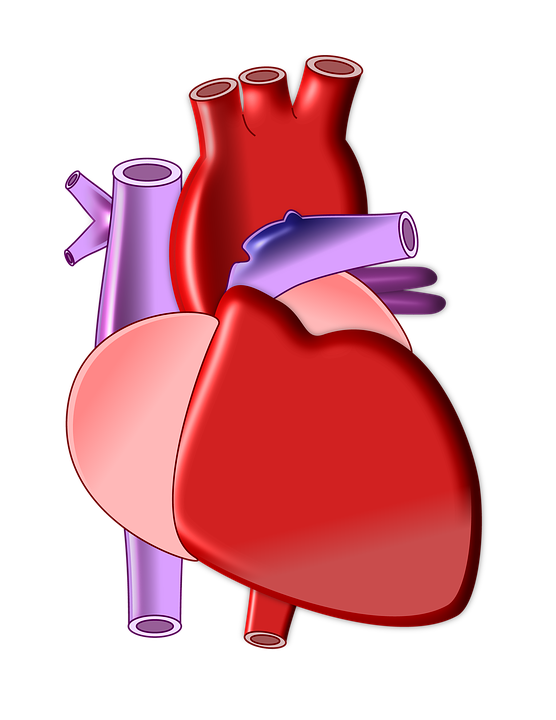
Cardiovascular disease generally refers to conditions that involve narrowed or blocked blood vessels that can lead to a heart attack, chest pain or stroke.
This is usually caused by the buildup of plaque inside of the arteries.
Treatment may include lifestyle changes, medicines and surgical procedures.
Página 7
Physical Factors affecting Diseases
Physical factors can influence vectors of disease such as the prevalence of mosquitoes in warm, humid areas close to water sources.
Many diseases such as malaria, yellow fever, sleeping sickness and dengue fever depend on the warm conditions of the tropics and sub-tropics.
Seasonal temperature variations in a location often cause seasonal variations in disease rates also.
Climate change provides the conditions for emerging infectious diseases to spread to new places and new hosts such as West Nile virus, tsetse fly and tick seasons.
Bacteria:
Bacteria have optimal growth conditions under which they thrive, but once outside of those conditions the stress can result in either reduced or stalled growth, dormancy or death.
Depending on the temperature, bacteria can be classified as: psychrophiles, which survive below temperatures of 20°C; mesophiles, which survive between temperatures of 20°- 45°C; and thermophiles, which survive between temperatures of 45° - 60°C.
Optimal acidity for bacteria tends to be around pH 6.5 to 7.0.
Viruses and Parasites:
Because viruses and parasites need to infect the cells of a host in order to survive, physical factors are less influential.
Air-Borne:
Rainfall, mean of sunshine daily hours, latitude and altitude are all important physical factors.
Infrequent or exceptional extreme events also influence the spread of airborne diseases, such as tropical storms, hurricanes, typhoons or monsoons.
The spread of disease through the air could also arguably be more of a socio-economic factor (i.e. proximity of people), although the relative remoteness or isolation of a place due to extreme temperatures or relief is a key physical factor in limiting the spread of disease.
Water-Borne:
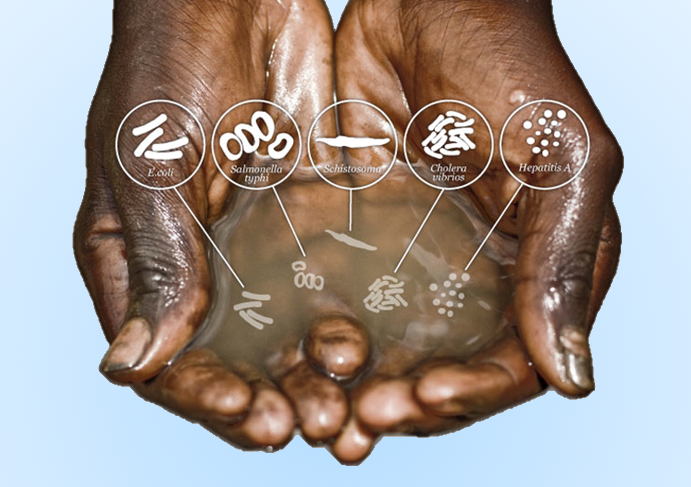
Precipitation and water sources have a direct impact on the spread of disease through water.
In the tropics precipitation is seasonal, meaning that pools of water can only form during the wet season. This controls the mosquito population and the spread of malaria.
Flooding after heavy rains can result in sewage overflow and widespread water contamination.
The dependence on water means that many diseases remain in lowland altitudes.
Vector-Borne:
As explained above, physical factors will determine the prevalence of the host (rather than the disease), including mosquitoes and ticks.
Página 8
Zoonotic Diseases
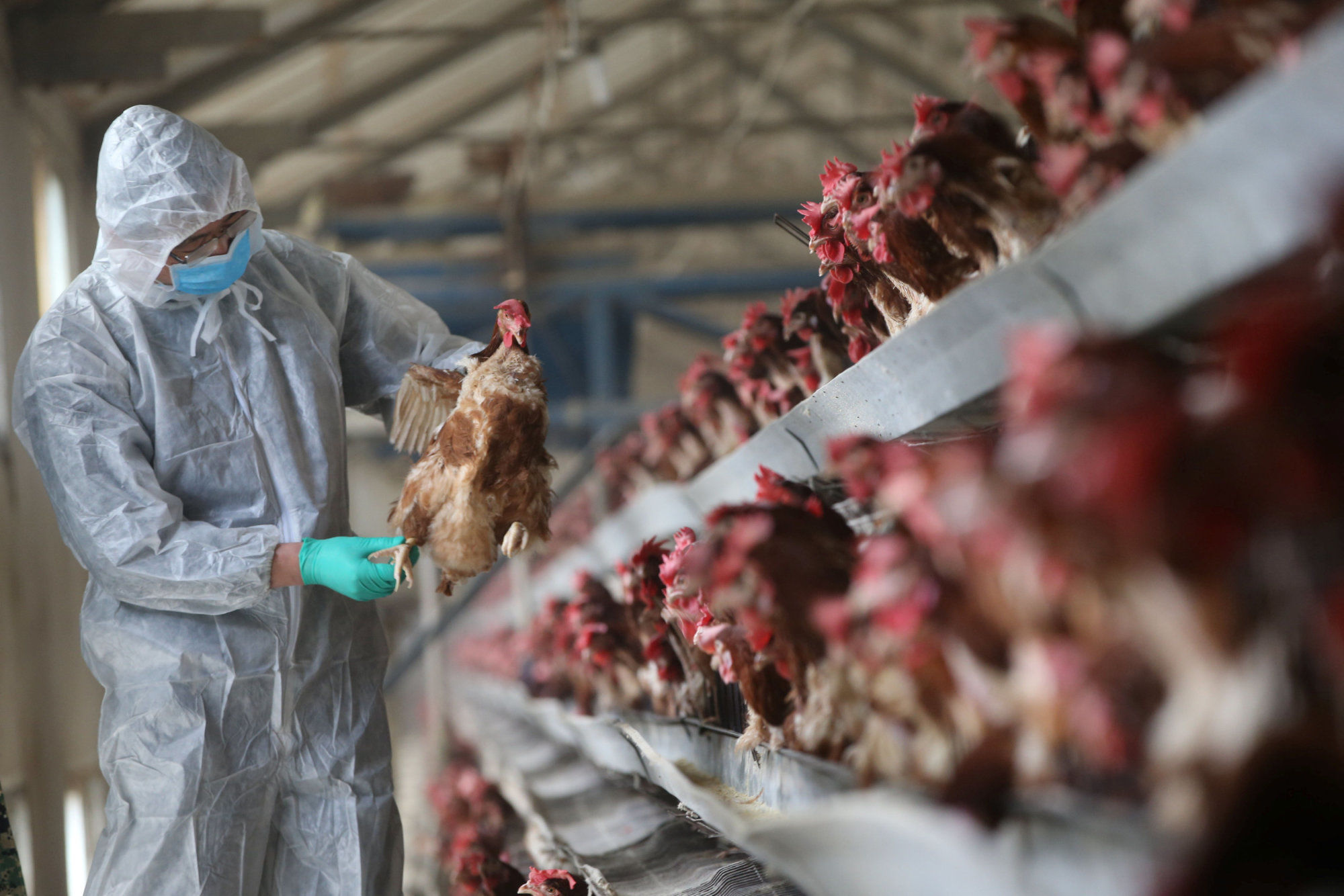
Zoonotic diseases are diseases that are spread from animals to humans.
Malaria, one of the most widespread diseases in the world is zoonotic. Malaria is spread from mosquitoes to humans.
These diseases only occur where there is close contact with humans.
The probability of zoonotic diseases being passed onto humans increases where:
there are no barriers to stop the movement of animals (mountains etc.)
urban habitats create habitats for creatures such as foxes and rats
there is no vaccination of domestic pets
hygiene and sanitation are poor
there is prolonged contact between animals and humans
Información
- Descripción
- El usuario ha eliminado su información de asignaturas Apunte sobre Global Patterns of Disease, creado por Usuario eliminado el 01/09/2017.
- Creado por
- Usuario eliminado · sep 2017
- Actualizado
- 1 sep 2017
- Visitas
- 1.034
- Historial
-
- Creado por Antonia Blankenberg · 31 ago 2017
- Copiado por Antonia Blankenberg · 1 sep 2017
- Valoración