
Test
THE EYE AND THE EAR
Este test tiene tipos de pregunta que se abren en el reproductor de siempre.
Preguntas del test (41)
1Label the diagram of the eye
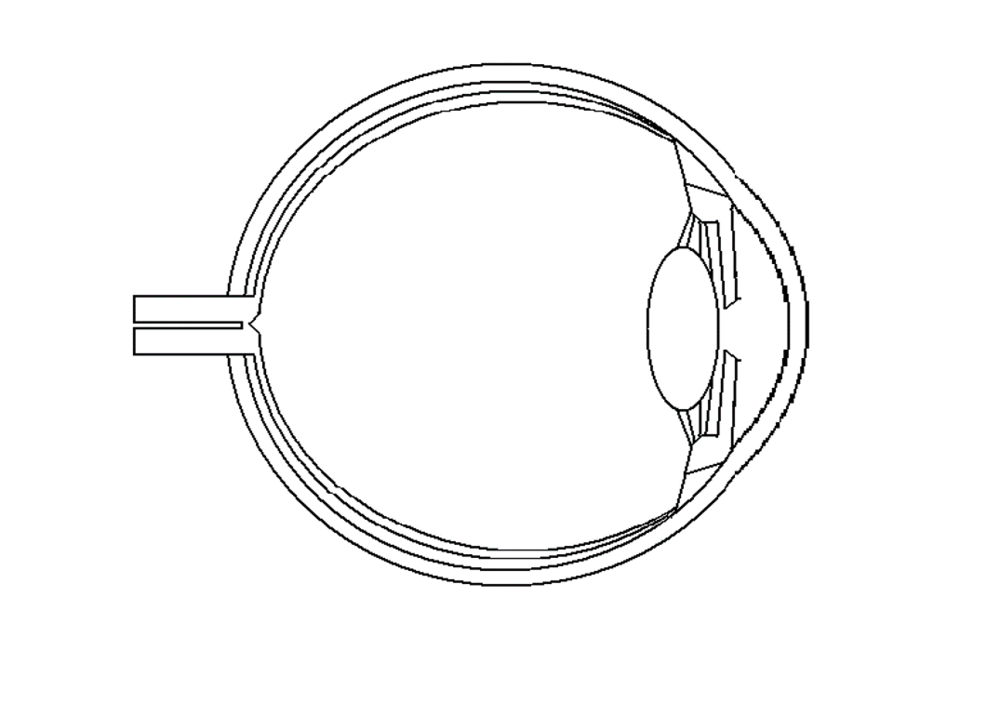
- AOptic Nerve
- BBlind Spot
- CSclera
- DChoroid
- ERetina
- FVitrous Chamber
- GFovea
- HCornea
- IAqueous Humour
- JPupil
- KLens
- LIris
- MCiliary Body
2Label this diagram of the orbital bones
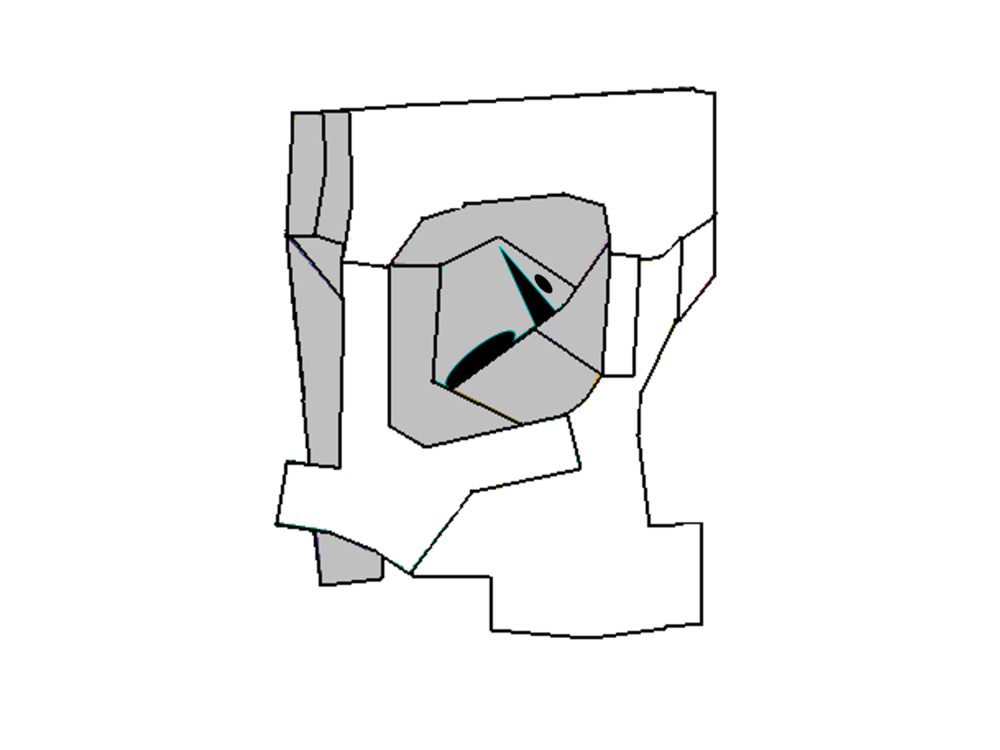
- AFrontal Bone
- BLacrimal
- CMaxilla
- DNasal
- EEthmoid
- FZygomatic
- GTemporal
- HParietal
- ISphenoid
- JInferior Orbital Fissure
- KSuperior Orbital Fissure
- LOptic Canal
3Label the anterior aspect of the eye
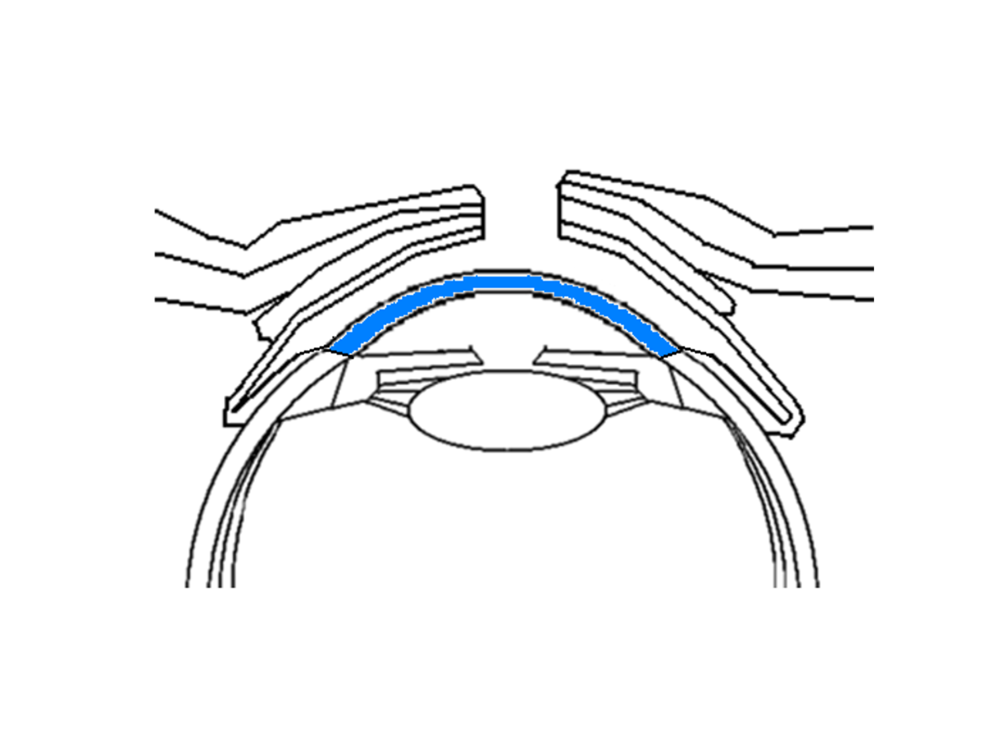
- AConjunctiva
- BTarsal Plates
- COblicularis Occuli
- DLevaetor Palpebrae Superioris
- ELens
- FPupil
- GCornea
- HSclera
- IRetina
- JChoroid
- KCiliary Process
- LIris
- MVitrous Chamber
- NAqueous Humour
4Which of the following are part of the fibrous layer of the eye
- ACornea
- BCiliary Process
- CSclera
- DChoroid
5What section is the retina part of?
- AFibrous
- BVascular
- CInner
6Which structures are part of the vascular layer
- AChoroid
- BRetina
- CCiliary Body
- DIris
- ECornea
7What are the two layers of the retina
- ANeural and vascular
- BVascular and pigmented
- CNeural and pigmented
8Which arteries supply the eye (there are 2)
- AOphthalmic
- BCentral Artery of retina
- CCentral Artery of iris
9What is the fovea
- AIt is located in the centre of the macula of the retina. It has the highest proportion of light detecting cells.
- BIt is located in the centre of the retina. It is yellow in colour.
- CIt is the posterior area of the eye which is not able to detect light. Also known as the 'blind spot'.
10Which muscle raises the superior eyelid
- ASuperior Recti
- BLevator Palpabrae Superioris
- CSuperior Oblique
11Which cranial nerves are involved with the eye muscles
- AOptic (CN 2)
- BOculomotor (CN 3)
- CAbductens (CN 6)
- DVagus (CN 10)
- ETrochlear (CN 4)
- FSpinal (CN 11)
12The pathways into the orbit are the
1) [blank_start]Optic Canal[blank_end]
2) Superior [blank_start]orbital fissure[blank_end]
3) Inferior [blank_start]orbital fissure[blank_end]- AOptic Canal
- Borbital fissure
- Corbital fissure
13The only part of the eye not covered in conjunctiva is the...
- ASclera
- BCornea
- CLens
14Which bones make up the ROOF of the orbit
- AFrontal
- BSphenoid
- CEthmoid
- DLacrimal
- EMaxilla
15Which bones make up the MEDIAL SIDE of the orbit smell
- AEthmoid
- BLacrimal
- CSphenoid
- DPalatine
- EMaxilla
16Which bones make up the FLOOR of the orbit
- AMaxilla
- BPalatine
- CZygomatic
- DEthmoid
17What lines the BASE of the orbit
- AEyelids and orbital rim
- BOptic foramen
- COptic canal
18Which bones make up the LATERAL SIDE of the orbit
- AZygomatic
- BLesser Wing of Sphenoid
- CLacrimal
- DEthmoid
19What is the correct order of image formation
- A1. Convergence
2. Refraction
3. Accommodation
4. Conversion - B1. Accommodation
2. Refraction
3. Convergence
4. Conversion - C1. Conversion
2. Refraction
3. Convergence
4. Accommodation
- A1. Convergence
20How many cones per eye
- A5 million
- B50 million
- C500 million
21How many rods per eye
- A1.2 million
- B12 million
- C120 million
22Which one provides colour vision
- ARods
- BCones
23Which one provides high resolution
- ARods
- BCones
24Which one is more sensitive
- ARods
- BCones
25Label the diagram of the external ear
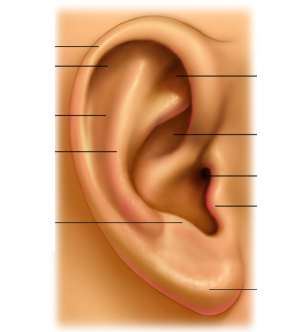
- AHelix
- BConcha
- CExternal Auditory Meatus
- DTragus
- EAnti Tragus
- FAnti helix
- GScapha
- HLobule
- IAuricular Sulcus
26What is the function of the auricle
- ACapture and transmit vibrations to the tympanic membrane
- BCapture and transmit sound waves to the tympanic membrane
27How long is the EAM
- A5 cm
- B2.5 cm
- C1 cm
28How thick is the tympanic membrane
- A0.1mm
- B0.01mm
- C0.001mm
29When HIGH pitched sound waves strike the tympanic membrane, does it vibrate...
- ASlow
- BFast
30What is the role of the epitympanic recess
- APrevent low pressure in the tympanic cavity
- BAllow space for the movement of perilymph
- CMucus drainage
31What is the role of the pharyngotympanic tube
- APressure equalisation and mucus drainage
- BTransmission of vibrations from tympanic membrane
- CTransmission of nerve impulses
32The order of the auditory ossicles is
1. [blank_start]Malleus[blank_end]
2. [blank_start]Incus[blank_end]
3. [blank_start]Stapes[blank_end]- AMalleus
- BIncus
- CStapes
33The round window of the middle ear vibrates
- A20 times more than the tympanic membrane
- Bat the same level as the tympanic membrane
- C20 times less than the tympanic membrane
34Which of the following are part of the vestibulocochlear organ (inner ear)
- ACochlea
- BVestibule
- CIncus
- DSemi-circular canals
- EStapes
35The cochlea contains peri-lymph
- AVerdadero
- BFalso
36Which of the following is the correct arterial supply to the ear
- AAuricular Branches of maxillary
Posterior auricular branch of external carotid
External Maxillary - BExternal Maxillary
Posterior auricular branch of the external carotid
Occipital - CPosterior auricular branch of the external carotid
Occipital
Auricular Branches of maxillary
- AAuricular Branches of maxillary
37Select the correct nerves involved in the ear
- AFacial (CN)
- BVestibular
- COculomotor
- DVestibularcochlear (CN)
- EVagus
- FCochlear
38THE PASSAGE OF SOUND THROUGH THE OUTER EAR
The [blank_start]auricle[blank_end] directs sound waves towards the [blank_start]external auditory meatus[blank_end]. At the end of the EAM it hits the [blank_start]tympanic[blank_end] membrane. High pitched sounds cause it to vibrate [blank_start]quickly[blank_end]. Low pitched sounds cause it to vibrate [blank_start]slowly[blank_end]. Sound waves are converted to [blank_start]mechanical[blank_end] vibration.- Aauricle
- Bexternal auditory meatus
- Ctympanic
- Dquickly
- Eslowly
- Fmechanical
39THE PASSAGE OF SOUND THROUGH THE MIDDLE EAR
The [blank_start]auditory ossicles[blank_end] of the middle ear transmit the vibrations to the inner ear. The tympanic membrane attaches to the [blank_start]malleus[blank_end]- the largest auditory ossicles. The [blank_start]incus[blank_end] is the middle ossicle. The [blank_start]stapes[blank_end] is the third ossicle (it is also the smallest bone in the human body). The stapes attaches to the [blank_start]round window[blank_end], which separates the middle and inner ear. The [blank_start]oval window[blank_end] vibrates [blank_start]20[blank_end] times more vigorously than the tympanic membrane because the auditory ossicles transmit the vibrations efficiently.- Aauditory ossicles
- Bmalleus
- Cincus
- Dstapes
- Eround window
- Fround window
- G20
40PASSAGE OF SOUND THROUGH THE INNER EAR
Vibrations at the round window causes the movement of perilymph at the [blank_start]cochlea[blank_end]. Pressure waves through the inner ear. The pressure waves cause [blank_start]endolymph[blank_end] within the cochlea duct to move. This causes the [blank_start]stereocilia[blank_end] (hair-cells) to bend which generates nerve [blank_start]impulses[blank_end].- Acochlea
- Bendolymph
- Cstereocilia
- Dimpulses
41NERVE IMPULSE PRODUCTION IN THE INNER EAR
When the [blank_start]stereocilia[blank_end] bend it allows endolymph to enter. The endolymph is [blank_start]potassium[blank_end] rich, which causes an energy potential. A neurotransmitter is then released which generates a nerve [blank_start]impulse[blank_end] in sensory neurons of the hair.
The impulse is passed along the [blank_start]vestibulocochlear[blank_end] cranial nerve. From here, it goes to the cochlear nuclei in the medulla oblongata. It then passes to the midbrain and thalamus, eventually reaching the PRIMARY AUDITORY AREA in the temporal lobe of the cerebral cortex.- Apotassium
- Bstereocilia
- Cimpulse
- Dvestibulocochlear
Información
- Descripción
- El usuario ha eliminado su información de asignaturas Test sobre THE EYE AND THE EAR , creado por Usuario eliminado el 08/10/2018.
- Autor
- Usuario eliminado
- Idioma
- English
- Visitas
- 73
- Historial
- Creado el 8 oct 2018 · actualizado el 4 dic 2019
- Etiquetas