
3.3 circulation
Diapositivas del conjunto (27)
-
- BY OROMIYAA KAMAR 8a
-
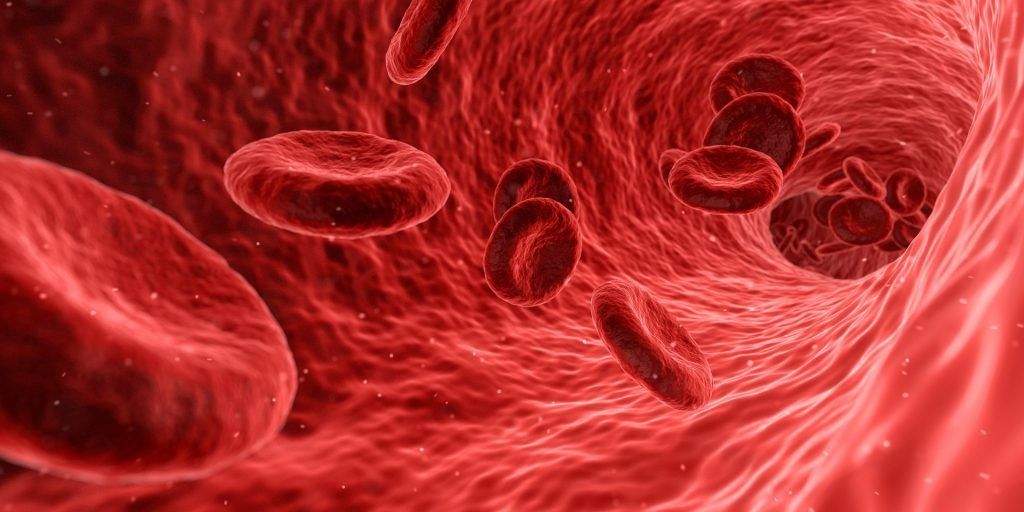
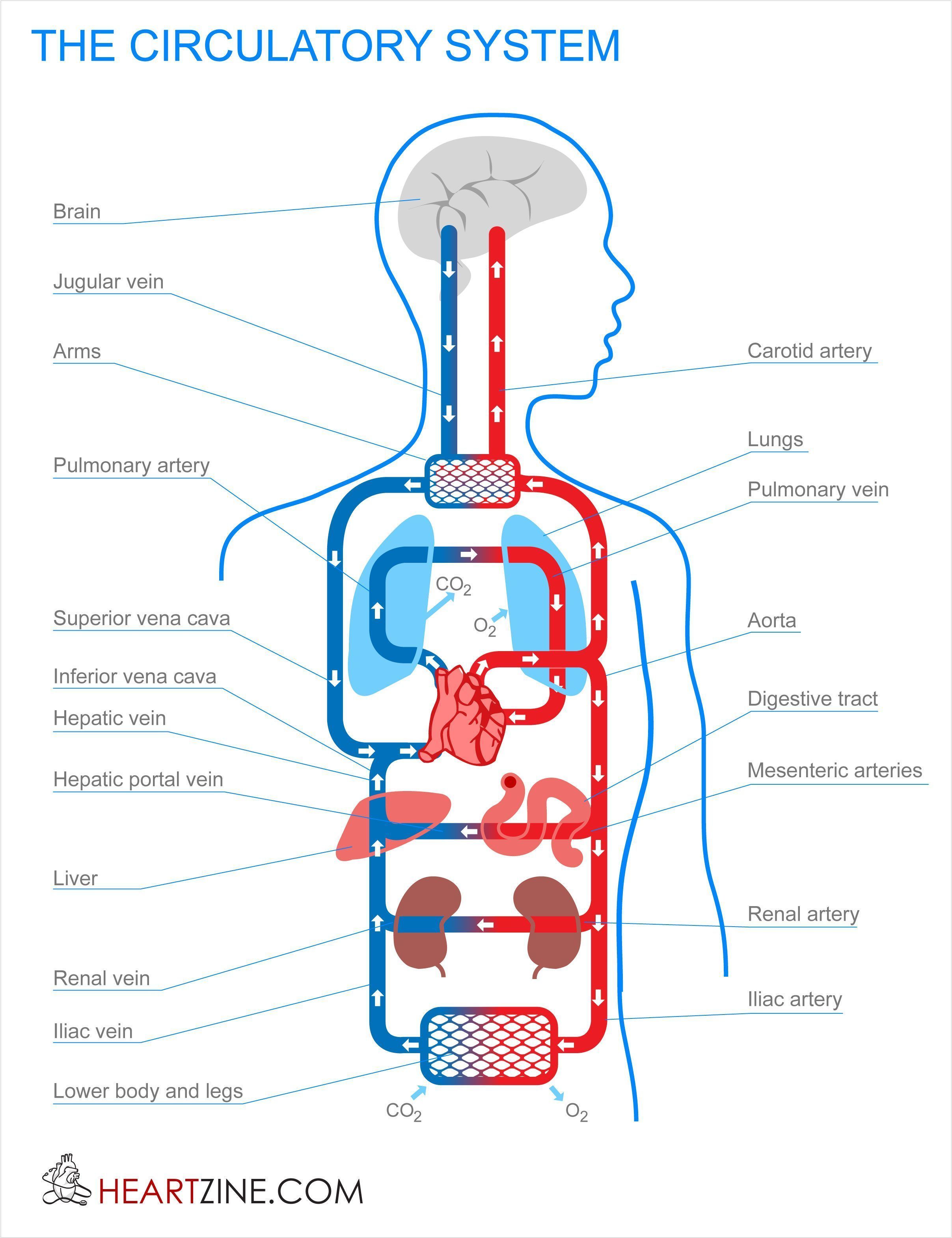
- The system that circulates blood and lymph through the body, consisting of the heart, blood vessels,
-
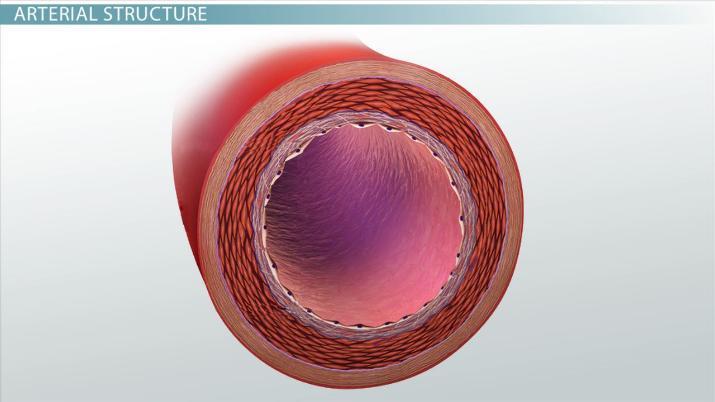
- An artery is a blood vessel that carries blood from the heart to other parts of the body. Arteries are thicker than veins and have stronger, more elastic walls. Arteries sometimes develop plaque within their walls in a process known as atherosclerosis. These plaques can become fragile and rupture, leading to complications associated with diabetes, such as heart attacks and strokes.
-
- The regular expansion of an artery caused by the ejection of blood into the arterial system by the contractions of the heart/the palpable beat resulting from such pulse as detected in a superficial artery/the number of individual beats in a specified time period (such as one minute).
-
- Veins are blood vessels that carry blood toward the heart. Most veins carry deoxygenated blood from the tissues back to the heart; exceptions are the pulmonary and umbilical veins, both of which carry oxygenated blood to the heart. In contrast to veins, arteries carry blood away from the heart.
-
- A bruise, also called a contusion , a bruise happens when a part of the body is injured and blood from the damaged capillaries (small blood vessels leaks out. With no place to go, the blood gets trapped under the skin, forming a red or purplish mark that's tender when you touch it
- Bruises can happen for many reasons, but most are the result of bumping and banging into things — or having things bump and bang into you. Fortunately, as anyone who's ever sported a shiner knows, the mark isn't permanent.
-
- A thrombus is a blood clot that forms in a vessel and remains there. An embolism is a clot that travels from the site where it formed to another location in the body. Thrombi or emboli can lodge in a blood vessel and block the flow of blood in that location depriving tissues of normal blood flow and oxygen.
-
- The left side pumps oxygenated blood (high in oxygen and low in carbon dioxide) to the organs of the body. Deoxygenated blood enters the right atrium from the vena cava. Blood moves into right ventricle. Blood is pumped into the pulmonary artery. The pulmonary artery carries deoxygenated blood to the lungs.
-
- Deoxygenated is defined as oxygen has been removed. An example of deoxygenated is when oxygen has been removed from blood or water.
-
- oxygenated blood and deoxygenated blood are the two types of blood circulated throughout the body. The main difference between oxygenated blood and deoxygenated blood is that oxygenated blood is composed of more oxygen whereas deoxygenated blood is composed of less oxygen.
-
- red blood cells
- white blood cells
- platelets
- plasma
-
- septum is the cartilage in the nose that separates the nostrils. Typically, it sits at the center and divides the nostrils evenly. However, in some people, this isn't the case. Many people have an uneven septum, which makes one nostril larger than the other. Severe unevenness is known as a deviated septum.
-
- 5 litres
-
- your heart is located in the middle of the chest behind the breastbone
-
- The cardiac muscle
-
- ECG Is an electronic recording of someones heartbeat
-
- a compound of the sterol type found in most body tissues. Cholesterol and its derivatives are important constituents of cell membranes and precursors of other steroid compounds, but a high proportion in the blood of low-density lipoprotein (which transports cholesterol to the tissues) is associated with an increased risk of coronary heart disease.
-
- Blood clots form when platelets (blood components) and plasma proteins thicken, forming a semisolid mass. This process may be triggered by an injury or it can sometimes occur inside blood vessels that don't have an obvious injury. Once these clots form, they can travel to other parts of your body, causing harm.
-
- These bruises result from microscopic tears in blood vessels under the skin. Unexplained bruises that occur easily or for no apparent reason may indicate a bleeding disorder, especially if the bruising is accompanied by frequent nosebleeds or bleeding gums
-
- blood flows from the back of the heart to the body and back to the heart.
-
- blood flows from the heart and back again.
-
- a condition marked by severe pain in the chest.
-
- is caused by a blood clot that occurs in the deep venous system.
-
- Blood enters the heart by 2 large veins, emptying oxygen blood from the body into atrium.
-
- Plaque buildup can also lead to gum disease -- first gingivitis, the tender and swollen gums that sometimes bleed. If it progresses, severe periodontal (gum) disease can develop.
-
- 1.The 2 atria contract,pushing blood down into the ventricles
- 2. The ventricles contrast, forcing blood out of the heart to the body and lungs
- 3.The heart muscle relaxes and the atria fills with blood
-
- The pigment gives red blood cells their colour
Información
- Descripción
- Diapositivas sobre 3.3 circulation, creado por Oromiyaa Kamar el 24/03/2019.
- Creado por
- Oromiyaa Kamar · mar 2019
- Actualizado
- 24 mar 2019
- Visitas
- 20
- Valoración