
Mapa mental
Bioenergetics
Contenido del mapa
Bioenergetics
Metabolism
- Metabolism is all the reactions in your body
- Metabolic rate is how fast these reactions occur
- Examples
- Breakdown of excess proteins into urea
- Respiration
- Photosynthesis
- 1 molecule glycerol + 3 molecules fatty acid -> lipid molecules
- Glucose + nitrate ions forming amino acids
- The more muscular you are, the higher your metabolic rate
- THE LIVER
- Detoxifies blood
- Turns glucose into glycogen and glycogen into glucose
- Deamination of unwanted amino acids.
- Deamination is removing the amino group, then the protein becomes ammonia which is toxic. It is then turned into urea which is also toxic and disolved into the blood stream. The kidneys then filter it, turning urea into urine and it is stored in the bladder until urination.
- AMINO ACIDS
- Made up of: Amino group, Rest of the molecule and variable group.
- Amino acids are the building blocks of protein, they make up a large proportion of our tissue.
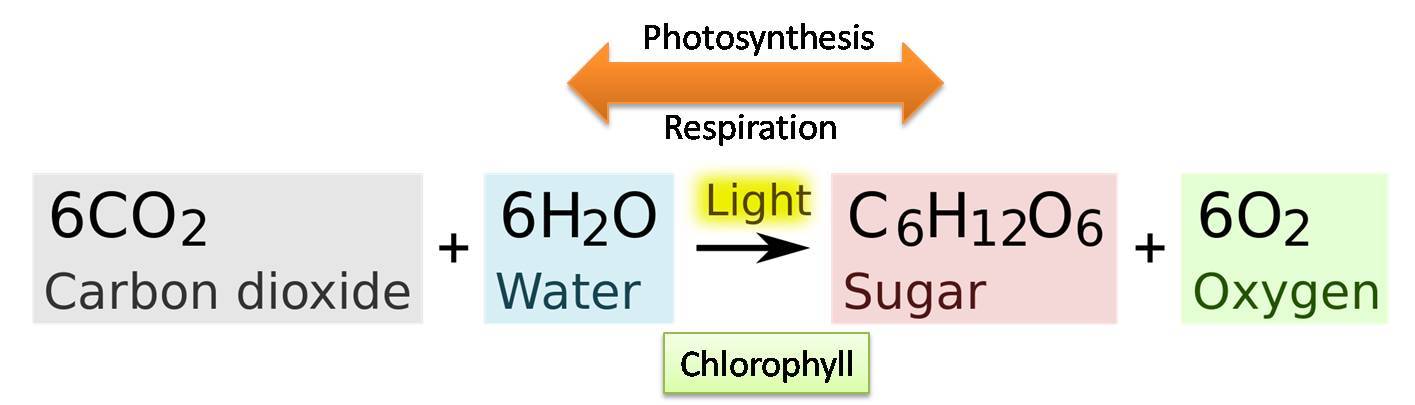
Photosynthesis
- Carbon dioxide + Water -> Glucose + Oxygen
- 6CO2 + 6H2O -> C6H12O6 + 6O2
- Photosynthesis happens in the chloroplasts in the leaves
- Light intensity is proportional to 1 over distance squared
- Rate of photosynthesis affected by light intensity (more light intensity, higher rate of photosynthesis. Eventually stops as limited amount of chloroplasts as plants don't need too much energy.
- Glucose is soluable , plants don't want it to osmose out so they store it as starch
- Carbon dioxide + Water -> Glucose + Oxygen
Aerobic respiration
- During exercise
- Heart rate increases
- Breathing rate increases
- Blood vessels supplying to muscles dilate
- Temp increases
- Glucose + Oxygen -> Carbon dioxide + Water
- 6O2 + C6H12O6 -> 6CO2 + 6H20
- Exothermic reaction- releases energy
- Mitochondria where most aerobic respiration takes place in cells
- These need Glucose and oxygen carried in the blood stream
- Uses of Aerobic Respiration
- Building large molecules from smaller ones
- mammals and birds keep steady temperatures
- Muscle contractions- movement
- During exercise
Anaerobic respiration
- Glucose -> Lactic Acid
- Body releases lactic acid instead of C20 + H2O
- Build up of Lactic acid produces an oxygen debt
- Muscles become fatigued and stop contacting properly
- Oxygen debt must be repaid so we keep breathing heavily even after exercising.
- Oxygen debt is the amount of oxygen needed to react with the accumulated lactic acid and remove it from the cells
- Blood flowing through muscles transports lactic acid to liver where it is turned back into glucose
- Build up of Lactic acid produces an oxygen debt
- Body releases lactic acid instead of C20 + H2O
- Occurs when there's not enough oxygen to react normally. Occurs in cytoplasm.
- Produces 1/19th of the energy aerobic respiration produces
- Uses
- When we exercise
- Yeast- breaks glucose into ethanol
- Fermentation:
- Glucose -> Lactic Acid
Homeostasis
- Controlling blood glucose levels
- Eating causes glucose levels to rise. causing crenation
- insulin secreting cells stimulated in pancreas
- insulin secreted
- insulin stimulates glucose uptake from blood
- Glucose levels fall
- Exercising causes glucose levels to fall
- pancreas stimulates glucagon
- glucagon stimulates liver
- liver releases glucose (it has converted from glycogen)
- glucose levels rise
- liver releases glucose (it has converted from glycogen)
- glucagon stimulates liver
- Glucose levels fall
- insulin stimulates glucose uptake from blood
- insulin secreted
- insulin secreting cells stimulated in pancreas
- It's important to maintain glucose levels as if they're too high water osmoses in and if they're too low water osmoses out of cells, damaging them.
- Eating causes glucose levels to rise. causing crenation
- Controlling Temperature
- The body can control its temperature in a lot of different ways. Eg
- When the body is too hot
- Sweat glands release sweat which evaporates, leaving the body cooler.
- Vasodilation- capillaries get wider and this allows warm blood to flow nearer the surface of the skin where heat can be lost.
- Hairs on arms lie flat so they don't trap heat.
- When the body is too cold
- Tiny muscles cause hair on our arms to stick up, they then trap more warmth, making us warmer.
- Vasoconstriction- capillaries constrict so blood doesn't flow so near to the surface and cannot lose heat as easily.
- When the body is too hot
- The body can control its temperature in a lot of different ways. Eg
- Controlling ion levels
- Kidneys responsible for regulating mineral salts and ion concentrations
- Controlling Water levels
- Kidneys responsible for this, hypothalamus creates thirst.
- Controlled by the hypothalamus
- Homeostasis is keeping a constant internal enviroment in the body.
- Controlling blood glucose levels
Imágenes y archivos del mapa
Información
- Descripción
- El usuario ha eliminado su información de asignaturas Mapa Mental sobre Bioenergetics, creado por Usuario eliminado el 03/04/2019.
- Creado por
- Usuario eliminado · abr 2019
- Actualizado
- 3 abr 2019
- Visitas
- 78
- Historial
-
- Creado por Sophie Payne · 24 sep 2017
- Copiado por bill fingleton · 3 abr 2019
- Valoración