
Mapa mental
GCSE PE Revision
Contenido del mapa
GCSE PE Revision
Warmup and cooldown
- CV Warmup
- Stretching
- Specific skills practice
- Stretching
- Prevents injury
- Practice skills before the game
- Prepare psychologically
- Practice skills before the game
- Cool down flushes out lactic acid and helps to prevent stiffness and soreness in the muscles
- CV Warmup
Tests
- HR tests
- Cooper's run - CV fitness
- Hand grip strength test - Muscular strength
- Sit and reach test - Flexibility
- Harvard step test -Muscular Endurance
- Sit and reach test - Flexibility
- Hand grip strength test - Muscular strength
- Cooper's run - CV fitness
- SR tests
- Illinois agility run (agility)
- Standing stork test (balance)
- Sergeant jump test (leg power)
- Standing board jump (power)
- Ruler drop test (reaction time)
- 30-metre sprint (speed)
- Three ball juggle (coordination)
- 30-metre sprint (speed)
- Ruler drop test (reaction time)
- Standing board jump (power)
- Sergeant jump test (leg power)
- Standing stork test (balance)
- Illinois agility run (agility)
- HR tests
Principles of training
- SPORRI
- Specificity
- Progressive Overload
- Reversibility
- Rest and Recovery
- Individual Needs
- Rest and Recovery
- Reversibility
- Progressive Overload
- Specificity
- FITT
- Frequency
- Intensity
- Time
- Type
- Time
- Intensity
- Frequency
- SPORRI
Benefits of taking part in physical activity
- Physical - Physical challenge, Increase performance, Contribute to good physical health, increase fitness, improve heath related factors
- Social - Make new friends, Develop teamwork skills, Work with others
- Relieve or prevent stress, Mental challenge (can I do it?), Increase self esteem and confidence, make individual feel good
skill related components
- co-ordination-the ability to use two or more body parts at once
- agility-ability to change direction of movement quickly
- reaction time-the time taken to react to the stimulus
- balance-the ability to retain the centre of mass (gravity) of the body
- speed- the time taken to cover a distance
- power-the ability to undertake strength performances quickly
Opportunities for getting involved
- Government initiatives, i.e. two hours of PE per week
- Active Kids Program
- Sport England
- PE School Sport and Club Links (PESSCL)
- The Youth Sport trust (sports leaders)
- Top link trust- keep people aged 14-16 involved in sport
- Government initiatives, i.e. two hours of PE per week
Nutrients
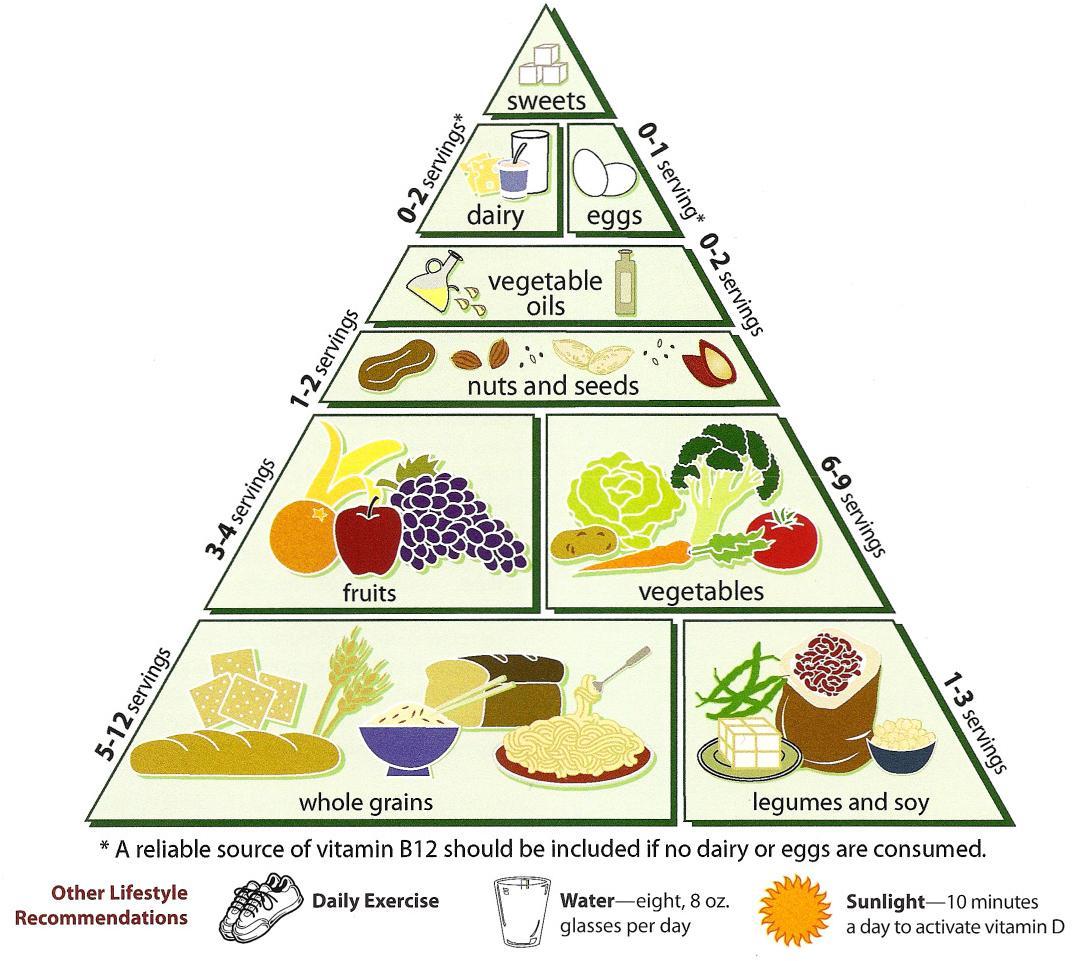
- Carbohydrates - provide energy
- Fats - Provide energy with glycogen and help muscles work
- Proteins - Help build muscle and repair damaged tissue
- Minerals - Essential for a healthy body
- Vitamins - Essential for healthy bones, vision, skin etc.
- Adds bulk to food and aids digestive system
Factors affecting optimum weight
- Height
- Gender
- Bone Structure
- Muscle girth
- Bone Structure
- Gender
- Height
Drugs
- Anabolic steroids (allow you to train harder and recover quicker, risk of heart attack and strokes, infertility in women
- Beta blockers (lower heart rate-steadiness), risk of nausea, tiredness and depression
- Diuretics (increase urine-mask other drugs), risk of dehydration, and kidney problems long-term
- Beta blockers (lower heart rate-steadiness), risk of nausea, tiredness and depression
- Narcotic analgesics (reduce pain), loss of concentration, sometimes hallucinations
- Stimulants (increase physcial alertness), High blood pressure, addiction, insomnia
- Peptide hormones(produce other hormones), Increased risk of heart attack
- Stimulants (increase physcial alertness), High blood pressure, addiction, insomnia
- Alcohol, affects coordination, damages liver, kidneys etc, slows reaction
- Tobacco, Short of breath, increases risk of heart disease
- Anabolic steroids (allow you to train harder and recover quicker, risk of heart attack and strokes, infertility in women
Risk prevention
- Warming up/cooling down
- Checking equipment and facilities
- Protective equipment and clothing
- Balanced Competition
- Playing to the rules of competition
- Physical readiness
- Playing to the rules of competition
- Balanced Competition
- Protective equipment and clothing
- Checking equipment and facilities
- Warming up/cooling down
Cardiovascular system
- Target heart rate or target zone: the range within which an individual needs to work aerobic training to take place (60-80% of maximum heart rate)
- Maximum heart rate = 220 - Age
- Immediate effects:increased heart rate, sweating,increased body temperature,increased blood presssure
- long term effects: increased cardiac output, lower resting heart rate,increased number of capillaries, heart muscles increase in size, quicker recovery, increased stroke volume
- consists of heart, blood vessels and the blood
- functions: supply oxygen and nutrients and to remove carbon dioxide
- lifestyle effects: high cholesterol from fats
Respiratory system
- tidal volume is the amount of air inspired and expired with each normal breath at rest or during exercise
- vital capacity-is the greatest amount of air that can be made to pass into and out of the lungs .
- immediate effects: breatging rate increase, oxygen debt
- long term effects:increased efficency, increased vital capacity, increase amount of alveoli, carbon dioxide removed more efficiently
- smoking causes the alveoli to become less stretchy and less eficient this is why smokers find it hard to breathe
Muscular system
- immediate effects:lactic acid build up, cramp,increaase demand for oxygen
- how the muscles work?
- isontonic contraction-muscle contraction which results in movement
- isometric contraction-muscle contraction which results in increased tension however the length does not alter
- long term effects: increased muscle size (hypertrophy), increased muscular strength, better posture, increased bone strength, increased power
- potential injuries: soft tissue
Skeletal system
- functions: 1. support 2. movement 3.protection
- joints: hinge joint, ball and socket joint and pivot joint
- movement: flexion, extention, adduction, abduction and rotation
- effects of exercise: increase bone density, increased ligament and tendon strength, increased flexibility
- impotance of weight bearing exercises: to reduce the risk of getting osteoporosis
- injuries: broken bone, fracture, dislocation and sprain
Reasons for taking part
- physical challenge
- taking part in the London Marathon
- aesthetic appreciation
- the beauty of the movement and how well its performed e.g gymnastics
- co-operation
- improving teamwork, e.g netball or rugby
- the frienships and social mixing
- develop motivation to participate
- competition
- relieve stress by taking mind off other things like exams
- physical challenge
influences on taking part
- people
- family and peers
- image
- having the right equipment which is fashionable eg. nike trainers
- cultural factors
- disabilities may cause people to not be able to partiucipate in sports however opportunities are increasing another cultural factor is age and gender
- resources
- availability of facilities and resources or the location of facilities
- health and wellbeing
- illness may cause people not to be able to participate
- socio-economic
- cost can effect people choices as if they cannot afford it their socio-economic status has influenced their involvement
- people
health related components
- cardiovascular fitness-the ability to exercise the entire body for a long period of time
- muscular endurance-the ability to use the voluntary muscles without getting tired
- muscular strength- the amount of force able to exert against a resistance
- body composition- the percentage of body weight thats body fat, bone and muscle
- flexibility-the range of movement possible at a joint
weight related conditons
- obese-a term used to descirbe people who are very overdat
- overfat- having body fat in excess of normal
- anorexic-a loss of appetite which causes weight loss
- overweight- having weight in excess of normal but not harmful
- underweight-is weighing less than normal
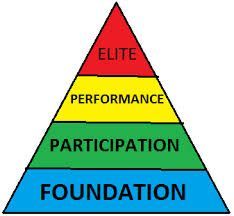
Participation Pyramid
- Participation
- Elite
- Performance
- Foundation
Imágenes y archivos del mapa


Información
- Descripción
- pe revision
- Creado por
- Usuario eliminado · oct 2016
- Actualizado
- 8 ene 2017
- Visitas
- 21
- Etiquetas
- Historial
-
- Creado por matt_daniells · 1 may 2015
- Copiado por n.marment · 1 may 2015
- Copiado por natasha hainsworth · 1 may 2015
- Copiado por alexis.hobbs99 · 1 may 2015
- Copiado por banterking420 · 1 may 2015
- Copiado por Salma Z · 5 sep 2016
- Copiado por Peter Sounds · 5 oct 2016
- Valoración