
Mapa mental
History of Photography 1839-Present day
Contenido del mapa
History of Photography 1839-Present day
1839-1859
- 1859-1879
- 1879-1899
- 1899-1919
- 1919-1939
- 1939-1959
- 1959-1979
- 1979-1999
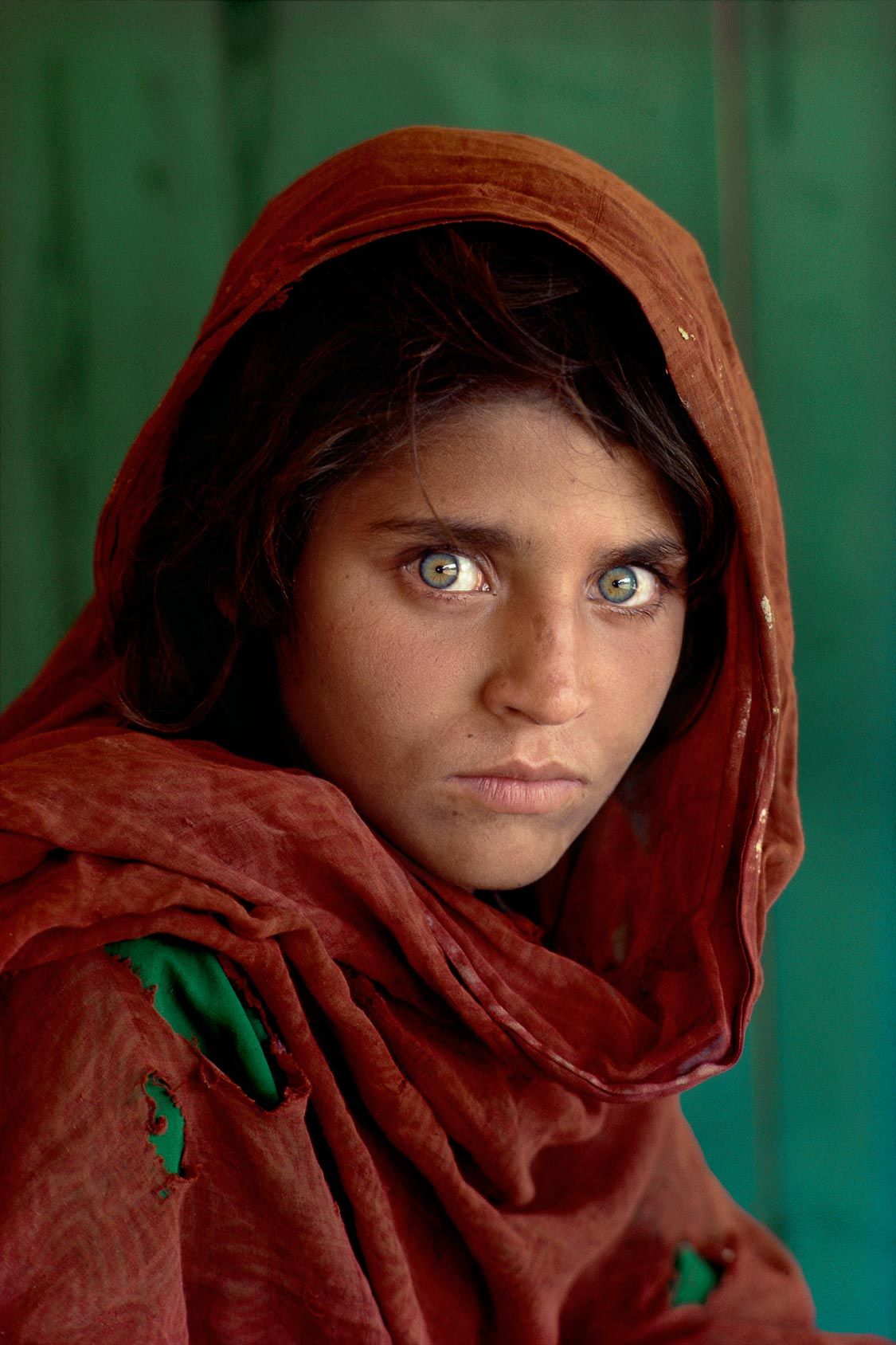
- Steve McCurry
- McCurry was a prominent documentary and editorial photographer in the early 80s when he photographed the Afghan Civil war in 1984 he captured his most famous image Afghan Girl. He became a Magnum photographer in 1986 and is still very prominent to this day.
- Afghan Girl
- Date: 1984 http://stevemccurry.com/galleries/portraits
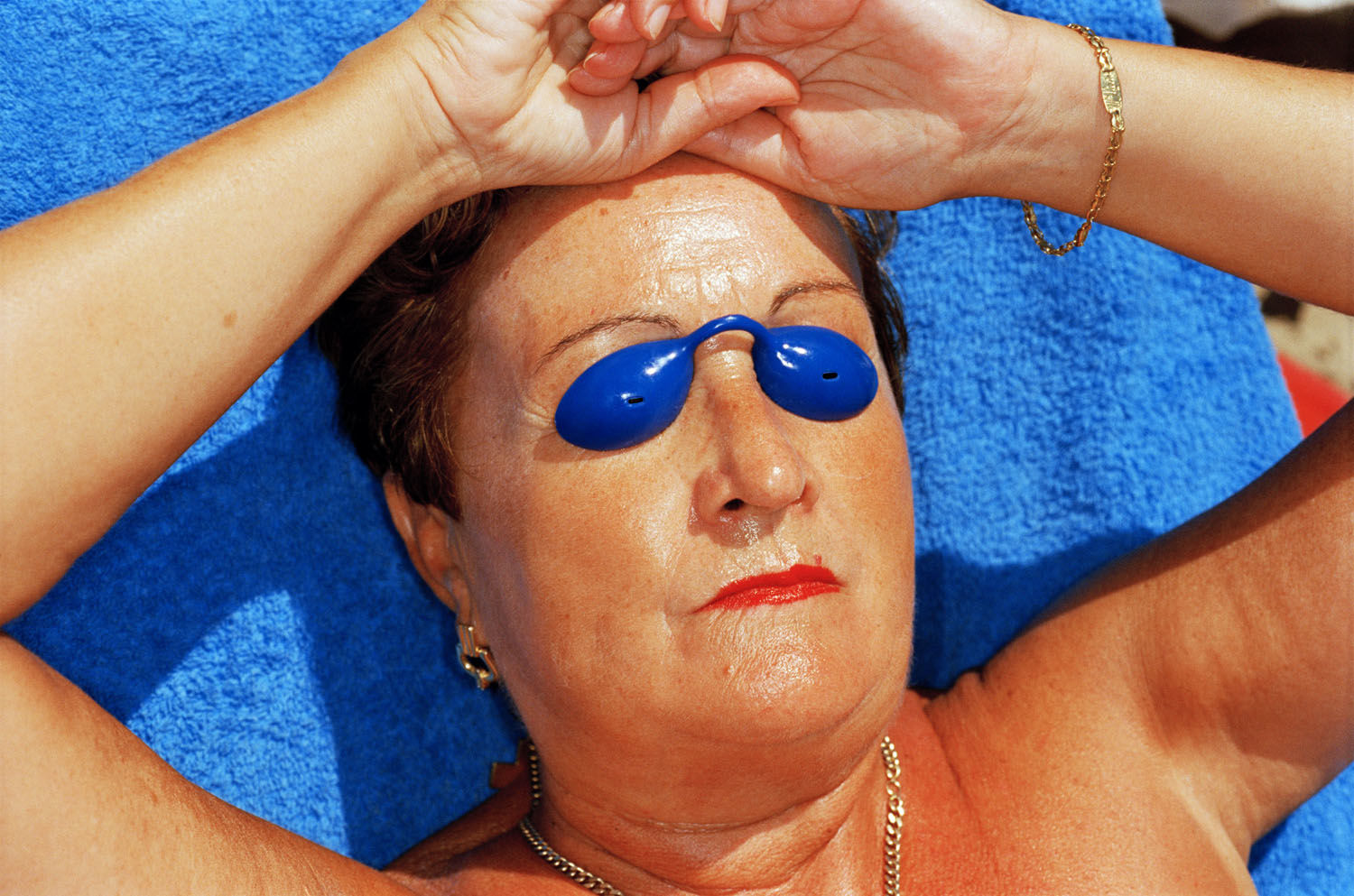
- Martin Parr
- Martin Parr is a very prominent Photographer known for trying to depict a new outlook on daily life through his photographs. He is a member of Magnum however his membership is often criticised as he doesn’t really fill the medium of tragedy usually depicted by the organisations members.
- Untitled (Benidorm)
- Date: 1997 http://www.martinparr.com/?attachment_id=427
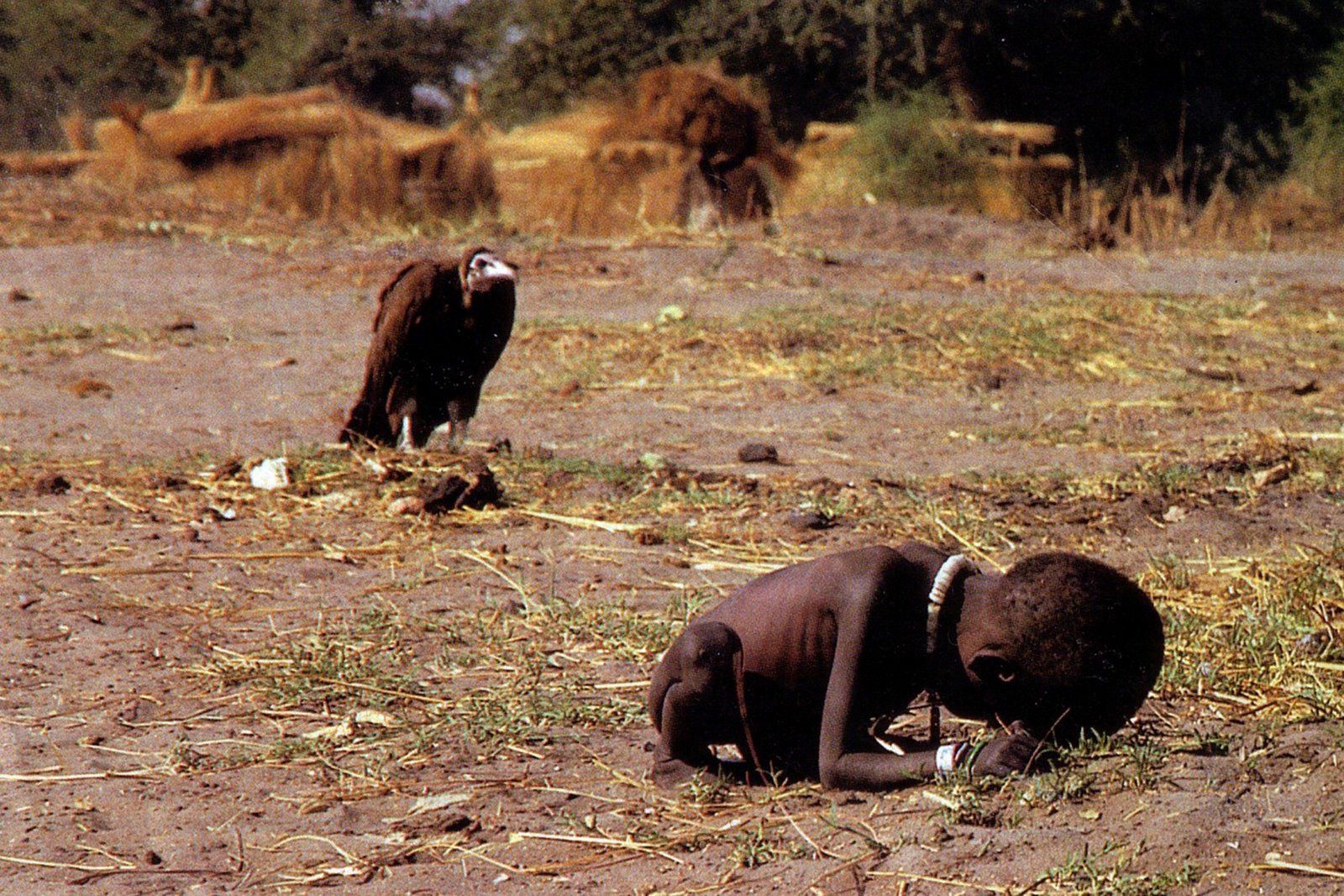
- Kevin Carter
- Kevin Carter was a south African photojournalist that documented the armed conflicts in Africa his most famous photo came from the Fammine in Sudan when he captured a vulture stalking a dying girl, for which he won a Pultzer award. Carter was filled with guilt and committed suicide in 1994.
- Vulture and the little girl
- Date: 1993 https://iconicphotos.wordpress.com/2009/08/12/vulture-stalking-a-child/
- 1999-present day
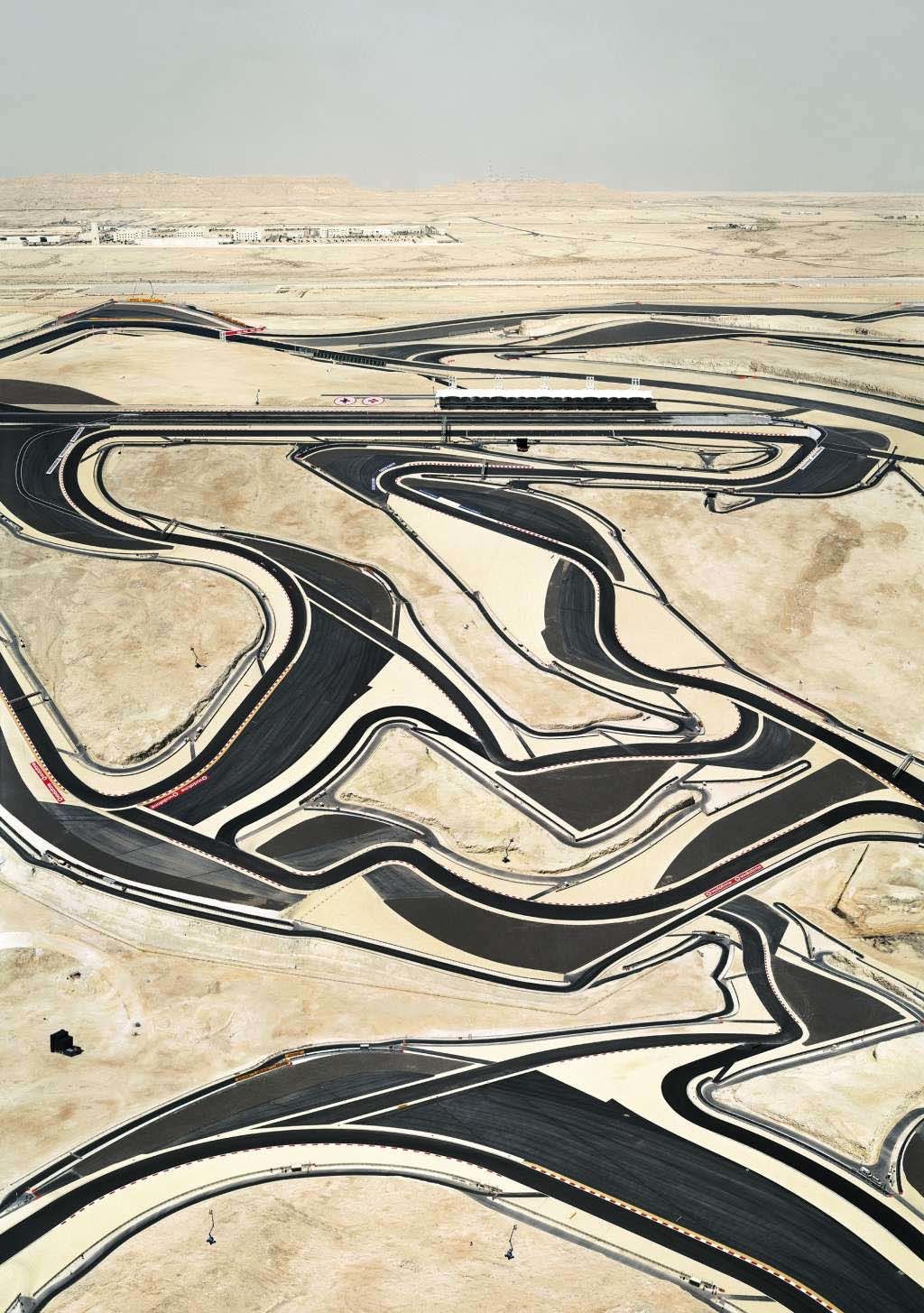
- Andreas Gursky
- Gursky is a German Photographer acclaimed for his large scale colour prints of landscape to emphasise the detail in his photos, he often adopts high points of view when photographing to add composition to his work.
- Bahrain 1
- Date: 2005 http://www.tate.org.uk/art/artworks/gursky-bahrain-i-p79322
- Gregory Crewdson
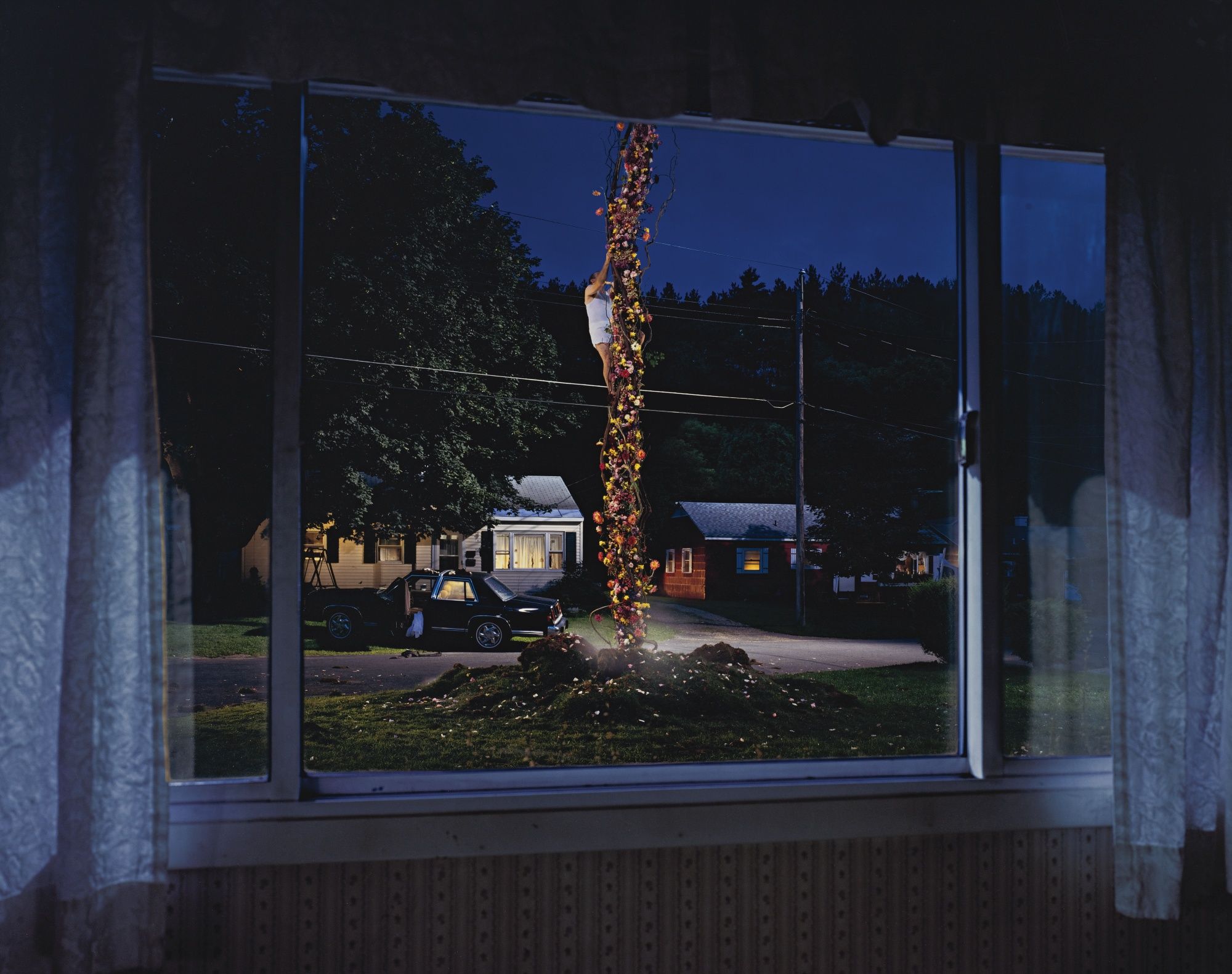
- Crewdson received his master of fine arts degree from Yale in the 80s where he later became a Photography lecturer and has been on faculty since 1993. Crewdson is renowned for trying to capture the perfect moment in his Photographs often using Film style crews and lighting in the early 2000s. he takes inspiration from directors and artists such as David Lynch and Stephen Spielberg.
- Untitled 2007
- Date:2001 http://www.vam.ac.uk/content/articles/p/gregory-crewson/
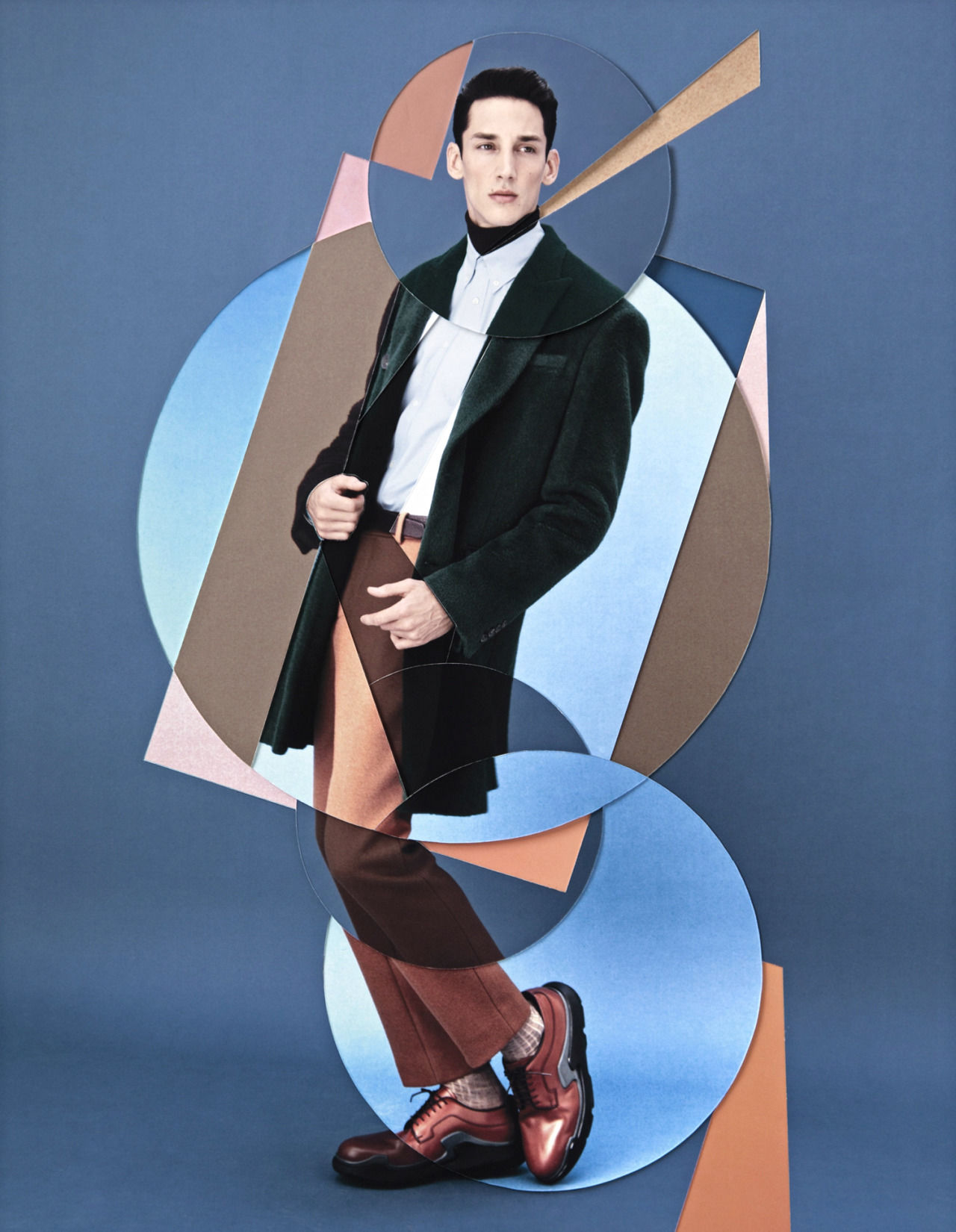
- Damien Blottiere
- Blottieres roots are in fashion which he has exhibited in a large body of his photographic work he studied Fashion in Paris in his earlier years but was always interested in photography and adopted photomontage to add a twist to his fashion work.
- Untitled (2015)
- Date: 2015 http://damienblottiere.tumblr.com/
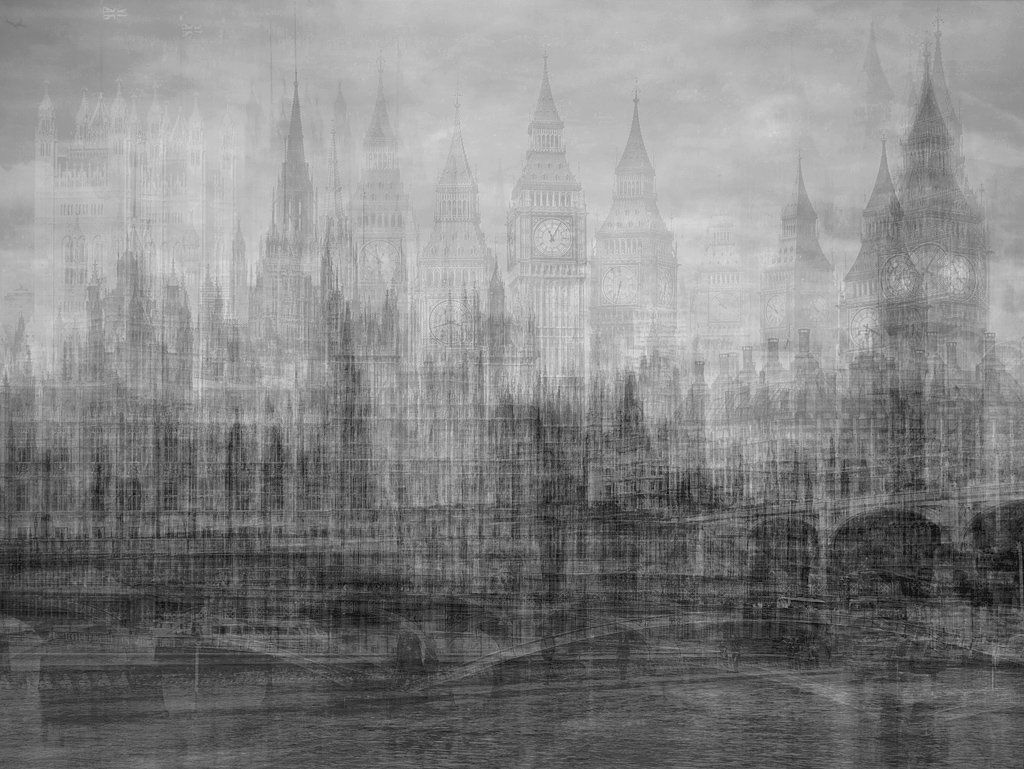
- Idris Khan
- Idris khan is an artist that uses secondary source material for example taking other peoples images and overlays them to create an image that is not drilled as a single point in time, he was commissioned by the British museum to photograph British landmarks in 2012.
- The Houses of Parliament
- Andreas Gursky
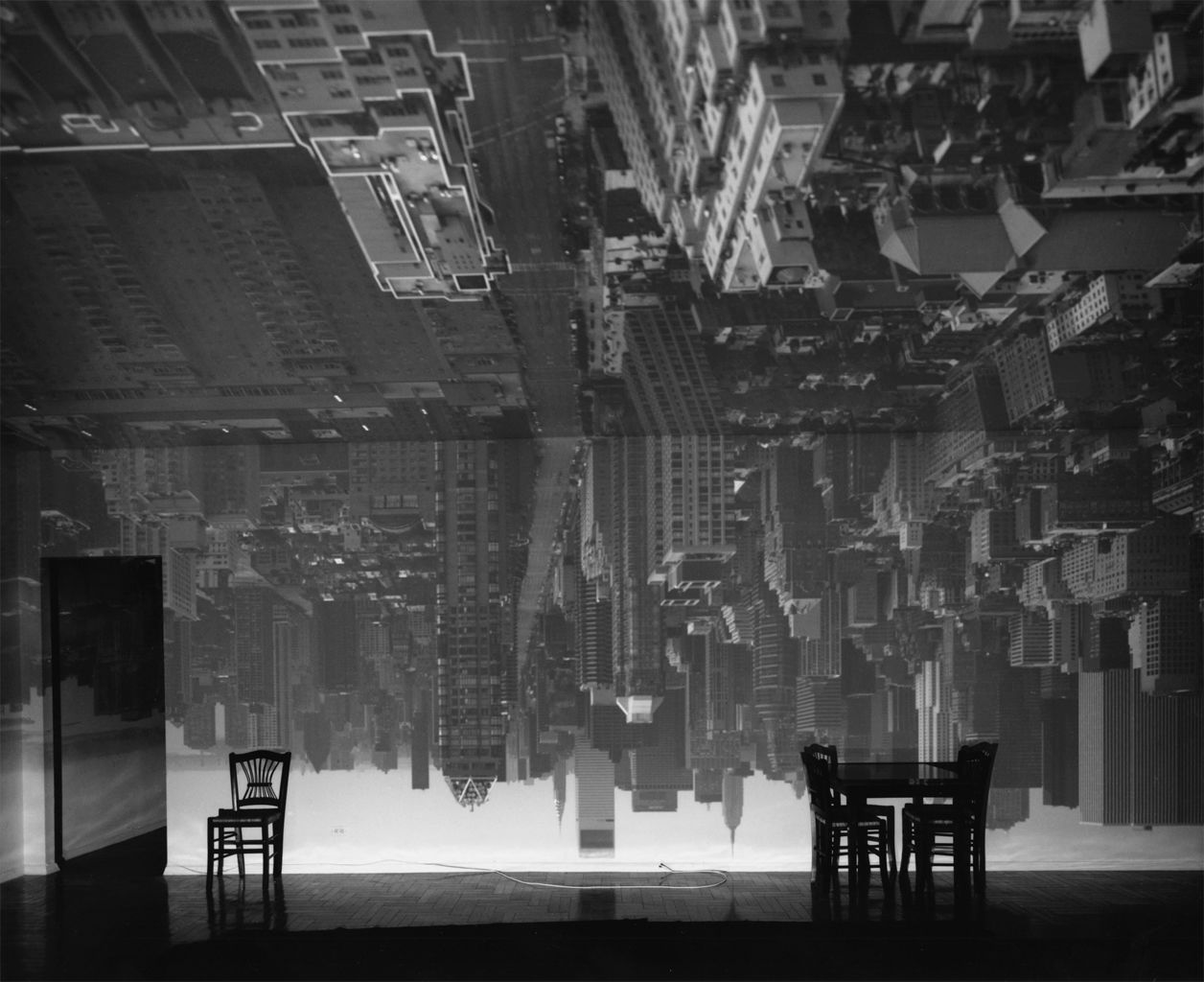
- Abelardo Morell
- Born in Cuba in 1948 Morrells’ family fled to New York he studies art at Yale university and has released several books on art and photography he is most known for his camera obscura work.
- Camera Obscura of Manhattan (Looking south)
- Date: 1996 http://www.shadowofthehouse.com/press.html
- Steve McCurry
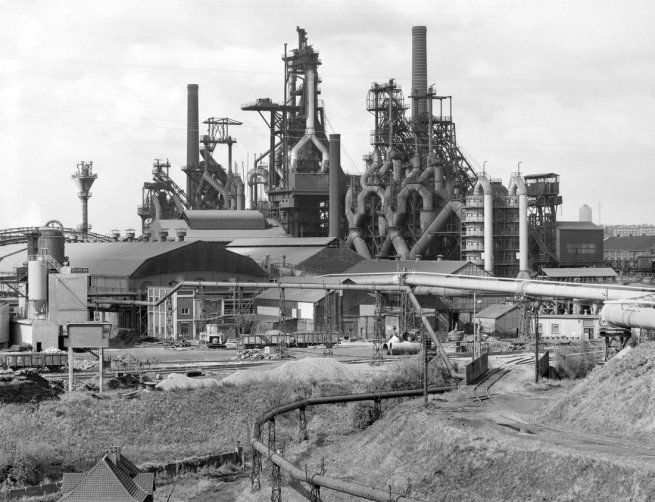
- Bernd and Hilla Becher (The Bechers)
- The Bechers were german artists that influenced generations of documentary photographers with their typology work that focused on industrial buildings and other structures. They would only shoot their photos on overcast days to add composition to their photos.
- Charleroi Montignies
- Date: 1971 http://uk.phaidon.com/agenda/photography/picture-galleries/2011/november/18/how-the-bechers-made-the-boring-beautiful/?idx=4&idx=4
- Edward Ruscha (Ed)
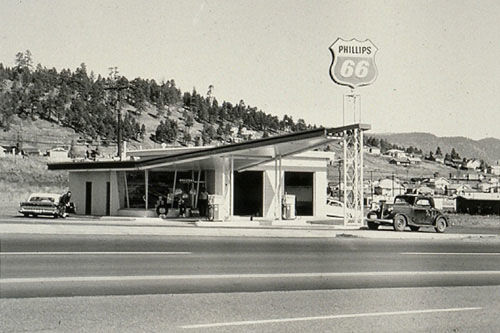
- Ed Ruscha is an american artist that has many reputable skills including that was a large part of the Pop art movement but often paints, prints, draws, photographs and writes. His most famous photographic work comes from his first book 26 Gasoline stations to which he is a self-confessed lover.
- Untitled (26 gasoline stations)
- Date:1962 http://uk.phaidon.com/agenda/art/articles/2013/september/09/ed-ruscha-explains-his-love-of-gas-stations/
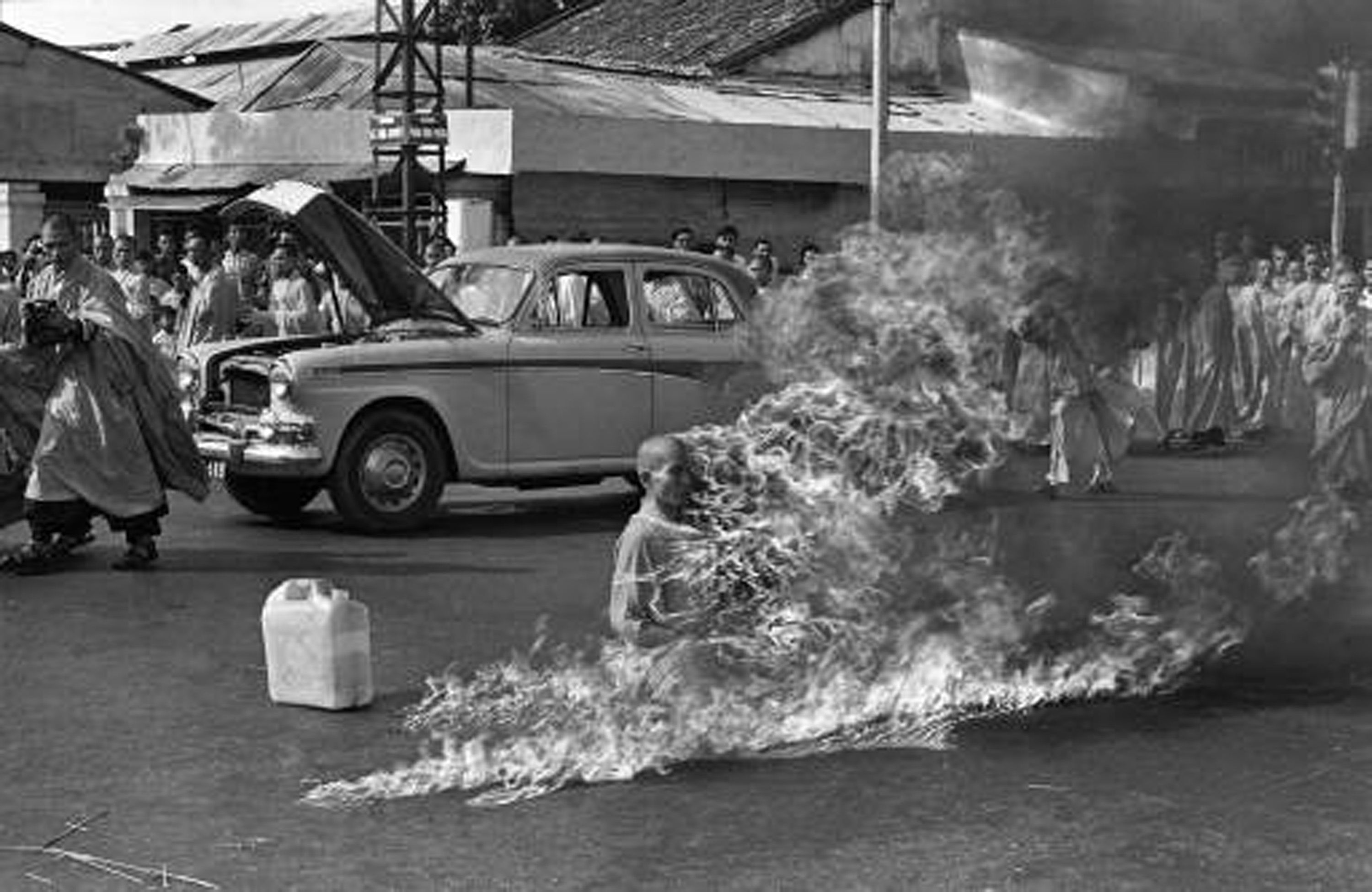
- Malcolm Browne
- Born in 1931 in New York Browne became a photojournalist while working for the associated press he was chief correspondent for Indochina when he captured the immolation of a Vietnamese monk in 1963. His photo won him the photojournalist of the year award.
- The Burning Monk
- Date:1963 https://vietnamiconicphotos.wordpress.com/tag/malcolm-browne/
- 1979-1999
- Robert Capa
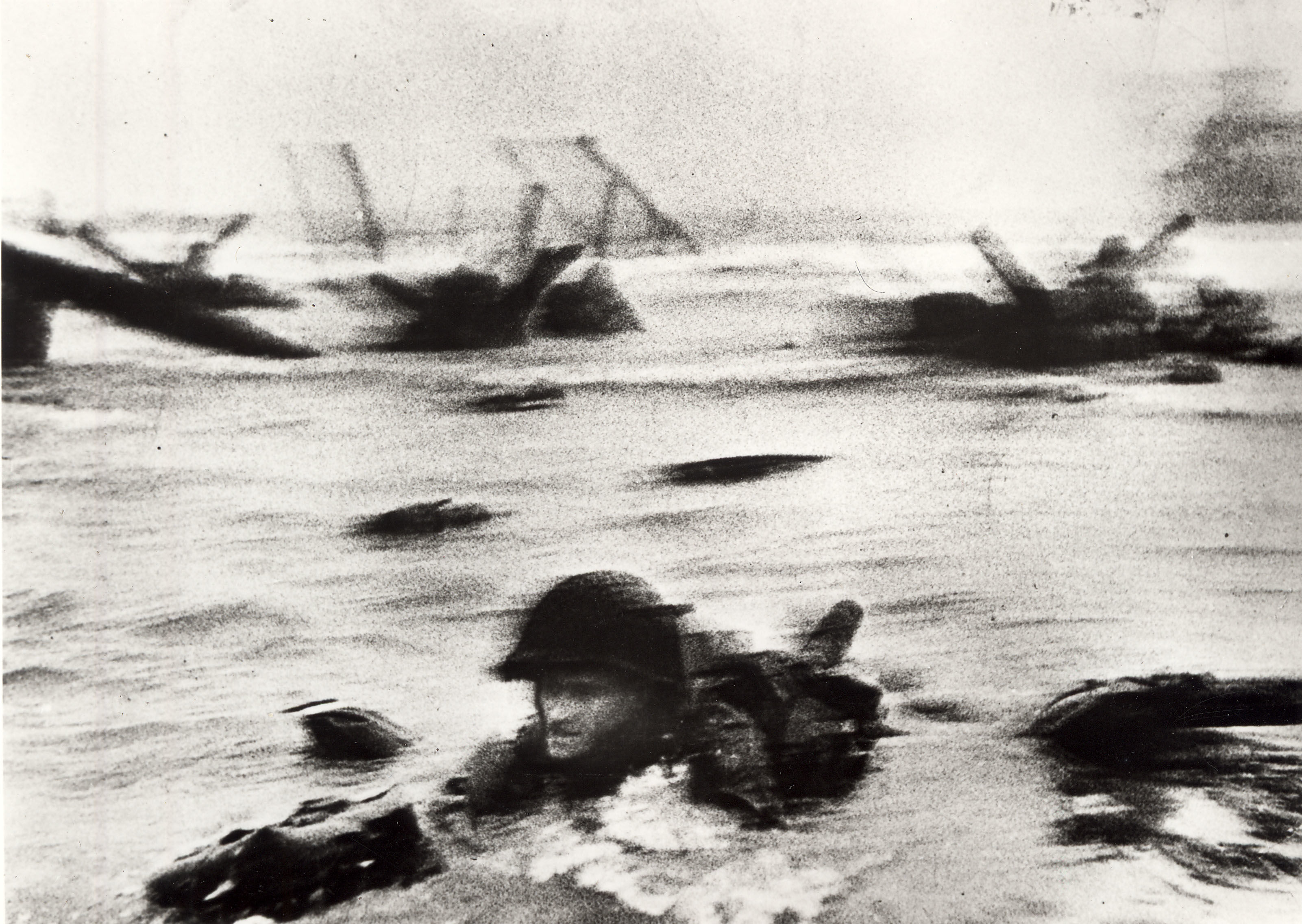
- Robert Capa was a wartime documentary Photographer that captured images of the D-Day landing on Omaha Beach. He survived that fateful day but was killed at the age of 40 by a landmine in Vietnam. He worked for Life magazine for the majority of his career and was the Co-founder of Magnum.
- The Magnificent 11
- Date: 1944 http://www.japantimes.co.jp/culture/2013/02/14/arts/driven-to-shoot-on-the-frontlines/#.Vij1zH6rTIU
- Diane Arbus
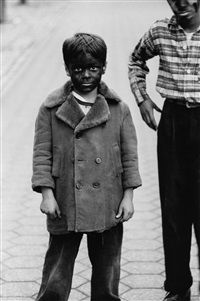
- Diane Arbus was famous for photographing marginalised people such as dwarfs, giants, transgender people, nudists, circus performers—and others whose normality was perceived by the general populace as ugly or surreal. In 1971 Arbus committed suicide.
- Kid in black face with Friend
- Date: 1957 http://www.artnet.com/artists/diane-arbus/kid-in-black-face-with-friend-nyc-1957-a-W_r-TMmll_MdUXuQsaH7Wg2
- Weegee
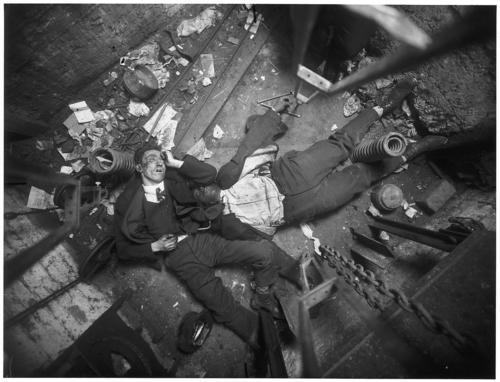
- Weegee was a documentary photographer in New York in the 1930s and 40s he grew to fame with crime scene photos as he was the only person in New York who had the license to have an emergency services radio in his car, he often beat the emergency services to the scene and documented the events he found there.
- Untitled (My Opinion)
- Date: 1940 https://crimephotography.wordpress.com/weegee/
- Andreas Feininger
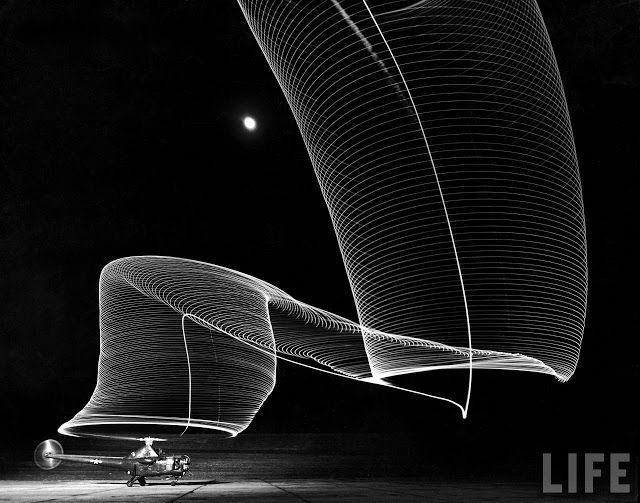
- Born in 1906 Fieninger was an American photographer and writer who created dynamic images of New York in black and white. However in 1949 he photographed a Sikorsky helicopter taking off and landing to create a light drawing that appeared on the cover of life magazine.
- Sikorsky 3
- Date: 1949 http://www.shootingfilm.net/2013/09/amazing-long-exposures-of-rotating.html
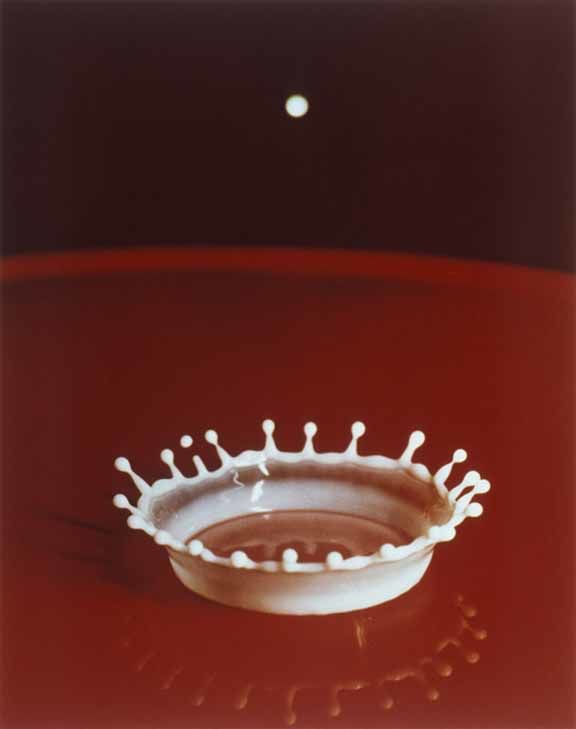
- Harold Edgerton
- Milk Coronet
- 1959-1979
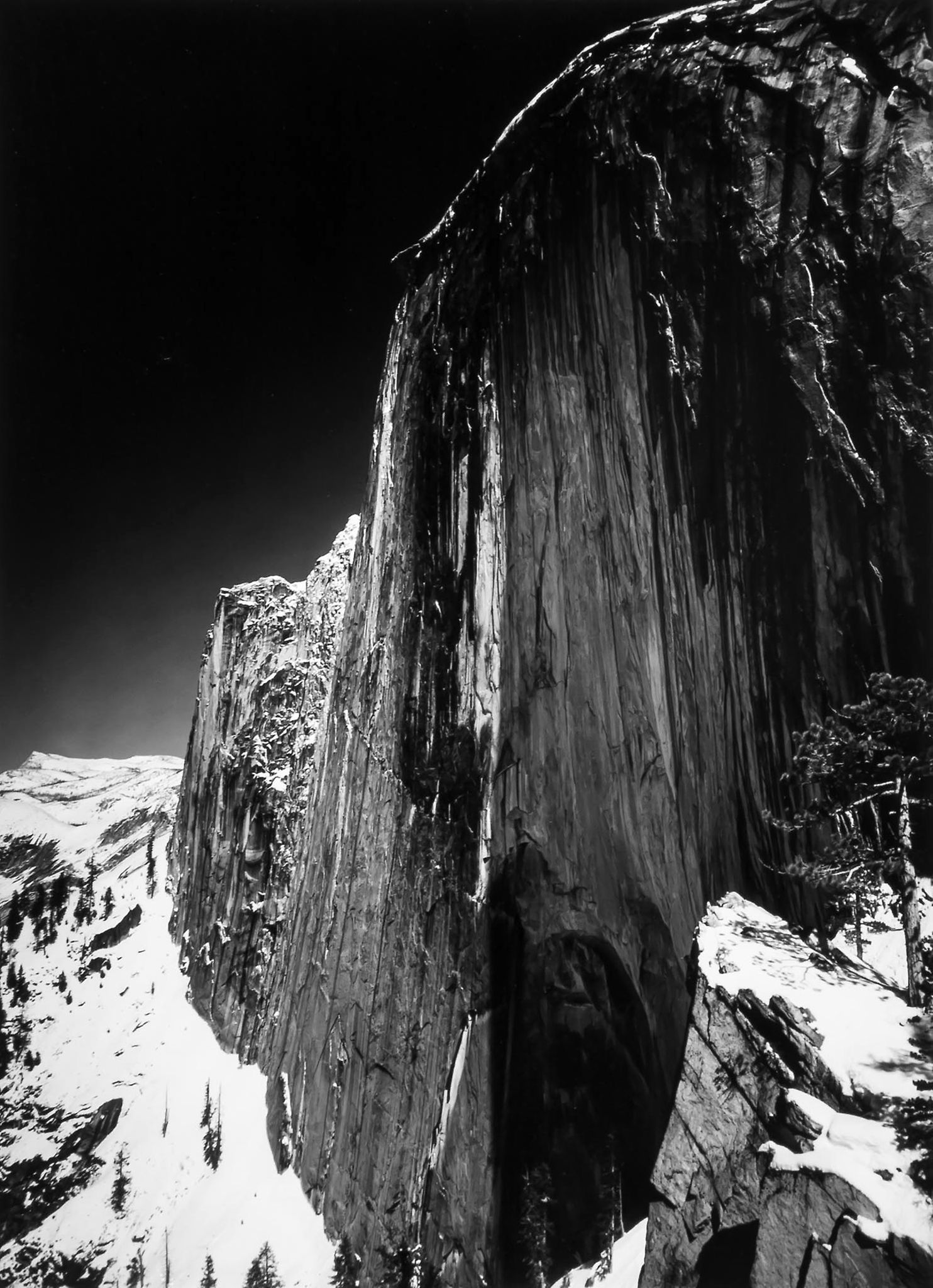
- Ansel Adams
- Ansel Adams is often considered the Godfather of Landscape Photography, as an environmentalist he spent a lot of time in the wild and collaterally captured the American west in Monochrome specifically Yosemite National Park.
- Monolith Face of the Half dome
- Date: 1927 http://www.anseladams.com/new-modern-replica-monolith-face-half-dome/
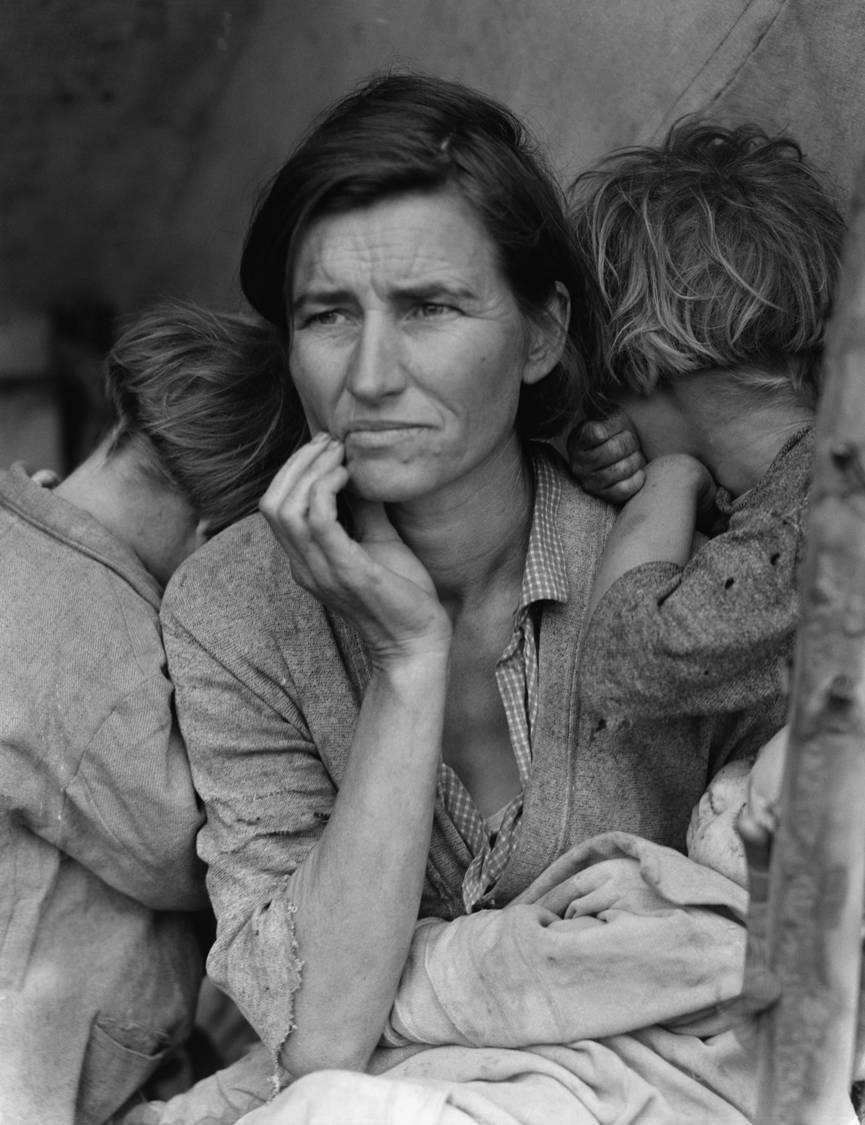
- Dorothea Lange
- Born in 1895 Lange will be remembered for her photography during the great depression in the United States Dorathea was acting on behalf of the government with many other photographers to document the effects of the depression.
- Migrant Mother
- Date: 1936 http://www.loc.gov/rr/print/list/128_migm.html
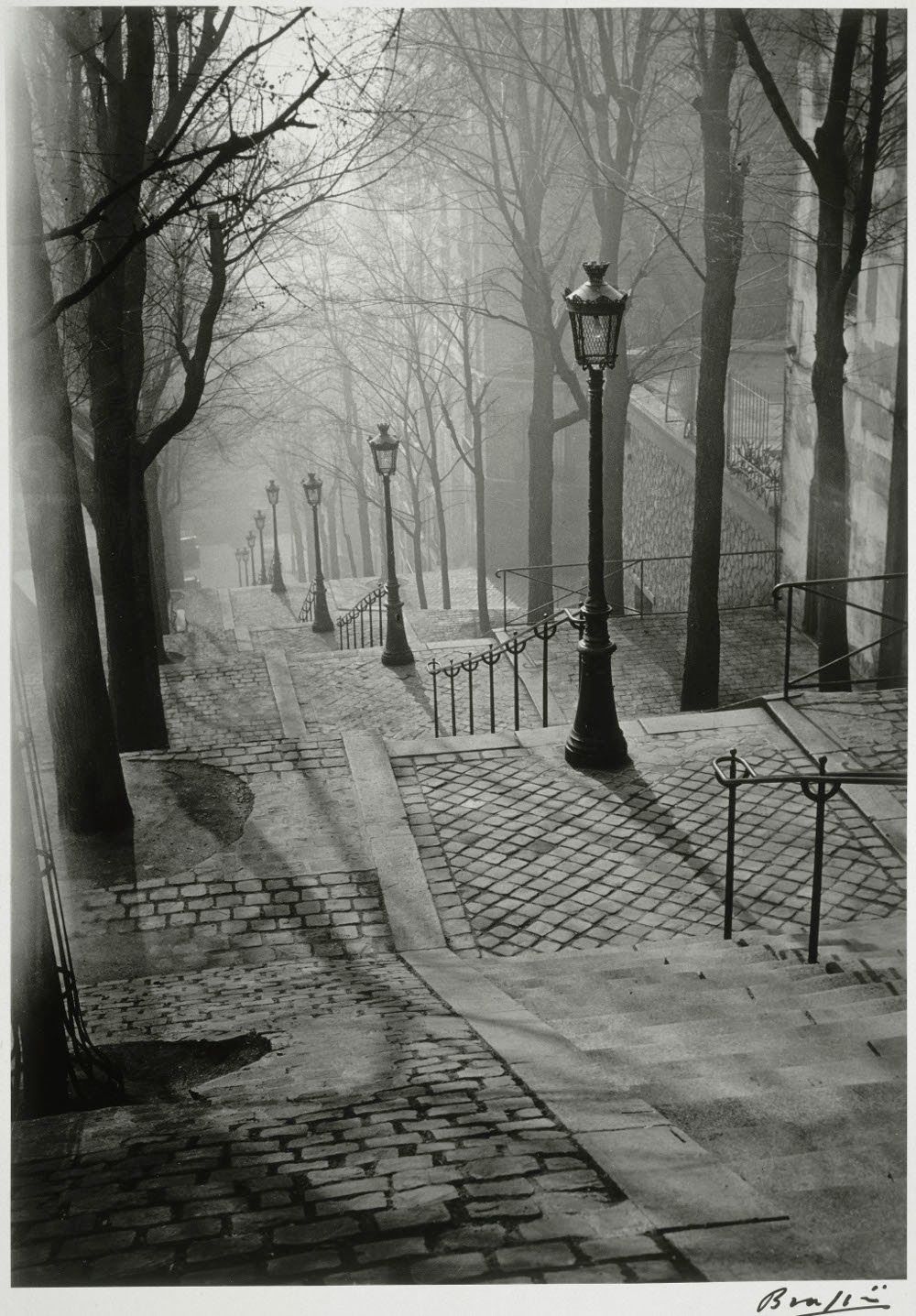
- Brassai
- Brassai was a Hungarian artist who flourished in Paris between the world wars he aimed to capture the city essence in his photos and released his first book in 1933 titled Paris de nuit (Paris by night).
- l'escalier de Monmartre
- Date: 1936 http://sandyschopbach.blogspot.co.uk/2014/03/out-about-exhibits-brassai-for-love-of.html
- 1939-1959
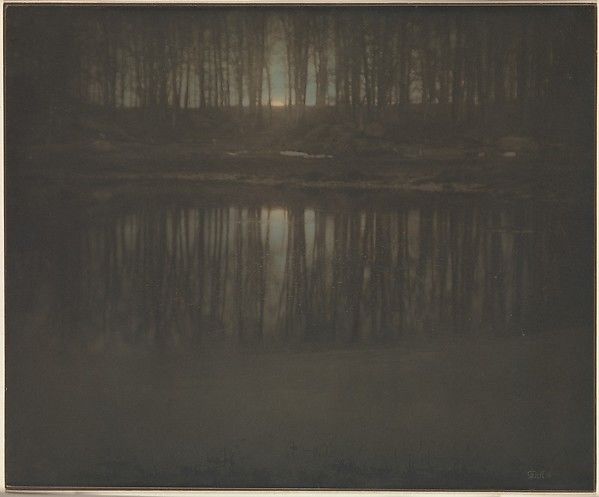
- Edward Steichen
- Steichen had many styles in which he photographed including landscape, portraits, fashion and still life. His most famous image is the Pond Moonrise which is one of the most expensive prints ever selling for $2.9 million.
- The pond Moonrise
- Date: 1904 http://www.metmuseum.org/collection/the-collection-online/search/267815
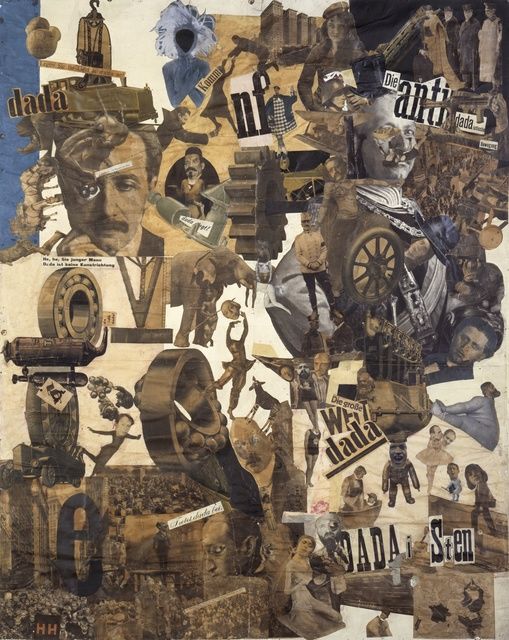
- Hannah Hoch
- One of the last artists of the Weimar period Hoch was a photomontage photographer that created very abstract and often disturbing images.
- Cut with the Dada kitchen knife through the last Weimar beer belly cultural
- Date: 1919 https://www.artsy.net/artwork/hannah-hoch-cut-with-the-dada-kitchen-knife-through-the-last-weimar-beer-belly-cultural-epoch-in-germany
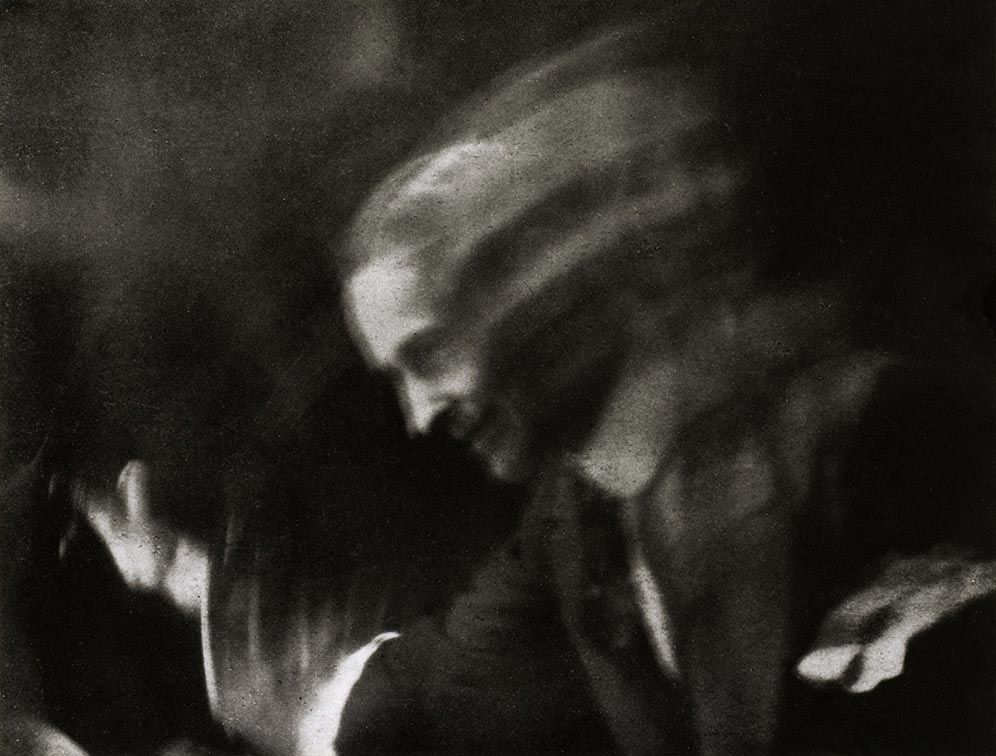
- Anton Bragaglia
- Waving
- 1919-1939
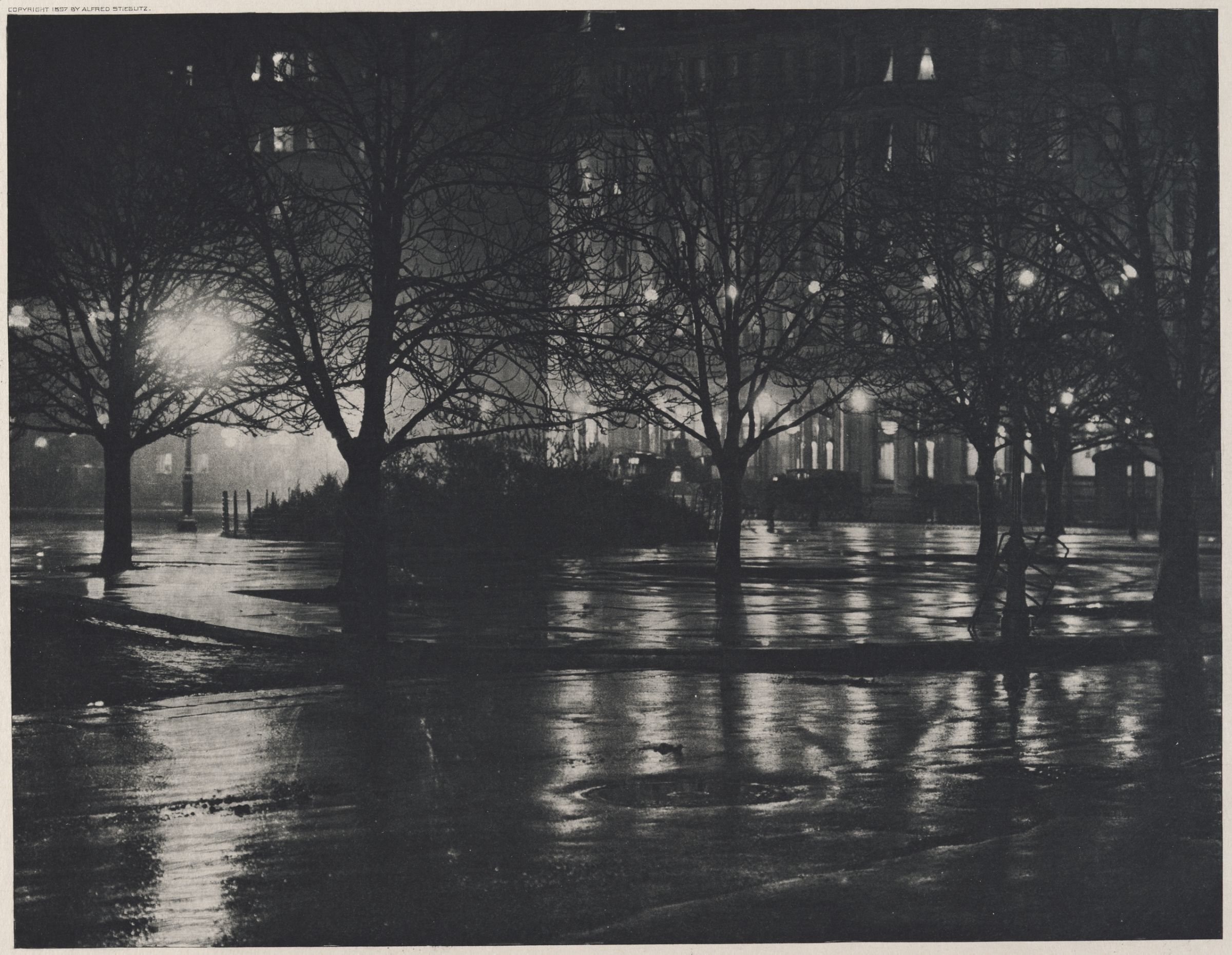
- Alfred Stieglitz
- Born in 1864 Stieglitz had a very successful career spanning over 50 years he helped to make photography an accepted art form he is also known for the New York galleries he ran in the early 20th century.
- Reflections In New York
- Date: 1897 http://www.harvardartmuseums.org/art/336784
- Eadweard Muybridge
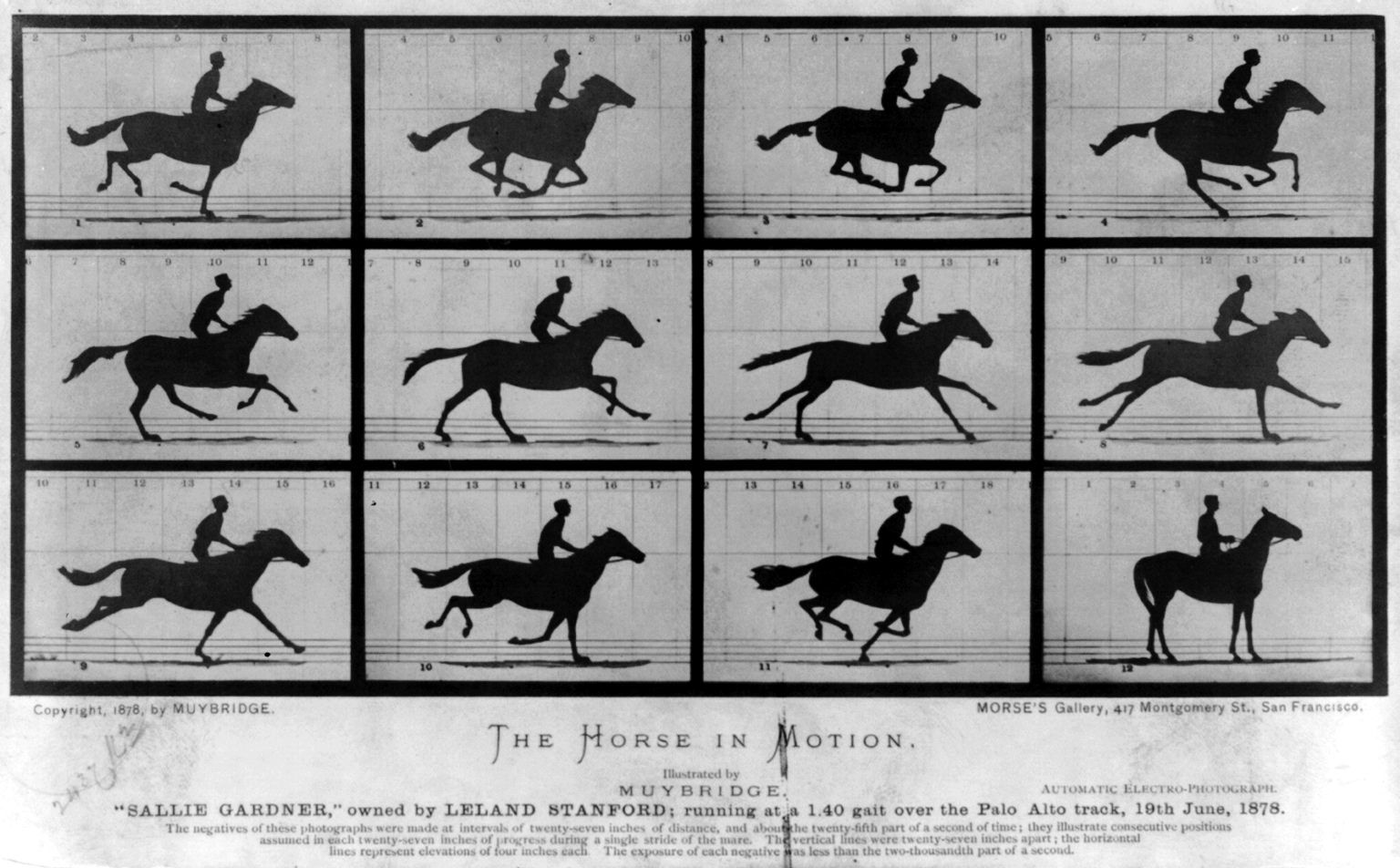
- Born in 1830 the English Photographer is remembered for his pioneering work in motion photography. He used the wet plate collodion process to create his prints.
- Horse in Motion
- Date: 1879 https://en.wikipedia.org/wiki/Eadweard_Muybridge
- 1899-1919
- Edward L Allen
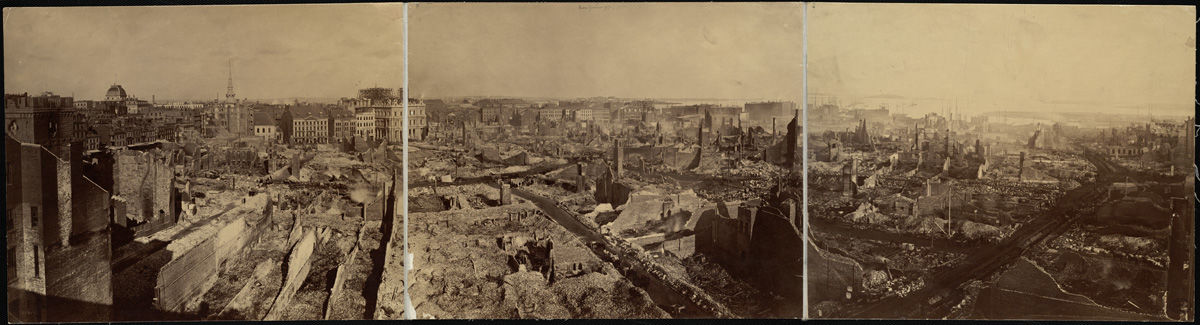
- Edward L. Allen was an American Photographer that photographed many significant landmarks in Boston in the 1860s-1870s he had a studio in Boston that he shared with Frank Rowell.
- After the Fire Boston
- Date: 1872 https://en.wikipedia.org/wiki/Edward_L._Allen#/media/File:1872_after_fire_Boston_byEdward_L_Allen_BPL_4926930574.jpg
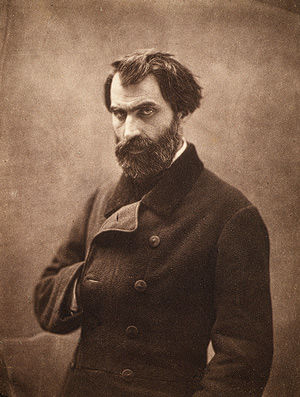
- Nadar
- Nadar was not only a Photographer he was also a journalist and balloonist, in 1854 a banker proposed that he start a Portrait photography business. He was taught by Gustave Le Gray.
- Eugene Pellatin
- Date: 1859 http://www.metmuseum.org/toah/hd/nadr/hd_nadr.htm#slideshow2
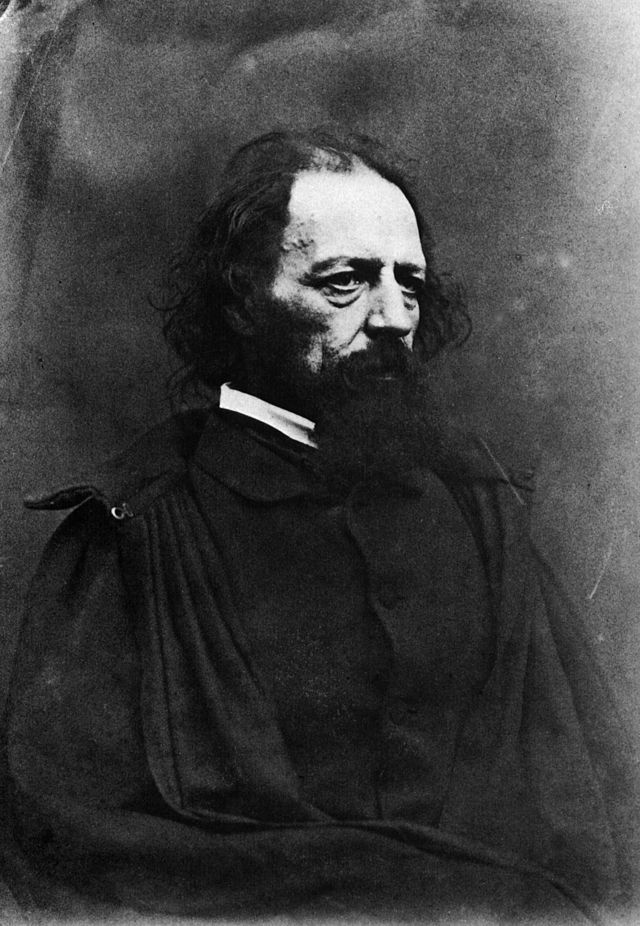
- Oscar Rejlander
- Rejlander was a pioneering victorian art photographer that exhibited professional photomontage standards in his early work although often taking portraits such as this one of 1st Baron Tennyson.
- 1st Baron Tennyson
- Date: 1860 https://en.wikipedia.org/wiki/Oscar_Gustave_Rejlander#/media/File:Alfred_Tennyson,_1st_Baron_Tennyson.jpg
- 1879-1899
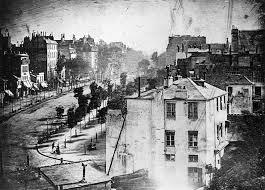
- Louis Daguerre
- Born in 1787 the painter and physicist created the first photographic process known as the Daguerreotype, his process brought developing time down from around 8 hours to 30 minutes.
- Boulevard Du Temple
- Date: 1839 http://www.alistairscott.com/daguerre/
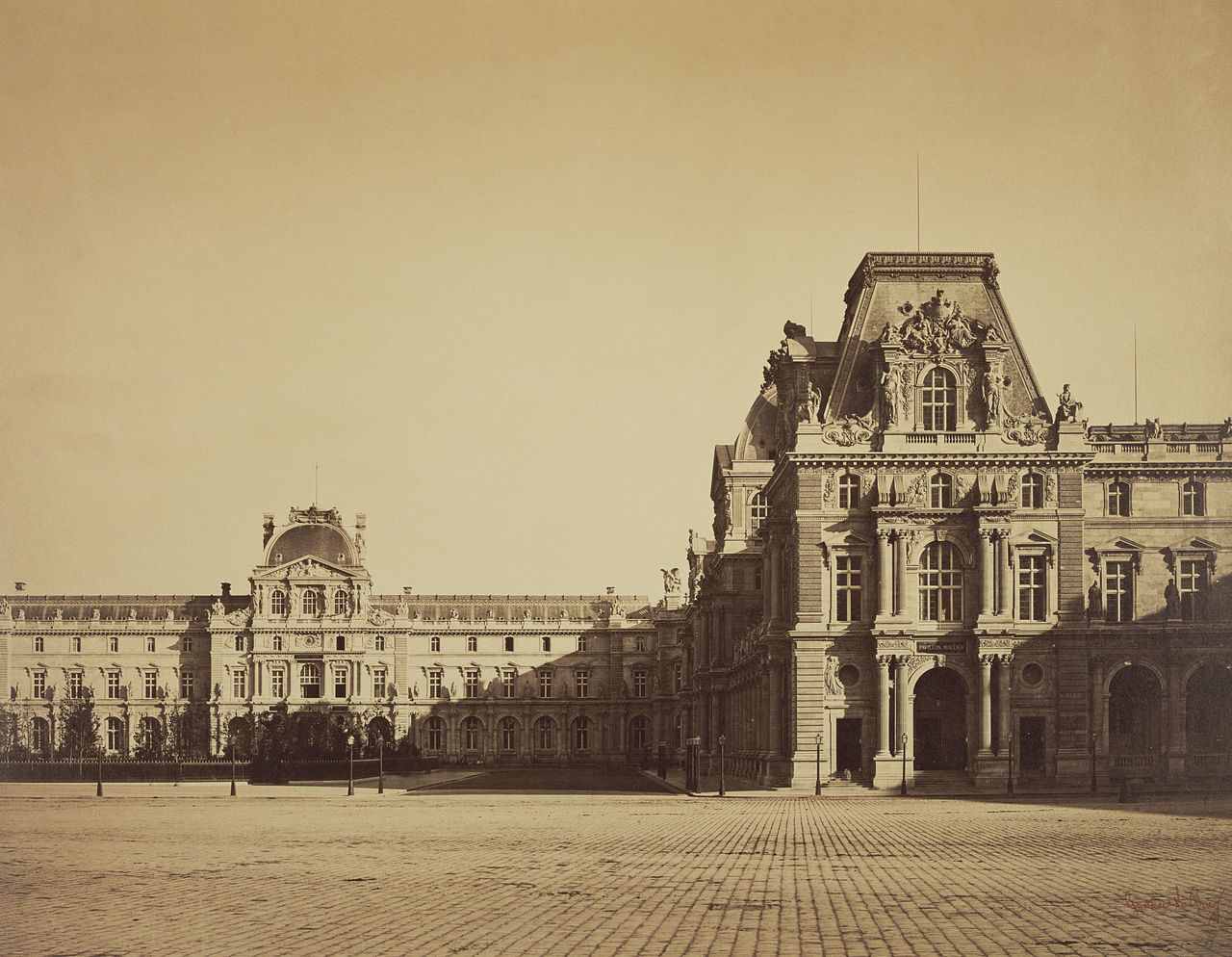
- Gustave Le Gray
- Considered one of the greatest photographers of the nineteenth century due to his creativity in the new medium of photography. He also taught many photographers. He became part of Mission Heliographique and set out to photograph French monuments.
- Pavillion Mollien
- Date: 1859 http://www.getty.edu/art/collection/objects/63666/gustave-le-gray-mollien-pavilion-the-louvre-french-1859/
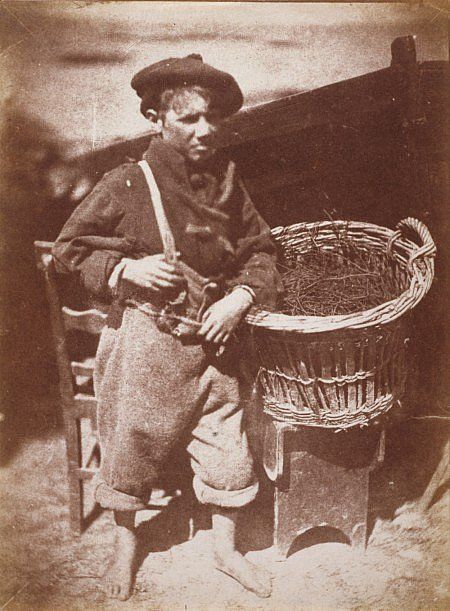
- Robert Adamson
- Robert Adamson was hired in 1843 by David Octavious Hill they produced 2500 catolypes over 5 years before Adamsons untimely death in 1848.
- His faithers breeks
- Date: 1843 https://en.wikipedia.org/wiki/Robert_Adamson_(photographer)
- 1859-1879
Image Capturing ability
- Era
- The Vicorian Era 1839-1859
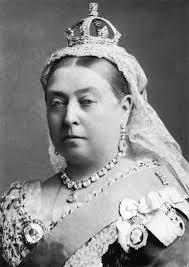
- This was the period that ensued after Queen Victoria took the thrown in 1837 after the death of William IV. During this Era Britain was very powerful at this point in history with strong industry and a peaceful outlook.
- The Victorian Era 1859-1879
- This period ended when Queen Victoria died in 1901 and was preceded by the Edwardian Era. Queen Victoria had ruled England for 62 years at the time of her death.
- The Machine Age 1879-1899
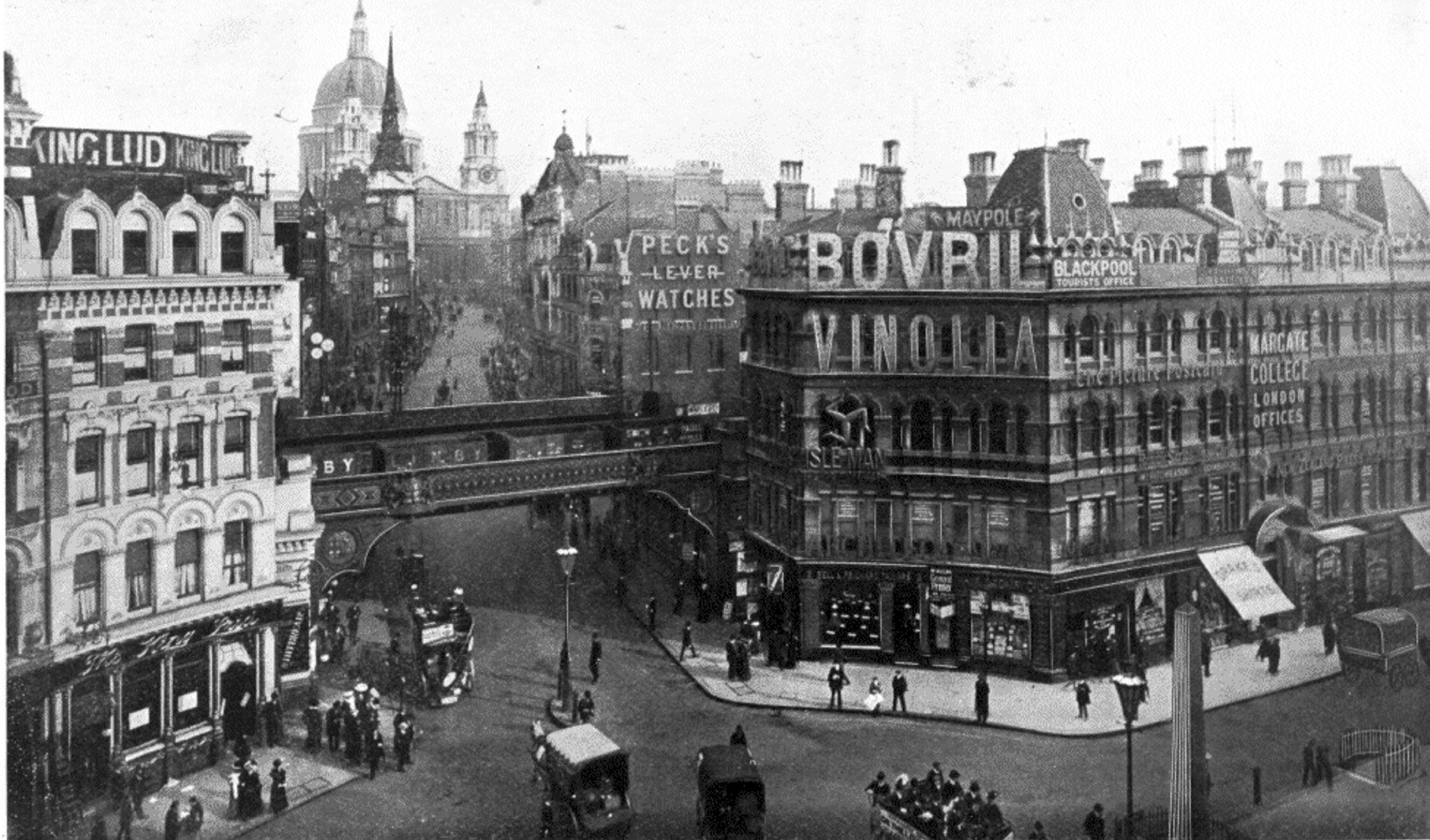
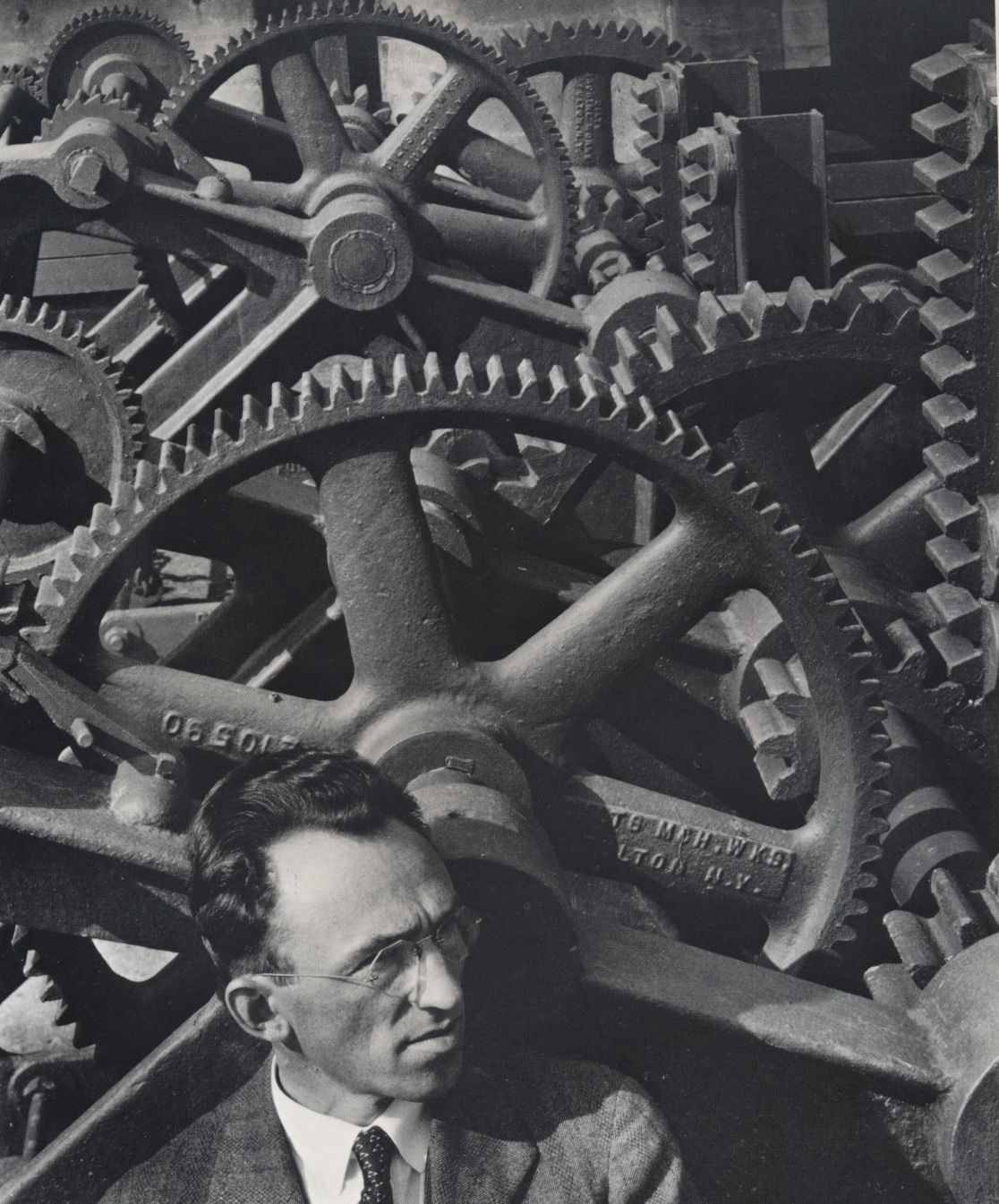
- The Machine Age ran through many decades but was prominent in the early 1900s as Mankind began to think bigger with the creation of many machines such as the Titanic.
- World War 1 1899-1919
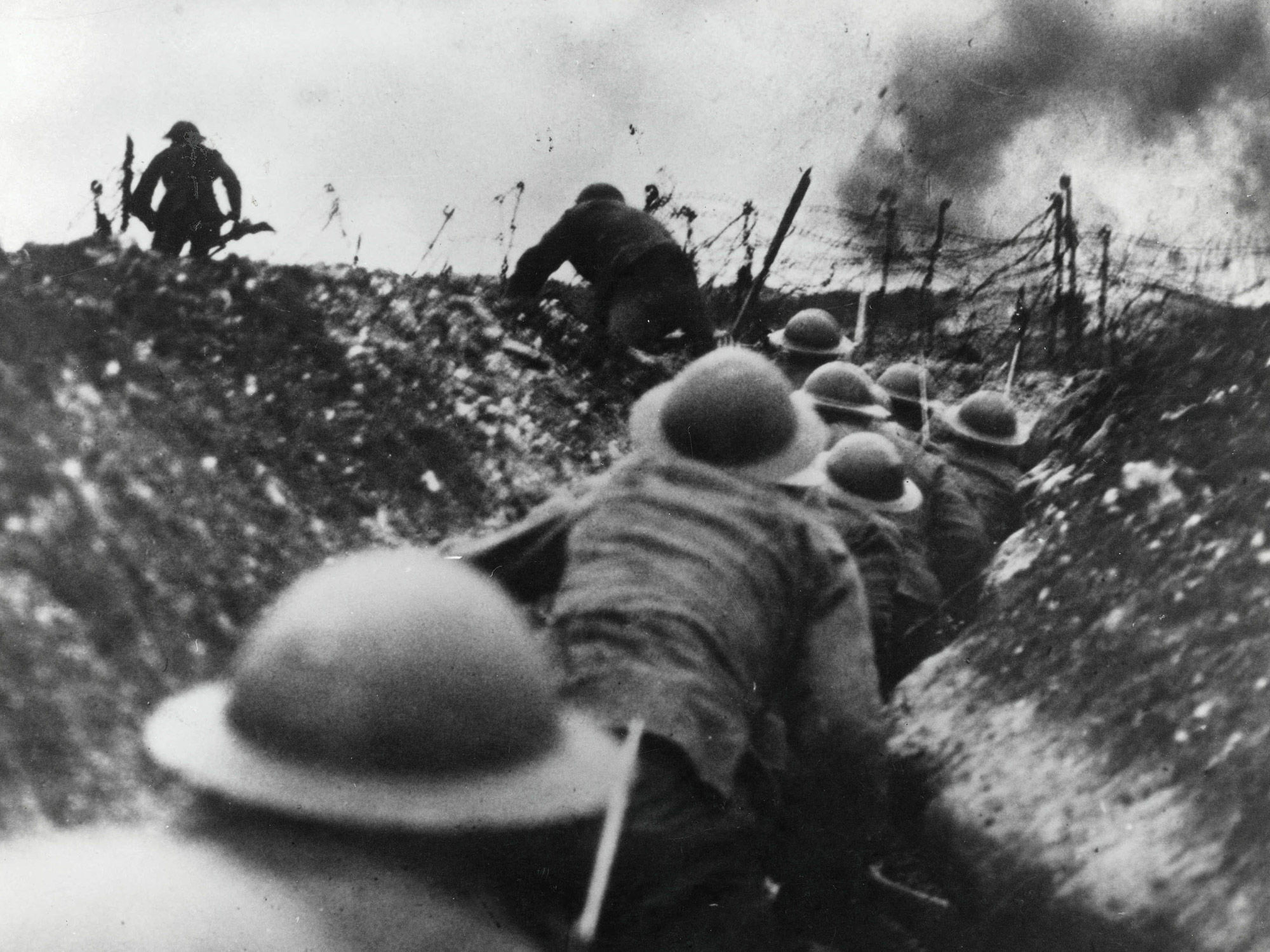
- This was the largest conflict that the world had ever seen, a war involving many countries centred in Europe lasting from 1914-1918. the war ended when the Austro-Hungarian empire agreed to an armistice.
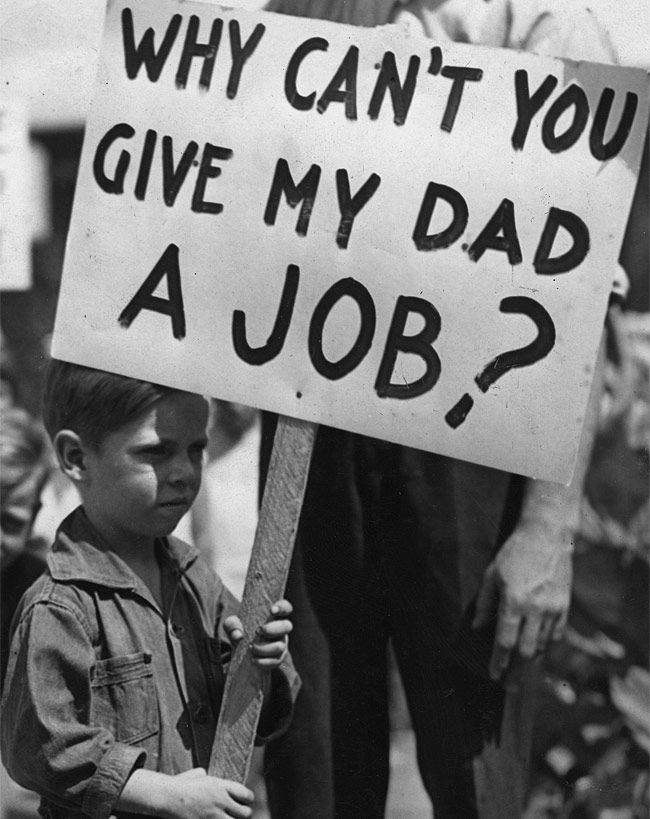
- The Great Depression 1919-1939
- The great Depression is often considered to show the worlds economy at its lowest point in recent history. the depression began in the US where stock prices fell and in turn made all shareholders want to sell on their shares which collapsed the Wall Street Stock market.
- World War 2 1939-1959
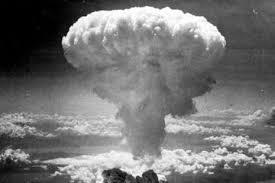
- World war 2 was the largest conflict that the world had seen to date due to the mass of countries effected. It started in 1939 and ended in 1945 six years and one day on when the Nazi party collapsed and Nuclear war heads were dropped in Nagasaki and Hiroshima.
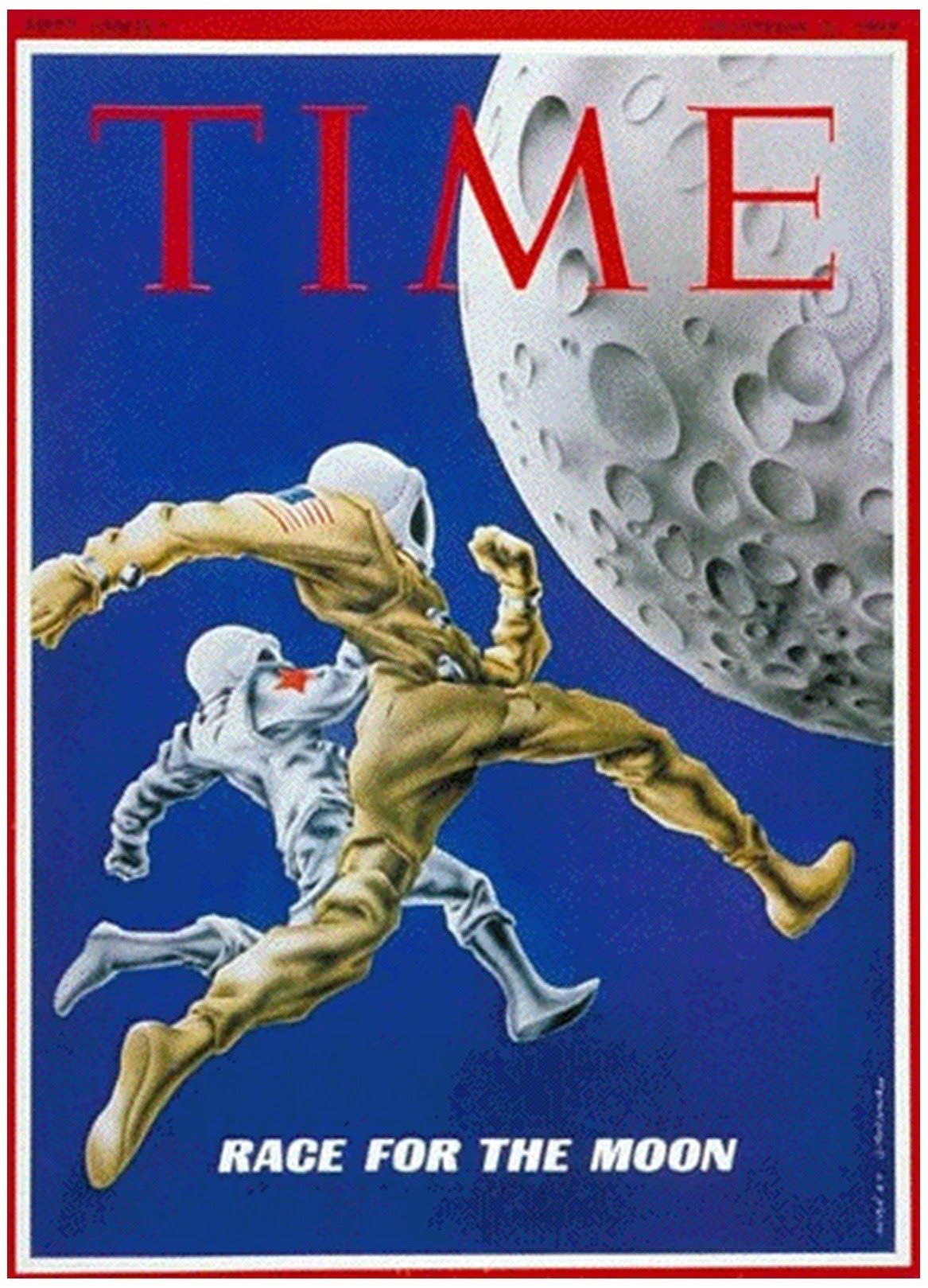
- The Cold War, Atomic Age and Space Race 1959-1979
- The Nuclear Arms race was a significant movement between the USSR and the USA when both sides armed themselves to create nuclear dominance. This Era also birthed the space race between the two rivals due to increasing technology and a race to reach the moon before one another.
- Age of technology 1979-1999
- The age of technology created a new platform for the human race to be built upon transitioning from the industrial Era into a new Era filled with easy to access data through advanced technology that made the world a more connected place and outdated many traditional communication methods.
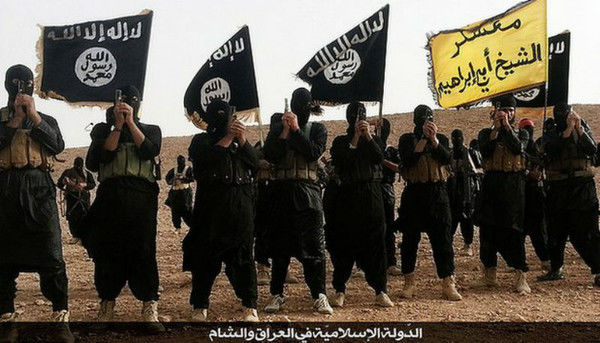
- War On Terror 1999-Present day
- The war on terror is slowly but surely becoming a huge landmark in Human History that has dominated the media for the past 15 years and continues to be a part of the races daily existence to this day.
- The Vicorian Era 1839-1859
- Humble beginnings pre 1839
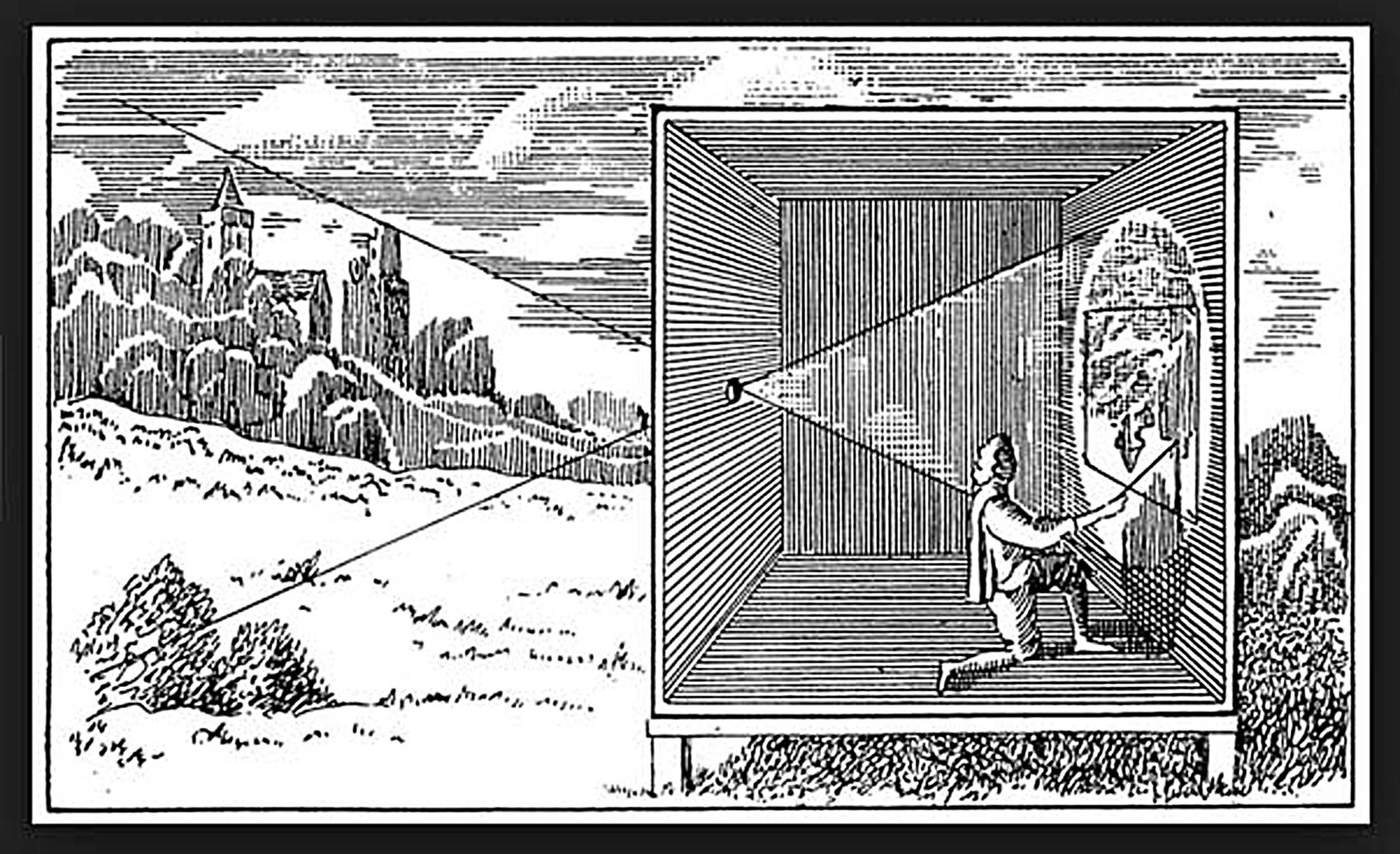
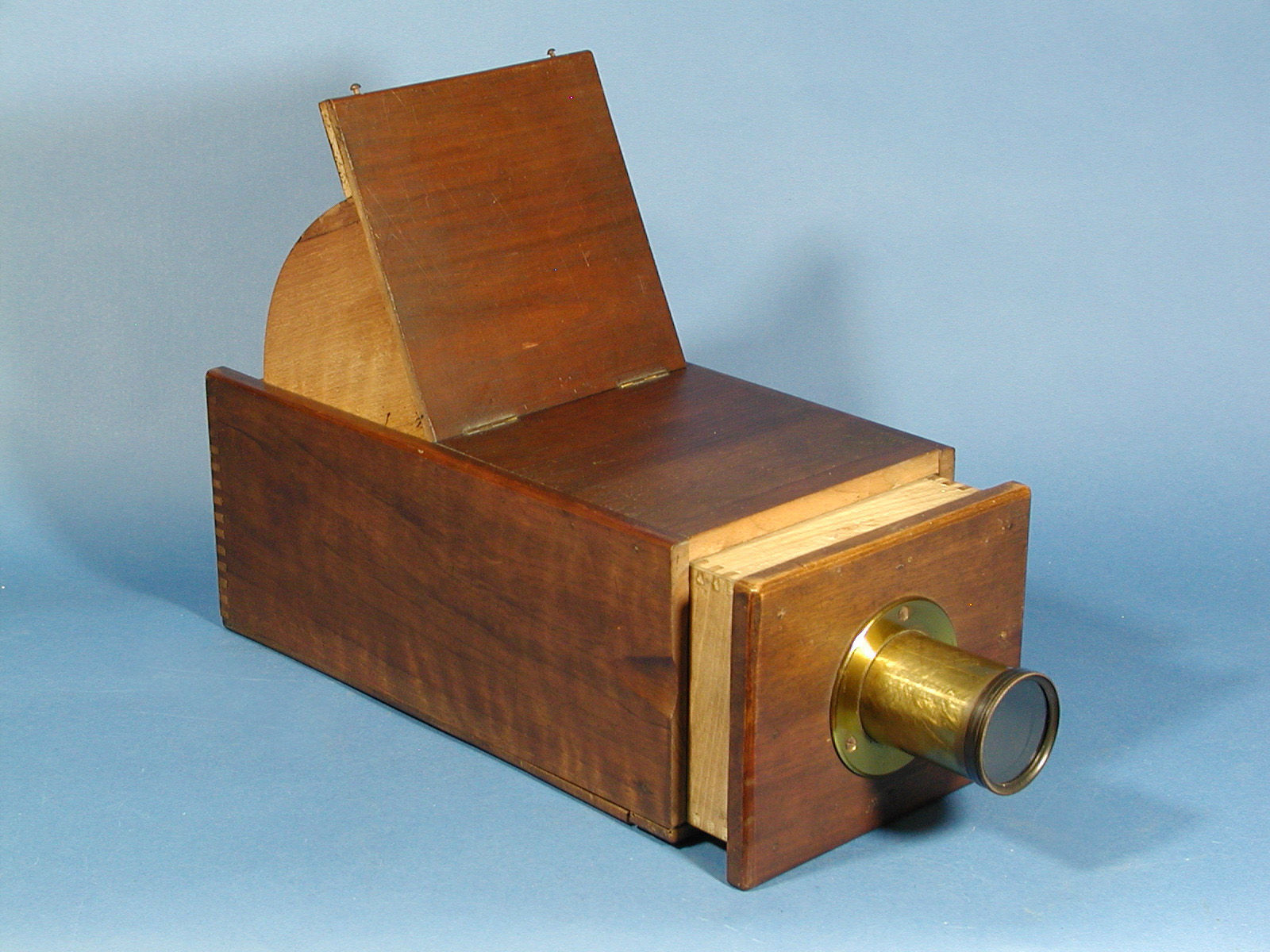
- Image capturing was seen in its earliest stages through Camera obscura created by an Iraqi scientist, however images could not be captured and were actually just projected to another surface.
- Late 1830s
- In the late 1830s Joseph Nicephore Niepce coated a pewter plate with bitumen and exposed it through a portable camera obscura and thus photography as we know it was born... kind of
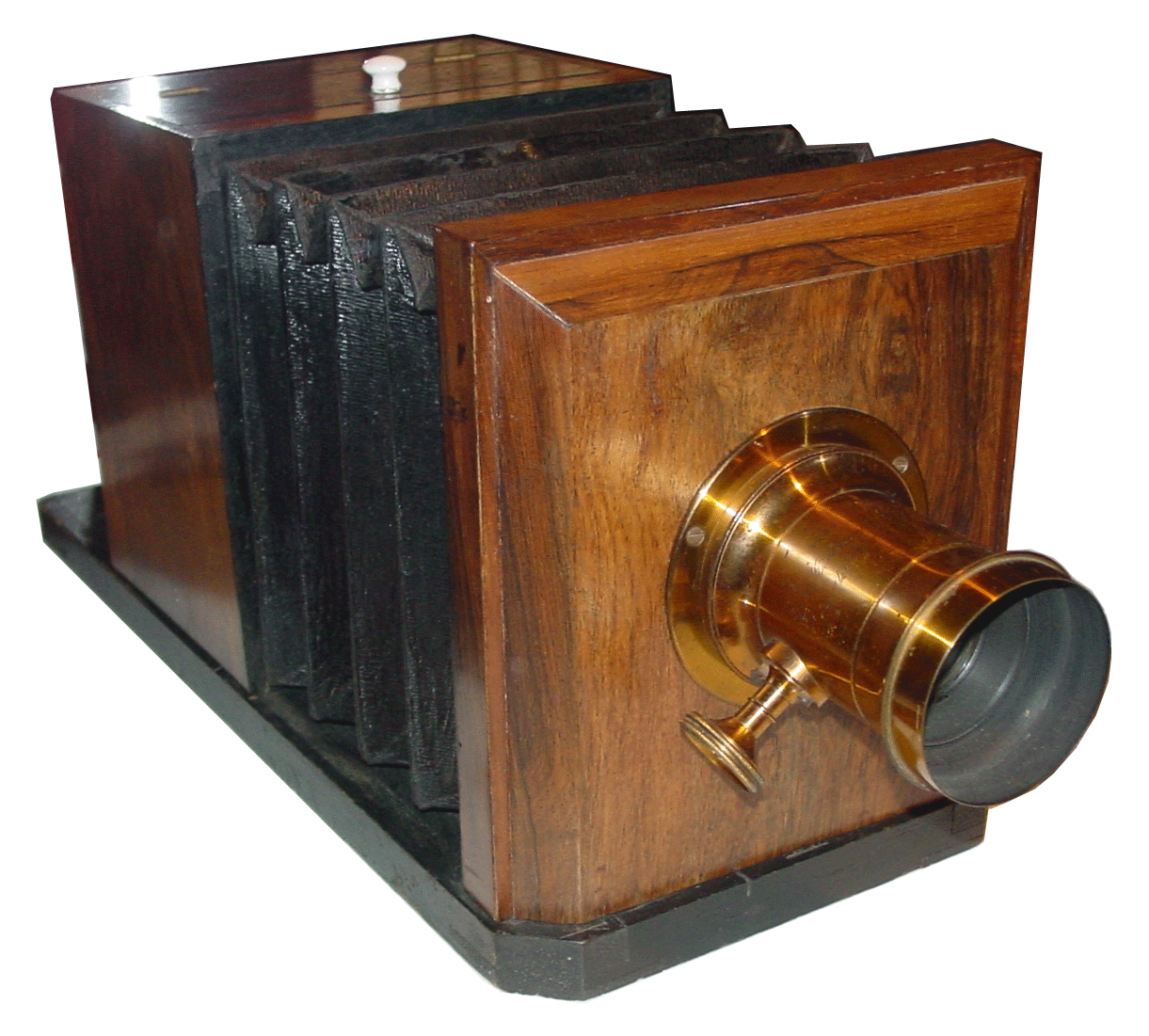
- The Daguerotype
- Pioneered by Louis Daguere and Niepce they replaced the pewter plate in the camera with a copper plate coated with silver and Iodine vapour, these plates usually had to be exposed for around 15 minutes before the image was captured.
- 1850s
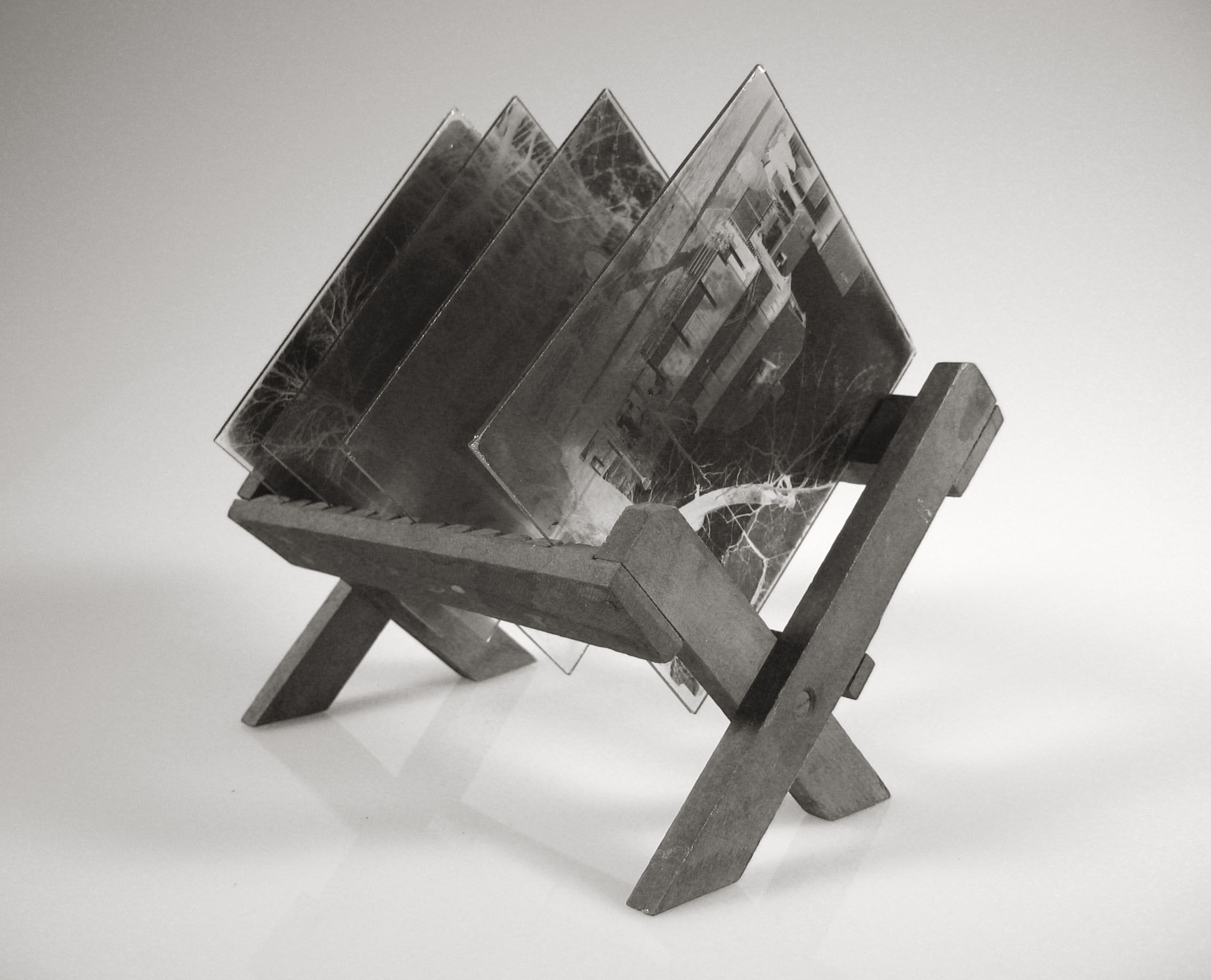
- Dagurotypes were surpaced in use in the 1850s when Emulsion plates were created that replaced the copper plate with either a glass or tin plate these plates were much more sensitive to light and improved exposure time massively which accommodated for the most common photography at the the time, portraits.
- Image and the War
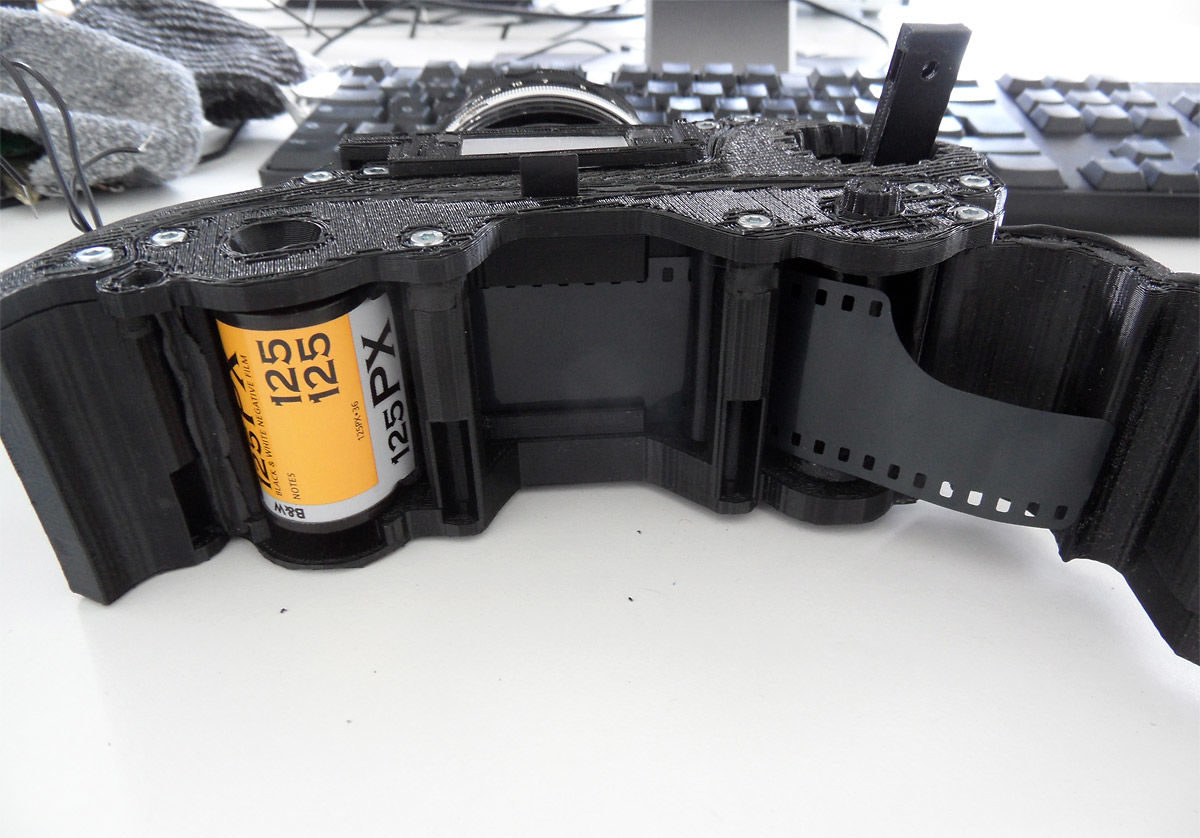
- In the early 1930s many photographers such as Henri Cartier Bresson adopted the 35mm camera which grew to become a very popular choice by many photographers as they captured life as it happened, eliminating the need for staged photo shoots. 35mm film became more popular as WW2 began.
- Model 95
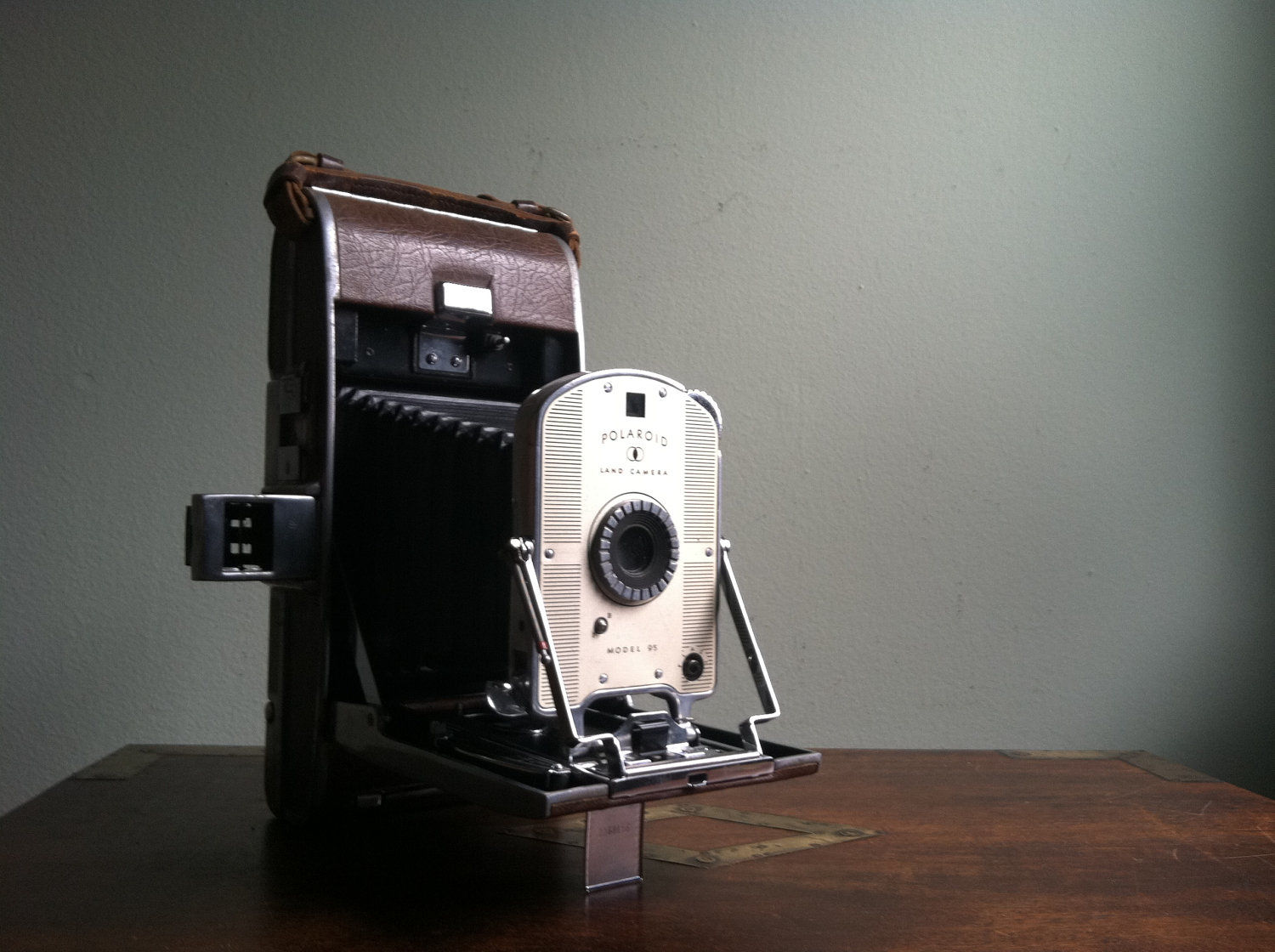
- During the rise of the 35mm film camera, Polaroid released its model 95 that used technology to produce instant images that printed from the camera this caught on with many amature photographers due to the instant access to photos.
- The 1950s
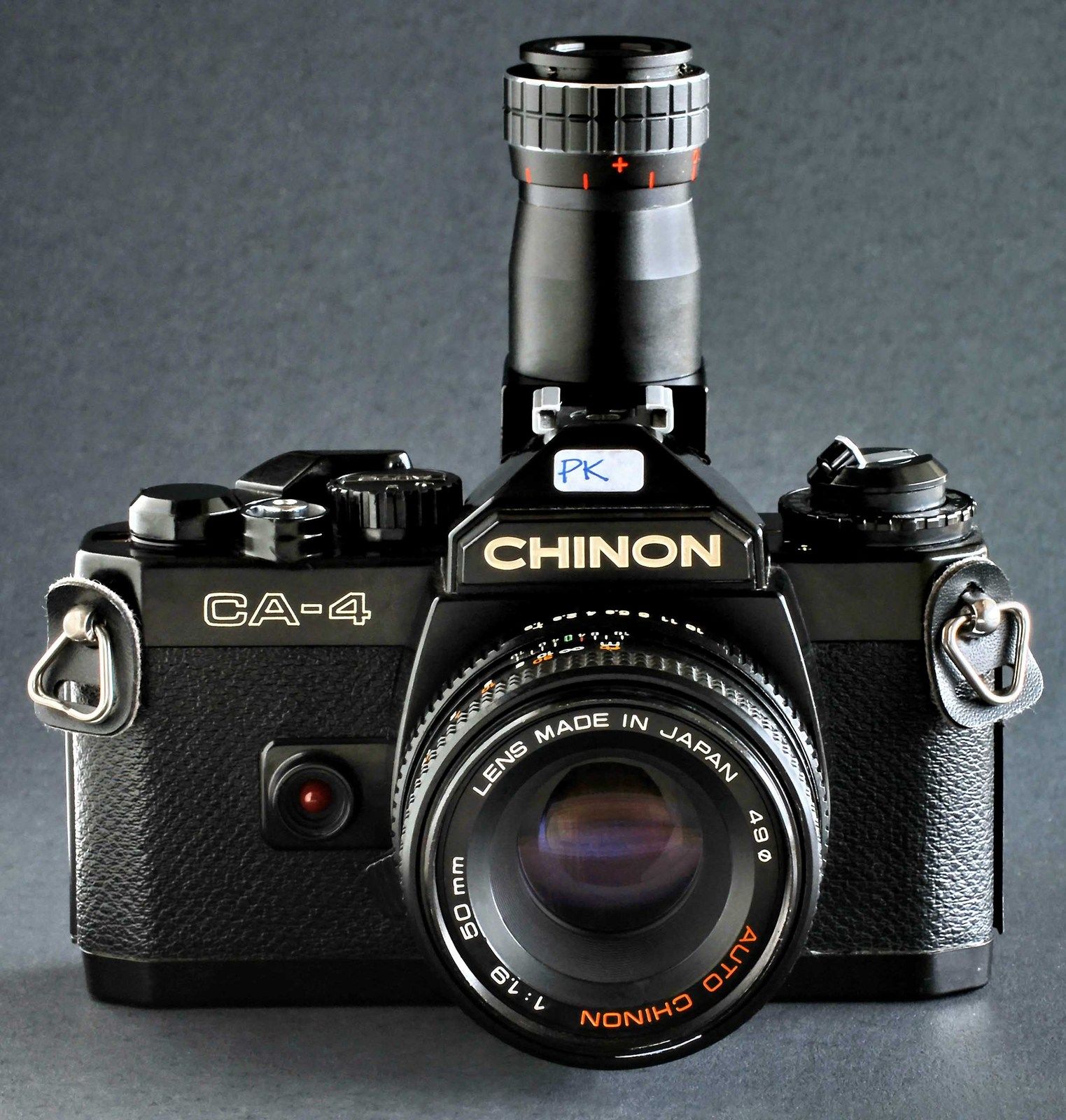
- Pentax and Nikon stormed the Photography scene in the 1950s with new cameras, the SLRs these cameras could be changed and improved depending on the photographers budget with new lenses or power winders. These cameras became standard for the next 30 years.
- The Smartest Yet
- As the 1970s was coming to an end the world was turning a new page, as was photography with the introduction of smart cameras that could calculate aperature and shutter speed based on the surroundings.
- Digital
- Through the late 80s and 90s Digital methods began to creep into photography and became more popular than film, This was because digitally capturing images allowed for more than one print and backups to be made.
- Domination in the Photographic world
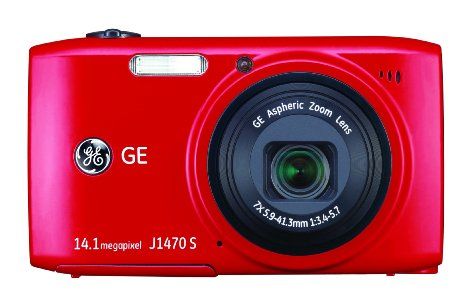
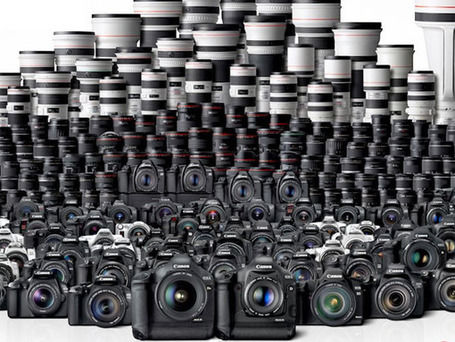
- Today there are many companies that produce these digital cameras at many different levels and price ranges some of the most popular are Canon, Nikon, Pentax and Sony.
- Era
Significant Worldevents
- Follow lines to progress through the History
- 1840 British colonists arive in New Zealand
- 1848 The gold rush in California begins
- 1851 the New York times is founded
- 1859 Big Ben chimes over London for the first time
- 1860 Abraham Lincoln is nominated president
- 1861 Civil War begins in USA
- 1862 France recognises Photography as an Art
- 1865 Lincoln Assassinated by John wilkes Botth
- 1871 British Colombia becomes part of Canada
- 1872 Yellowstone becomes first National Park
- 1881 Greenwich Mean Time becomes standard
- 1884 Oxford English dictionary first edition
- 1885 George eastman creates modern photograph film
- 1886 Automobile Beginings
- 1893 First moving picture films
- 1896 First Modern Olympic Games
- 1898 US Spanish War declared
- 1901 Queen Victoria dies
- 1909 First Men reach the North Pole
- 1912 Titanic Sinks
- 1913 Ford introduces assembly line
- 1914 start of World War 1
- 1916 Battle of the Somme
- 1921 Irish free state splits from UK
- 1927 First solo transatlantic Flight
- 1929 Black Tuesday Stock market crash
- 1931 Empire state building Completed
- 1939 World war 2 starts
- 1939 Chile earthquake
- 1941 Japanese attack pearl Harbour
- 1944 D Day
- 1945 First atomic bomb tested
- 1945 Hitler suicide end of ww2
- 1951 Colour TV introduced
- 1953 DNA discovered
- 1958 NASA founded
- 1961 Berlin wall built
- 1962 Cuban Missile Crisis
- 1963 JFK assassinated
- 1964 Beatles dominate USA
- 1965 US troops deployed in Vietnam
- 1968 Martin Luther king jr assassinated
- 1969 First man on the moon
- 1974 President Nixon resigns
- 1977 first Star Wars move released
- 1980 John Lennon assasinated
- 1981 Aids identified
- 1986 Chernobyl Nuclear disaster
- 1989 Berlin wall falls
- 1989 World Wide Web invented
- 1990 Gardner Heist biggest art theft in histroy
- 1992 Bosnian Genocide Begins
- 1999 Euro introduced as new currency
- 2001 9/11
- 2004 Madrid train bombings
- 2005 7/7 Bombings London
- 2006 Saddam Hoessein condemed to death
- 2008 Barack Obama become first black president
- 2010 US soldiers withdraw from Iraq
- 2010 Wikileaks publishes documents
- 2011 Osama Bin Laden killed
- 2014 ISIS appears in the media
- 2015 North Korea threatens to bomb USA
- 2014 ISIS appears in the media
- 2011 Osama Bin Laden killed
- 2010 Wikileaks publishes documents
- 2010 US soldiers withdraw from Iraq
- 2008 Barack Obama become first black president
- 2006 Saddam Hoessein condemed to death
- 2005 7/7 Bombings London
- 2004 Madrid train bombings
- 2001 9/11
- 1999 Euro introduced as new currency
- 1992 Bosnian Genocide Begins
- 1990 Gardner Heist biggest art theft in histroy
- 1989 World Wide Web invented
- 1989 Berlin wall falls
- 1986 Chernobyl Nuclear disaster
- 1981 Aids identified
- 1980 John Lennon assasinated
- 1977 first Star Wars move released
- 1974 President Nixon resigns
- 1969 First man on the moon
- 1968 Martin Luther king jr assassinated
- 1965 US troops deployed in Vietnam
- 1964 Beatles dominate USA
- 1963 JFK assassinated
- 1962 Cuban Missile Crisis
- 1961 Berlin wall built
- 1958 NASA founded
- 1953 DNA discovered
- 1951 Colour TV introduced
- 1945 Hitler suicide end of ww2
- 1945 First atomic bomb tested
- 1944 D Day
- 1941 Japanese attack pearl Harbour
- 1939 Chile earthquake
- 1939 World war 2 starts
- 1931 Empire state building Completed
- 1929 Black Tuesday Stock market crash
- 1927 First solo transatlantic Flight
- 1921 Irish free state splits from UK
- 1916 Battle of the Somme
- 1914 start of World War 1
- 1913 Ford introduces assembly line
- 1912 Titanic Sinks
- 1909 First Men reach the North Pole
- 1901 Queen Victoria dies
- 1898 US Spanish War declared
- 1896 First Modern Olympic Games
- 1893 First moving picture films
- 1886 Automobile Beginings
- 1885 George eastman creates modern photograph film
- 1884 Oxford English dictionary first edition
- 1881 Greenwich Mean Time becomes standard
- 1872 Yellowstone becomes first National Park
- 1871 British Colombia becomes part of Canada
- 1865 Lincoln Assassinated by John wilkes Botth
- 1862 France recognises Photography as an Art
- 1861 Civil War begins in USA
- 1860 Abraham Lincoln is nominated president
- 1859 Big Ben chimes over London for the first time
- 1851 the New York times is founded
- 1848 The gold rush in California begins
Imágenes y archivos del mapa


Información
- Descripción
- El usuario ha eliminado su información de asignaturas Mapa Mental sobre History of Photography 1839-Present day, creado por Usuario eliminado el 05/10/2016.
- Creado por
- Usuario eliminado · oct 2016
- Actualizado
- 12 ene 2017
- Visitas
- 94
- Historial
-
- Creado por Daniel Shields · 15 oct 2015
- Copiado por Jacquan Greenleaf · 5 oct 2016
- Valoración