
Apuntes
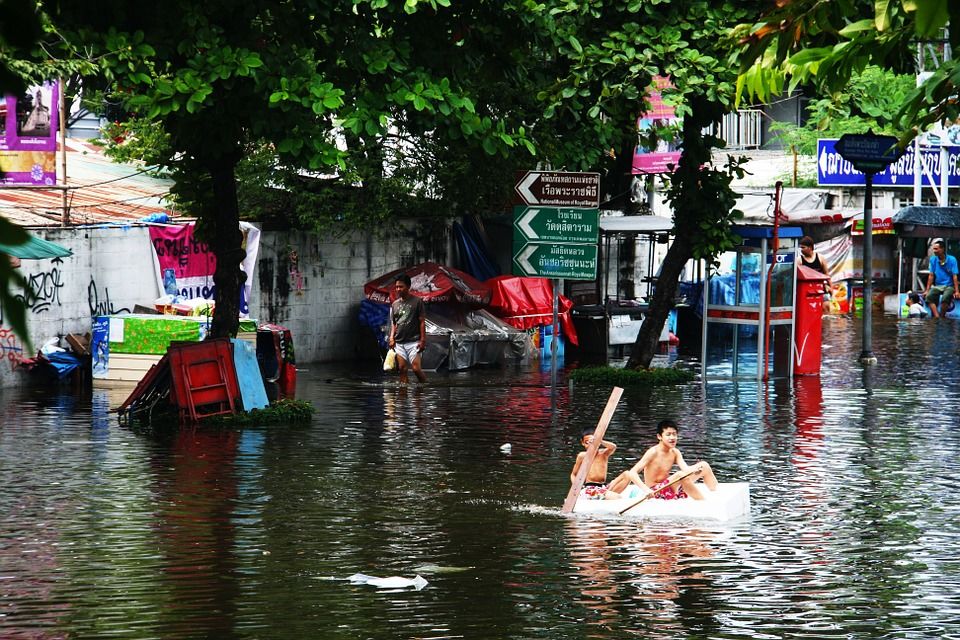
Flood Mitigation and Prevention
Contenido del apunte (10)
Página 1
Flood Mitigation and Prevention
Techniques of hard and soft engineering search for a solution to the problem of river flooding.
Hard engineering is when large artificial structures are built to combat fluvial issues. These structures are usually expensive and do not blend with the landscape.
Hard engineering methods include; dams, channel straightening, embankments, and flood-relief channels.
Soft engineering attempts to use 'natural' methods of solving fluvial issues. These methods are usually cheaper, but also less effective than hard engineering solutions.
Soft engineering methods include; flood plain zoning, flood warnings, planting trees, and river restoration.
Página 2
Dams
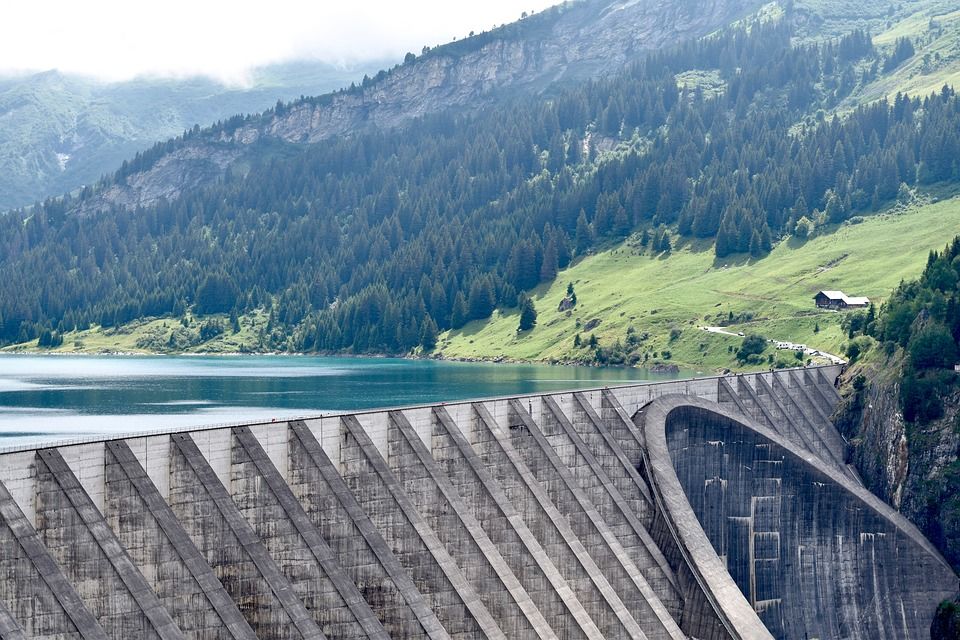
A dam is a barrier placed on a river to reduce its flow.
This creates a reservoir upstream of the dam.
Water can be released in a controlled manner to reduce flooding downstream.
Benefits:
Dams are highly effective against flooding.
Dams provide hydroelectric power, reducing the need for fossil fuels.
Areas surrounding reservoirs are often planted with trees.
Reservoirs attract tourism to the area.
Areas in and around reservoirs promote new habitats.
Reservoirs can often be used to supply drinking water.
Costs:
The creation of a reservoir requires the clearing of the nearby land, displacing farmers and homes.
Dams are very expensive to build.
Soils downstream, particularly in floodplains, can become less fertile. This affects agricultural production.
Dams can interfere with migrating species.
Algae collected behind the dam can deoxygenate the water in the reservoir.
The weight of the reservoir on the land can trigger an earthquake.
Reservoirs often flood areas of rare or endangered species.
Página 3
Channel Straightening
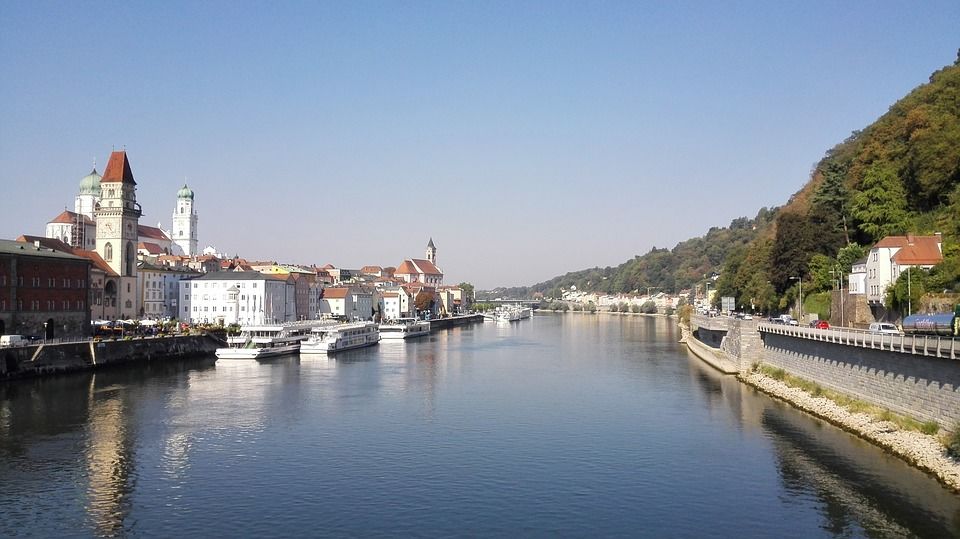
Channel straightening occurs when a meandering section of a river is re-engineered to become straight, wider, and deeper.
This reduces flood risk and improves navigation.
Benefits:
Flood risk is reduced.
There is less friction in the river and sediment can be removed more efficiently. This allows for larger ships to transverse the river.
Home owners gain confidence to invest in their property.
Costs:
This process is expensive.
When a straightened channel meets a meander, there is often increased sedimentation which can block the river and cause flooding downstream.
Changing hydrology downstream affects habitats and endangers species.
The concrete lining of a straightened river is unattractive and may block the habitats of burrowing species.
Pollution can increase on land as pollutants cannot flow into the river as easily.
Página 4
Embankments
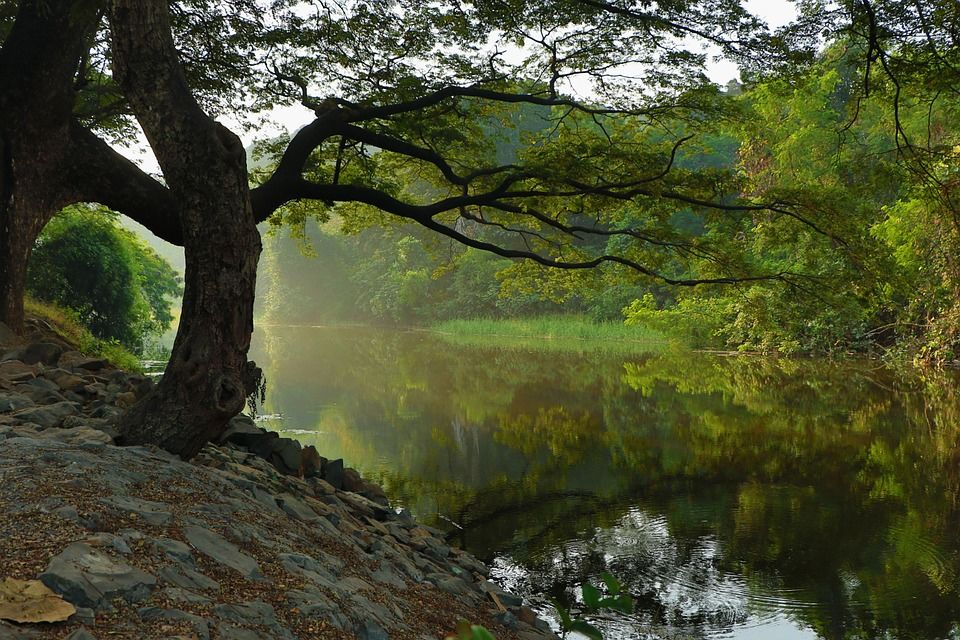
An embankment is an artificially raised river bank.
Raising the banks of a river reduces the risk of flooding.
Embankments are usually built using bulldozers and impermeable soil.
Walls are sometimes built using concrete or gabions.
Benefits:
Flood risk is reduced; rivers have an increased carrying capacity.
Embankments made from earth can create habitats for wildlife.
They are cheaper to create than other means of flood prevention.
Embankments can be used to create walking routes along the river.
Costs:
Embankments can stop boaters and fishers from accessing the river.
They are not as reliable as other forms of hard engineering.
They require higher maintenance than other forms of hard engineering because they are prone to erosion.
If the embankment is breached, water sits on the land for longer and has a restricted route back to the river.
Gabions and concrete linings separate species from their habitats and can become dangerous if broken.
Página 5
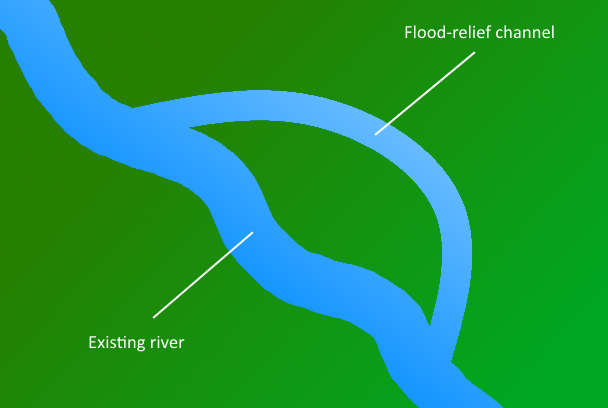
Flood-Relief Channel
Flood-relief channels act as a backup channel for a river that regularly floods.
They are artificially created to act like a bypass.
Benefits:
Reduced risk of flooding to a given area of a river.
Footpaths and cycle lanes are often built along the new channel.
Calm water provides a recreational area.
Nature reserves can be set up near the calmer water.
Insurance costs are lower in the protected area.
The value of nearby homes increases.
Costs:
People living in the path of the new channel are displaced.
Settlements downstream of the new channel are often at risk to increased flooding.
They are expensive to build and maintain.
Habitat disturbance.
The fluctuating water level in the new channel provides an unreliable habitat.
Relief channels are unattractive in times of low flow.
Página 6
Flood Plain Zoning
Flood plain zoning is where land in a floodplain is zoned to minimise the effects of flooding.
Cheaper or more seldom-used zones are placed closer to the river. This includes football pitches, grazing pasture, and empty land.
More permanent structures such as buildings are placed further away from the river, making them less likely to be damaged when there is a flood.
Benefits:
Impermeable surfaces are not placed in the vicinity of the river.
It is low cost.
Habitats near the river are protected.
Green space near towns is increased.
Costs:
This has little impact in existing cities.
It is difficult to get planning permission to rebuild homes.
Restricting building near rivers increases the problem of the housing shortage in the UK, causing inflation of existing housing.
Habitats can be destroyed due to increased building in other areas.
Página 7
Flood warnings
Advancements in meterological data handling allow for more accurate flood warnings to be given to the affected population.
Information is given on what to do in a flood and how to prepare for a flood scenario.
Specific roles in flood scenarios are split amongst emergency services and volunteer organisations.
Benefits:
This is a cheap way of protecting people and property.
Costs:
This method does not prevent damage from a flood.
Warnings are only effective if the population pay attention to them.
Página 8
Tree Planting
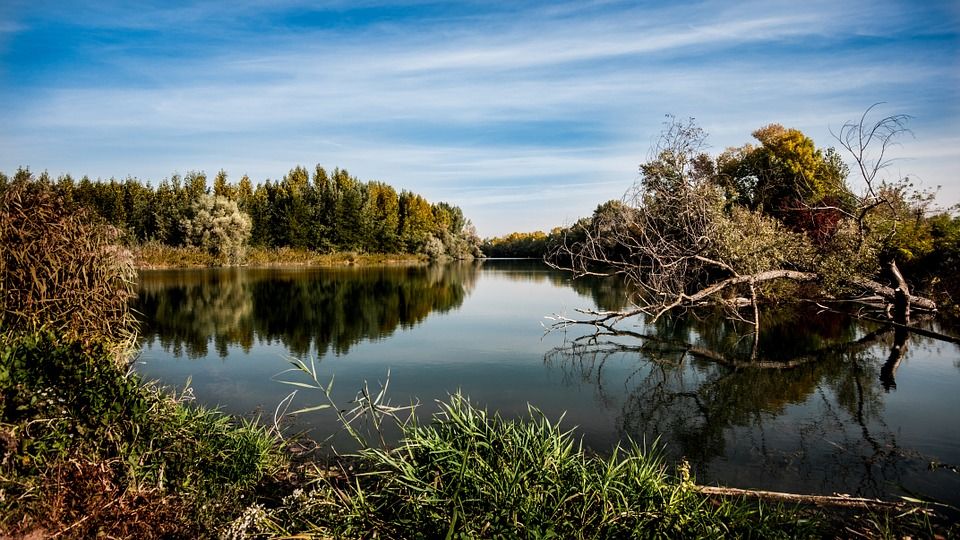
Trees are planted along the banks of rivers which are prone to flooding.
Benefits:
Reduces water flowing downstream.
Absorbs carbon dioxide from the atmosphere.
Increases biodiversity and creates habitats.
Relatively inexpensive.
Costs:
Loss of potential grazing land.
Does not prevent flooding.
Página 9
River Restoration
River restoration is when a previously hard engineered channel is restored back to its natural state..
Benefits:
Creates new wetland habitats and increases biodiversity.
Reduces risk of flooding downstream.
Aesthetically pleasing.
Costs:
Possible loss of agricultural land and flooding of crops near the river.
Can be expensive.
Not always effective.
Página 10
Conflicting views to floodplain managment
Flood mitigation and prevention schemes are often argued by the public.
At times, there must be a choice in who benefits and who suffers from these schemes.
Methods such as dams and flood plain zoning (among others) require the displacement of homes and businesses, placing the rights of those living further from the river over those living beside the river.
These methods are done with the idea of preventing flooding, not all of them work, which can bring destruction.
The building of new homes in the vicinity of rivers is often questioned. Despite the UK housing crisis, these homes do not properly provide safety for their residents.
Información
- Descripción
- El usuario ha eliminado su información de asignaturas Apunte sobre Flood Mitigation and Prevention, creado por Usuario eliminado el 21/06/2017.
- Creado por
- Usuario eliminado · jun 2017
- Actualizado
- 21 jun 2017
- Visitas
- 32
- Historial
-
- Creado por Antonia Blankenberg · 19 jun 2017
- Copiado por Antonia Blankenberg · 21 jun 2017
- Valoración