
Apuntes
Natural Resources
Contenido del apunte (4)
Página 1
Classification of Natural Resources
Biotic factors are those which are comprised of living organisms.
Abiotic factors are all of the non-living things in an area.
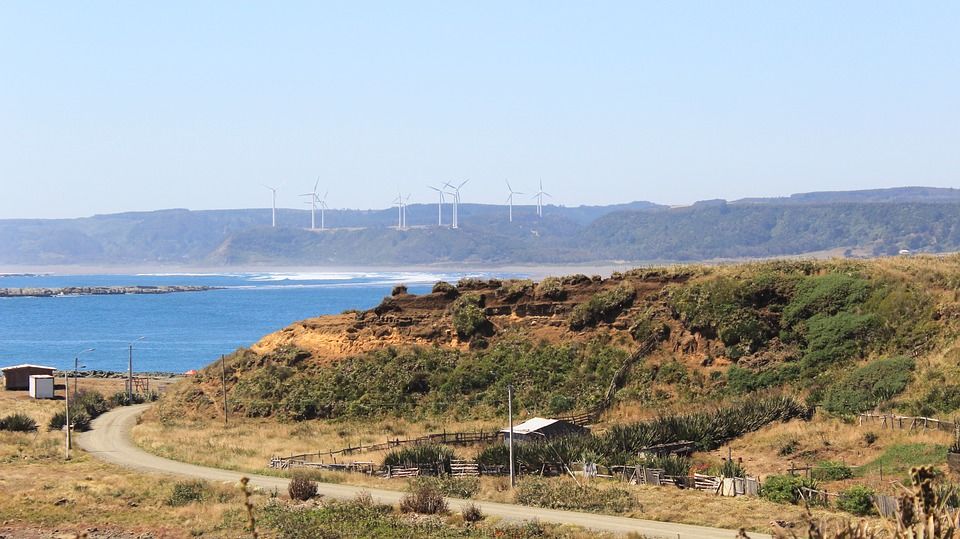
Renewable energy comes from resources that are reusable and do not run out.
Renewable resources can be described as infinite.
Examples: Solar energy, Hydroelectric power, Wind energy etc.
Non-renewable energy comes from a source that will run out.
These can be described as finite resources.
Examples: Coal, Oil, Gas etc.
Página 2
Exploiting Natural Resources
Natural resources bring three things we need for survival; food, water, and energy. Harnessing these resources unsustainably leaves a lasting mark on the landscape, especially with a growing population and growing demands for more resources.
Food:
Food is needed to fuel our bodies.
Food is produced through two methods of resource extraction; fishing and farming.
Overgrazing of the land due to livestock numbers growing causes soil erosion.
Deforestation to clear land for agriculture takes the nutrients out of fragile soil, leaving it susceptible to erosion.
Overfishing leads to a loss in biodiversity in our oceans.
Water:
Fresh drinking water is essential to survival.
Water is used for drinking, washing, and producing most manufactured goods.
The amount of water that goes into producing an item is called virtual water. This water is usually used unnoticed; for example, 91 litres of water goes into making 1 pound of plastic and 40 litres of water are used to make one slice of bread.
Water sources are often misused or polluted.
In many areas including the UK, groundwater is being used faster than it is being replenished by rainfall. This affects biodiversity.
When water is used for mineral extraction, minerals can be washed into rivers and oceans, killing aquatic species and poisoning drinking water for humans.
In many countries, rivers are used for the disposal of untreated sewage, this poisons the water.
Energy:
Energy is used in the production of goods and services, transport, and powering homes.
The amount and type of energy used by people varies by location and wealth.
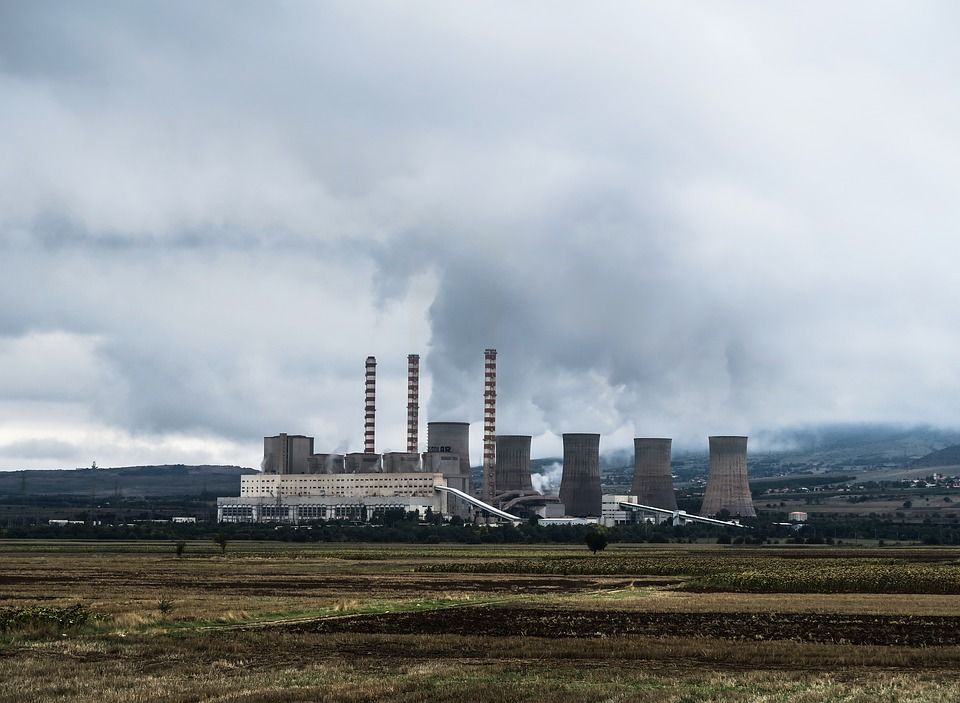
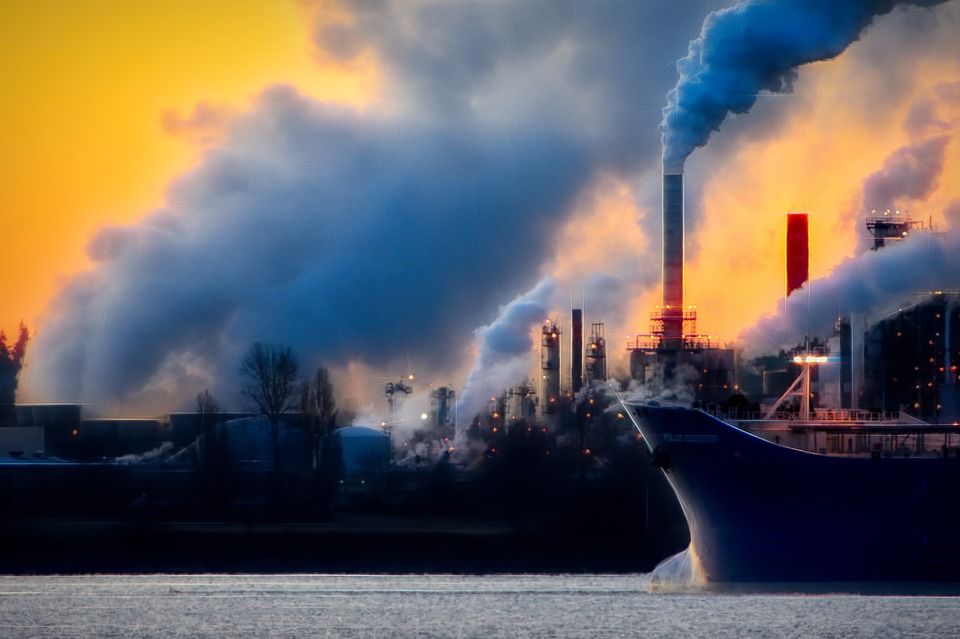
Most energy comes from fossil fuels. These fuels are non-renewable, release carbon dioxide and contribute to climate change.
Burning coal can lead to acid rain.
The extraction of fossil fuels can release sulphur dioxide and carbon monoxide into the atmosphere.
Exploitation of fossil fuels has a global effect.
Página 3
Global Distribution and Consumption of Resources
Food:
High-income countries have the highest levels of food production and consumption.
Average caloric intake in developed countries is approximately 3,000 calories.
Most developed countries have good soils that can be used for intensive agriculture.
Low-income countries have higher rates of hunger and malnourishment, this is mostly in the Global South.
These countries have the largest proportion of the world's population and the fastest population growth. This puts increasing pressure on these areas.
Developing countries tend to have poor soils and poor governance.
The majority of the agricultural produce in these areas is exported.
Most people practice subsistence farming.
Average caloric intake in poor countries is approximately 1,500 calories.
Water:
Water footprints are calculated to measure water consumption
The global average water footprint is 1,240 litres of water per person per day.
In the US (Global North), this figure is 2,483 litres and this figure is 896 litres in Bangladesh (Global South).
Many countries in hot climates suffer regular droughts and suffer from water scarcity.
Other countries may not have money to effectively access clean water and others may have polluted water systems.
Countries in continental Africa and parts of India in particular suffer from water scarcity.
Energy:
The richest one billion people in the world consume 50% of the worlds energy supply.
The poorest one billion people consumer 4% of the world's energy supply.
The level of development of a country determines the amount and type of energy being consumed.
Although developing countries have the largest supply of oil and gas, they tend to consume less energy.
As a country develops, manufacturing increases and more energy is consumed in large factories in addition to homes.
Richer countries tend to have more money to invest into renewable energy schemes.
Página 4
The UK's Natural Resources
Soil and Agriculture:
The UK has a wide variety of landscapes and soils, meaning that there is a wide choice of crops and animals that can be farmed.
Many different types of arable and pastoral farming are practiced.
Areas of Kent, Sussex, and Devon have begun to grow vines to produce British wine.
Forestry:
The UK has many woodlands.
Some of these are under private ownership and some are owned by the Forestry Commission.
Forestry is concentrated in the north and northwest where the climate makes farming more difficult.
Fossil Fuels:
The UK has small supplies of coal, gas, and oil.
Coal has been mined for the longest amount of time in South Wales, Kent, and the Midlands.
Today the coal industry is small and focuses on open-cast mining.
There is an onshore oilfield at Poole Harbour.
Water Supply:
The UK receives high levels of rainfall, but this does not fall in the areas with the highest population densities.
Supply can become short in the summer if there was a dry spring
Información
- Descripción
- El usuario ha eliminado su información de asignaturas Apunte sobre Natural Resources, creado por Usuario eliminado el 29/06/2017.
- Creado por
- Usuario eliminado · jun 2017
- Actualizado
- 29 jun 2017
- Visitas
- 87
- Historial
-
- Creado por Antonia Blankenberg · 23 jun 2017
- Copiado por Antonia Blankenberg · 29 jun 2017
- Valoración