
Apuntes
Energy Management into the Future
Contenido del apunte (5)
Página 1
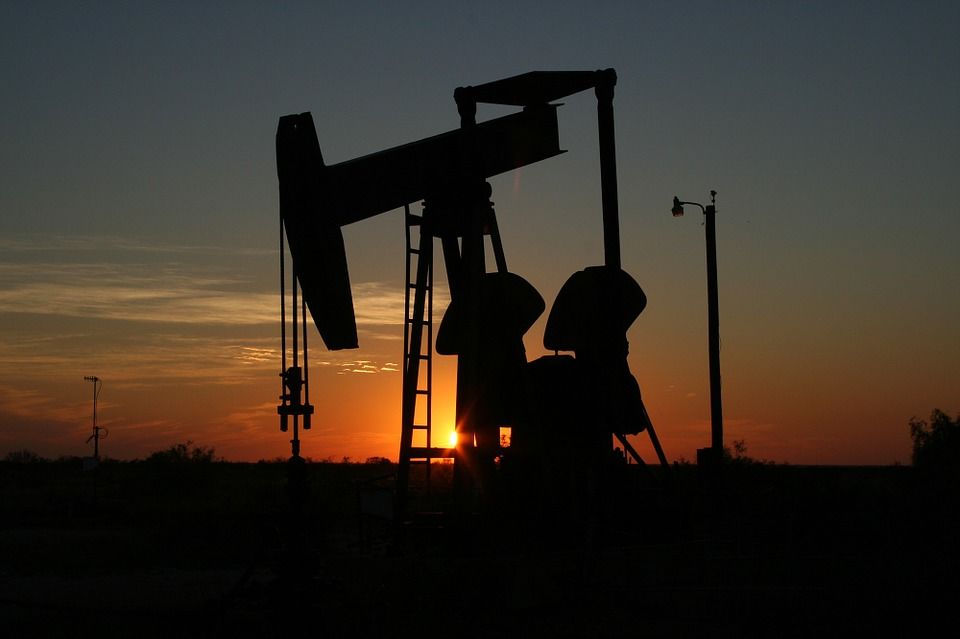
Do fossil fuels have a future?
Fossil fuels have a huge impact on the environment.
Growing concerns about climate change and greenhouse gas emissions are pushing governments to decrease the amount of fossil fuels being used.
However, these fuels provide the majority of the world's energy, meaning that this change will be difficult.
There has been a push to move to natural gas, the "cleanest" fossil fuel until reliance on fossil fuels has decreased.
Global reliance on these fuels to maintain energy security will cause problems for the planet into the future.
Página 2
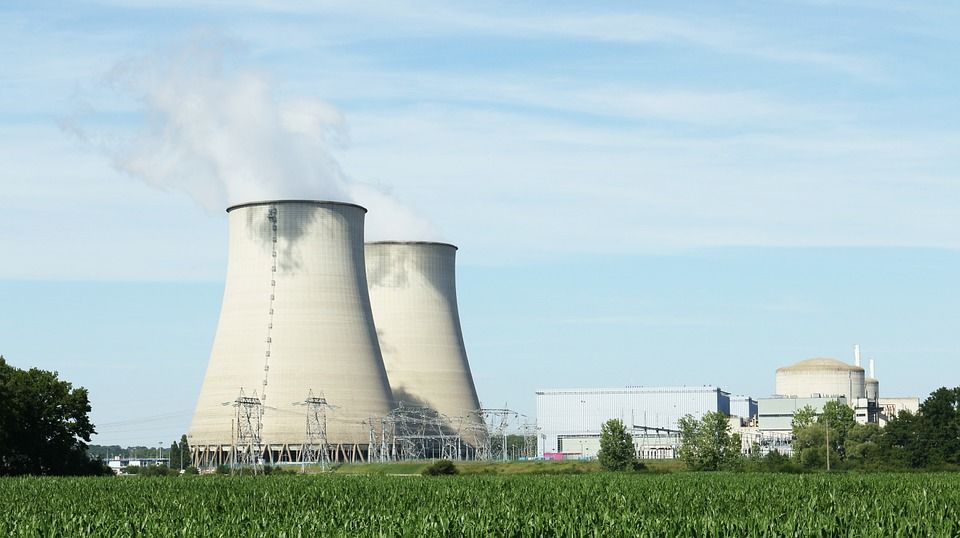
Nuclear Energy in the Future
Approximately 5% of the world's energy today comes from nuclear power.
The power created from nuclear fission generates electricity for consumption.
Uranium is the main chemical used for this; this process is used to create heat which turns turbines.
Harvesting nuclear energy is technically non-renewable, but the amount of uranium needed is very small.
Nuclear power into the future is debatable; many developed countries, such as Germany, are pushing for a non-nuclear strategy.
Nuclear power can be dangerous if the power plant becomes damaged.
Página 3
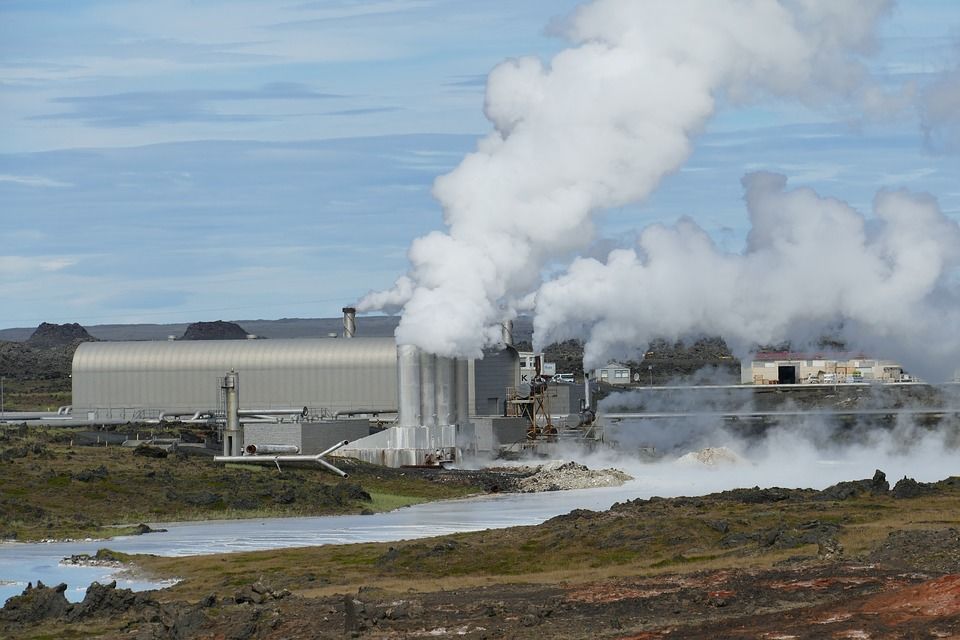
Renewable Energy in the Future
Despite pushes towards renewable energy, only 10% of the world's energy comes from renewable sources.
The main renewables being used are hydroelectric and wind power.
Biofuels are beginning to be used, but still lead to greenhouse gas emissions.
It is hoped that new technologies will make geothermal, tidal, and wave power more efficient and economical to harvest.
There is often dispute around renewable energy; while people want greener power sources, the flooding of areas for dam building and the building of wind turbines leads to public outcry and anger from the tourist industry.
Página 4
Factors Affecting UK Energy Supply in the Future
The UK needs to be pushed to use more renewable energy.
Despite there being an increase in recent years, the proportion of our energy coming from renewables is far too low.
The UK is planning to run out of its oil resources in the next 4 years.
There have been discussions around new developments in resource extraction, namely fracking.
Fracking is a way to access new supplies of gas and coal from shale rocks that were not accounted for previously.
This method would decrease UK energy insecurity into the future, but is often argued against for several reasons:
Fracking is very water-intensive, which brings it into conflict with other water users, particularly those involved in agriculture.
The fuel created from fracking is higher in carbon emissions than other fossil fuels, leading to an increased greenhouse effect.
Harvesting the fuel requires a lot of energy for a very low net gain.
The UK government is offering to give tax incentives to companies that develop fracking sites.
Página 5
Sustainable Use and Management
To be sustainable, the world needs to reduce the amounts of fossil fuels being used to decrease carbon emissions. The main way for the population to do this is through conservation.
New homes can be designed with better insulation and renewable energy sources.
Older homes can replace boilers, windows, and insulation to reduce the amount of heat being lost during the winter.
Smaller actions like turning off lights when they are not needed, switching to energy-efficient technologies, and reducing the use of technology can also help to reduce emissions.
A move can be made to use cars less by using buses and bikes, or by walking more.
People can approach their local representatives to push for renewable energy to be adopted in their area.
Información
- Descripción
- El usuario ha eliminado su información de asignaturas Apunte sobre Energy Management into the Future, creado por Usuario eliminado el 29/06/2017.
- Creado por
- Usuario eliminado · jun 2017
- Actualizado
- 29 jun 2017
- Visitas
- 13
- Historial
-
- Creado por Antonia Blankenberg · 26 jun 2017
- Copiado por Antonia Blankenberg · 29 jun 2017
- Valoración