
Apuntes
Preventing Disease: 18th and 19th Century
Contenido del apunte (6)
Página 1
Application of Science
Cold Water Treatment:
Widely believed that the waters in locations such as Buxton and Bath were beneficial to health, acting as preventative measures and cures
People recommended others to swim in the ocean
While some, had their own 'plunge pool' of cold fresh water in the garden
Later in the period, people began cold bathing indoors
People also believed drinking a litre of cold water in the morning would clear out any impurities
These measures mainly were adopted by wealthy people
Child-bed fever:
Alexander Gordon a naval surgeon was the first to notice this
While in London, Gordon studied the outbreak of child-fever and worked out what caused the deaths
Gordon noticed that women who were treated in outlying villages by the wise woman or midwife rarely caught the fever
Those treated by doctors or midwives frequently moving between patients were more likely to die
Gordon's cure was simple: people practising medicine should wash their clothes and hands frequently to limit the spread of disease
Rise of the scientific method:
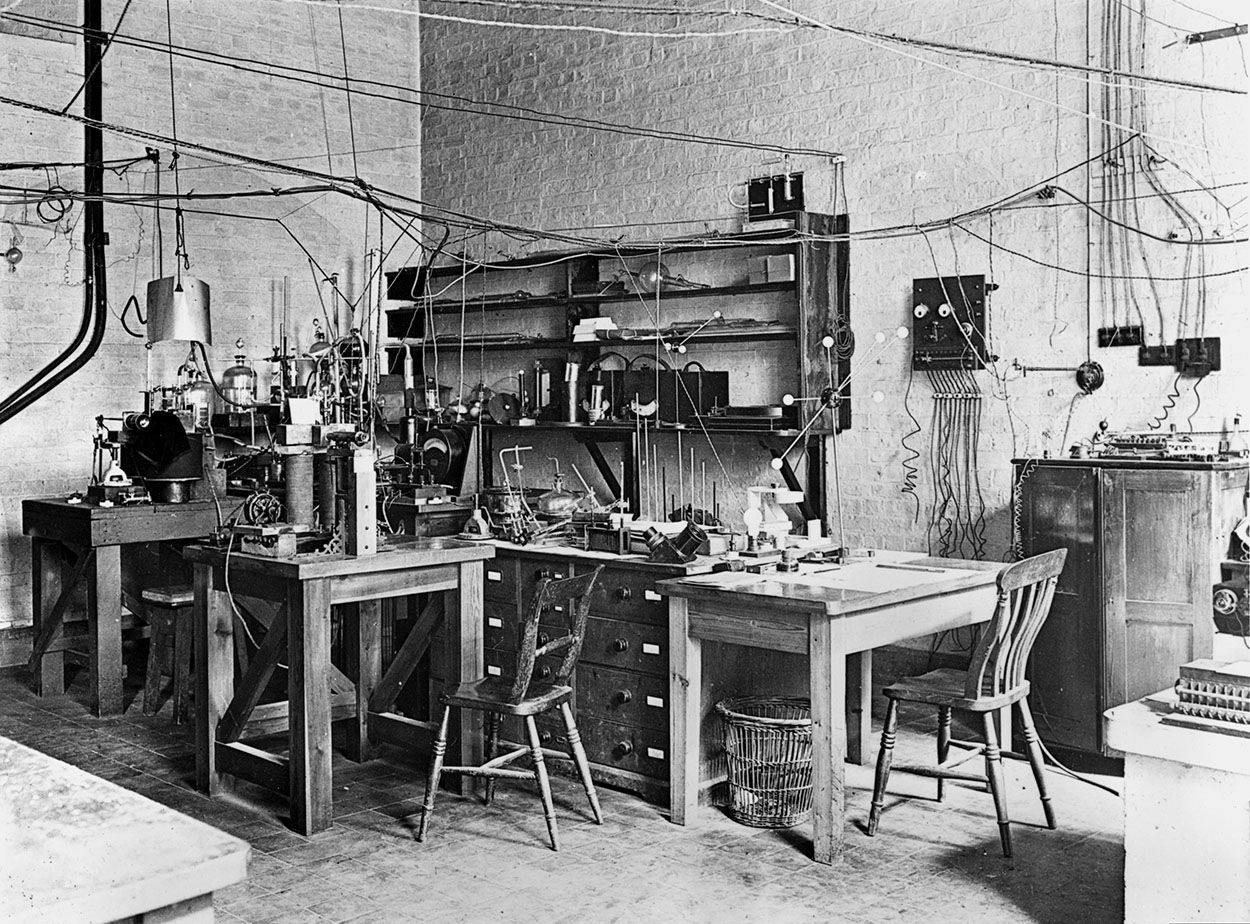
A series of inventions helped to keep people healthy at this time
Microscope: seeing infections
Stethoscope: listen to a patient's breathing
Kymograph: measures a person's blood pressure
Doctors had access to all this equipment by the 19th century. Many scientific papers surfaced at this time too. In 1753, James Lind identified the cause of scurvy. During the 18th century, many texts were written of scientific investigation into illness. The publishing of these papers helped with treatment and prevention of illness.
Página 2
Application of Science: John Snow
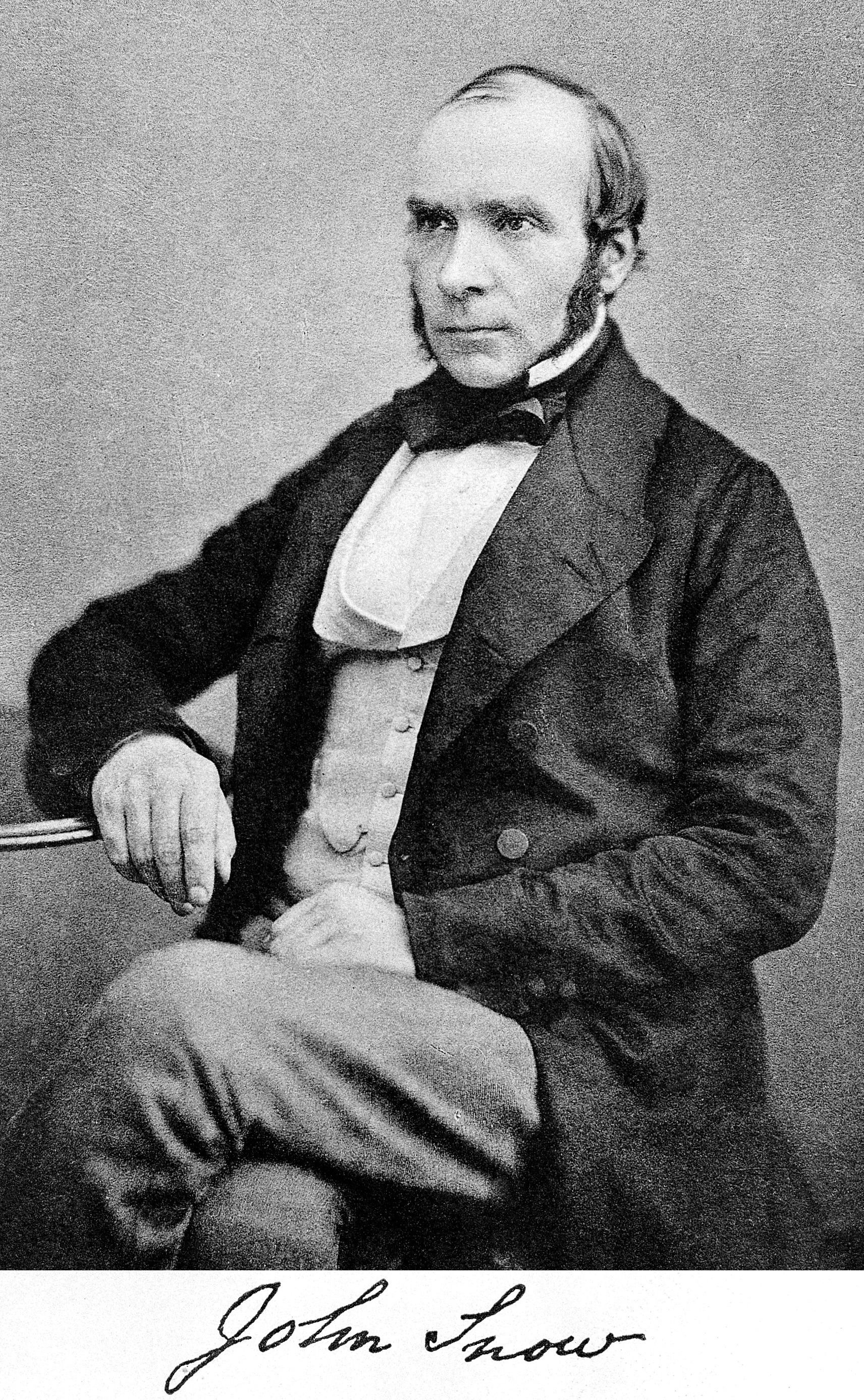
One of the best examples of the application of science during the 19th century was the efforts of John Snow during the cholera epidemic in London in 1854. Snow created a street map marking all of the cases of cholera that occurred around his surgery. Through statistics, Snow illustrated the link between cholera deaths and different sources of water quality.
Snow demonstrated that the Southwark and Vauxhall Waterworks Company was drawing water from sewage-polluted sections of the Thames. This water was delivered to homes where there was an increase in the incidence of cholera.
Eventually, Snow concluded that the source of the infection was one particular water pump located on Broad Street. He took the handle off the pump and this forced residents to obtain their water from elsewhere. After this, the spread of cholera declined.
Página 3
Application of Science: Edward Jenner
Smallpox:
This is an acute contagious disease that is caused by the variola virus
Smallpox was declared eradicated following a global vaccination campaign in 1980 led by the World Health Organisation
In earlier times, 30-60% of those who caught smallpox died
Smallpox had long been endemic in Britain from the 17th century
1796 - an endemic killed 35,000
1837-1840 - 42,000 were killed
Queen Mary died of smallpox in 1694
Vaccinations date from the 18th century but before that inoculations were utilised
Lady Mary Montagu, whose husband was the Ambassador to the Ottoman Empire, introduced the inoculation to England in 1721
An inoculation involved introducing a mild form of smallpox to the body, so that the person would fight of the disease and become resistant to stronger versions
Edward Jenner:
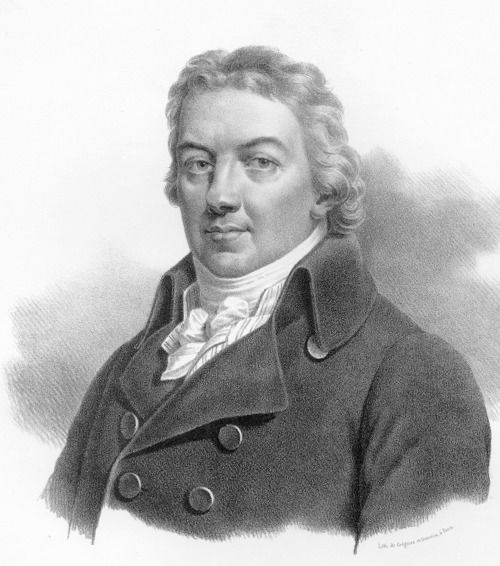
Jenner was a country doctor from Gloucestershire who studied in London. Through his experiments on local people he found a cure for smallpox:
He chose a 9 year old boy, James Phipps, who had neither cowpox or smallpox
He injected the boy with pus from the sores of a milkmaid who had cowpox
James developed cowpox but then recovered
Jenner then gave James a dose of smallpox; turns out James was immune to the smallpox
Jenner proved that an injection of cowpox prevented smallpox
He submitted a paper to the Royal Society in 1797 but was asked for more evidence. Jenner carried out more experiments keeping detail of all that happened. In 1798, he published An Inquiry into the Causes and Effects of the Variola Vaccine, or Cow-Pox. In 1807. the Royal College of Physicians confirmed the success of the vaccine.
Impact of the vaccine:
Many felt it was wrong to inject pox into humans, while others argued this was God's punishment and people should not interfere
Others thought it should be up to the parents to decided whether to treat their children or not
1840 - as a result of the deadly epidemic since 1837, the vaccination was made free to all infants
1852 - the vaccination was made compulsory, but not strictly enforced
An anti-vaccine league was established in 1866 in opposition of compulsory vaccination
1871 - the government introduced fines for parents not vaccinating their children
1887 - once the death rate had dramatically reduced, the government introduced the right for parents to refuse vaccination
Página 4
Influence and Spread of Inoculation from 1700
In the 20th century, diseases such as smallpox, polio, measles and whooping cough that once killed many children, had almost been eliminated via vaccination programmes. The World Health Organisation led many campaigns to eliminate diseases across the world. In England, many vaccines were introduced following World War Two:
1955 - Polio vaccine
1963 - measles
1988 - MMR (measles, mumps and rubella)
1994 - Hepatitis B
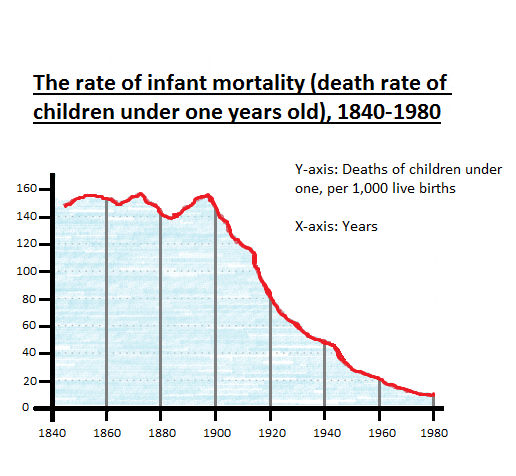
Moreover, the infant mortality rate has dropped significantly, as seen in the diagram below. Most of this effect is from immunisation.
Página 5
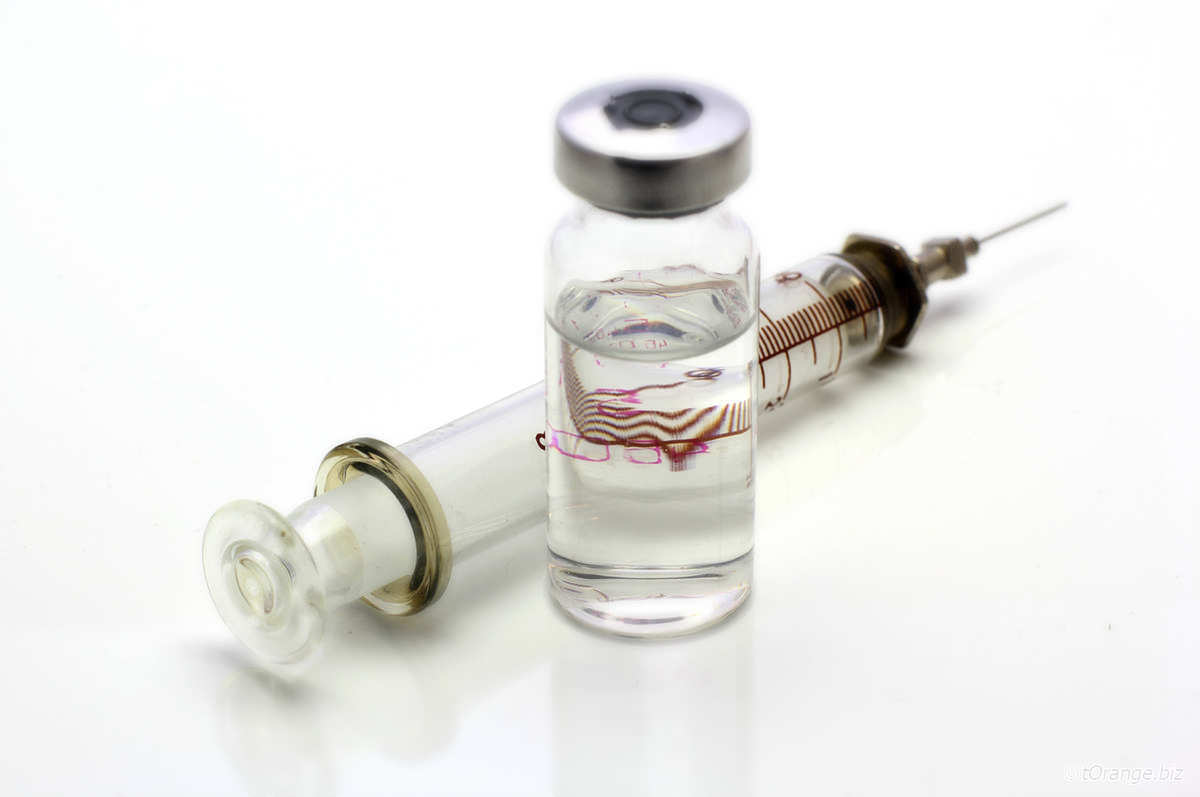
The MMR Debate
In 1998, Dr Wakefield published a paper in the Lancet (medical journal) suggesting there was a link between MMR, given routinely to young children, and autism. The paper was a small study that showed being vaccinated with the MMR vaccine led, in some cases, to the development of autism. Even though this was unverified by any other researcher and backed up by preliminary results, the media made a huge story out of it. For a vaccination programme to be successful at least 95% of the target population must be vaccinated.
Fierce debate had fostered around the topic of vaccines and the argument has boiled down to: do people have the choice whether or not to be vaccinated? Especially, can parents make the choice about vaccinating or not vaccinating their children?
Dr Wakefield's study has been dismissed by medical professionals and labelled as bad science. Even so, uncertainty still surrounds the questions of vaccines.
Página 6
Development of Science
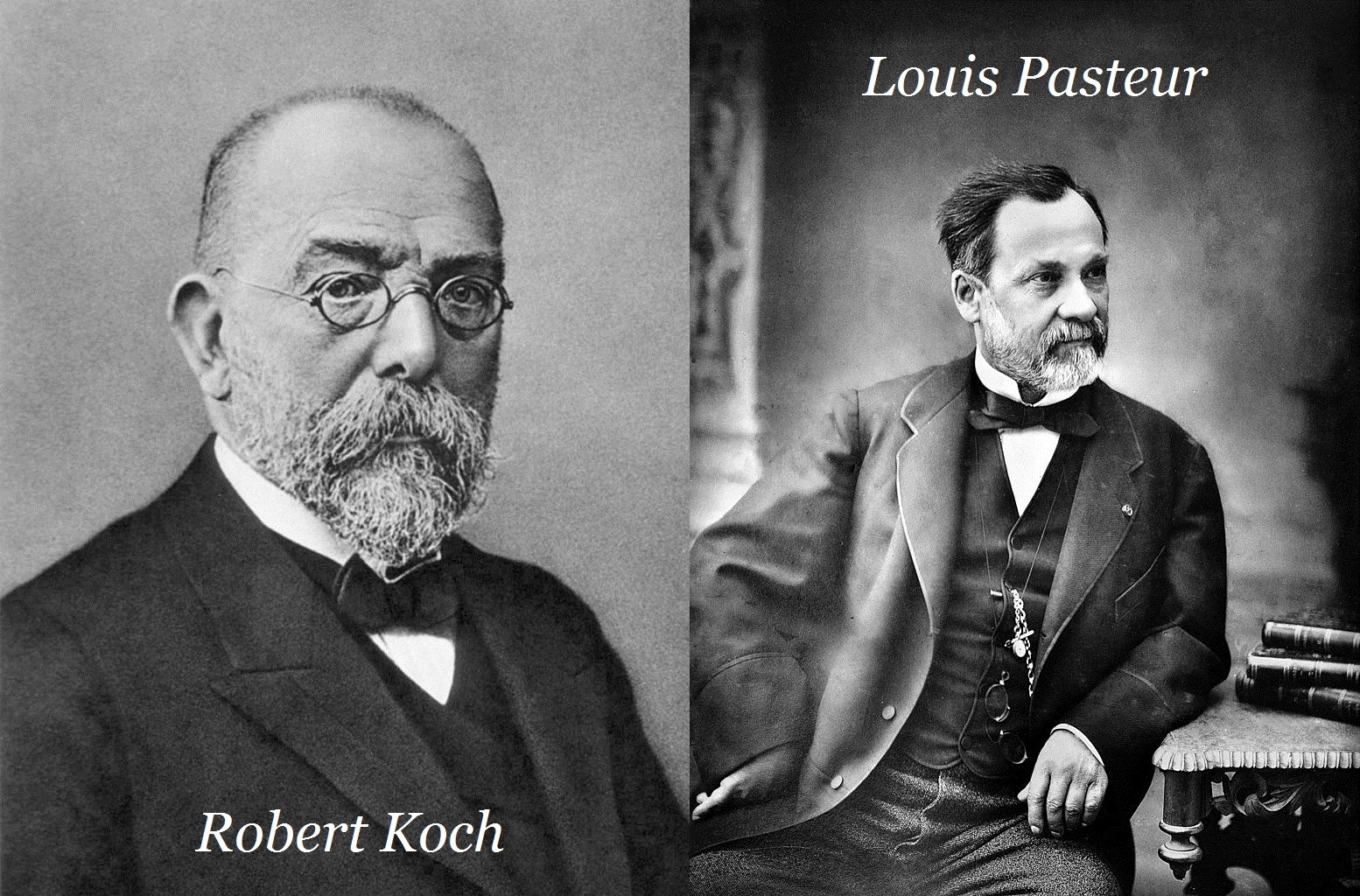
Jenner and Snow both made massive strides in the prevention of disease in the 18th century without being able to prove scientifically why the methods they developed worked. In the late 19th century, Louis Pasteur and Robert Koch developed scientific explanation.
Louis Pasteur, Robert Koch and germ theory:
Pasteur was a French scientist working in Paris where he discovered germ theory. He proved that tiny organisms known as bacteria produced many diseases and in order to prevent disease you just had to kill the bacteria. Koch, a German scientist, took Pasteur's work a step further by identifying the various bacteria that caused specific diseases. Koch also realised that antibodies (a natural defence mechanism of the body against germs) could aid in destroying bacteria and build immunity against the disease.
The discovery that one antibody worked specifically on one bacteria was crucial to understanding bodily defence against disease. This backed up the idea that introducing a weakened form of the disease into the body would allow a person to fight off a stronger strain.
Información
- Descripción
- El usuario ha eliminado su información de asignaturas Apunte sobre Preventing Disease: 18th and 19th Century, creado por Usuario eliminado el 18/07/2017.
- Creado por
- Usuario eliminado · jul 2017
- Actualizado
- 18 jul 2017
- Visitas
- 62
- Historial
-
- Creado por Andrew Burke · 13 jul 2017
- Copiado por Andrew Burke · 18 jul 2017
- Valoración