
Periglacial Processes and Landforms
Diapositivas del conjunto (13)
-
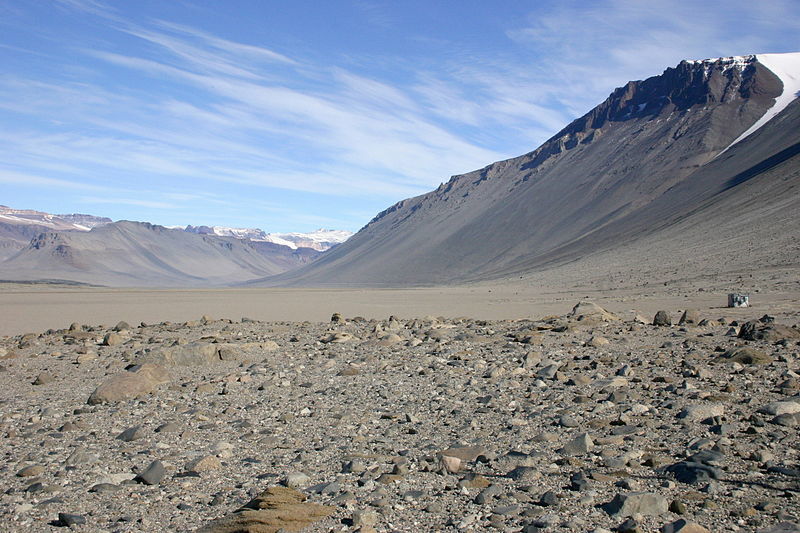
- Periglacial environments develop distinctive geomorphology because of four basic processes:
- Freeze-thaw weathering
- Contraction and cracking of rapidly freezing soils
- Migration of sub-surface water
- Mass movement
-
Periglacial Processes: Mass Movement
- Solifuction:
- The slow downslope flow of soil and sediment that is saturated with water
- Can occur on very shallow grades
- Forms solifluction lobes, tongue like semi-mixed surface deposits
- Confined to times when temperatures are well above zero and free liquid water is available
- Very common when surface sediments are poorly drained
-
- Gelifluction:
- A form of solifluction where the moving materials slide over a slick permafrost layer
- Frost Creep:
- The slow downslope movement of soil and sediment because of frost heaving and thawing
- Freezing of the ground surface elevatss particles at right angles to the slope due to expansion
- Thawing causes the ice to convert back to liquid water and the surface drops in elevation
- Influenced by gravity which causes particles to move slightly downslope
- Rockfalls:
- Exposed rock on slopes is subject to harsh conditions
- Caused by extreme freezing and thawing along the joints and bedding planes of rocks
-
Periglacial Processes: Ground Ice
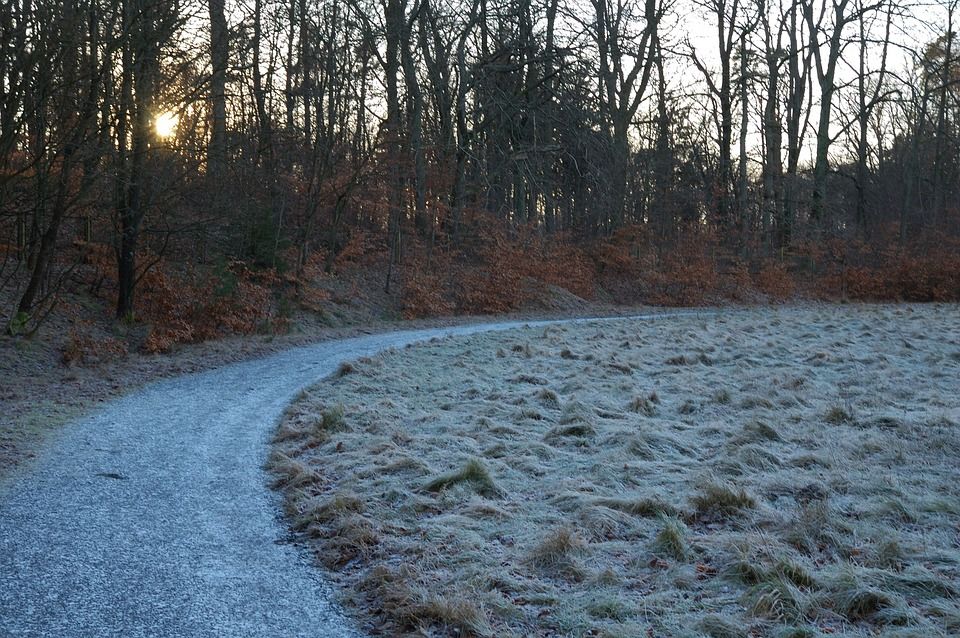
- Surface soils in periglacial environments are frequently influenced by a variety of different types of ground ice.
- Pore ice develops in the pores between soil and sediment particles where liquid water can accumulate and freeze.
- Needle ice consists of groups of narrow ice slivers that form in moist soils when temperatures drop below freezing overnight. On sloped surfaces, needle ice can also enhance soil creep.
-
Periglacial Processes: Nivation
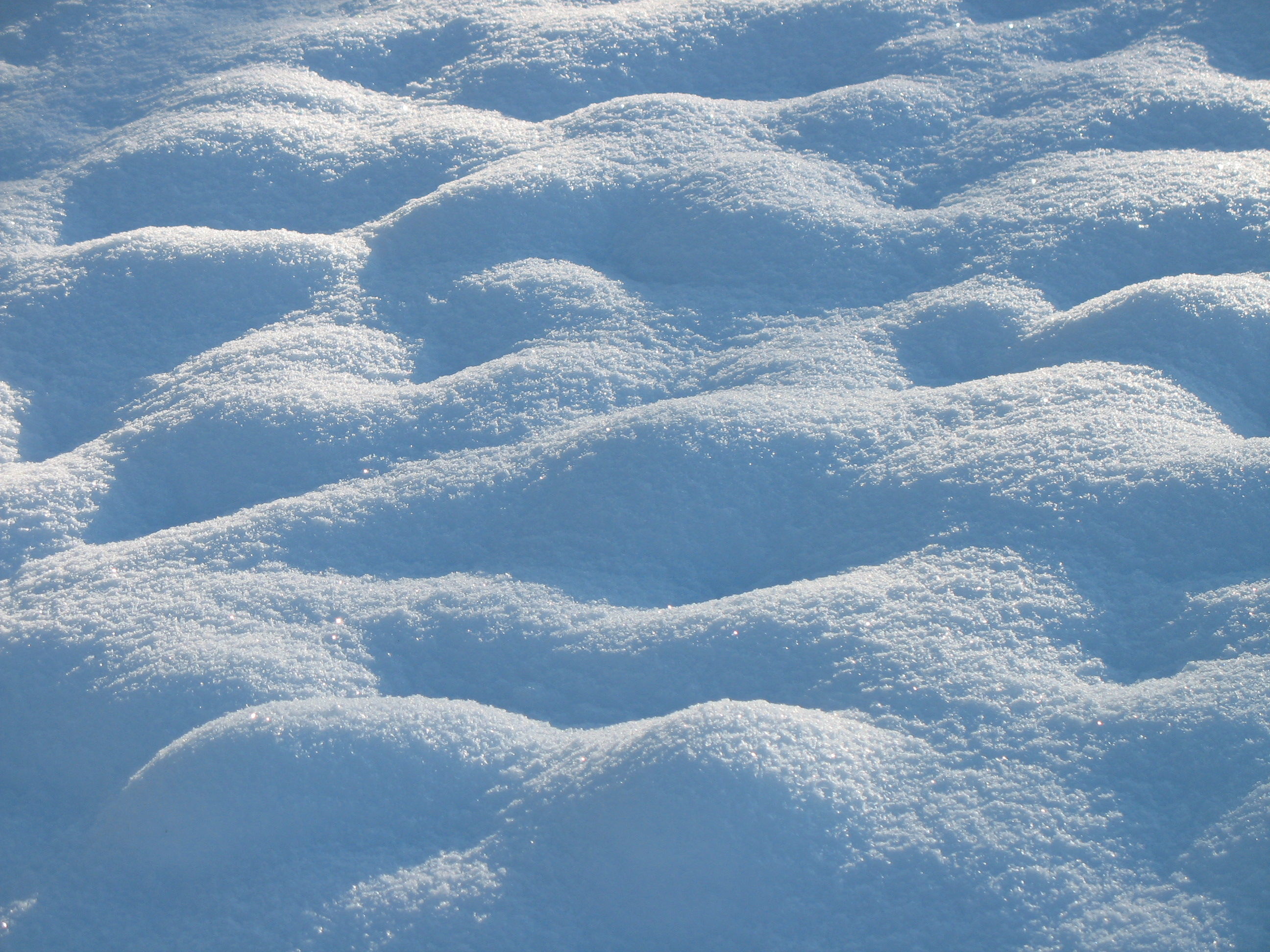
- Nivation is the localized form of erosion associated with isolated patches of snow that remain through the summer season.
-
- Nivation is mainly based on freeze-thaw weathering.
- Melted snow can also trigger mass movements such as solifluction and slope wash.
-
Periglacial Landforms: Nivation Hollows
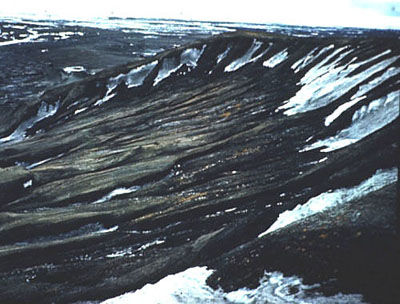
- Nivation hollows form where fallen snow is protected from melting. This is common on slopes that face northeast in the Nothern Hemisphere.
- The fallen snow is compacted by further snow and melts into a névé (snow that has been melted and refrozen).
- Weathering can damage the soil and rock around the patch of snow, causing slope failure.
- Erosion from meltwater can wash sediment away from the snow patch.
- This causes a hollow to form around the snow patch.
-
Periglacial Landforms: Ice Wedge Polygons
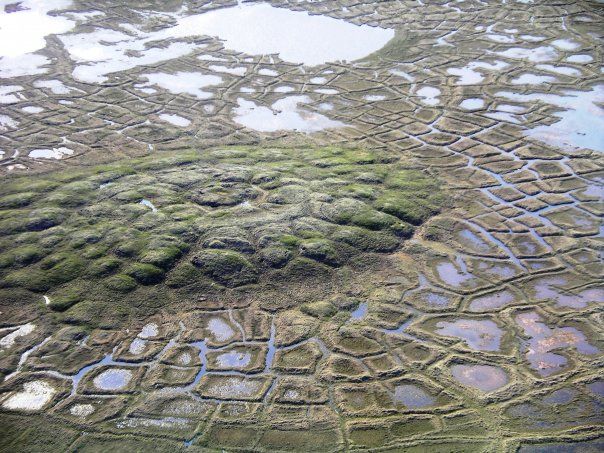
- 5-30m across
- Found on valley floors
- Formed by frost cracking
- When the active layer of ice thaws, ice wedges can begin to form as water flows into cracks in the surface
- This water freezes and expands, causing the crack to get bigger
- This separates the surface into polygons
-
Periglacial Landforms: Patterned Ground
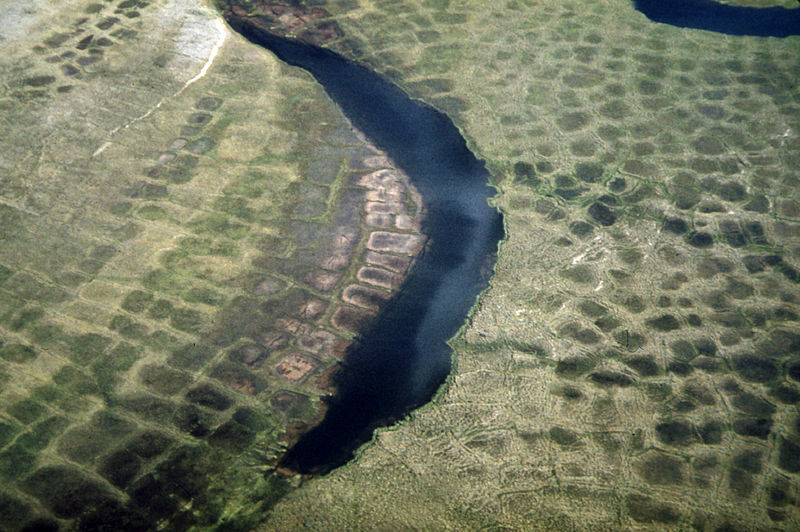
- Features including circles, nets, polygons, steps and stripes in the surface
- Formed by freeze-thaw action selectively moving coarse particles to the edge of the shape or to its surface
-
- Usually start off as circles and change over time
-
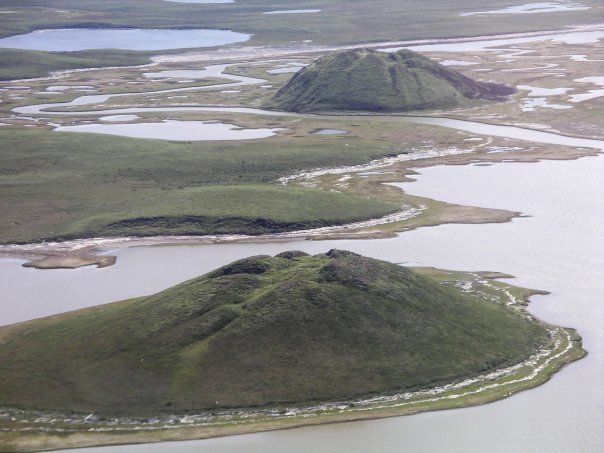
- Pingos are ice-cored hills with a height between 30- 70m and a diameter between 100-500m
- Can be either conical or elongated
- The growth of ice cores forces up the overlying sediment, causing dilation cracks
- Once the ice core is exposed through the cracks, it melts and causes a crater to form in the centre
-
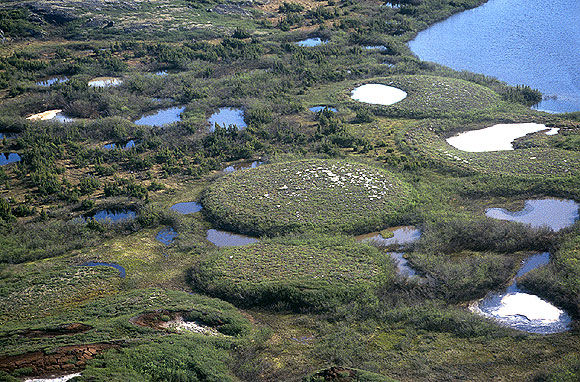
- Palsas are ice-cored peat mounds
- Range from 1-7m high, 10-30m wide and 15-150m long
- Most common at the southern margin of the permafrost zone
- Form when areas of reduced snow cover allow frost to penetrate more deeply into an unfrozen peat bog
-
Periglacial Landforms: Block Fields
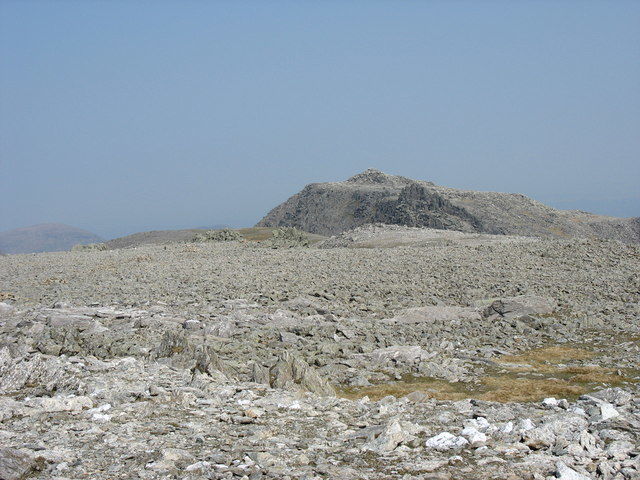
- Block fields are accumulations of angular, frost-shattered rock
- These pieces of rock pile up on flat surfaces
- Formed in situ
-
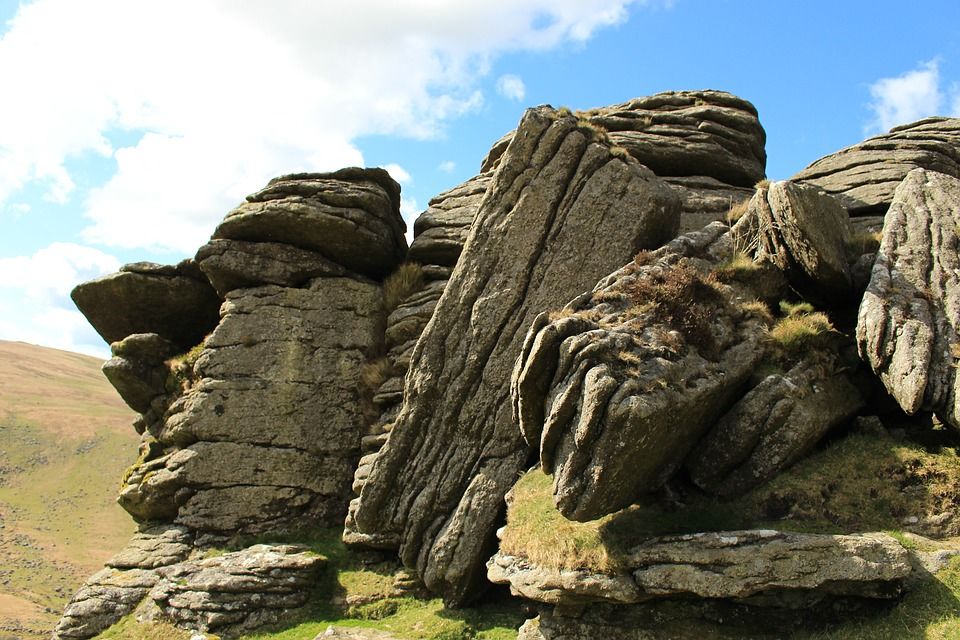
- A tor is a mass of rock that caps a hill
- They form from more resistant rock
- Usually less than 5m high
-
Periglacial Landforms: Scree/Talus Slopes
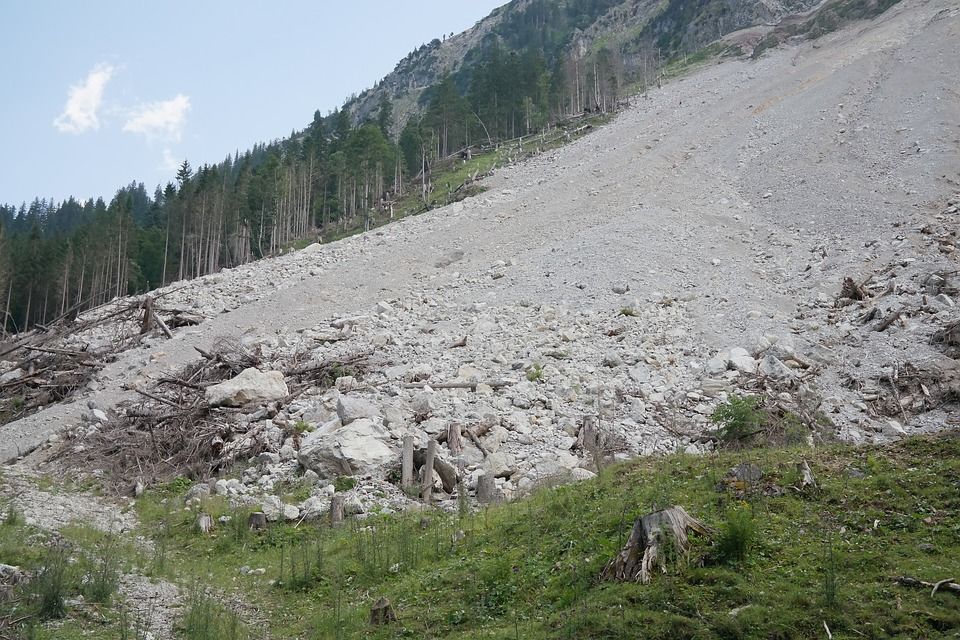
- Formed by frost-shattering
- Formed when rock fragments fall and accumulate at the base of hills
- The larger the rock material, the steeper the slope
- Slope is a reflection of rock type
-
Periglacial Landforms: Pro-Talus Ramparts
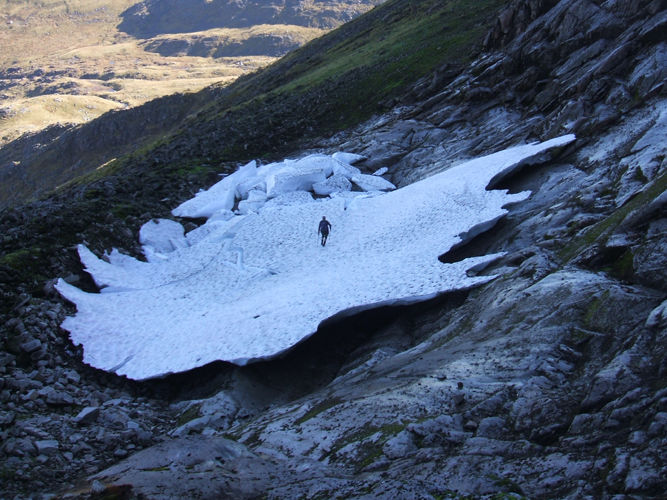
- Created when a patch of snow settles at the base of a cliff
- The snow acts as a buffer for falling frost-shattered rock
- The rock settles at the bottom of the patch of snow
- A pile of rock is left when the snow melts
Información
- Descripción
- El usuario ha eliminado su información de asignaturas Diapositivas sobre Periglacial Processes and Landforms, creado por Usuario eliminado el 15/08/2017.
- Creado por
- Usuario eliminado · ago 2017
- Actualizado
- 15 ago 2017
- Visitas
- 34
- Historial
-
- Creado por Antonia Blankenberg · 11 ago 2017
- Copiado por Antonia Blankenberg · 15 ago 2017
- Valoración