
The Police Force
Diapositivas del conjunto (8)
-
- From the year 1900, every single area across mainland Britain had its own police force. Two hundred separate forces existed at this time, but there were no central criminal records and information was not shared between forces.
- A normal day for a police officer was spent walking around, patrolling the streets in the local area. During the 20th century many advances occurred (see Policing Changes in the 20th Century) that led to many changes in policing. Moreover, these changes added to the cost of running the force.
-
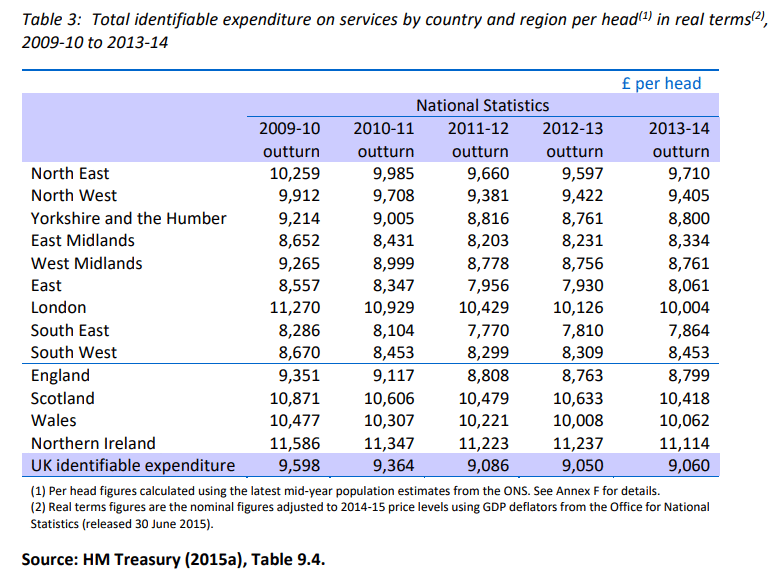
- Pie de imagen: Some recent information on police force expenditure
-
- Preventing Crime:
- 1967 - breathalysers were introduced allowing police to test blood alcohol levels of motorists.
- 1992 - speed cameras were introduced
- CCTV meant people were less likely to commit crime as they were being filmed
- Computer software enables police forces to analyse and broadcast large amounts of data
- Use of unique body characteristics such as fingerprints to restrict access to classified places or material
- Solving Crime:
- Digital technology enables police to record and share information straight after the crime or from the crime scene
- Forensic teams solve crimes through collecting evidence (DNA, fingerprints). This can be used to match with criminals in databases
- 2015 - National DNA Database holds 5.7 million single DNA profiles
- Updated software allows police to analyse videos to identify criminals
-
- The development of specialised units in the British police force was in order to deal with more specific types of crime more efficiently. They usually are a result of changing social circumstances. For example, the Metropolitan Police Bomb Squad that was established in 1971 to cope with Irish Republican Army (IRA) terrorist attacks.
- Further, groups such as the National Hi-tech Crime Unit (2001) were established to cope with the increase in cyber crime (hacking, credit card theft, viral ransom attacks) in the the digital age.

-
- Fraud Squad:
- 1946 - founded in London to tackle business and stock market crime
- Police officers were experts in finance and business; tackled crimes with high-value sums of money
- Known today as the Specialist, Organised and Economic Crime Command
- Specialist Drug-Trade Units:
- 1971 - Misuse of Drugs Act made substances (heroin, cocaine, cannabis) criminal offences to possess
- Special operation units tackle drug crimes in this manner:
- Preventing and disrupting criminal organisation and activity
- Watching known drug users
- Nation Crime Agency (2013) fights drug-trafficking into Britain and drug production within the country too
- Uses gathered intelligence to stop and disrupt drug smuggling networks
- All local police forces have units to deal with drug storage and supplies by criminals
-
- Dog Handling Units:
- 1938 - first trained policed dogs (Labradors) were utilised in London
- Specialised dog unit was introduced in 1946 to the Metropolitan Police
- Why use dogs?
- Ability to sniff out drugs
- Can track down explosives
- Track and catch criminal offenders
- Search for missing persons
- Add to the overall strength of the force
- Special Branches:
- Each police force has a Special branch that works with MI5 (security service) to deal with matters of national security and terrorism. Extensive and thorough surveillance allows local police to prevent local terrorist threats and protect the public.

-
Development of Crime Prevention
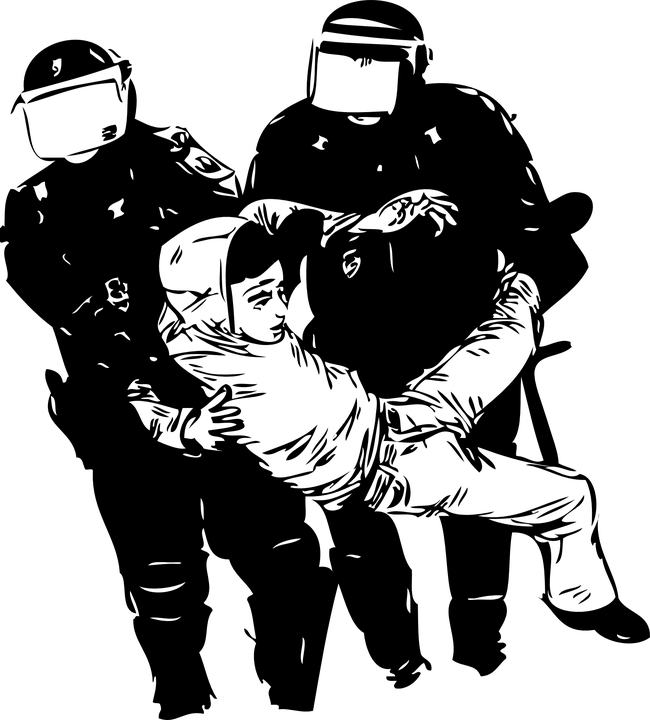
- In the 21st century, police forces have increasingly focused on preventing crime. This varies from teaching school kids about the risks of committing criminals offences to getting involved in neighbourhood watch schemes.
- Police forces go through the process of making risks and assessments of those people likely to commit crimes and use this to plan how they can tackle crime and advise the public too.
- Police Community Support Officers (PSCO) focus particularly on crime prevention. They focus on reducing the factors that might lead to crime.
-
Prevention - Neighbourhood Watch
- This is a local committee of people who raise awareness and encourage others to be vigilant of crime. The first neighbourhood watch surfaced in 1982. Estimates today illustrate 3.8 million households are now involved. The Neighbourhood Watch aims to help the police in a number of ways: encourages local vigilance by reducing the fear of crime by uniting the community and reporting crime to the police.
- In the 1980s, Margaret Thatcher as prime minister wanted to increase the role of the individual in society. Government promoted a policy of active citizenship under the banner of crime prevention. Initially, Neighbourhood Watch came about as an idea in the US that was seen as successful in tackling crime. A dramatic increase in crime in Britain in the 1980s meant people desired new methods to cope with it.
Información
- Descripción
- El usuario ha eliminado su información de asignaturas Diapositivas sobre The Police Force, creado por Usuario eliminado el 18/08/2017.
- Creado por
- Usuario eliminado · ago 2017
- Actualizado
- 18 ago 2017
- Visitas
- 24
- Historial
-
- Creado por Andrew Burke · 15 ago 2017
- Copiado por Andrew Burke · 18 ago 2017
- Valoración