
Apuntes
Intermolecular Interactions
Contenido del apunte (3)
Página 1
London Forces
In a non-polar molecule, electron density fluctuates over time. On average, the molecule is non-polar but at any one time, the electric density can be unsymmetrical in a molecule. This creates an instantaneous dipole in the molecule.
The dipole in one molecule can induce a dipole in a neighbouring non-polar molecule (The partial positive charge on one part of the molecule will attract the electron density on the other)
These two dipoles are necessarily arranged so that they interact favourably with one another. This favourable interaction is responsible for the London force of attraction between the two molecules.
London forces depend on:
Number of electrons in molecule: More electrons → Greater fluctuations in electron density → Larger instantaneous and induced dipole
Can be demonstrated by increasing boiling temperatures of mono-atomic molecules moving down the noble gases group in the periodic table
Shape and size of molecule : More points of contact → Greater overall London force
London forces are always present, whether or not a molecule has a permanent dipole.
Página 2
Permanent Dipoles
If molecules posses permanent dipoles, they will also interact with each other. If the dipoles are aligned correctly, then there will be a favourable interaction and the two molecules will attract one another.
The permanent dipoles are not always favourably aligned. In contrast, instantaneous dipoles are always favourably aligned
This means that the London force is more significant than permanent dipole interactions,
Página 3
Hydrogen Bond
Hydrogen bond: An intermolecular interaction (in which there is some evidence of bond formation) between a hydrogen atom of a molecule (or molecular fragment) bonded to an atom which is more electronegative than hydrogen and another atom in the same or a different molecule.
Hydrogen bonds are directional in nature
Hydrogen bonding is most significant when hydrogen is bonded to very small, highly electronegative atoms such as oxygen, nitrogen and fluorine.
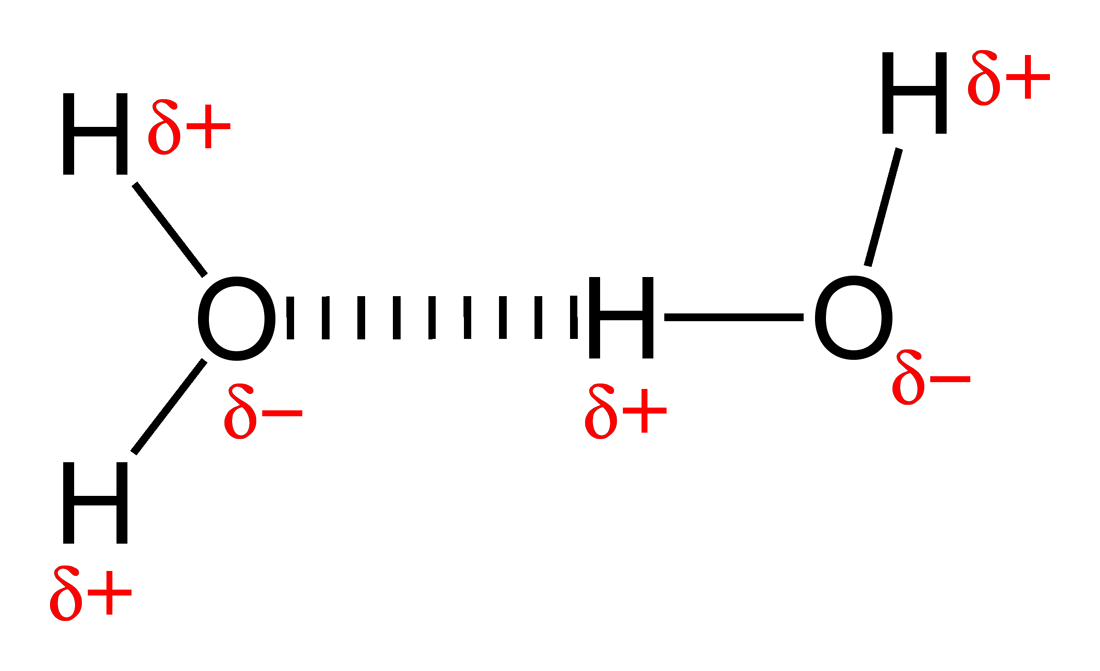
Hydrogen bonding through oxygen
Most important example is water - can form hydrogen bonds with two other water molecules
Alcohols also form intermolecular hydrogen bonds
Not just a dipole-dipole interaction - there is some partial bond formation utilising a lone pair of electrons on the oxygen atom
Bond angle between the three atoms involved is often 180°, or close to it.
The dashed line in the diagram below represents the hydrogen bond
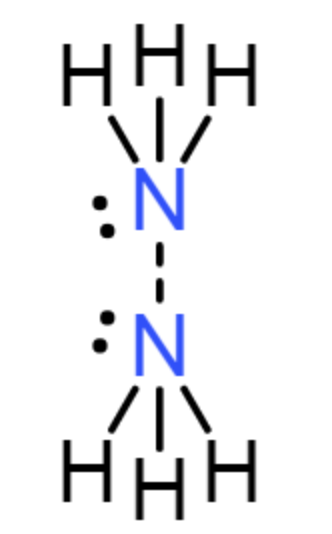
Hydrogen bonding through Nitrogen
Most important example is amine - can form hydrogen bonds with one other ammonia molecules
Primary amines also form intermolecular hydrogen bonds
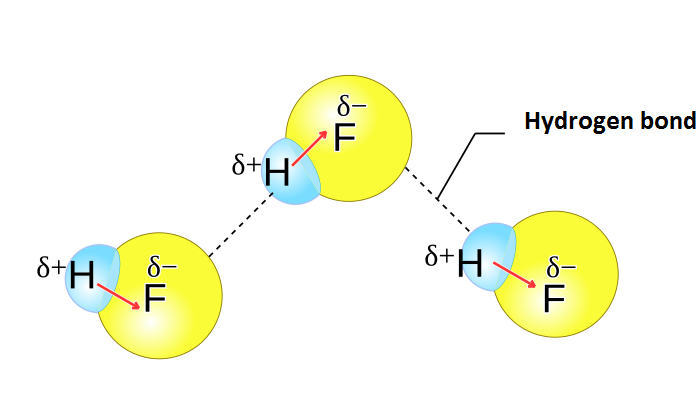
Hydrogen bonding through fluorine
The only fluorine compound with intermolecular hydrogen bonding is hydrogen fluoride
Información
- Descripción
- El usuario ha eliminado su información de asignaturas Apunte sobre Intermolecular Interactions, creado por Usuario eliminado el 21/08/2017.
- Creado por
- Usuario eliminado · ago 2017
- Actualizado
- 21 ago 2017
- Visitas
- 21
- Historial
-
- Creado por Niamh Ryan · 16 ago 2017
- Copiado por Niamh Ryan · 21 ago 2017
- Valoración