
Apuntes
Responding to Climate Change
Contenido del apunte (10)
Página 1
Responding to Climate Change
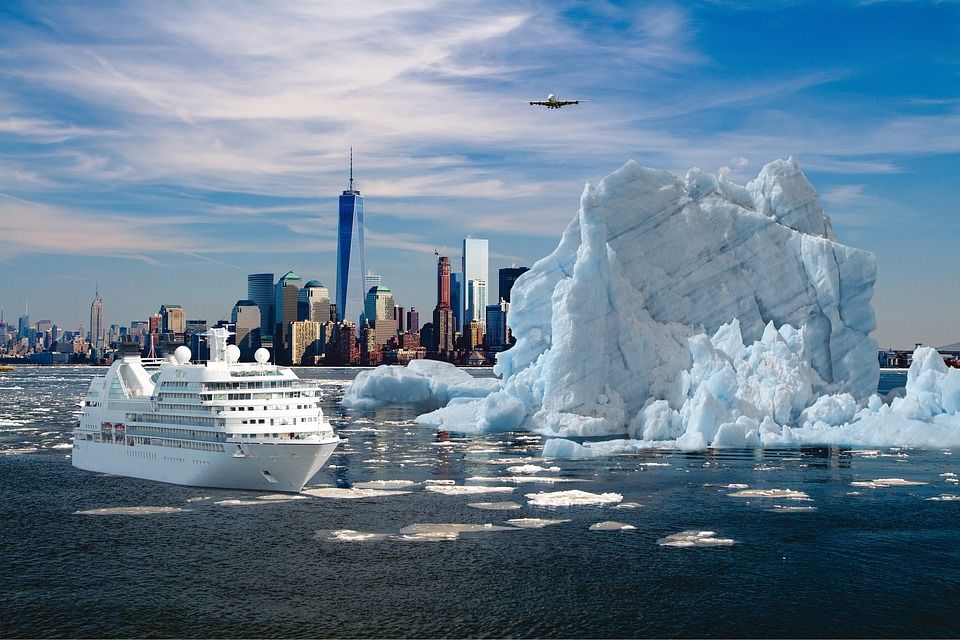
The effects of climate change are estimated to grow in the coming decades.
There is no way to undo the damage that has already been done to the planet. Instead, there are two options for dealing with climate change; mitigation and adaptation.
Mitigation aims to deal with the cause of the problem at hand by developing ways to reduce further greenhouse gas emissions.
Adaptation searches for ways to respond to the impacts of climate change and to help those affected.
Página 2
Climate Modelling
Climate models use quantitative methods to simulate the interactions of the important drivers of climate, including atmosphere, oceans, land surface and ice.
These climate models offer predictions of what the climate will be like in the future to allow for plans to be made.
Computer generated climate models, based on different amounts of carbon dioxide in the atmosphere, produce the same changes as have been observed in the real world.
Models are made by dividing the planet into boxes and making predictions for each box.
Climate models are usually based around the carbon cycle and what would happen if more/less inputs were placed into the system.
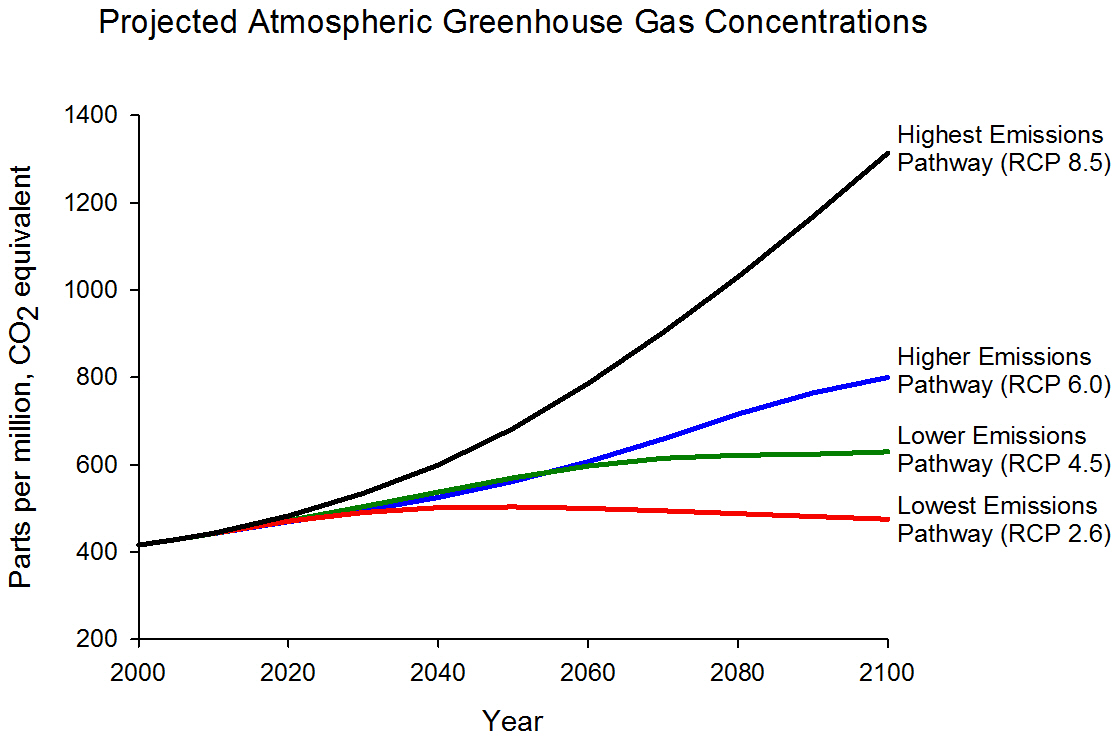
Because it is impossible to see how much energy the planet will actually use in the future, predictions are made based on multiple future emission scenarios (see below). Each scenario would have a different effect on the global climate.
The IPCC (International Panel on Climate Change) is responsible for making climate models for the future.
Página 3
Mitigation: Fuel Shifts and Low-Carbon Energy Sources
Biofuels:
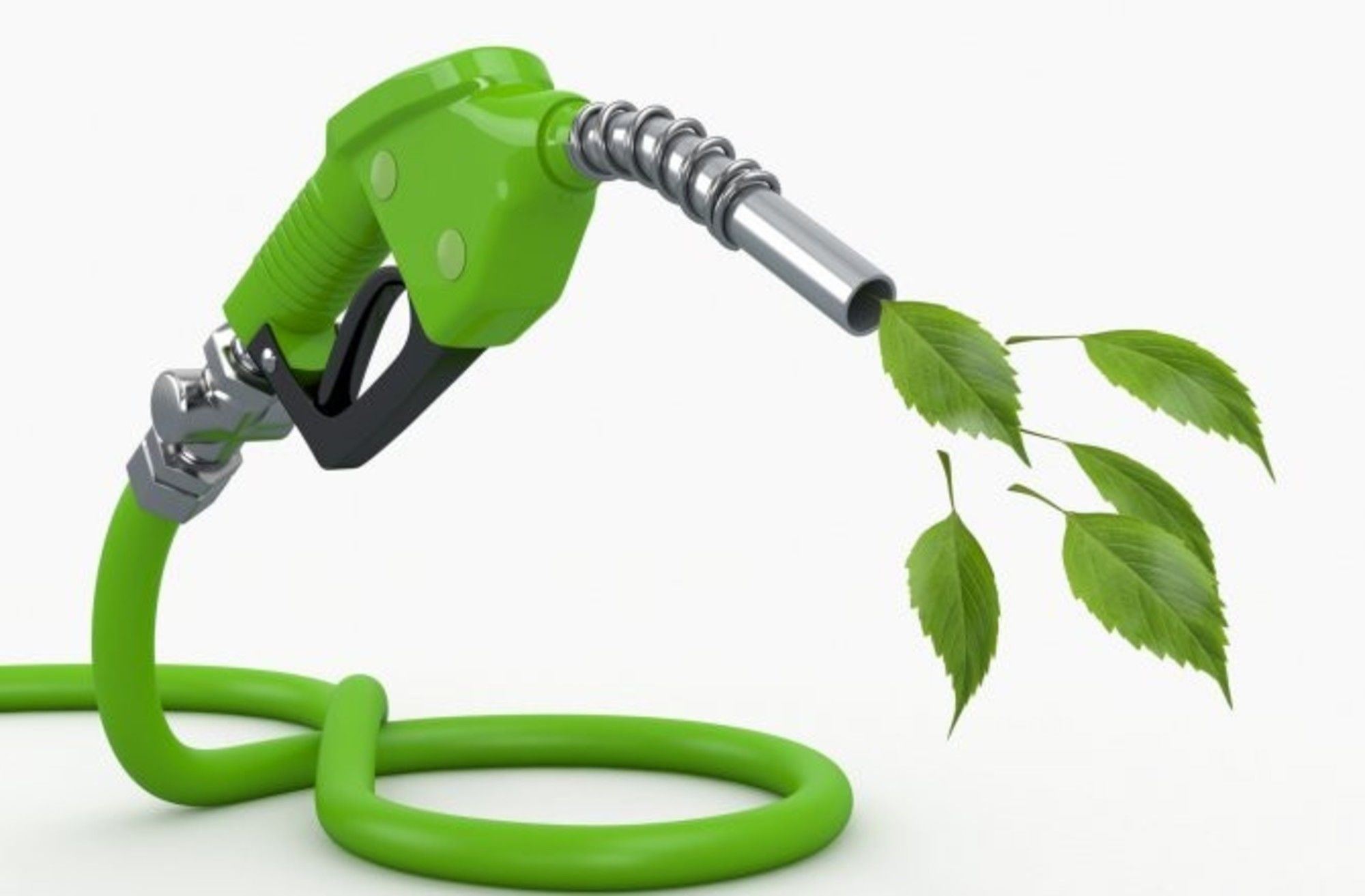
Biofuels are fuels made from living things or from the waste they produce.
Biofuels produce less emissions than fossil fuels when they are burned. However, energy is used in farming and processing the crops, and this can make biofuels as polluting as petroleum-based fuels, depending on what is grown and how it is treated.
Brazil leads the world in biofuel production and use, making about 16 billion litres per year of ethanol from its sugarcane industry.
Biofuel production can sometimes replace food production in developing countries, leading to conflict. A recent World Bank report said that biofuels had pushed up food prices by 75% and led to food riots in several poor countries.
Low-Carbon Energy Sources:
Low-carbon power comes from processes that produce power with substantially lower amounts of carbon dioxide emissions than is emitted from conventional fossil fuel power generation.
Examples include hydroelectric power, wind energy, solar power and nuclear energy.
While these methods are more efficient, they are expensive to develop and the infrastructure isn't available in every country.
Germany now gets over 25% of its electric power from renewables, helping to reduce its total carbon output by over 25% relative to 1990.
Renewable energy sources often receive criticism for the amount of energy and resources that go into their development, as well as the degree to which the environment needs to be damaged for their construction.
Página 4
Mitigation: Carbon Capture and Storage
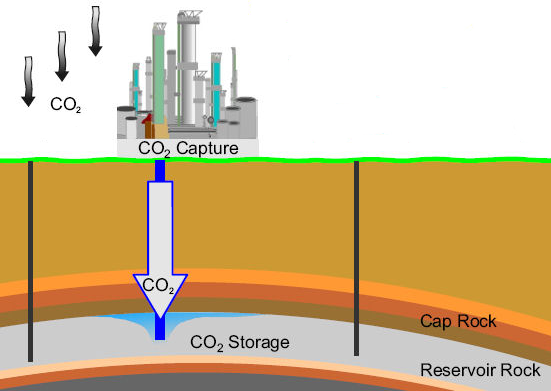
Carbon capture and storage is the process of capturing waste carbon dioxide from carbon sources, transporting it to a storage site, and depositing it where it will not enter the atmosphere, normally an underground geological formation.
CCS plants are typically situated next to the plant from which carbon dioxide is captured.
A ‘capture-ready’ power plant is one that has been designed and built for subsequent retrofitting with CCS technology. This requires space to be set aside next to the power plant, as well as an identified pipeline route and storage formation.
CCS is a very expensive technique and requires large amounts of technology.
There is a risk of ammonia pollution increasing with this technique.
For more information on the process watch this video.
Página 5
Mitigation: Forestry Strategies
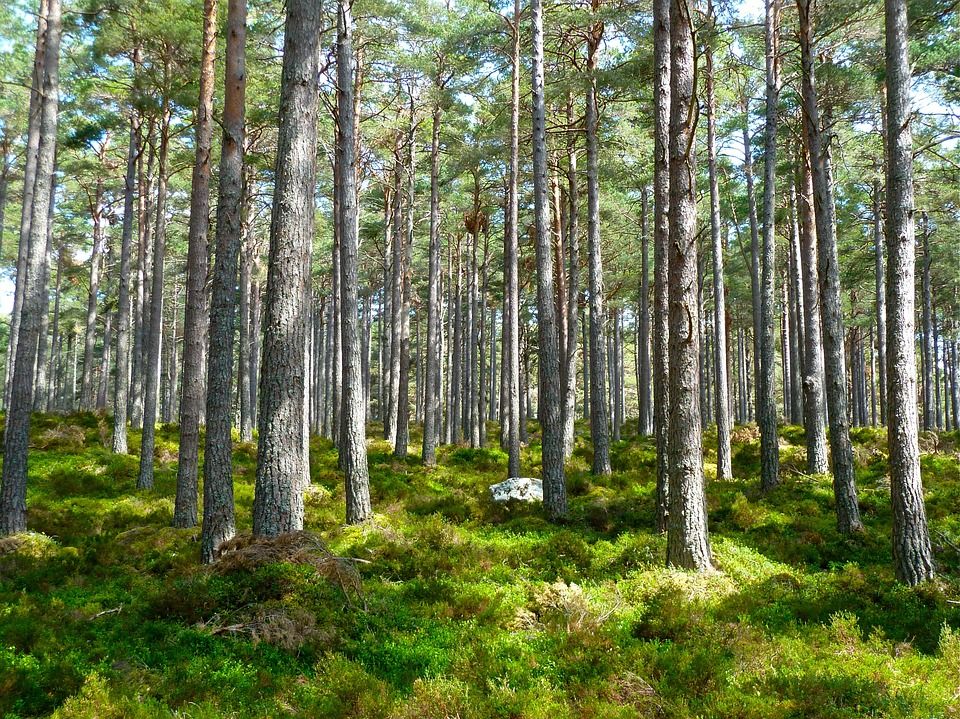
Reforestation aims to plant trees to remove the carbon dioxide from the atmosphere.
This is done to try to reduce the impact of deforestation.
The UK has many forest programs which aim to plant trees but this process is only effective if it becomes widespread.
Página 6
Mitigation: Geoengineering
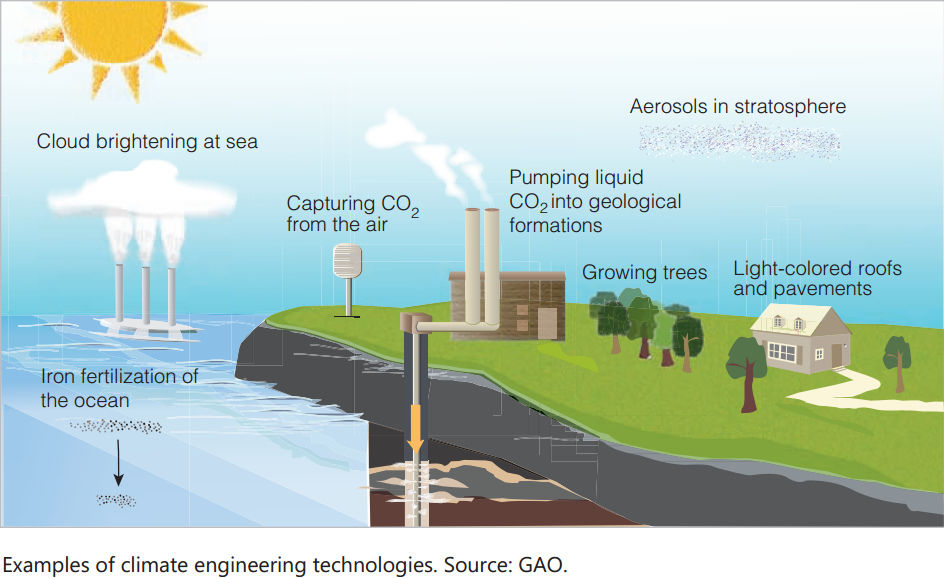
Geoengineering is defined as a broad set of methods and technologies that aim to deliberately alter the climate system in order to alleviate the impacts of climate change.
There are two main types of geoengineering that are being proposed at present: Solar Radiation Management (SRM) and Carbon Dioxide Removal (CDR).
Solar Radiation Management:
Solar radiation management attempts to offset effects of greenhouse gases by causing the Earth to absorb less solar radiation.
It is predicted that this could substantially offset a global temperature rise and partially offset some other impacts of climate change.
In general, SRM projects appear to be able to take effect rapidly and to have very low direct implementation costs.
There are several methods of SRM:
Reflectors are placed in space to reflect solar radiation
Aerosols are injected into the stratosphere
Marine clouds are seeded in order to be made more reflective
Microbubbles are produced at the ocean surface to make it more reflective
More reflective crops are grown
Roofs and other built structures are whitened
Carbon Dioxide Removal:
Carbon dioxide removal projects seek to remove carbon dioxide from the atmosphere.
These methods have biogeochemical and technological limitations to their potential.
Methods include:
Nutrients are added to the ocean, increasing oceanic productivity and transporting a fraction of the resulting carbon downward
Strong bases add alkalinity to the ocean, allowing more atmospheric carbon to dissolve
Carbon Capture and Storage methods
Carbon is captured naturally through afforestation and reforestation
Página 7
Mitigation: Energy Efficiency and Conservation
Recent measures such as the Paris Climate Agreement and the Rio +20 Summit are pushing for the development of sustainable energy use.
In terms of governments and businesses, stakeholders are being pushed into developing renewable energy sources and using resources efficiently.
New homes can be designed with better insulation and renewable energy sources.
Older homes can replace boilers, windows, and insulation to reduce the amount of heat being lost during the winter.
Smaller actions like turning off lights when they are not needed, switching to energy-efficient technologies, and reducing the use of technology can also help to reduce emissions.
A move can be made to use cars less by using buses and bikes, or by walking more.
People can approach their local representatives to push for renewable energy to be adopted in their area.
Página 8
Framework of Adaptation
Climate adaptation refers to the ability of a system to adjust to climate change, to moderate potential damage or to cope with the consequences of climate change.
The IPCC defines adaptation as the “adjustment in natural or human systems to a new or changing environment".
There are several ways of approaching adaptation: retreat, accommodate and protect.
Retreat:
The managed retreat approach applies to coastlines at risk from sea level rise. Managed retreat is designed to avoid hazards and prevent ecosystems from being squeezed between development and the sea.
The most common mechanisms for managed retreat are:
setbacks that require new development to be a minimum distance from the shore
density restrictions that limit development
rolling easement policies that allow development on the condition that it be removed to enable wetlands to migrate landward
Coastal realignment is common on UK coastlines.
Accommodate:
Accommodation is defined as the process by which existing mental structures and behaviors are modified to adapt to new experiences. In the case of climate change, accommodation implies that people continue to use the land at risk but do not attempt to prevent the land from hazards.
Accommodation involves changing the landscape so that it can continue to be used. For example, where saltwater damages agricultural lands and traditional crops, salt-tolerant crops may be a feasible alternative.
This method of adaptation requires large amounts of planning to be effective.
Protect:
Protection involves defensive measures and other activities to protect areas against inundation, tidal flooding, effects of waves on infrastructure, shore erosion, salinity intrusion and the loss of natural resources.
This form of adaptation focuses on protecting both the physical environment and income.
Protection may involve hard engineering and soft engineering options.

Página 9
Adaptation: Changes in Agriculture
Because climate change is affecting agriculture dramatically, changes need to be made to adapt to new conditions.
Many areas of agriculture have moved location to move away from extreme weather conditions. This affects jobs in both locations.
Irrigation can be increased to combat minimal rainfall.
Changes in crop varieties and the time at which they are planted can help to adapt to changing conditions. This includes planting drought-resistant crops and moving to livestock production.
These adaptations are sometimes costly and are extremely difficult for poorer farmers.
Página 10
Adaptation: Water Supplies
Reducing demand for water can help to deal with drought seasons.
By 2030, London aims to offer water-efficient devices to all homes, including aerators that limit water usage.
The UK aims to increase the supply of fresh water available to its residents.
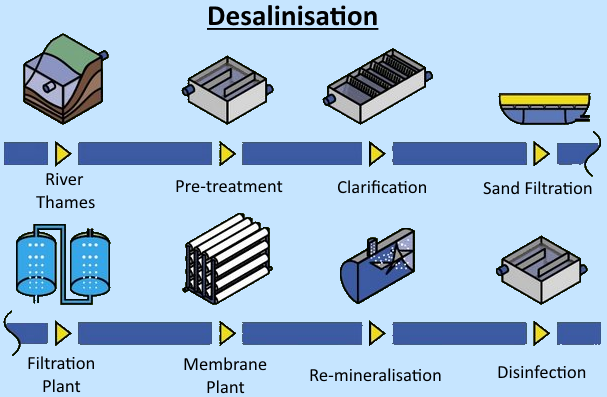
A new Thames Water desalinisation plant opened in 2010 to treat water from the Thames river at low tide when it is least salty.
Reverse osmosis is used to provide drinking water to 400,000 homes in the region.
This plant uses a huge amount of energy that is offset by a biodiesel electricity plant nearby.
Información
- Descripción
- El usuario ha eliminado su información de asignaturas Apunte sobre Responding to Climate Change, creado por Usuario eliminado el 25/08/2017.
- Creado por
- Usuario eliminado · ago 2017
- Actualizado
- 25 ago 2017
- Visitas
- 113
- Historial
-
- Creado por Antonia Blankenberg · 24 ago 2017
- Copiado por Antonia Blankenberg · 25 ago 2017
- Valoración