
Test
Secondary storage devices
Crea una cuenta gratis para terminar este test
Guarda tu progreso y consulta tu resultado final.
¿Ya tienes cuenta? Inicia sesión
Preguntas del test (25)
1Which of the following storage devices will most likely have the highest capacity?
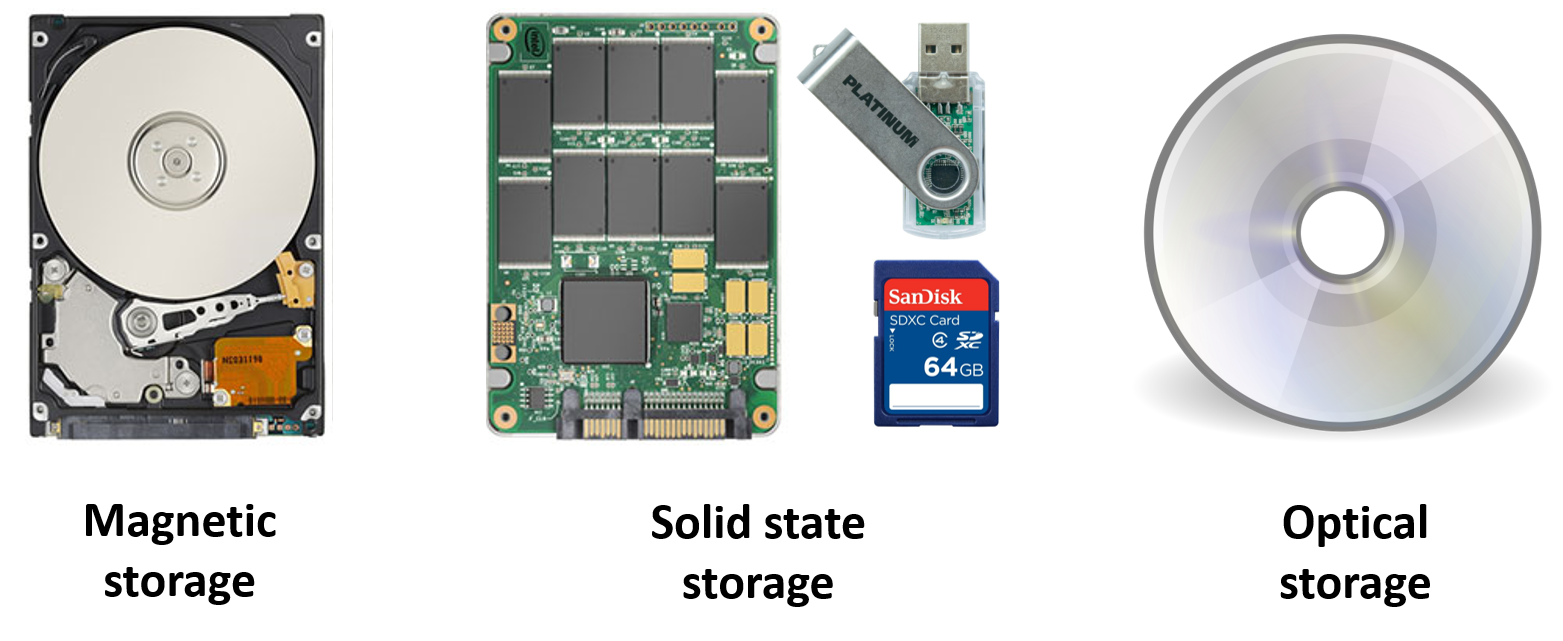
- AMagnetic storage
- BSolid state storage
2Which of the following storage devices will most likely have the smallest capacity?
- AMagnetic storage
- BSolid state storage
3Which of the following will have the fastest read/write speed?
- AMagnetic storage
- BSolid state storage
4Which of the following will have the slowest read/write speed?
- AMagnetic storage
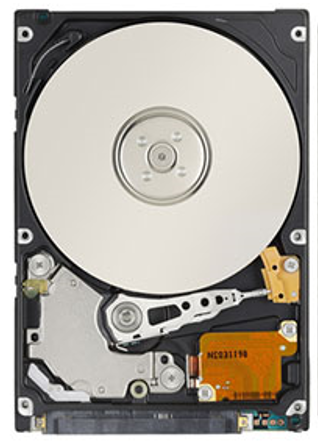
- BSolid state storage
- AMagnetic storage
5Which of the following is the most portable?
- AMagnetic storage
- BSolid state storage
- COptical storage
6Which of the following is the most cost effective?
- AMagnetic storage
- BSolid state storage
- COptical storage
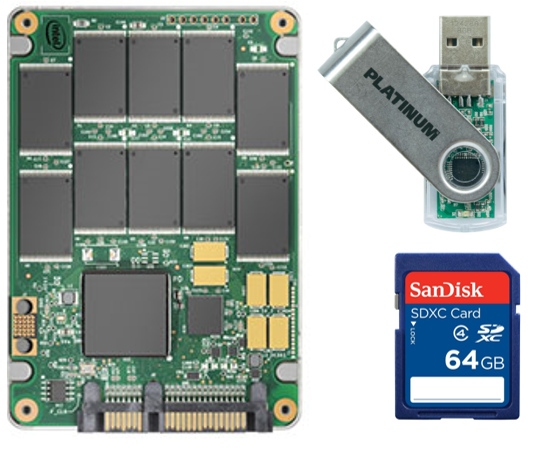
7USB flash drive is an example of…
- AMagnetic storage
- BSolid state storage
- COptical storage
8A portable device such as a smartphone or tablet is likely to have which type of storage?
- AMagnetic storage
- BSolid state storage
- COptical storage
9Which of the following is the most durable?
- AMagnetic storage
- BSolid state storage
10Which of the following is the least durable?
- AMagnetic storage
- BSolid state storage
11Magnetic storage is more durable than…
- ASolid state storage
- BOptical storage
12Which storage device would you most likely use to transport some files from one computer to another?
- AMagnetic storage
- BSolid state storage (USB flash drive)
- COptical storage
- DSolid state storage
13Which storage device would you most likely use to storage large amounts of backup data?
- AMagnetic storage
- BSolid state storage (USB flash drive)
- COptical storage
- DSolid state storage
14Which storage device would you most likely use to distribute a video to several people?
- AMagnetic storage
- BSolid state storage (USB flash drive)
- COptical storage
- DSolid state storage
15Programs will load faster if you have solid state storage in your computer system.
- ATRUE
- BFALSE
16Magnetic storage has lower capacity than solid state storage
- ATRUE
- BFALSE
17Magnetic storage has higher capacity than solid state storage.
- ATRUE
- BFALSE
18Magnetic storage is less durable because it has moving parts, therefore it is more likely to break if dropped.
- ATRUE
- BFALSE
19Solid state storage has a faster read write speed than magnetic storage, therefore it can load files and apps much quicker.
- ATRUE
- BFALSE
20Solid state storage has a slower read write speed than magnetic storage, therefore it load files and apps much slower.
- ATRUE
- BFALSE
21This is how much data the storage device can hold.
- ACapacity
- BDurability
- CRead/write speed
- DCost effective
- EPortability
22This is how fast the storage device can load and save data.
- ADurability
- BCost effective
- CRead/write speed
- DPortability
- ECapacity
23This is how many devices the storage device can be used on.
- ACost effective
- BPortability
- CRead/Write speed
- DDurability
- ECapacity
24This is how robust (how strong it is). The more robust, the less likely it is to break.
- ACapacity
- BRead/write speed
- CPortability
- DDurability
- ECost effective
25This is when you get the best value for money. For example, getting lots of storage space for a cheaper price.
- ACapacity
- BRead/write speed
- CDurability
- DPortability
- ECost effective
Información
- Descripción
- KS3 Year 8 Computing Test sobre Secondary storage devices, creado por Mr A Esch el 04/01/2018.
- Autor
- Mr A Esch
- Idioma
- English
- Visitas
- 1.919
- Etiquetas
- Valoración
- 4,0 de 5 · 5 valoraciones Valora este test