
Test
Pathology of the Uterus
Este test tiene tipos de pregunta que se abren en el reproductor de siempre.
Preguntas del test (26)
1Which hormone stimulates growth of the endometrium in the menstrual cycle?
- AOestrogen
- BProgesterone
- ChCG
2Which hormone maintains the endometrium after fertilisation and during pregnancy, thus preventing its degradation?
- AOestrogen
- BProgesterone
- ChCG
3On the diagram below, label the columnar epithelium, stromal cells and glands of the endometrium.
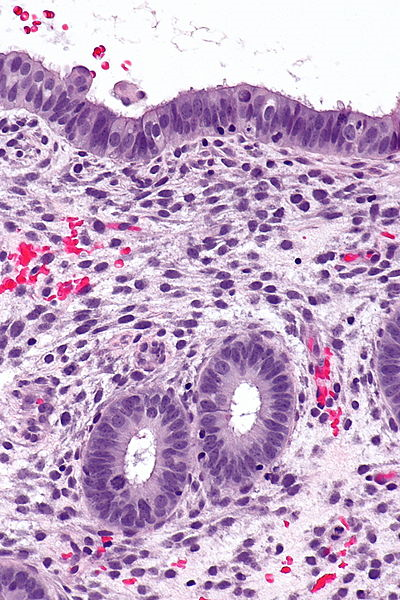
- AColumnar epithelium
- BStromal cells
- CGland
- DColumnar epithelium
- EGland
- FStromal cells
- GStromal cells
- HGland
- IColumnar epithelium
4Label the corpus luteum and the corpus albicans
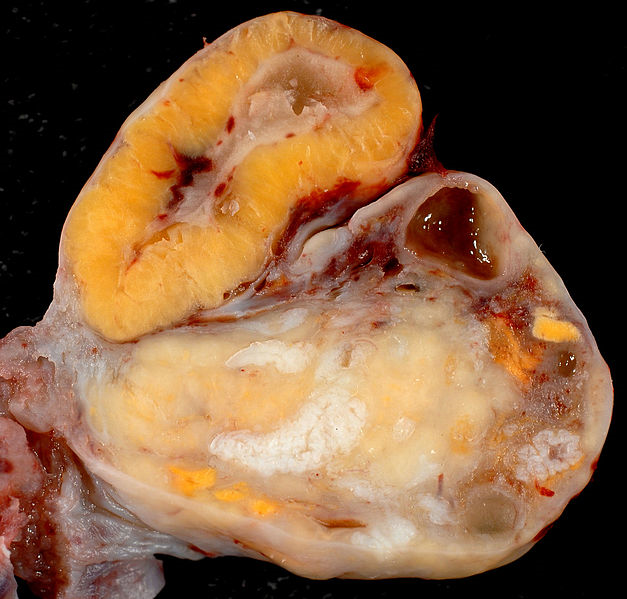
- ACorpus Luteum
- BCorpus Albicans
- CNeither
5During the proliferative phase, which 2 of the following three parts of the endometrium proliferate?
- AGlands
- BStroma
- CColumnar Epithelium
6When ovulation occurs, which stage of the uterine cycle begins?
- AMenstrual Phase
- BProliferative Phase
- CSecretory Phase
7[blank_start]Menorrhagia[blank_end] is the term given for prolonged and increased menstrual flow
[blank_start]Polymenorrhoea[blank_end] is the term given for menstrual bleeding occurring at a <21 day interval
[blank_start]Oligomenorrhoea[blank_end] is the term given for menstrual bleeding occurring at a >35 day interval
[blank_start]Amenorrhoea[blank_end] is the term given for the absence of menstrual bleeding for >6 months- AMenorrhagia
- BPolymenorrhoea
- COligomenorrhoea
- DAmenorrhoea
8[blank_start]Abnormal Uterine Bleeding[blank_end] = Organic pathology causative of bleeding
[blank_start]Dysfunctional Uterine Bleeding[blank_end] = Non-Organic problem causative of bleeding (condition of
exclusion)- ADysfunctional Uterine Bleeding
- BAbnormal Uterine Bleeding
9What is the most common cause of Dysfunctional Uterine Bleeding?
[blank_start]Anovulation[blank_end]- AAnovulation
10Dysfunctional Uterine Bleeding due to anovulation is common in which 2 of the following age groups?
- AGirls going through puberty
- BAdult women in their late 20s/early 30s
- CPost menopausal women
11In Post-Menopausal women, an endometrial thickness of greater than [blank_start]4mm[blank_end] is an indication for biopsy
- A4mm
- B3cm
- C10mm
12Growth of the endometrium out with the uterus is called [blank_start]Endometriosis[blank_end]
- AEndometriosis
13Which medication used for treatment of breast cancer can cause Abnormal Uterine Bleeding?
- ATamoxifen
- BAbraxane
- CAnastrozole
- DToremifene
14Which investigative instrument is generally used to assess endometrial thickness?
- ATrans-vaginal ultrasound
- BHysteroscopy
- CAbdominal x-ray
15Which method of sampling the endometrium is the most common operation performed on women?
- AEndometrial Pipelle
- BDilatation and Curettage of the Endometrium
16What is the main disadvantage of using an endometrial pipelle over dilatation and curettage for taking an endometrial biopsy?
- AEndometrium is not visible during procedure
- BAnaesthesia cannot be given during the procedure
- CThe procedure is less safe than its alternative
- DThe procedure must only be conducted as an inpatient procedure
17Which tumours most commonly cause abnormal uterine bleeding?
- AEndometriomas
- BCervical Cancers
- COvarian Cancers
- DUterine Leiomyomas
18Abnormal Uterine Bleeding + the presence of inflammatory cells in the uterus is most likely to be indicative of …
- AEndometritis
- BEndometrioma
- CEndometriosis
- DLeiomyoma
19Granulomatous Endometritis usually occurs secondary to which infectious disease?
[blank_start]Tuberculosis[blank_end]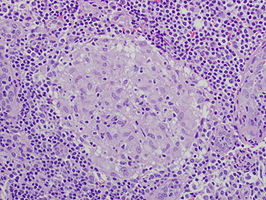
- ATuberculosis
20Endometrial polyps are usually [blank_start]benign[blank_end]
- Abenign
- Bmalignant
21Endometrial polyps tend to form around the age of puberty
- AVerdadero
- BFalso
22Endometrial polyps tend to form around the age of puberty
- AVerdadero
- BFalso
23Histology of a miscarriage sample usually shows foetal red blood cells. How do these differ from maternal red blood cells?
- AFoetal red blood cells are nucleated, whereas maternal red blood cells are not
- BMaternal red blood cells are nucleated, whereas foetal red blood cells are not
24The fast-growing uterine carcinoma of the cells that would normally form the placenta is called a [blank_start]Choriocarcinoma[blank_end]
- AChoriocarcinoma
25Which type of molar pregnancy is more likely to become a choriocarcinoma?
- AComplete mole
- BPartial mole
26What is the name of the condition whereby proliferation of the endometrium breaks through into the myometrium?
[blank_start]Adenomyosis[blank_end]- AAdenomyosis
Información
- Descripción
- Pathology of the Uterus lecture given on Friday morning of Week 1
- Autor
- Matthew Coulson
- Idioma
- English
- Visitas
- 56
- Etiquetas
- Valoración
- Aún sin valoraciones Valora este test